
You recognize the necessity of aligning your daily existence with environmental stewardship. A home, the very cornerstone of your life, presents a profound opportunity for such alignment. Creating a sanctuary that respects the planet means understanding the elements within it and their impact. You are not simply building walls; you are weaving a tapestry of conscientious choices.
Your home’s energy consumption acts as its heartbeat. Optimizing its efficiency reduces your ecological footprint and saves you resources. Consider your energy consumption a river, and you want to narrow its flow without compromising its utility.
Smart Thermostat Deployment
Installing a programmable or smart thermostat allows you to regulate heating and cooling with precision. You can set schedules that reflect your occupancy patterns, preventing energy waste when you are away. Some models learn your habits, adjusting temperatures automatically to suit your comfort and energy-saving goals. For example, programming your thermostat to lower the temperature by a few degrees at night or when you are at work can reduce heating costs noticeably over weeks and months. Your building’s envelope, its shell, plays a starring role here.
Superior Insulation Installation
Proper insulation acts like a coat for your home, preventing heat transfer. You find it in walls, attics, and floors, where it resists the flow of heat in winter and heat gain in summer. Different materials offer varying R-values, which measure thermal resistance. Cellulose, fiberglass, and spray foam represent common choices. Each has its advantages regarding cost, installation, and ecological considerations. For instance, blow-in cellulose insulation often contains recycled paper products, presenting a more environmentally benign option. Upgrading attic insulation from R-19 to R-38 can considerably lower your heating and cooling expenses.
Appliance Upgrade Considerations
Older appliances often consume substantially more energy than newer, high-efficiency models. When replacing refrigerators, washing machines, or dishwashers, seek out products bearing ENERGY STAR certification. labels indicate that the product meets strict energy efficiency guidelines set by government agencies. Look at the yellow energy guide label, which provides an estimate of the appliance’s annual energy consumption and operating cost. Choosing an ENERGY STAR certified refrigerator, for example, can save hundreds of kilowatt-hours annually. Your laundry routine, too, can become a conduit for conservation.
Creating a nature-friendly house involves integrating sustainable practices and materials that minimize environmental impact. One important aspect to consider is the use of solar panels, which can significantly reduce energy costs and reliance on fossil fuels. However, many homeowners are often deterred by the initial investment required for solar energy systems. To understand the financial implications and the reasons behind the high costs of solar panels, you can read more in this insightful article: The Costly Truth: Why Solar Panels Are Expensive. This resource provides valuable information for those looking to make eco-friendly choices in their homes.
Water Conservation Strategies
Water, a finite and precious resource, demands your careful attention within your home. Every drop saved contributes to preserving this vital element. Think of your water usage as a garden; you want to nourish it without overwatering.

Must Check your Holes Diameter size before Order Purchased. This part is suitable for fixed shower head threaded connection 1/2",Thread diameter: 0.8".

STEADY PRESSURE: Our Niagara Conservation fixed shower head provides high performance at most water pressures. You get a steady spray thanks to our patented pressure-compensation technology.

Package Included: You will receive 4 shower flow restrictors with 4 different water flow rates, 1.5/1.8/2.0/2.5 GPM. Each kind of specifications has 1 pieces of shower flow limiters, and they are distinguished by blue, yellow, green, white. You can choose the suitable one to meet your needs
Low-Flow Fixture Integration
Replacing standard faucets, showerheads, and toilets with low-flow alternatives dramatically cuts water usage. Low-flow showerheads restrict water flow but still provide adequate pressure for a comfortable shower. Toilets with dual-flush mechanisms offer options for liquid or solid waste, using different amounts of water accordingly. For example, a standard toilet can use 3.5 to 5 gallons per flush, while a low-flow model can use 1.6 gallons or less. Replacing older showerheads with models that use 2.0 gallons per minute (GPM) reduces water consumption without sacrificing comfort.
Rainwater Harvesting Systems
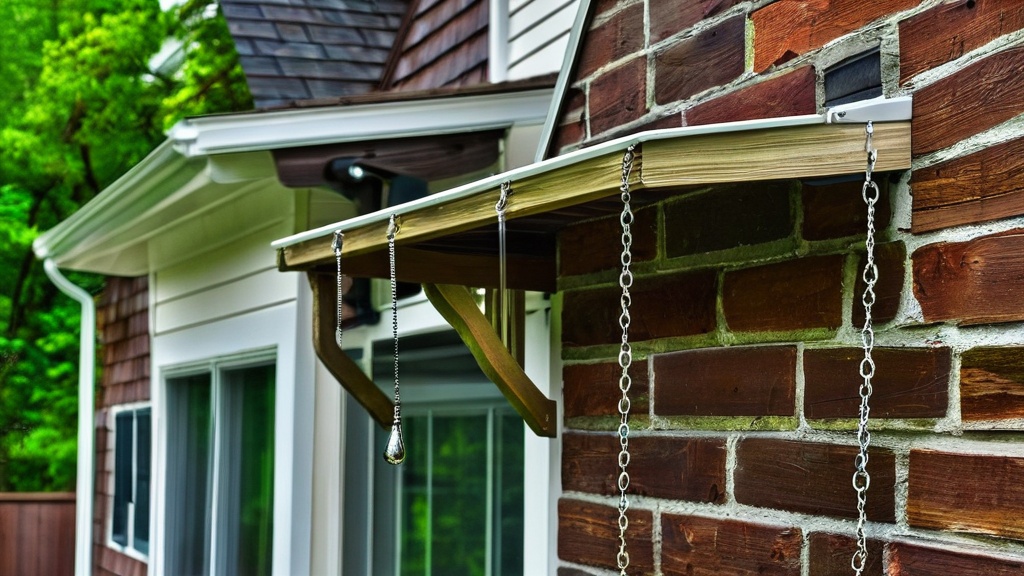
Collecting rainwater from your roof can supply water for outdoor irrigation, car washing, or even toilet flushing after filtration. Barrels or larger cisterns capture precipitation, diverting it from storm drains and reducing runoff. Your localized water demand lessens with each collected gallon. For garden use, a simple rain barrel connected to a downspout is a straightforward and economical starting point. A 50-gallon rain barrel can collect a large amount of water from a single rainfall event, diverting water from overburdened storm sewers.
Greywater Recycling Techniques
Greywater, water from sinks, showers, and laundry, can be diverted and reused for irrigation of non-edible plants. Systems range from simple diverting mechanisms to more sophisticated filtration and distribution setups. Before implementing greywater systems, investigate local regulations concerning their installation and use. Utilizing greywater reduces your reliance on fresh potable water for outdoor watering. Laundry-to-landscape greywater systems, which direct washing machine discharge directly to outdoor plants, are frequently simple to install and require minimal maintenance.
Sustainable Building Materials
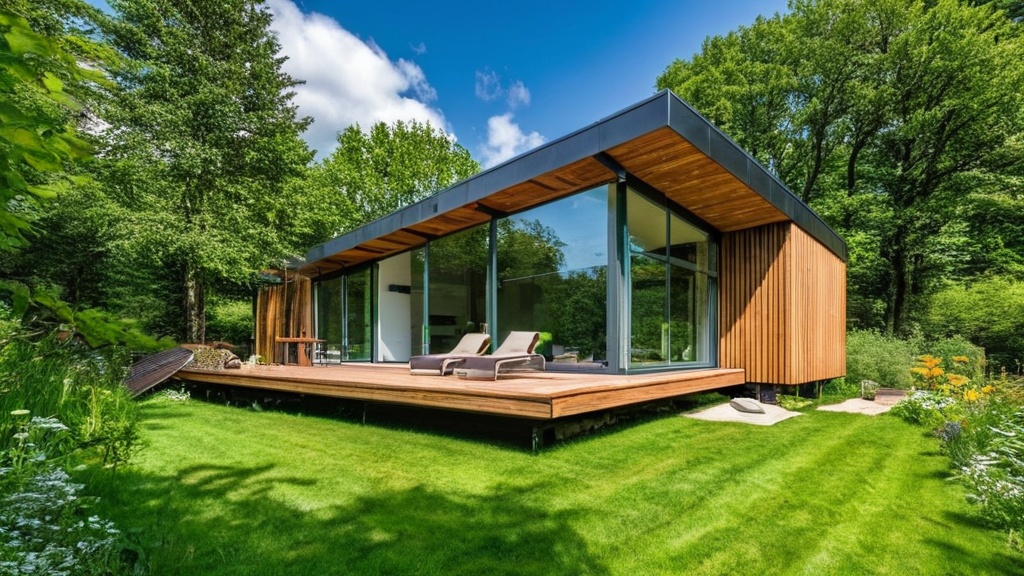
The materials composing your home carry their own environmental story. Opting for responsible choices reduces demand for virgin resources and minimizes waste. Consider your building materials as the bones of your home; you want them strong and ethically sourced.


US Standard Size – 12" X 6" Their universal fit allows them to use on most US & Canadian vehicles

Durable Steel Construction: This woodworking square is built from high-grade steel to maintain precise square angles for rafters, stair stringers, and large sheet stock, making it a reliable choice among carpentry tools.
Recycled Content Application
Materials containing recycled content lessen the need for new raw material extraction. You discover products like recycled steel, composite decking made from recycled plastics, and insulation containing recycled paper or denim. Utilizing recycled materials reduces waste in landfills and conserves natural resources. For instance, steel framing often contains a high percentage of recycled content, decreasing the environmental impact compared to new production. Recycled glass countertops offer a unique aesthetic and divert waste from landfills.
Locally Sourced Material Preference
Sourcing materials locally reduces the energy consumption and emissions associated with transportation. Look for timber from nearby forests or stone quarried within a reasonable distance. A shorter supply chain benefits local economies and minimizes your carbon footprint. Opting for lumber from a sawmill within 100 miles of your home decreases the transportation emissions noticeably compared to wood shipped across continents.
Renewable Resource Utilization
Wood from sustainably managed forests, bamboo, and cork exemplify renewable resources for flooring, cabinetry, and other applications. Sustainable forestry practices ensure replacement rates exceed harvesting rates, maintaining forest health. Bamboo, a fast-growing grass, offers a durable and aesthetically pleasing flooring option with a minimal environmental footprint due to its rapid regrowth. Cork, harvested from cork oak trees without harming the tree itself, provides sound insulation and a natural feel.
Waste Reduction and Recycling

Minimizing waste begins with your purchasing habits and extends to how you manage household discards. Your actions influence the flow of materials through your life and into the wider environment. Imagine your waste stream as a river; you want to reduce its volume at the source.
Comprehensive Recycling Program Engagement
Participate in your local recycling program, understanding what materials your municipality accepts. Beyond curbside pickup, investigate local drop-off centers for items like electronics, batteries, and hazardous waste. Clear segregation of recyclables separates them from landfill-bound refuse. Many municipalities now offer single-stream recycling, simplifying the process by allowing most recyclables to be placed in one bin.
Composting Organic Waste
Food scraps and yard waste can be transformed into nutrient-rich compost for your garden. This diverts organic material from landfills, where it would decompose anaerobically and produce methane, a potent greenhouse gas. Composting reduces your need for chemical fertilizers and improves soil structure. A simple backyard compost bin or a worm composting system transforms kitchen waste into valuable soil amendment.
Mindful Consumption Practices
Before purchasing, ask yourself if you truly need something. Seek durable goods meant to last, avoiding disposable items. Repair items when possible. Reducing demand for new products represents the most effective waste reduction strategy. Repairing a broken appliance instead of replacing it, for example, avoids the resource consumption and waste associated with manufacturing a new one and disposing of the old. Your deliberation before purchase acts as a filter.
Creating a nature-friendly house involves various strategies to minimize environmental impact, and one effective method is to focus on energy efficiency. For instance, utilizing energy-efficient appliances and incorporating natural drying methods can significantly reduce energy consumption. If you’re interested in learning more about how to save energy while drying clothes, you can check out this informative article on the topic. It offers practical tips that can help you maintain a sustainable lifestyle while also being kind to the planet. For more details, visit this article.
Indoor Air Quality Improvement
| Metric | Description | Typical Value | Unit |
|---|---|---|---|
| Energy Consumption | Annual energy used by the house | 5,000 – 10,000 | kWh/year |
| Water Usage | Average daily water consumption | 50 – 100 | liters/person/day |
| Carbon Footprint | Annual CO2 emissions from house operations | 1 – 3 | tons CO2/year |
| Insulation R-Value | Thermal resistance of house insulation | 20 – 40 | m²·K/W |
| Renewable Energy Use | Percentage of energy from renewable sources | 50 – 100 | % |
| Waste Recycling Rate | Percentage of household waste recycled | 70 – 90 | % |
| Indoor Air Quality Index | Measurement of air pollutants inside the house | 0 – 50 (Good) | Index |
| Use of Sustainable Materials | Percentage of building materials that are sustainable | 60 – 90 | % |
Your home’s air quality directly influences your health and comfort. Many conventional building materials and household products release volatile organic compounds (VOCs) and other pollutants. A healthy indoor environment translates to a healthier you. Consider your indoor air a breathable ocean; you want it clean and fresh.

Use for a variety of indoor and outdoor project surfaces including wood, metal, plaster, masonry or unglazed ceramic

One Coat Coverage – Glidden One Coat Interior Paint & Primer has exceptional hide and stain block which means you need fewer coats to hide your common stains and make your walls beautiful.

【One-step Furniture Paint】No need for time-consuming polishing or primer, our wood one step paint can be directly applied to your furniture,saving you time and effort in your DIY or refurbishment
Low-VOC Product Selection
When painting, furnishing, or renovating, select products with low or zero VOCs. Paints, adhesives, and sealants often contain these compounds, which off-gas into your living spaces. Opting for low-VOC alternatives reduces respiratory irritants and improves air purity. Many paint brands now offer extensive lines of zero-VOC paints, providing a wide array of color choices without the associated chemical fumes.
Natural Ventilation Optimization
Maximize natural airflow by opening windows and doors when outdoor air quality permits. Cross-ventilation flushes out stale air and introduces fresh air, reducing concentrations of indoor pollutants. Ceiling fans can support air circulation without heavy energy consumption. Strategic placement of windows, with inlets on one side and outlets on the other, facilitates effective cross-ventilation.
Houseplant Integration
Certain houseplants act as natural air purifiers, absorbing airborne toxins and releasing oxygen. Spider plants, peace lilies, and snake plants exemplify effective air-filtering flora. Beyond their aesthetics, they contribute to a healthier breathing environment. A single medium-sized plant can filter certain pollutants from a small room, and multiple plants offer measurable air quality improvement. Your choices here cultivate both beauty and better breathing.
FAQs
What is a nature friendly house?
A nature friendly house is a home designed and built to minimize its environmental impact. It incorporates sustainable materials, energy-efficient systems, and eco-friendly practices to reduce resource consumption and promote harmony with the natural surroundings.
What materials are commonly used in nature friendly houses?
Nature friendly houses often use renewable, recycled, or locally sourced materials such as bamboo, reclaimed wood, natural stone, and non-toxic paints. These materials reduce environmental harm and improve indoor air quality.
How do nature friendly houses conserve energy?
These houses utilize energy-efficient appliances, proper insulation, passive solar design, and renewable energy sources like solar panels or wind turbines to reduce energy consumption and reliance on fossil fuels.
What role does water conservation play in a nature friendly house?
Water conservation is crucial; nature friendly houses often include rainwater harvesting systems, low-flow fixtures, and greywater recycling to minimize water waste and promote sustainable water use.
Are nature friendly houses more expensive to build?
While initial costs can be higher due to sustainable materials and technologies, nature friendly houses often result in long-term savings through reduced utility bills, lower maintenance costs, and potential tax incentives or rebates.
Enjoying our content? Make us a preferred source on Google.
Add us as a Preferred Source on Google