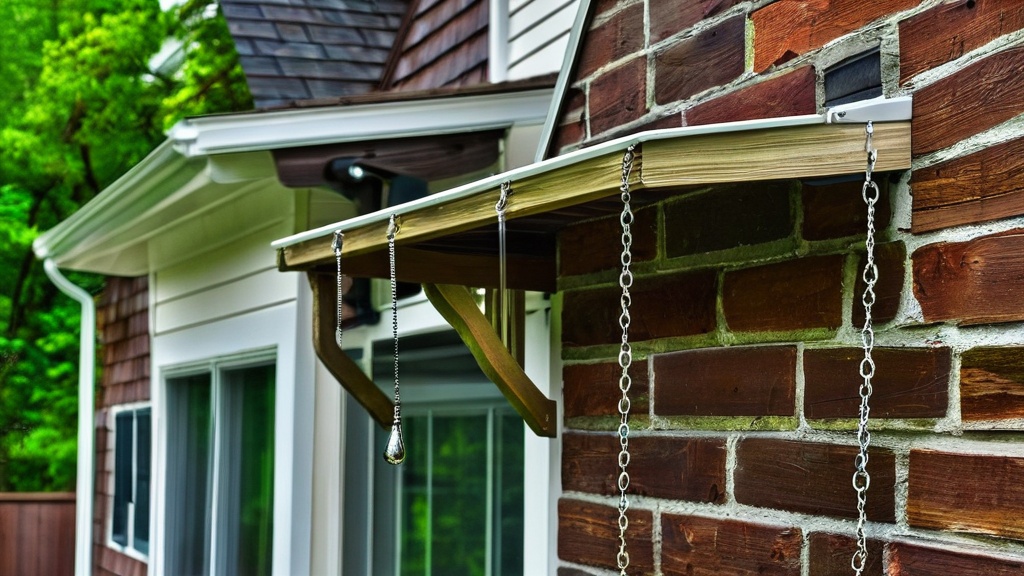
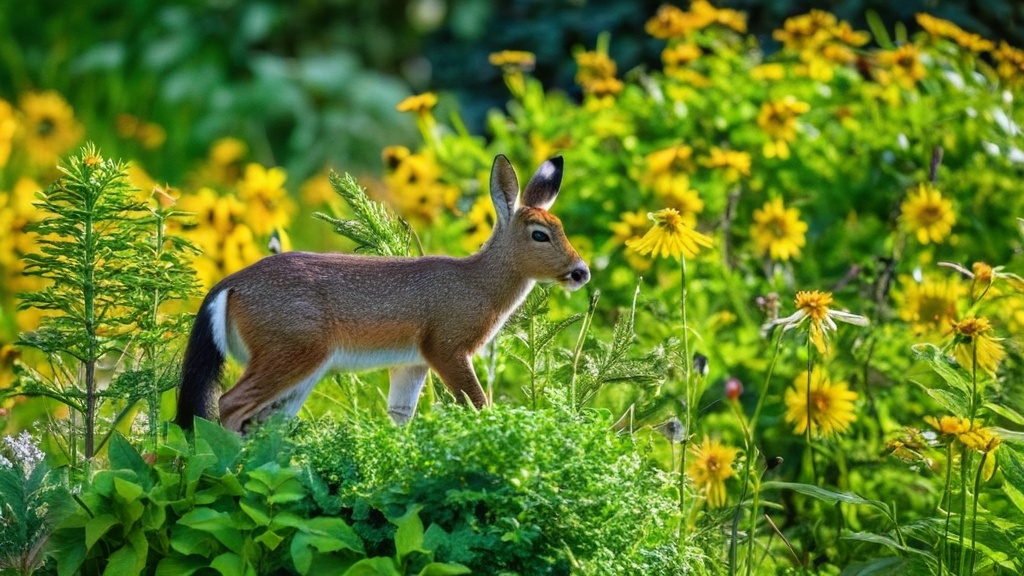
Gaining insight into the local ecosystem forms the foundation of any successful gardening endeavor. Each region boasts its unique climate, soil composition, and native wildlife, all of which play a vital role in shaping the environment. Observing the natural surroundings allows us to identify which plants thrive in our area and how they interact with local fauna. This understanding fosters a harmonious relationship between our gardens and the ecosystem, promoting biodiversity and sustainability.
We can begin by studying the native flora and fauna, noting their growth patterns and seasonal behaviors. Engaging with local environmental organizations or participating in community workshops can provide valuable information about the specific needs of our region. Such knowledge empowers us to create gardens that not only flourish but also support local wildlife, contributing to a healthier ecosystem overall.
If you’re interested in creating a wildlife-friendly garden, you might also find value in exploring the concept of green roof gardens. These innovative spaces not only provide a habitat for various species but also contribute to urban biodiversity. For more insights on how to cultivate your own urban oasis, check out this related article on green roof gardens.
Key Takeaways
- Understand and support the local ecosystem to promote biodiversity.
- Use native plants to provide natural food and habitat for wildlife.
- Ensure availability of food and water sources to sustain local species.
- Create shelter and nesting sites to encourage wildlife habitation.
- Minimize chemical use to protect the environment and maintain ecological balance.
Incorporating Native Plants
Integrating native plants into our gardens offers numerous benefits. These species have adapted to the local climate and soil conditions, requiring less water and maintenance than non-native varieties. Their resilience makes them ideal candidates for sustainable gardening practices. Furthermore, native plants provide essential habitats and food sources for local wildlife, including pollinators like bees and butterflies.
Selecting a diverse array of native plants can enhance the visual appeal of our gardens while promoting ecological balance. We can choose flowering plants that bloom at different times throughout the growing season, ensuring a continuous supply of nectar for pollinators. Incorporating various heights and textures creates an inviting environment for both humans and wildlife, transforming our outdoor spaces into vibrant ecosystems.

Durable Flag — Material: 100% burlap. Weatherproof and non-fray durability, Dyrenson home garden's durable indoor, outdoor art flags and banners are made of machine washable polyester burlap material, fade resistant to keep them flying for many seasons
Lightweight, Classic fit, Double-needle sleeve and bottom hem

Providing Food and Water Sources
Establishing reliable food and water sources is vital for attracting and sustaining wildlife in our gardens. Planting a variety of fruit-bearing shrubs and trees can provide nourishment for birds, insects, and other creatures. Additionally, incorporating flowering plants that produce seeds can offer sustenance throughout the year. A well-planned garden can become a haven for wildlife, supporting their survival while enriching our own experiences.
Water sources play an equally important role in creating a thriving ecosystem. Installing birdbaths or small ponds not only provides hydration for animals but also encourages them to visit our gardens. Regularly maintaining these water features ensures they remain clean and inviting. Observing the interactions between wildlife and these resources can deepen our appreciation for the delicate balance of nature.

Elegant 3 Tier Water Cascade: Enjoy the serene sound of water cascading from three tiers. This stunning design brings a tranquil, peaceful ambiance to your outdoor space, ideal for gardens, patios, and decks.

Environment-Friendly Design: This solar fountain is an extremely competent Solar Water Pump. This fountain is controlled by solar power completely. The Outdoor Submersible Fountain needn't any battery or electricity.This fountain does not store energy and is powered entirely by direct sunlight;It will stop working on cloudy, rainy days.

SOLAR POWERED FOUNTAIN PUMP: Mademax solar birdbath fountain only needs 3 seconds to operate automatically in direct sun, with a spray height of 4–27.5 inches (10-70cm). No electricity or battery needed. (Solar fountains does not store energy, can not work on cloudy days or night, please make sure the product is used in direct sunlight, and it is recommended to use it in clean water, which will prolong the life of the product
Creating Shelter and Nesting Sites

Providing shelter and nesting sites is essential for fostering a diverse range of wildlife in our gardens. Incorporating dense shrubs, tall grasses, and ground cover can create safe havens for small animals and insects. These areas offer protection from predators while providing spaces for nesting and raising young. We can enhance these habitats by adding features like brush piles or rock walls, which serve as additional refuge for various species.
Birdhouses and bat boxes represent another effective way to encourage wildlife habitation. Selecting designs that cater to specific species can increase the likelihood of attracting them to our gardens. Placing these structures in quiet, sheltered areas allows birds and bats to feel secure while nesting. Observing their behaviors can provide us with valuable insights into their needs and preferences, further enriching our gardening experience.
Creating a wildlife-friendly garden can significantly enhance the biodiversity in your outdoor space, and if you’re looking to make your garden even more sustainable, you might find it helpful to explore ways to save on solar panel costs. By incorporating solar energy into your home, you not only reduce your carbon footprint but also create a more eco-friendly environment for local wildlife. For more insights on this topic, check out this informative article on how to save money on solar panel costs with simple DIY maintenance tips.

Professional After-Sales Service: Customer experience is our lifelong pursuit. If you have any questions about the bird houses for outside, please feel free to contact us at any time. We will answer your questions at any time. We will actively communicate and will provide satisfactory pre-sales and after-sales services.


NATURAL and HANDMADE – The outdoor bird house is constructed of natural wood and metal. The wooden planks for house body are chipped and painted by hand. The metal pieces strengthen the roof part for the birdhouse, make it very sturdy and durable, and prevent the birdhouse from being damaged from rain, wind, dropping or attacking by other animals.
Minimizing Chemical Use
| Design Element | Purpose | Recommended Features | Benefits for Wildlife |
|---|---|---|---|
| Native Plants | Provide food and habitat | Use local wildflowers, shrubs, and trees | Supports local pollinators and birds |
| Water Source | Hydration and habitat | Install birdbaths, ponds, or shallow dishes | Attracts amphibians, birds, and insects |
| Shelter | Protection and nesting | Include log piles, rockeries, and dense shrubs | Provides refuge for small mammals and insects |
| Plant Diversity | Support varied wildlife | Mix flowering plants with different bloom times | Ensures year-round food supply |
| Reduced Chemicals | Maintain healthy ecosystem | Avoid pesticides and herbicides | Protects beneficial insects and soil organisms |
| Wildlife Corridors | Enable safe movement | Connect garden to nearby green spaces | Facilitates migration and genetic diversity |
| Compost Area | Recycle organic matter | Set up a compost bin or heap | Supports decomposers and enriches soil |
Reducing chemical use in our gardens is crucial for promoting a healthy ecosystem. Many conventional pesticides and fertilizers can harm beneficial insects, soil health, and water quality. Adopting organic gardening practices allows us to cultivate thriving gardens without compromising the environment. Utilizing natural pest control methods, such as introducing beneficial insects or using companion planting techniques, can effectively manage pests while preserving ecological balance.
Soil health plays a significant role in minimizing chemical use. Implementing practices like composting and mulching enriches the soil naturally, reducing the need for synthetic fertilizers. Regularly testing soil quality helps us understand its nutrient content, allowing us to make informed decisions about amendments. A healthy soil ecosystem supports robust plant growth, ultimately leading to a more resilient garden.
Creating a wildlife-friendly garden not only supports local ecosystems but also enhances the beauty of your outdoor space. For those interested in making their homes more sustainable, you might find it beneficial to explore how to save energy while cooking. This article offers practical tips that can complement your gardening efforts, ensuring that your home remains eco-friendly in multiple aspects. You can read more about it in this insightful piece on energy-saving techniques here.
Designing for Seasonal Interest
Creating a garden that offers year-round interest requires thoughtful planning and design. Selecting plants that bloom in different seasons ensures that our outdoor spaces remain vibrant throughout the year. Incorporating evergreens provides structure during winter months when many other plants are dormant. Seasonal changes can bring new colors, textures, and scents to our gardens, enhancing our connection to nature.
Incorporating elements like ornamental grasses or deciduous trees adds visual interest as they change with the seasons. Observing how light interacts with these features at different times of day can inspire us to appreciate the beauty of our gardens in new ways. Designing with seasonal interest in mind not only enriches our gardening experience but also creates habitats that support wildlife throughout the year.
Incorporating Hardscaping and Pathways
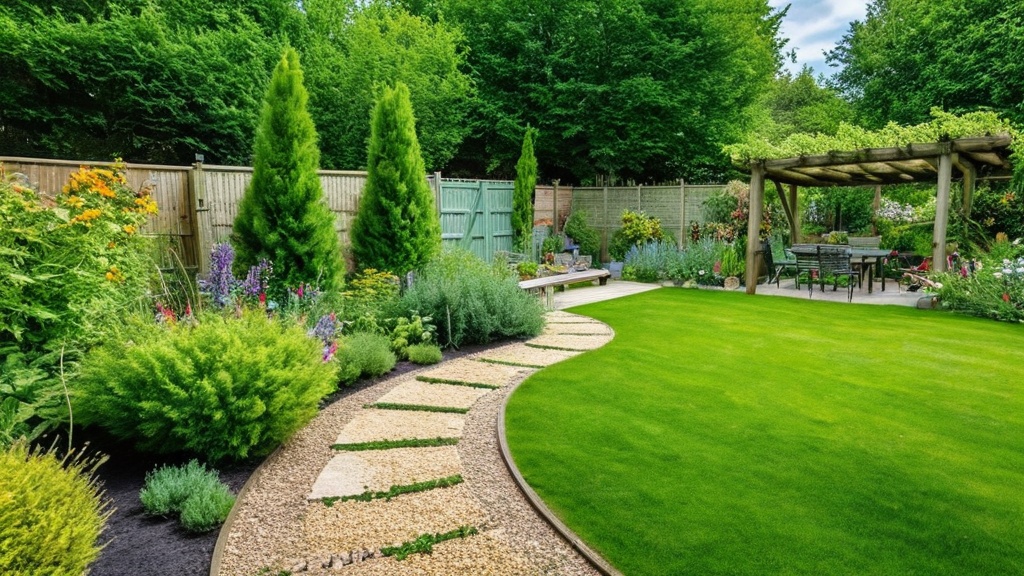
Integrating hardscaping elements into our gardens can enhance both functionality and aesthetics. Pathways provide structure while guiding visitors through the space, allowing us to appreciate its beauty from various angles. Choosing materials that complement the natural surroundings helps create a cohesive design that harmonizes with the landscape.
Incorporating features like benches or seating areas encourages us to spend more time outdoors, fostering a deeper connection with nature. These spaces can serve as gathering spots for family and friends or quiet retreats for reflection. Thoughtfully designed hardscaping elements contribute to the overall experience of our gardens, making them inviting spaces for both humans and wildlife.
Maintaining a Balance
Achieving balance within our gardens requires ongoing attention and care. Regular maintenance helps ensure that plants remain healthy while preventing invasive species from taking over. Monitoring wildlife interactions allows us to understand how different species coexist within our spaces, guiding us in making informed decisions about plant selection and habitat creation.
Practicing patience is essential as we observe how our gardens evolve over time. Nature operates on its own timeline, and allowing ecosystems to develop naturally fosters resilience and adaptability. Engaging with local gardening communities can provide support and inspiration as we navigate the challenges of maintaining balance in our outdoor spaces.
In conclusion, cultivating a garden that supports local ecosystems involves understanding the unique characteristics of our environment, incorporating native plants, providing food and water sources, creating shelter, minimizing chemical use, designing for seasonal interest, integrating hardscaping elements, and maintaining balance. Each step contributes to a thriving garden that not only enhances our lives but also nurtures the diverse wildlife that shares our space. Through thoughtful planning and ongoing care, we can create sustainable outdoor environments that celebrate the beauty of nature while fostering ecological harmony.
FAQs
What are the key elements of a wildlife-friendly garden?
A wildlife-friendly garden typically includes native plants, a variety of flowering species for pollinators, water sources like birdbaths or ponds, shelter such as logs or dense shrubs, and avoids the use of pesticides and herbicides to create a safe habitat for wildlife.
Why is it important to use native plants in a wildlife-friendly garden?
Native plants are adapted to the local climate and soil conditions, providing the best food and shelter for native wildlife. They support local pollinators, birds, and insects more effectively than non-native species.
How can I provide water for wildlife in my garden?
You can provide water by installing birdbaths, shallow ponds, or small water features. Ensure the water is clean and refreshed regularly, and include shallow edges or stones for small animals to safely access the water.
What types of shelter should I include to attract wildlife?
Shelter can be created using dense shrubs, piles of logs or leaves, rock piles, and birdhouses or insect hotels. These provide safe nesting, resting, and hiding places for various animals.
How can I maintain a wildlife-friendly garden without using harmful chemicals?
Avoid pesticides and herbicides by using natural pest control methods such as encouraging beneficial insects, hand-picking pests, and planting companion plants that repel harmful insects. Maintaining healthy soil and plant diversity also reduces pest problems naturally.
Enjoying our content? Make us a preferred source on Google.
Add us as a Preferred Source on Google