
You are considering building a home. Your decisions now shape not merely a shelter, but a legacy. Sustainable home design represents an intelligent approach to construction and habitation, prioritizing long-term environmental balance and resource conservation. It involves integrating practices and materials that minimize negative ecological impact throughout a building’s lifecycle, from construction to demolition. Understanding its principles and applications empowers you to make informed selections for your residence.
Choosing the right plot of land and positioning your home strategically establishes the foundation for its low environmental impact. Your decisions here directly influence natural light, thermal performance, and water management.
Understanding Microclimates
Each plot of land possesses unique characteristics. A site’s microclimate includes local wind patterns, sun exposure, and precipitation. Consider the prevailing winds to inform natural ventilation strategies. Observe solar paths throughout the year to optimize passive solar heating and cooling. Local topographical features, such as hills or valleys, impact air movement and sunlight availability. You want to understand temperature fluctuations and humidity levels specific to your location. Knowing what happens with the weather will enable you to design a home that works with, not against, its surroundings.
Optimizing Solar Gain and Shading
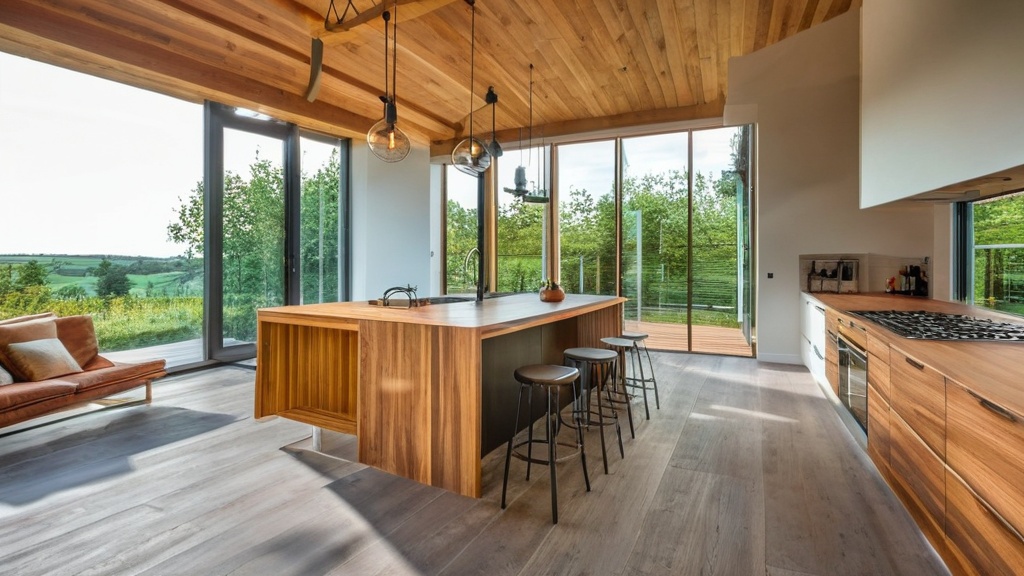
Sunlight is a free, renewable resource. You can harness it for heat and illumination. Orient your home along an east-west axis, if possible, to maximize south-facing exposure (in the Northern Hemisphere) for winter solar gain. Large south-facing windows with appropriate overhangs allow sunlight to penetrate deeply during colder months, warming interior spaces. During summer, the higher sun angle means overhangs shade these windows, preventing overheating. Careful placement of deciduous trees can offer seasonal shading, blocking summer sun while allowing winter light through bare branches. Fixed shading devices, like awnings or pergolas, also play a role in managing solar heat.
Water Permeability and Runoff Management
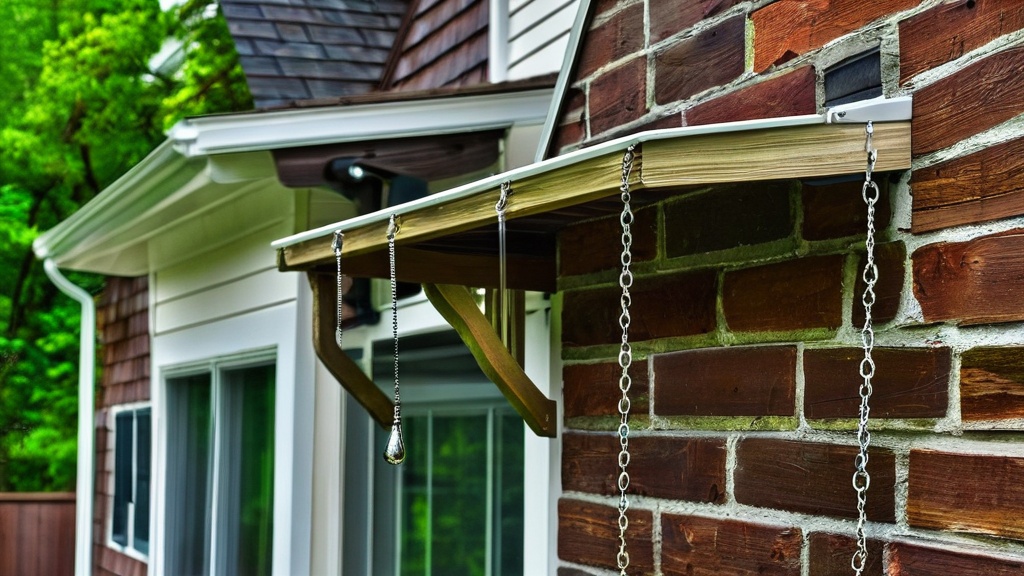
Paved surfaces contribute to stormwater runoff. Impervious areas prevent water absorption into the ground, leading to increased runoff volumes and potential erosion. You can reduce this by incorporating permeable surfaces like gravel driveways, paver systems, or vegetated areas. Rain gardens and bioswales are depressions designed to collect and filter rainwater, allowing it to slowly infiltrate the soil. Directing downspouts from your roof into rain barrels or cisterns collects water for irrigation, lessening reliance on potable sources. Minimize the amount of impervious cover on your property.
Sustainable house design is an essential aspect of creating energy-efficient homes that minimize environmental impact. One interesting article that delves into enhancing energy efficiency in residential spaces is found at this link: Boost Energy Efficiency with Cellular Shades. This article discusses how cellular shades can significantly improve insulation and reduce energy consumption, making them a valuable addition to any sustainable home.
Material Selection
The materials you choose for your home carry an environmental footprint. Consider their origin, manufacturing process, durability, and eventual disposal. Your selections impact energy consumption, waste generation, and indoor air quality.
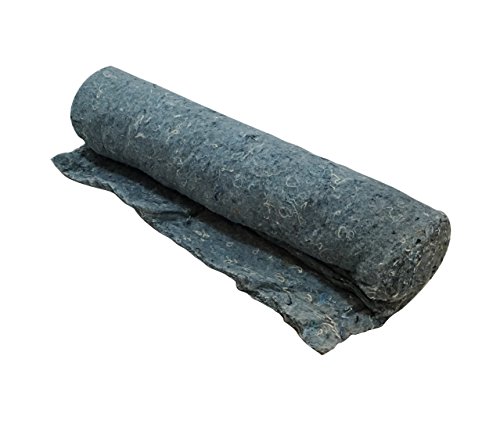
Use For Insulating, Cushioning, And Noise Dampening

Case of 6 Cotton Denim and Synthetic Recycled Fiber Batt Insulation Sheets: 24" x 48" x 2"

INSULATED WARMTH – HOTSWAP thermal denim fabric is 40% warmer than regular denim, keeping you cozy in cold work environments without added bulk.
Low-Embodied Energy Materials
Embodied energy refers to the total energy consumed in the extraction, manufacture, transportation, installation, and disposal of a building material. Materials with low embodied energy typically undergo less processing. Examples include locally sourced timber, recycled content materials, and natural insulation like straw bale or cellulose. Prioritizing recycled content reduces demand for virgin resources and diverts waste from landfills. Steel frames with a high percentage of recycled content, for example, offer a more sustainable alternative to those made entirely from new ore.
Renewable and Recycled Content
Look for materials originating from sources that replenish naturally. Wood from sustainably managed forests carries certifications (FSC) indicating responsible forestry practices. Bamboo, a fast-growing grass, serves as a renewable alternative for flooring and cabinetry. Recycled content materials, such as reclaimed wood, recycled glass countertops, or insulation made from recycled denim, reduce waste streams and the need for new resource extraction. Specification of recycled materials directly contributes to a circular economy.
Non-Toxic and Healthy Interiors
Many conventional building materials and finishes off-gas volatile organic compounds (VOCs), which can compromise indoor air quality and impact human health. Choose paints, adhesives, sealants, and floor coverings with low or zero VOC content. Natural finishes, like beeswax or natural oil-based stains, provide alternatives. Ventilation is still beneficial for maintaining ambient air quality, but minimizing sources of pollutants is a primary strategy. Seek out certifications like GreenGuard or Declare labels when selecting interior products.
Energy Efficiency
Your home’s operational energy consumption represents its largest environmental impact over its lifespan. Designing for efficiency reduces utility bills and greenhouse gas emissions.

This Kit Includes: 4 rolls of 2ft x 18ft White/Foil Foam Core Insulation, Heavy Duty Double Sided Tape, Razor, Squeegee, Easy Instructions
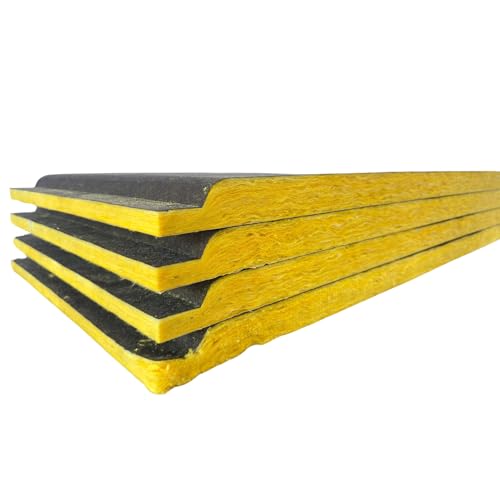
Superior Acoustic Performance – Designed to absorb mid- to high-frequency sounds, these fiberglass insulation boards reduce echo, reverb, and noise transfer in any environment.

R-VALUE 4.0 INSULATION: 8 pack garage door insulation panels provide approximately R-value 4.0 insulation performance for improving garage temperature control.
High-Performance Insulation and Air Sealing
Insulation acts as a thermal blanket, slowing heat transfer through walls, roofs, and floors. Higher R-values indicate greater insulating power. Consider insulation types like cellulose, mineral wool, or rigid foam panels. Proper air sealing is equally important. Gaps and cracks around windows, doors, and utility penetrations allow conditioned air to escape and unconditioned air to enter, undermining insulation’s effectiveness. Blower door tests assess airtightness, helping identify areas for improvement. A well-sealed and insulated envelope keeps your home comfortable with less energy input.
Efficient Window and Door Systems
Windows and doors are potential weak points in a building’s thermal envelope. Double-pane or triple-pane windows with low-emissivity (Low-E) coatings reflect radiative heat, keeping interiors warmer in winter and cooler in summer. Frames made from fiberglass, vinyl, or wood clad with aluminum offer better insulating properties than single-pane aluminum frames. Proper installation, including meticulous sealing, prevents air leakage. Consider orientations for window placement that maximize daylighting while minimizing unwanted heat gain.
Renewable Energy Integration
Harnessing energy from the sun or wind directly reduces reliance on fossil fuels. Photovoltaic (PV) solar panels convert sunlight into electricity, offsetting or eliminating your home’s grid electricity consumption. A well-sized PV system can generate all the power you need, potentially allowing you to sell excess electricity back to the grid. Solar thermal systems use sunlight to heat water for domestic use, reducing natural gas or electric water heating. Wind turbines are an option in areas with consistent prevailing winds, although they typically suit larger properties or off-grid scenarios. Careful planning for renewable energy integration often begins during the design phase.
Water Conservation

Water is a finite resource. Thoughtful design and technology can dramatically reduce your home’s water footprint.
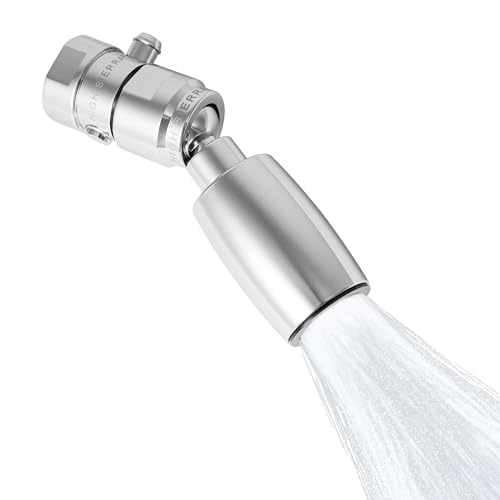
AWARD-WINNING — Work just like nature does, by colliding water to create a rain-like cascade of large, heavy, high-energy droplets. Forcefully, yet comfortably massages scalp and skin while quickly rinsing long hair. They're amazing at washing out shampoo, conditioner, and other hair products.
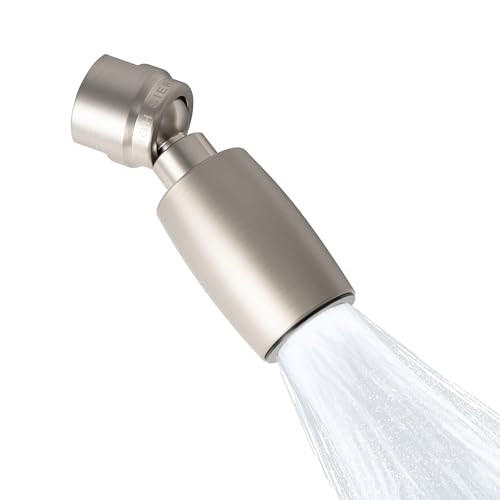
AWARD-WINNING — Work the same way nature does, by colliding water to create a rain-like cascade of large, heavy, high-energy droplets. Forcefully, yet comfortably massages scalp and skin while quickly rinsing long hair. They're amazing at washing out shampoo, conditioner, and other hair products.

Modern value: The Croma shower collection stands for modern designs and outstanding value – ideal for young families.
Low-Flow Fixtures and Appliances
Modern plumbing fixtures and appliances are designed to use less water without sacrificing performance. Low-flow showerheads, toilets, and faucets significantly reduce daily water consumption. WaterSense-labeled products meet strict efficiency standards. Energy Star-rated dishwashers and washing machines not only use less electricity, they consume less water too. A household’s daily water usage can be reduced considerably by replacing older devices.
Rainwater Harvesting Systems
Collecting rainwater from your roof provides a free, untreated water source for non-potable uses. Rainwater harvesting systems range from simple rain barrels for garden irrigation to complex systems involving cisterns, filters, and pumps for toilet flushing or laundry. Use of rainwater reduces demand on municipal water supplies and lowers stormwater runoff volumes. Implementing such a system requires consideration of roof material, storage capacity, and distribution methods.
Greywater Recycling
Greywater is wastewater from sinks, showers, and laundry – excluding toilet waste. It can be filtered and reused for irrigation or toilet flushing, significantly reducing potable water demand. Simple greywater systems might divert shower water to irrigate outdoor plants, while more complex systems involve filtration and pumping for indoor non-potable uses. Regulations regarding greywater use vary by location, so consult local codes before implementing such a system.
Sustainable house design is an essential aspect of creating eco-friendly living spaces that minimize environmental impact while maximizing comfort and efficiency. For those interested in enhancing their green lifestyle, exploring non-toxic cleaning solutions can significantly contribute to a healthier home environment. You can find valuable insights on this topic in a related article that discusses various DIY options for maintaining a greener home. To learn more about these cleaning solutions, check out the article here.
Indoor Air Quality and Ventilation
| Metric | Description | Typical Value/Range | Unit |
|---|---|---|---|
| Energy Consumption | Annual energy use for heating, cooling, lighting, and appliances | 30 – 60 | kWh/m²/year |
| Water Usage | Average daily water consumption per household | 100 – 150 | Liters/person/day |
| Insulation R-Value | Thermal resistance of building insulation | 3 – 7 | m²·K/W |
| Solar Panel Efficiency | Conversion efficiency of photovoltaic panels | 15 – 22 | % |
| Indoor Air Quality Index | Measurement of pollutants and air quality inside the house | 0 – 50 (Good) | Index |
| Carbon Footprint | Annual greenhouse gas emissions from household energy use | 2 – 5 | tons CO₂/year |
| Renewable Energy Use | Percentage of total energy consumption from renewable sources | 30 – 100 | % |
| Waste Recycling Rate | Percentage of household waste recycled or composted | 50 – 80 | % |
| Daylighting Factor | Percentage of natural light in interior spaces | 2 – 5 | % |
| Thermal Comfort Range | Indoor temperature range for occupant comfort | 20 – 26 | °C |
A healthy home is one with clean indoor air. Design decisions influence air circulation, pollutant removal, and humidity control.
Natural Ventilation Strategies
Designing your home to leverage natural air movement reduces the need for mechanical ventilation and air conditioning. Cross-ventilation, achieved by placing openings on opposite sides of a room, allows breezes to flush out stale air. Stack ventilation uses the principle of hot air rising, with high-level openings allowing warm air to escape and lower openings drawing in cooler air. Strategically placed windows, vents, and internal doors create effective air pathways. Understanding specific wind directions influences operable window placement for optimal airflow.
Mechanical Ventilation with Heat Recovery
In airtight, energy-efficient homes, natural ventilation alone may not suffice to maintain optimal air quality. Mechanical ventilation systems, such as heat recovery ventilators (HRVs) or energy recovery ventilators (ERVs), continuously bring fresh outdoor air indoors while expelling stale indoor air. They recover heat (HRV) or both heat and humidity (ERV) from the outgoing air, pre-conditioning the incoming fresh air and minimizing energy loss. They are vital for maintaining good indoor air quality in well-sealed buildings, particularly during extreme weather when windows remain closed.
Minimizing Indoor Air Pollutants
Beyond selecting low-VOC materials, other strategies exist for reducing indoor air pollutants. Proper exhaust fans in kitchens and bathrooms remove moisture and cooking fumes. Adequate filtration in HVAC systems removes particulate matter. Regularly cleaning your home also contributes to better air quality. Controlling sources of combustion, such as gas stoves or fireplaces, through proper venting matters. Your selections of furnishings, cleaning products, and even plants can influence the air you breathe inside.
By considering these aspects throughout the design and construction process, you build not just a structure, but a model of responsible living. Your decisions leave a positive mark on the environment and create a healthier, more economical home for yourself and generations to come.
FAQs
What is sustainable house design?
Sustainable house design refers to the practice of creating homes that minimize environmental impact by using energy-efficient materials, renewable energy sources, and eco-friendly construction methods. The goal is to reduce resource consumption and promote long-term environmental health.
What are common features of a sustainable house?
Common features include solar panels, energy-efficient windows and insulation, rainwater harvesting systems, use of recycled or locally sourced materials, natural ventilation, and designs that maximize natural light to reduce electricity use.
How does sustainable house design benefit homeowners?
Sustainable houses often result in lower utility bills due to reduced energy and water consumption. They also provide healthier indoor environments, increase property value, and contribute to environmental conservation by reducing carbon footprints.
Is sustainable house design more expensive to build?
While initial construction costs can be higher due to specialized materials and technologies, sustainable houses typically save money over time through reduced energy and maintenance costs. Incentives and rebates may also offset upfront expenses.
Can sustainable house design be applied to existing homes?
Yes, many sustainable design principles can be retrofitted into existing homes. This includes adding insulation, installing energy-efficient appliances, upgrading windows, and incorporating renewable energy systems like solar panels.
Enjoying our content? Make us a preferred source on Google.
Add us as a Preferred Source on Google