
Your home can be a powerful tool for fostering a sustainable lifestyle. Designing with an ecological conscience means making choices that reduce your environmental footprint, conserve resources, and promote wellbeing. You are the architect of your own sustainable sanctuary.
Green home design is not merely a trend; it’s a thoughtful approach to construction and renovation that prioritizes the health of both its inhabitants and the planet. You are constructing a living system where every component plays a part in a harmonious whole. Think of your home as an extension of the natural world, rather than an intrusion upon it.
Reducing Environmental Impact
The primary goal of an eco-friendly design is to minimize the negative consequences your home has on the environment. This involves careful consideration of material sourcing, energy consumption, water usage, and waste generation. You are choosing to build with foresight, anticipating the long-term effects of your decisions.
Material Selection: The Foundation of Sustainability
The materials you choose form the bedrock of your sustainable home. Opting for renewable, recycled, or locally sourced materials significantly curtails the environmental burden associated with extraction, manufacturing, and transportation. You are selecting elements that have a lower embodied energy, meaning less energy was expended to produce them.
Renewable Resources: Wood and Bamboo
Wood, when sourced responsibly from sustainably managed forests, is a renewable building material. Look for certifications like FSC (Forest Stewardship Council) to verify sustainable harvesting practices. Bamboo, a fast-growing grass, offers a strong and versatile alternative for flooring, cabinetry, and even structural elements. Its rapid growth cycle makes it a highly renewable resource. You are choosing materials that can replenish themselves.
Recycled Content: Giving New Life to Old Materials
Incorporating materials with recycled content diverts waste from landfills. Recycled steel, glass, and even plastic are finding their way into construction. Recycled aggregate can be used in concrete mixes, reducing the need for virgin materials. You are participating in a circular economy, transforming waste into valuable building components.
Local Sourcing: Minimizing Transportation Footprints
Using materials produced close to your building site reduces the carbon emissions associated with transportation. Local procurement also supports regional economies. You are building with a connection to your immediate surroundings, fostering a sense of place.
Energy Efficiency: The Heartbeat of a Green Home
An energy-efficient home requires less energy to heat, cool, and operate, directly translating to lower utility bills and a reduced strain on power grids. You are creating a home that “breathes” intelligently, managing its internal climate with minimal external support.
Insulation: The Protective Shell
Proper insulation is paramount for maintaining a stable indoor temperature. High-performance insulation in walls, attics, and foundations prevents heat loss in winter and heat gain in summer. You are creating a thermal barrier, keeping warmth in when you need it and out when you don’t. Consider different types of insulation, such as fiberglass, mineral wool, cellulose, or spray foam, each with its own R-value (a measure of thermal resistance).
Advanced Framing Techniques
These techniques can reduce the amount of lumber needed for framing, creating more space for insulation and improving thermal performance. You are optimizing structural integrity while maximizing efficiency.
Windows and Doors: Letting Light In, Keeping Energy In
Energy-efficient windows and doors are crucial. Look for double or triple-pane glass with low-emissivity (low-E) coatings and inert gas fills, which reduce heat transfer. Proper sealing and weatherstripping around openings prevent drafts. You are controlling how your home interacts with the outside, balancing natural light with thermal control.
Passive Solar Design: Harnessing the Sun’s Power
Passive solar design utilizes the sun’s energy for heating and lighting without mechanical systems. Orienting your home to maximize sunlight exposure in winter and minimize it in summer is key. Overhangs and shading devices can control solar gain. You are working with the sun’s natural rhythms.
Water Conservation: Precious Drops, Smart Use
Water is a finite resource, and conserving it in your home is a responsible practice. You are treating water not as an endless supply, but as a precious commodity.
Low-Flow Fixtures: Efficient Water Usage
Installing low-flow toilets, showerheads, and faucets significantly reduces water consumption without compromising performance. You are squeezing more utility out of every drop.
Rainwater Harvesting: Capturing Nature’s Gift
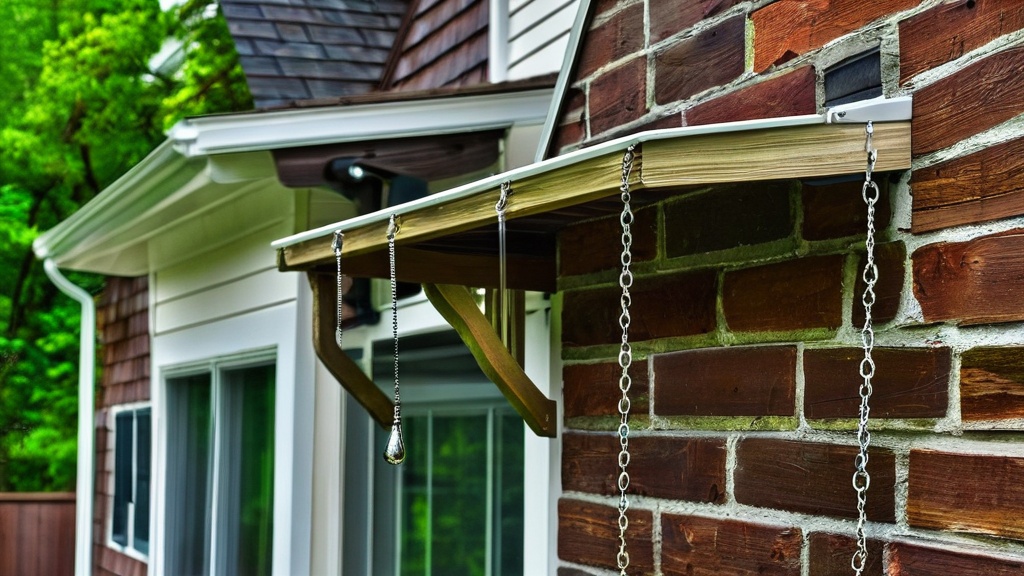
Collecting rainwater from your roof for irrigation or even non-potable indoor uses like flushing toilets can drastically reduce your reliance on municipal water supplies. You are creating a reservoir, supplementing your water needs with natural precipitation.
Greywater Systems: Reusing What’s Left
Greywater, which is gently used water from showers, sinks, and washing machines (excluding toilet water), can be treated and reused for irrigation or toilet flushing. You are closing the water loop, giving water a second purpose.
For those interested in incorporating sustainable practices into their living spaces, a great resource is the article on DIY eco-friendly decor ideas. This piece provides innovative ways to transform everyday items into beautiful home decor, promoting both creativity and environmental responsibility. You can read more about these inspiring concepts by visiting this link.
Integrating Renewable Energy Sources
Moving beyond reducing consumption, actively generating your own clean energy further solidifies your commitment to sustainability. You are transforming your home into a miniature power plant, contributing to a cleaner energy future.

System Components:Delivers up to 10kW power output with 120V/240V single-phase split-phase support, making it suitable for smoothly running common household appliances. The system includes 5 × 590W solar panels with a total PV capacity of 2950W, capable of generating up to 11.8 kWh per day under optimal conditions, along with one 48V 314Ah portable LiFePO₄ battery offering 16.1 kWh of energy storage. Complete with necessary cables, this all-in-one solar solution is designed for convenient setup and reliable home power support.

System Components:Delivers up to 10kW power output with 120V/240V single-phase split-phase support, making it suitable for smoothly running common household appliances. The system includes 18 × 590W solar panels with a total PV capacity of 10620W, capable of generating up to 39.36 kWh per day under optimal conditions, along with two 48V 314Ah portable LiFePO₄ battery offering 32.2 kWh of energy storage. Complete with necessary cables, this all-in-one solar solution is designed for convenient setup and reliable home power support.

Solar Power: The Sun’s Generosity
Photovoltaic (PV) solar panels convert sunlight directly into electricity. Installing them on your roof can offset your electricity bills and even allow you to sell excess power back to the grid. You are tapping into an inexhaustible energy source.
Sizing Your Solar Array
The size of your solar system depends on your energy needs and available roof space. A professional assessment can help you determine the optimal array size. You are making an informed investment in your energy independence.
Battery Storage: Storing Sunshine
Battery storage systems allow you to store excess solar energy generated during the day for use at night or during power outages. This increases your self-sufficiency and resilience. You are building a buffer against energy fluctuations.
Wind Energy: Harnessing the Breeze
In areas with consistent wind, small residential wind turbines can be a viable option for generating electricity. You are capturing the kinetic energy of the wind.
Turbine Placement and Regulations
Proper placement is vital for efficient operation and to comply with local regulations regarding noise and aesthetics. You are considering the practicalities of integrating wind power.
Geothermal Heating and Cooling: Earth’s Steady Temperature
Geothermal systems use the stable temperature of the earth to heat and cool your home. Pipes buried underground circulate fluid, absorbing heat from the earth in winter and dissipating heat into the earth in summer. You are leveraging the planet’s natural thermal regulation.
Ground Source Heat Pumps
These systems are highly efficient and can significantly reduce energy consumption for heating and cooling. You are tapping into a consistent and reliable source of temperature control.
Creating Healthy Indoor Environments
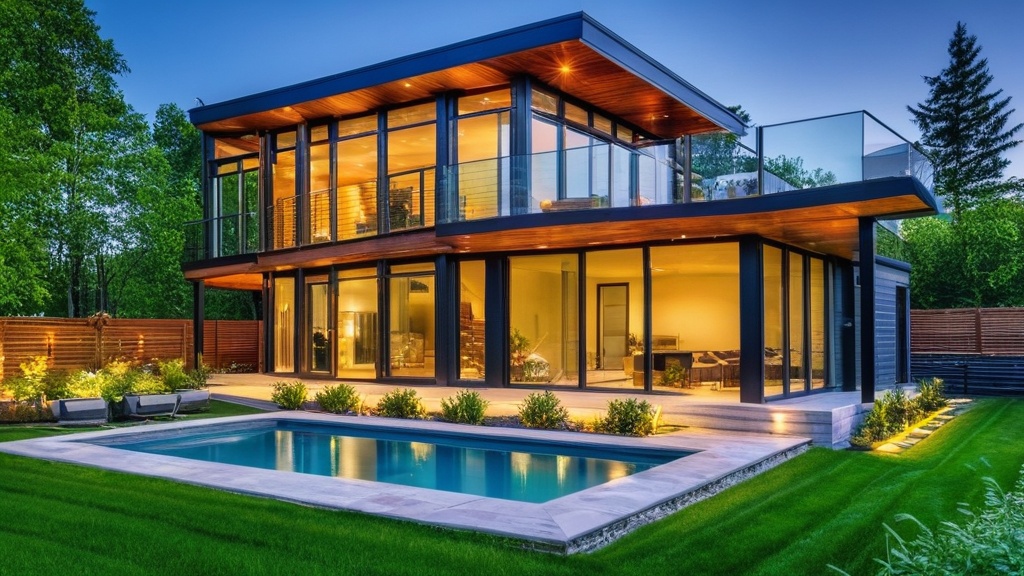
A green home isn’t just good for the planet; it’s good for you. Prioritizing healthy indoor air quality and using non-toxic materials contributes to your wellbeing. You are cultivating an oasis of health and comfort within your walls.

Use for a variety of indoor and outdoor project surfaces including wood, metal, plaster, masonry or unglazed ceramic

ALL-IN-1 PAINT & PRIMER: A hardy multi-purpose and multi-surface one-coat paint and primer in one for almost any indoor or outdoor surface. A wall, ceiling, floor, skirting board, cabinet, furniture and door paint for your bathroom, kitchen, home and garden.

【One-step Furniture Paint】No need for time-consuming polishing or primer, our wood one step paint can be directly applied to your furniture,saving you time and effort in your DIY or refurbishment
Ventilation: Fresh Air Circulation
Adequate ventilation is crucial for removing pollutants and maintaining good indoor air quality. Heat or energy recovery ventilators (HRVs/ERVs) can provide fresh air while minimizing energy loss. You are ensuring a constant supply of clean air.
Natural Ventilation Strategies
Opening windows and strategically placing them to create cross-breezes can provide natural ventilation. You are utilizing nature’s own airflow system.
Non-Toxic Materials and Finishes: Breathing Easier
Many conventional building materials and finishes release volatile organic compounds (VOCs) into the air, which can be harmful to your health. Opt for low-VOC paints, adhesives, flooring, and furniture. You are creating a home where you can breathe freely.
Natural Paints and Finishes
Milk paints, clay plasters, and natural oil finishes are good alternatives to conventional products. You are choosing ingredients that are kind to both you and the environment.
Avoiding Off-Gassing Products
Be mindful of furniture and building components that may off-gas harmful chemicals. Look for certifications that indicate low VOC emissions. You are making informed choices about the air you breathe.
Biophilic Design: Connecting with Nature
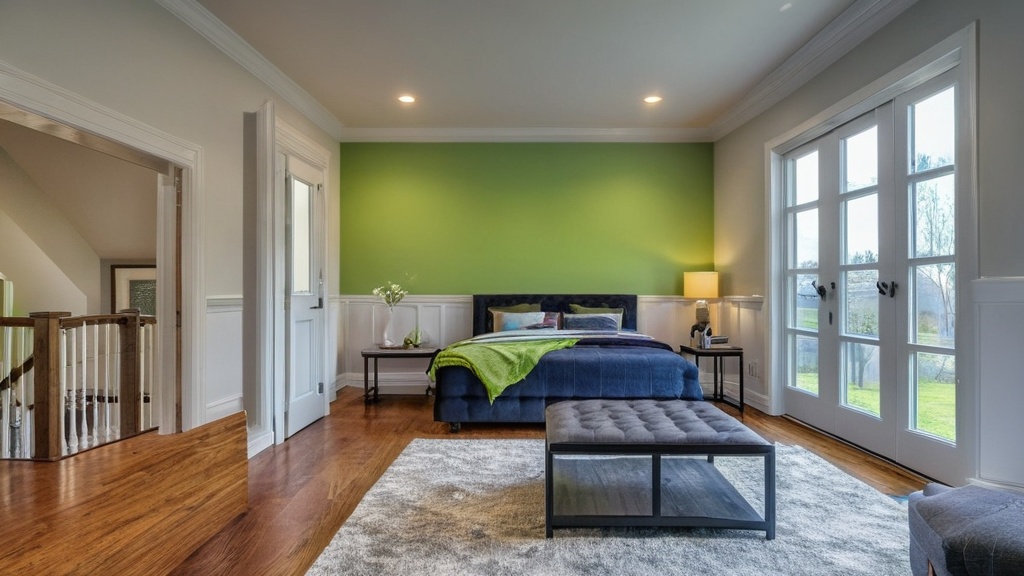
Biophilic design incorporates natural elements, patterns, and processes into the built environment. This can include bringing in natural light, incorporating plants, using natural materials, and creating views of nature. You are weaving the essence of the outdoors into your indoor living space.
Indoor Plants: Living Air Purifiers
Houseplants not only add aesthetic appeal but also help to improve indoor air quality by filtering out certain pollutants. You are inviting living organisms to contribute to your home’s health.
Natural Light: The Sunshine Prescription
Maximizing natural light reduces the need for artificial lighting and has positive effects on mood and productivity. You are allowing daylight to illuminate your life.
Smart Technology for Sustainable Living

Modern technology offers numerous ways to optimize your home’s performance and your lifestyle. You are becoming a conductor of an intelligent, efficient symphony of systems.

An Alexa thermostat – Amazon Smart Thermostat is an easy way to switch from a traditional thermostats for homes and help reduce energy usage.

Save up to 23% every year on heating and cooling costs, adjusts to your set schedule to save energy when you’re gone and optimize comfort when you’re home. Compared to a hold of 72

PRIVACY PROTECTION*: Sensi won’t sell your personal information to third parties
Smart Thermostats: Intelligent Climate Control
Smart thermostats learn your habits and adjust your home’s temperature accordingly, saving energy when you’re away or asleep. You are delegating climate management to an intelligent system.
Programmable Schedules
Setting schedules for heating and cooling optimizes energy use based on your daily routine. You are dictating energy efficiency with precision.
Remote Control and Monitoring
Many smart thermostats can be controlled and monitored remotely via smartphone apps, allowing you to adjust settings even when you’re not home. You are maintaining control from afar.
Energy Monitoring Systems: Understanding Your Usage
These systems provide real-time data on your home’s energy consumption, helping you identify areas where you can reduce usage. You are gaining insight into your energy habits.
Identifying Energy Hogs
By tracking appliance usage, you can pinpoint devices that consume disproportionately more energy. You are learning where your energy is going.
Behavioral Changes Through Data
Visualizing your energy consumption can motivate you to make lifestyle changes that lead to greater efficiency. You are using information to drive action.
Smart Appliances: Efficiency in Operation
Many modern appliances are designed with energy efficiency in mind. Look for ENERGY STAR certified models. You are selecting tools that perform their tasks with minimal energy input.
Optimizing Operational Cycles
Some smart appliances can optimize their cycles based on grid demand or time-of-use electricity rates, further reducing costs and environmental impact. You are allowing appliances to work smarter, not just harder.
Incorporating environmentally friendly practices into home design not only enhances sustainability but also reduces energy consumption significantly. One effective way to achieve this is by using LED lighting, which is known for its efficiency and longevity. For more insights on how LED bulbs can contribute to energy savings, you can read this informative article on the topic. Discover the benefits of making the switch to LED lighting by visiting this link.
The Long-Term Benefits of Green Home Design
| Metric | Description | Typical Range/Value | Environmental Impact |
|---|---|---|---|
| Energy Consumption | Annual energy use per square meter | 30-50 kWh/m²/year | Lower energy use reduces carbon footprint |
| Water Efficiency | Water use per person per day | 50-80 liters/person/day | Reduces strain on local water resources |
| Insulation R-Value | Thermal resistance of insulation materials | R-20 to R-40 (walls) | Improves energy efficiency by reducing heat loss |
| Renewable Energy Use | Percentage of energy from renewable sources | 20%-100% | Decreases reliance on fossil fuels |
| Indoor Air Quality | Concentration of VOCs (Volatile Organic Compounds) | Improves occupant health and comfort | |
| Material Sustainability | Percentage of recycled or renewable materials used | 30%-70% | Reduces environmental impact of construction |
| Waste Reduction | Construction waste diverted from landfill | 70%-90% | Minimizes landfill use and resource depletion |
| Passive Solar Design | Orientation and window placement to maximize solar gain | Optimized for site-specific conditions | Reduces heating and lighting energy needs |
Investing in green home design yields benefits that extend far beyond initial construction costs. You are building not just a house, but a legacy of responsible living.
Reduced Utility Bills: Financial Savings
The most immediate financial benefit of a green home is the reduction in utility bills. Lower energy and water consumption translate directly into savings. You are enjoying tangible financial rewards for ecological stewardship.
Increased Property Value: A Sound Investment
Homes with sustainable features are increasingly desirable in the real estate market, often commanding higher resale values. You are increasing the intrinsic worth of your dwelling.
Improved Indoor Air Quality and Health: Your Wellbeing
The focus on healthy materials and ventilation leads to a healthier living environment, which can reduce the incidence of allergies, respiratory problems, and other health issues. You are investing in your own health and that of your family.
Environmental Stewardship: A Contribution to the Future
By reducing your environmental footprint, you are contributing to the preservation of natural resources and a healthier planet for future generations. You are leaving a positive mark on the world. Your home becomes a beacon of responsible living, a testament to your commitment to a sustainable future.
FAQs
What is environmentally friendly home design?
Environmentally friendly home design, also known as green or sustainable home design, involves creating homes that minimize environmental impact by using energy-efficient materials, renewable energy sources, water conservation techniques, and sustainable building practices.
What are some common features of an environmentally friendly home?
Common features include solar panels, energy-efficient windows and insulation, rainwater harvesting systems, use of non-toxic and recycled materials, natural lighting, and designs that maximize ventilation and reduce energy consumption.
How does environmentally friendly home design benefit homeowners?
It reduces utility bills through energy and water efficiency, improves indoor air quality, increases comfort, enhances property value, and contributes to environmental conservation by lowering carbon footprints.
Are environmentally friendly homes more expensive to build?
While initial construction costs can be higher due to specialized materials and technologies, long-term savings on energy and water bills often offset these costs. Additionally, incentives and rebates may be available to reduce upfront expenses.
Can existing homes be modified to be more environmentally friendly?
Yes, existing homes can be retrofitted with energy-efficient appliances, improved insulation, solar panels, water-saving fixtures, and sustainable landscaping to enhance their environmental performance.
Enjoying our content? Make us a preferred source on Google.
Add us as a Preferred Source on Google