
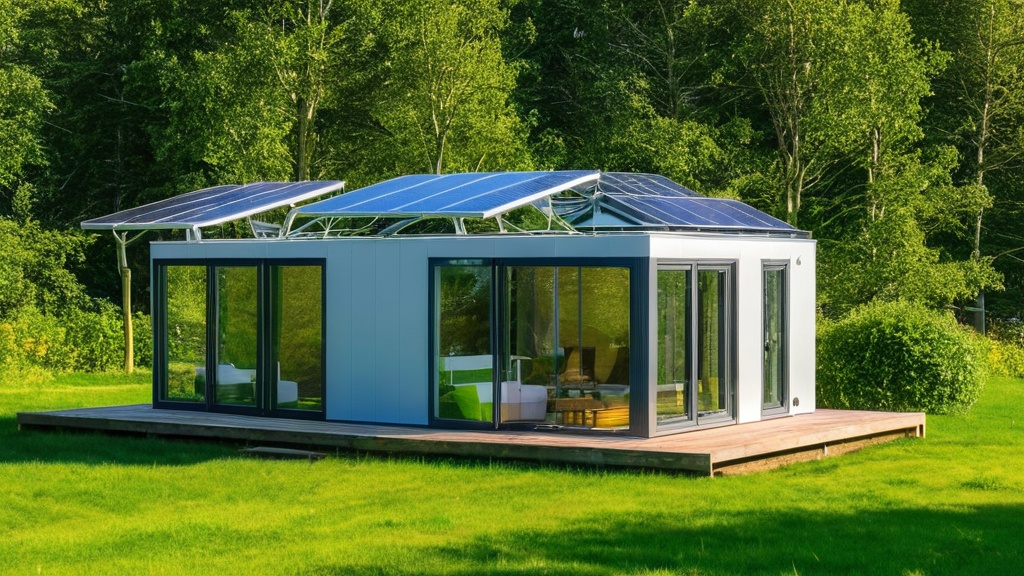
You stand at a crossroads, a point where the choices you make today will echo through the future. The concept of a self-sustaining home represents a profound shift in how you interact with your environment, a move away from consumption towards a symbiotic relationship. Imagine your dwelling not as a drain on resources, but as a living organism, capable of generating its own power, managing its own waste, and growing its own nourishment. This vision is not science fiction; it is an achievable reality, a cornerstone for a sustainable future.
Your home’s relationship with energy is a primary driver of its self-sufficiency. For centuries, you’ve relied on external power grids, often fueled by finite resources. A self-sustaining home actively breaks this dependence, becoming its own power plant.
Harnessing the Sun’s Radiance
Solar panels are your most apparent allies in achieving energy independence. These photovoltaic marvels convert sunlight directly into electricity, directly feeding your home’s needs.
Photovoltaic Panel Technology
Modern solar panels are remarkably efficient, transforming a larger percentage of sunlight into usable energy than ever before. Their durability means they can withstand various weather conditions, providing a consistent power source for decades. You can think of them as mini-suns captured on your rooftop, diligently working to power your life.
Battery Storage Systems
The sun doesn’t shine at night nor on cloudy days, creating an intermittent power source. Battery storage systems act as your home’s energy reservoir. They capture surplus energy generated during peak sunlight hours, allowing you to draw upon it when production dips. This stored energy acts like a well, providing water even when the rain has stopped.
Grid-Tied vs. Off-Grid Systems
You have choices regarding your solar setup. A grid-tied system still connects you to the public utility, allowing you to sell excess power back to the grid or draw from it when your solar production is insufficient. An off-grid system is entirely independent, requiring a robust battery bank and possibly a backup generator, affording complete autonomy.
Capturing the Wind’s Might
Wind turbines, even small residential models, can contribute significantly to your home’s energy portfolio. They are another way to tap into a readily available, renewable resource.
Small-Scale Wind Turbine Design
Improvements in aerodynamic design and material science have made residential wind turbines more effective and less obtrusive. They convert the kinetic energy of wind into rotational energy, which is then used to generate electricity.
Wind Resource Assessment
Before installing a wind turbine, you must assess your location’s wind potential. Areas with consistent, moderate winds are ideal. Obstructions like trees or buildings can create turbulence, reducing efficiency. It’s like choosing the best spot in a flowing river to place your water wheel.
Geothermal Energy’s Deep Well of Power
The earth itself offers a stable temperature source, a constant thermal battery beneath your feet. Geothermal systems utilize this natural reservoir for heating and cooling.
Ground Source Heat Pumps
These systems circulate a fluid through underground pipes. In winter, the fluid absorbs heat from the earth and transfers it into your home. In summer, the process reverses, drawing heat from your home and dissipating it into the earth. This method offers consistent temperature regulation with minimal energy input.
Vertical vs. Horizontal Loops
Installation of geothermal systems can involve digging vertical boreholes or laying horizontal pipes. The choice depends on your property size, soil conditions, and budget. Both methods tap into the earth’s stable internal temperature.
Biogas Generation: Waste as a Resource
Your daily waste, from kitchen scraps to organic byproducts, holds untapped energy potential. Biogas digesters convert this organic matter into methane, a usable fuel.
Anaerobic Digestion Process
Microorganisms break down organic material in a sealed, oxygen-free environment. This process releases biogas, a mixture primarily of methane and carbon dioxide. You can then use this biogas for cooking, heating, or even generating electricity. This is akin to turning yesterday’s leftovers into tomorrow’s fuel.
Biogas Applications in the Home
Collected biogas can power a specialized stove or be used in a generator. The digestate, the leftover material from the process, is a nutrient-rich fertilizer, completing a closed-loop system.
Self-sustaining homes are an innovative solution for those looking to reduce their environmental impact while enjoying a more independent lifestyle. For further insights on sustainable living, you might find the article on living waste-free on a budget particularly helpful. It offers practical tips and strategies for minimizing waste in your daily life, which complements the principles of self-sustaining homes. You can read more about it here: How Can I Live Waste-Free on a Budget?.
Water Wisdom: Conservation and Reclamation
Water is life, and the ability to manage your water resources within your home is as vital as energy independence. Self-sustaining homes treat water as a precious commodity, aiming to reduce consumption and reuse what is available.

【Leak-Proof Design】Unlike typical rain barrels, our product features an integrated design with a straightforward screw-in faucet, eliminating the hassle of assembling multiple parts. This thoughtful construction guarantees a leak-proof system and simple installation
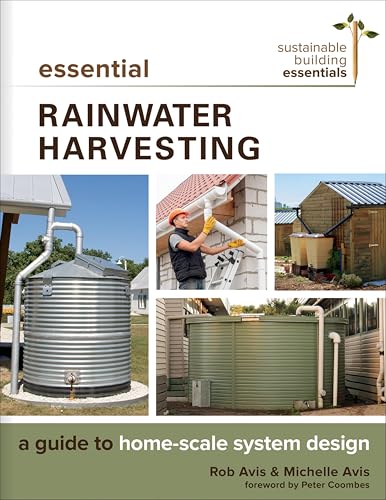

95%+ Capture Efficiency
Rainwater Harvesting Systems
Collecting and storing rainwater is a fundamental practice for water self-sufficiency. Your roof becomes a catchment area, channeling precipitation into storage tanks.
Collection Methods and Gutters
Properly designed gutters and downspouts direct rainwater efficiently to your collection system, minimizing loss and debris. You must clean these regularly to prevent clogs.
Storage Tanks and Filtration
Rainwater is typically stored in large tanks, either above or below ground. Filtration systems are crucial to remove debris and, depending on intended use, purify the water for drinking. Consider these tanks as your personal reservoirs, ready to quench your thirst.
Legal and Health Considerations
Regulations regarding rainwater harvesting vary by location. You must be aware of local laws and implement appropriate filtration and treatment to ensure water safety, especially for potable use.
Greywater Recycling: A Second Life for Water
Water from sinks, showers, and laundry machines, known as greywater, can be treated and reused for non-potable purposes. This significantly reduces your reliance on fresh water sources.
Greywater System Design
Simple systems can involve diverting greywater to garden irrigation. More complex systems incorporate filtration and purification processes for use in toilet flushing or even laundry. Imagine your shower water getting a second chance to be useful.
Applications in the Home and Garden
Greywater is excellent for irrigating your gardens, providing a consistent water supply for your plants. It can also be used to refill toilet cisterns, reducing the demand on your fresh water supply.
Blackwater Treatment: From Waste to Resource
Blackwater, wastewater from toilets containing human waste, presents a greater challenge. Advanced systems can treat blackwater, rendering it safe for disposal or even further reuse.
Composting Toilets
These dry systems break down waste through composting, eliminating the need for significant amounts of water. The resulting compost can be safely used as fertilizer.
Constructed Wetlands and Bioreactors
These engineered systems mimic natural processes to treat wastewater. Microorganisms and plants work together to break down contaminants, purifying the water. These are your home’s natural purification gardens.
Nourishment from the Land: Urban Agriculture and Food Security
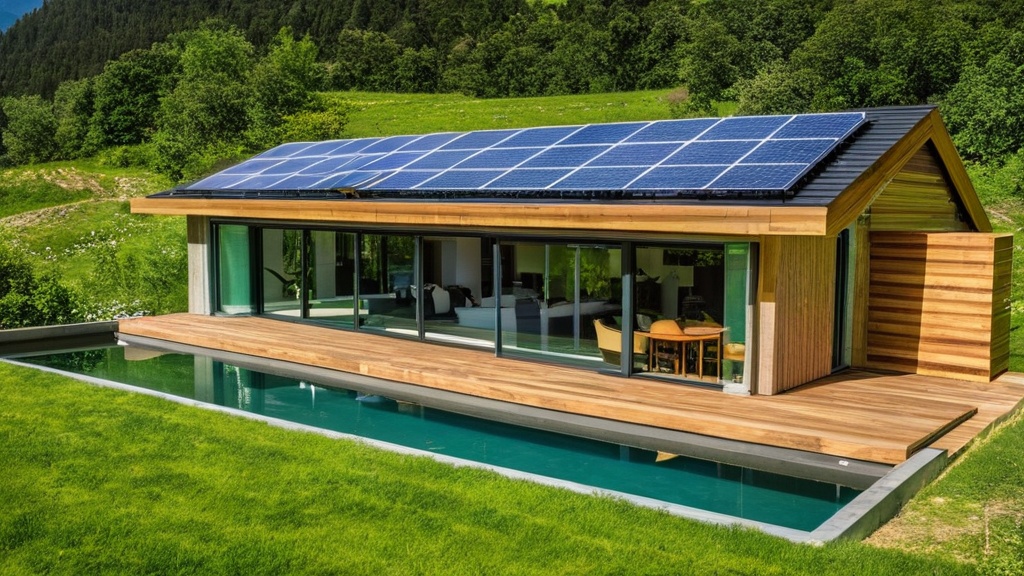
A self-sustaining home extends beyond shelter and utilities; it encompasses the ability to produce a portion of your own food, fostering a direct connection to your sustenance.

Efficient Growing: This hydroponic tower features a 10-tier vertical design with 50 plant pods. It maximizes growing efficiency in compact spaces like kitchens and balconies while supporting a greener lifestyle

【Smart Top to Bottom Watering & Nutrient Circulation】The timed pump delivers water from the top down through all 14 layers, ensuring every plant receives consistent moisture and nutrients. Unlike drip systems that clog, this flow design minimizes waste and prevents dry spots—so your tower garden thrives with less effort.

【HIGH-YIELD 30-POD STRUCTURE】6-layer vertical farming system supports 30 plants simultaneously – Ideal for strawberries, tomatoes, lettuce, herbs and vegetable seeds cultivation
Integrated Home Gardening and Edible Landscaping
Your home’s surroundings offer fertile ground for food production. Integrating edible plants into your landscaping creates a functional and beautiful space.
Raised Garden Beds and Vertical Farms
Raised beds offer better soil control and accessibility. Vertical farming systems maximize space in urban environments, allowing you to grow a significant amount of produce on a small footprint. Think of these as vertical fields of deliciousness.
Permaculture Principles for Homeowners
Permaculture designs create self-sufficient agricultural ecosystems. By observing natural patterns, you can design your garden to mimic these systems, requiring less input and producing more output. It’s like learning to farm with nature, rather than against it.
Hydroponics and Aquaponics: Water-Based Cultivation
Modern techniques allow you to grow food with minimal soil, or even no soil at all, using water as the primary medium.
Hydroponic Systems Explained
Hydroponics involves growing plants in nutrient-rich water solutions. Various systems exist, from deep water culture to nutrient film technique, each suited for different plant types. You are essentially feeding your plants a vitamin-rich shake.
Aquaponic Systems: Fish and Plants in Harmony
Aquaponics combines aquaculture (fish farming) and hydroponics. Fish waste provides nutrients for the plants, while the plants filter the water for the fish. This symbiotic relationship creates a highly efficient food production system. This is a miniature ecosystem thriving in your backyard.
Food Preservation and Storage Techniques
Producing food is only half the battle; preserving it extends its availability throughout the year, further reducing your reliance on external food sources.
Canning, Drying, and Fermenting
These traditional methods allow you to store harvested produce for extended periods. Canning seals food in jars, drying removes moisture, and fermentation uses beneficial bacteria to preserve food and create new flavors. These are your home’s pantry preservation methods.
Root Cellars and Cool Storage
For root vegetables and other long-storing items, a cool, dark space like a root cellar or a dedicated cool pantry provides ideal conditions.
Waste Management: The Circular Economy Within Your Walls

A self-sustaining home operates on the principle of a circular economy, where waste is minimized and resources are continually reused, moving away from the linear “take-make-dispose” model.

🌲【Rapid & Effective Vermicomposting】- The Blütezeit worm composter speeds up composting by breaking down organic waste quickly. It turns waste into nutrient-rich compost faster than traditional methods, giving you high-quality compost for your plants in less time.

Compact, High-Efficiency Footprint Designed to maximize composting capacity while minimizing floor space.

Composting Organic Waste
As mentioned with biogas, composting is a cornerstone of organic waste management. It turns kitchen scraps, yard trimmings, and other organic materials into valuable compost.
Different Composting Methods
You can choose from various composting methods, including hot composting for faster results, cold composting for a slower process, or vermicomposting using earthworms. Each method has its benefits depending on your needs.
Benefits of Homegrown Compost
The compost you create enriches your garden soil, improving its fertility, water retention, and overall health. It’s like giving your garden the best natural fertilizer money can’t buy.
Recycling and Upcycling Strategies
Beyond organic waste, you must consider other materials. Effective recycling and creative upcycling reduce the amount of waste sent to landfills.
Material Sorting and Preparation
Understanding what can be recycled in your area and properly preparing materials (cleaning, separating) optimizes the recycling process.
Creative Reuse of Materials
Upcycling involves transforming discarded items into products of higher value or quality. An old tire can become a planter, and discarded lumber can form new furniture. This is where imagination transforms trash into treasure.
Reducing Consumption: The First Line of Defense
The most effective waste management strategy is to reduce the amount of waste generated in the first place. This involves conscious consumerism and mindful living.
Mindful Purchasing Decisions
Before buying anything, ask yourself if you truly need it and if there’s a more sustainable alternative. Opt for products with minimal packaging and those made from recycled or durable materials.
Repair and Maintenance Culture
Instead of replacing broken items, focus on repairing them. A culture of repair extends the lifespan of products and reduces the need for new manufacturing. Your toaster doesn’t have to be disposable; it can often be fixed.
Self-sustaining homes are becoming increasingly popular as people seek to reduce their environmental impact and live more sustainably. A fascinating aspect of this movement is the concept of zero waste, which emphasizes minimizing waste in daily life. For those interested in exploring this idea further, you can read about it in the article on zero waste living found here. By integrating principles of self-sustainability and waste reduction, homeowners can create a more eco-friendly lifestyle that benefits both themselves and the planet.
Community Integration: Sharing Resources and Knowledge
| Metric | Description | Typical Value | Unit |
|---|---|---|---|
| Energy Consumption | Average annual energy used by the home | 3,000 – 5,000 | kWh/year |
| Solar Panel Capacity | Installed photovoltaic system size | 4 – 8 | kW |
| Water Usage | Average daily water consumption | 50 – 80 | liters/person/day |
| Rainwater Harvesting Capacity | Storage capacity for collected rainwater | 1,000 – 5,000 | liters |
| Wastewater Recycling | Percentage of wastewater treated and reused | 60 – 90 | % |
| Insulation R-Value | Thermal resistance of building insulation | 20 – 40 | m²·K/W |
| Carbon Footprint Reduction | Reduction in CO2 emissions compared to conventional homes | 50 – 80 | % |
| On-site Food Production | Area dedicated to growing food | 20 – 100 | m² |
Self-sustainability is not an isolated pursuit. Connecting with your community amplifies your efforts and fosters a resilience that extends beyond your own property lines.
Local Food Networks and Sharing Economies
Participating in local food swaps, community gardens, and sharing platforms allows you to access a wider variety of produce and share your own bounty. This builds a stronger, more resilient local food system.
Skill Sharing and Workshops
Organizing or attending workshops on topics like solar installation, gardening, or food preservation allows you to learn from others and share your own expertise. Knowledge is a resource that grows when shared.
Collaborative Energy and Water Projects
Pooling resources with neighbors for larger solar installations, community water management systems, or shared composting facilities can lead to greater efficiency and cost savings. Together, you can achieve more than you could alone.
Advocating for Sustainable Policies
As you become more knowledgeable, you can become an advocate for local policies that support sustainable living, such as incentives for renewable energy or improved waste management infrastructure. Your voice contributes to a larger movement.
Your self-sustaining home is a testament to your commitment to a healthier planet and a more resilient future. It is a continuous process of learning, adaptation, and innovation. By understanding and implementing these principles, you are not just building a house; you are cultivating a legacy of responsibility and foresight for generations to come.
FAQs
What is a self-sustaining home?
A self-sustaining home is a residence designed to operate independently from external resources by generating its own energy, managing water supply, and often producing food. These homes aim to minimize environmental impact and reduce reliance on public utilities.
How do self-sustaining homes generate their own energy?
Self-sustaining homes typically use renewable energy sources such as solar panels, wind turbines, or geothermal systems to produce electricity. They may also incorporate energy storage solutions like batteries to ensure a consistent power supply.
What water management systems are used in self-sustaining homes?
These homes often include rainwater harvesting systems, water recycling, and greywater treatment to reduce water consumption. Some also use wells or natural water sources, combined with filtration systems, to maintain a reliable water supply.
Can self-sustaining homes produce their own food?
Yes, many self-sustaining homes incorporate gardens, greenhouses, or aquaponic systems to grow fruits, vegetables, and herbs. This helps reduce dependence on external food sources and promotes sustainable living.
What are the benefits of living in a self-sustaining home?
Benefits include reduced utility costs, lower environmental impact, increased resilience to power or water outages, and greater independence. Additionally, these homes often promote healthier lifestyles through sustainable practices and connection to nature.
Enjoying our content? Make us a preferred source on Google.
Add us as a Preferred Source on Google