
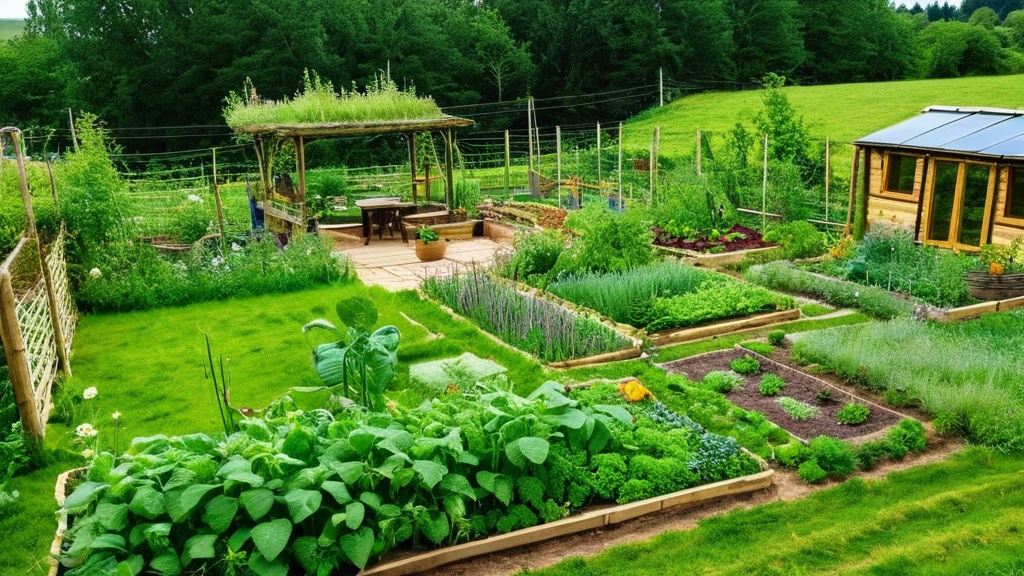
Permaculture design represents a holistic approach to creating sustainable and self-sufficient ecosystems. We recognize that this method integrates various elements of agriculture, ecology, and landscape design to foster environments that work in harmony with nature. The concept originated in the 1970s, developed by Bill Mollison and David Holmgren, who sought to create systems that mimic natural ecosystems while providing for human needs. As we explore this design philosophy, we uncover its potential to transform our relationship with the land and promote resilience in our communities.
A key aspect of permaculture design lies in its focus on observing and understanding natural patterns. We must take the time to study the local environment, including climate, soil types, and existing flora and fauna. This observation allows us to make informed decisions about how to best utilize the land. Rather than imposing our will on nature, we learn to work with it, creating systems that are not only productive but also regenerative. This approach fosters biodiversity, enhances soil health, and promotes a balanced ecosystem that can thrive over time.
For those interested in enhancing their understanding of sustainable practices, a related article titled “Eco-Warrior Parents: Inspiring Sustainable Living” provides valuable insights into eco-friendly parenting and lifestyle choices.
This article complements the concepts introduced in “Introduction to Permaculture Design at Home” by emphasizing the importance of sustainable living in everyday family life.
You can read more about it here: com/natural-ingredients-that-make-effective-household-cleaners/’>article.
Choosing the Right Plants:
Topic Metrics Number of Participants 50 Duration 2 days Topics Covered Permaculture principles, design techniques, sustainable gardening Feedback Positive Selecting appropriate plants is a critical step in establishing a successful permaculture garden. We must consider factors such as climate, soil type, and local biodiversity when making our choices. Native plants often thrive in local conditions and require less maintenance than non-native species. By prioritizing native flora, we can support local wildlife and promote ecological balance within our gardens.
In addition to native plants, incorporating perennial species can provide long-term benefits. Perennials require less frequent replanting and often have deeper root systems that improve soil health over time. We can create a diverse planting scheme that includes fruit trees, berry bushes, herbs, and vegetables to ensure a continuous harvest throughout the seasons. This diversity not only enhances our diets but also contributes to a more resilient ecosystem.
In exploring the principles of permaculture design at home, it’s essential to consider how sustainable practices can be integrated into everyday living. One fascinating aspect is the use of renewable energy sources, such as solar panels, which can significantly enhance the sustainability of a permaculture system. For a deeper understanding of this topic, you might find it helpful to read about the environmental benefits of solar energy in this article on the environmental impact of solar panels. This resource highlights why every home should consider adopting solar technology as part of their eco-friendly initiatives.
Managing Water and Energy:
Effective water management is vital in permaculture design, especially in regions prone to drought or water scarcity. We can implement techniques such as rainwater harvesting to capture and store precipitation for later use. Swales—shallow ditches designed to slow down water runoff—can help direct water to where it is needed most while preventing erosion.
Energy management is equally important in creating sustainable systems. Utilizing renewable energy sources such as solar panels or wind turbines can reduce reliance on fossil fuels. Designing our gardens with energy efficiency in mind allows us to create microclimates that provide shelter from harsh weather conditions while maximizing sunlight exposure for plants. This thoughtful approach not only conserves resources but also promotes a more sustainable lifestyle.
Composting and Soil Health:
Composting plays a vital role in maintaining soil health within permaculture systems. We can transform kitchen scraps, yard waste, and other organic materials into nutrient-rich compost that enriches the soil. This process not only reduces waste but also enhances soil structure and fertility. By incorporating compost into our gardens, we promote healthy plant growth while minimizing the need for synthetic fertilizers.
Soil health extends beyond composting; it involves fostering a diverse ecosystem of microorganisms that contribute to nutrient cycling. Practices such as minimal tillage help preserve soil structure and protect beneficial organisms from disturbance. Cover crops can further enhance soil health by preventing erosion and adding organic matter when tilled back into the ground. Together, these practices create a thriving environment for plants while promoting long-term sustainability.
Maintaining Your Permaculture Garden:
Ongoing maintenance is essential for ensuring the success of our permaculture gardens over time. Regular observation allows us to identify any issues early on, whether it be pest infestations or nutrient deficiencies. We must remain attentive to the needs of our plants and adjust our practices accordingly to promote their health and productivity.
Seasonal tasks such as pruning, mulching, and crop rotation help maintain balance within the ecosystem. Engaging with the garden regularly fosters a deeper connection to the land while providing opportunities for learning and growth. As we cultivate our permaculture gardens, we not only reap the benefits of fresh produce but also contribute to a more sustainable future for ourselves and generations to come.
FAQs
What is permaculture design?
Permaculture design is a sustainable approach to designing human settlements and agricultural systems that mimic the relationships found in natural ecosystems. It aims to create harmonious and productive environments for people, plants, and animals.
What are the key principles of permaculture design?
The key principles of permaculture design include observing and interacting with nature, capturing and storing energy, obtaining a yield, applying self-regulation and accepting feedback, using and valuing renewable resources and services, producing no waste, designing from patterns to details, integrating rather than segregating, using small and slow solutions, and valuing diversity.
How can permaculture design be applied at home?
Permaculture design can be applied at home by creating a sustainable and productive garden, using renewable energy sources, conserving water, implementing natural building techniques, and practicing sustainable living habits such as composting and recycling.
What are the benefits of implementing permaculture design at home?
Implementing permaculture design at home can lead to increased self-sufficiency, reduced environmental impact, improved biodiversity, enhanced resilience to climate change, and a more holistic and harmonious way of living.
Where can I learn more about permaculture design?
There are numerous resources available for learning about permaculture design, including books, online courses, workshops, and permaculture design certification programs. Additionally, joining local permaculture groups and visiting permaculture demonstration sites can provide valuable hands-on learning experiences.
Enjoying our content? Make us a preferred source on Google.
Add us as a Preferred Source on Google