
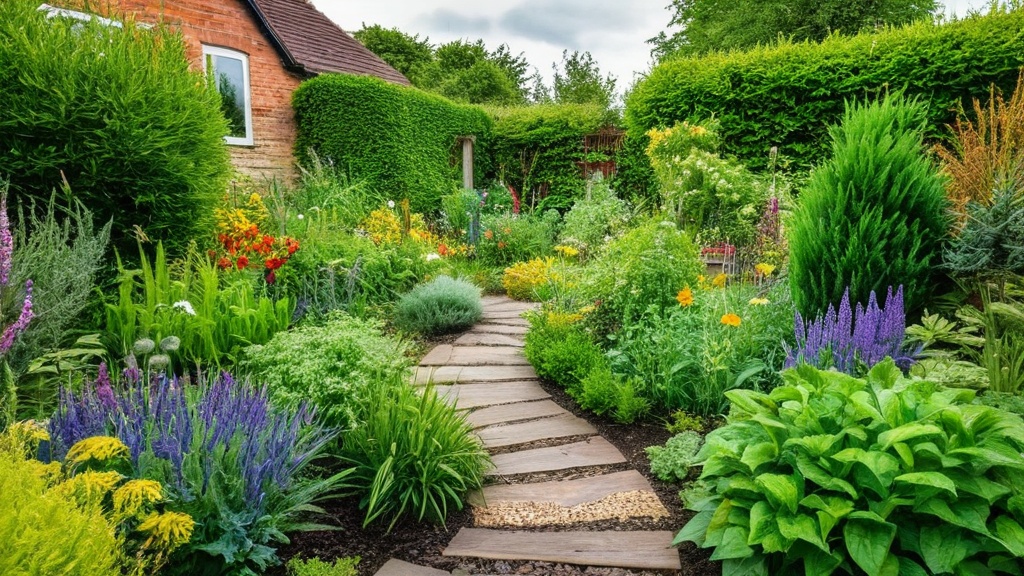
Rewilding represents a transformative approach to land management, focusing on restoring ecosystems to their natural state. This concept encourages the reintroduction of native species and the rehabilitation of habitats that have been altered or degraded by human activity. As we witness the alarming decline of biodiversity across the globe, rewilding emerges as a beacon of hope. It offers a pathway to restore balance within ecosystems, allowing flora and fauna to thrive in their natural environments. The importance of rewilding cannot be overstated; it plays a vital role in combating climate change, preserving endangered species, and fostering resilience in our natural world.
The benefits of rewilding extend beyond ecological restoration. Engaging in this practice fosters a deeper connection between humans and nature. As we witness the resurgence of wildlife in our surroundings, we cultivate a sense of stewardship and responsibility towards the environment. Rewilding encourages us to rethink our relationship with nature, promoting sustainable practices that benefit both ecosystems and communities.
In an era where urbanization and industrialization threaten natural habitats, embracing rewilding becomes imperative for the health of our planet and future generations.
If you’re interested in transforming your outdoor space into a thriving ecosystem, you might also find the article on reducing waste in the kitchen beneficial. It offers practical tips on how to minimize your environmental impact while preparing meals, which complements the principles of rewilding your garden by promoting sustainability in all aspects of your home. For more insights, check out the article here: How Can I Be Less Wasteful in the Kitchen?.
Key Takeaways
- Rewilding involves restoring natural habitats and reintroducing native species to promote biodiversity and ecological balance.
- Assess your garden for opportunities to rewild, such as creating wildflower meadows, adding bird feeders, or leaving areas of natural vegetation.
- Choose native plants that are well-suited to your local climate and soil conditions to support local wildlife and require less maintenance.
- Create wildlife habitats by adding features like birdhouses, bee hotels, and butterfly gardens to provide food and shelter for beneficial species.
- Practice sustainable gardening by minimizing chemical use, conserving water, and maximizing biodiversity to support a healthy ecosystem in your garden.
Assessing Your Garden: Identifying Opportunities for Rewilding
Before embarking on a rewilding project, assessing our garden space is essential. We must take stock of the existing flora and fauna, noting which species thrive and which struggle. Observing the patterns of sunlight, shade, moisture, and soil quality provides valuable insights into how we can enhance our garden’s biodiversity. Identifying areas that may benefit from rewilding can lead to exciting opportunities for transformation. Perhaps a neglected corner could become a wildflower patch, or an underutilized area might serve as a habitat for local wildlife.
Understanding the local ecosystem is crucial in this assessment phase. We should consider the native species that once flourished in our region and how we can reintroduce them into our gardens. Engaging with local conservation groups or environmental organizations can provide additional resources and knowledge about the specific needs of our area. By recognizing the potential for rewilding within our gardens, we set the stage for creating vibrant habitats that support diverse life forms.
Choosing Native Plants: How to Select the Right Species for Your Area
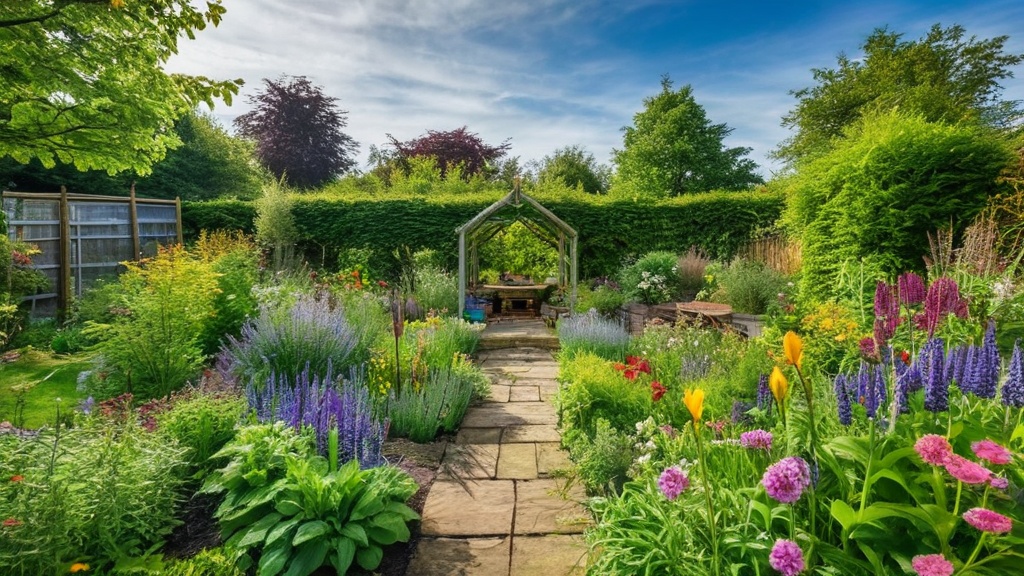
Selecting native plants forms the cornerstone of any successful rewilding effort. Native species are adapted to local conditions, making them more resilient and better suited to thrive in our gardens. They provide essential food sources and habitats for local wildlife, including pollinators like bees and butterflies. Researching which plants are indigenous to our region allows us to make informed choices that align with the local ecosystem. Local nurseries often offer a variety of native plants, making it easier for us to find suitable options.
Incorporating a mix of flowering plants, grasses, and shrubs can create a diverse habitat that attracts various species. We should consider the blooming seasons of different plants to ensure a continuous supply of nectar throughout the growing season. Additionally, selecting plants with varying heights and structures can provide shelter and nesting sites for birds and insects. By prioritizing native plants in our gardens, we contribute to the restoration of local ecosystems while enjoying the beauty and resilience they bring.
Creating Wildlife Habitats: Building Homes for Birds, Bees, and Butterflies
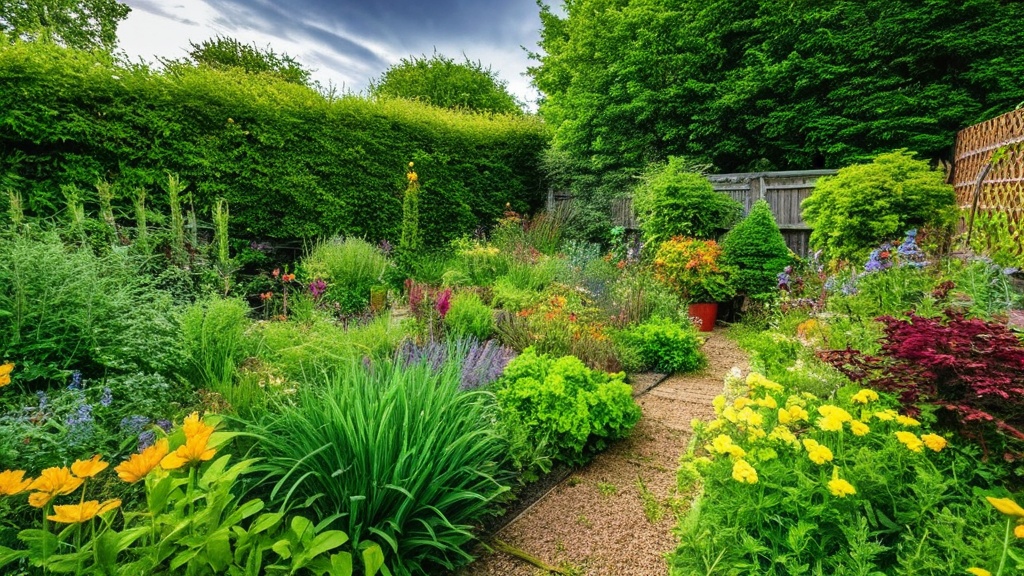
Creating wildlife habitats within our gardens requires thoughtful planning and design. We can start by incorporating features that attract birds, bees, and butterflies. Installing birdhouses or nesting boxes provides safe spaces for birds to raise their young. Adding water sources, such as birdbaths or small ponds, offers essential hydration for wildlife while enhancing the garden’s aesthetic appeal. Incorporating native flowering plants ensures that pollinators have access to food sources throughout the seasons.
In addition to plants and structures, we can create microhabitats that support various species. Piles of logs or rocks can serve as shelter for small mammals and insects, while leaving some areas of the garden undisturbed allows natural processes to unfold. Embracing a more hands-off approach in certain sections encourages biodiversity to flourish organically. By designing our gardens with wildlife in mind, we foster an environment where nature can thrive alongside us.
If you’re interested in enhancing your garden’s biodiversity through rewilding, you might also find value in exploring sustainable living practices. A great resource is the article on creating a truly sustainable home, which discusses essential features that can complement your gardening efforts. You can read more about it here. By integrating these principles, you can foster a more eco-friendly environment both inside and outside your home.
Sustainable Gardening Practices: Minimizing Chemicals and Maximizing Biodiversity
| Aspect | Information |
|---|---|
| Benefits | Increased biodiversity, improved soil health, reduced maintenance, and enhanced natural beauty. |
| Plants | Native wildflowers, grasses, shrubs, and trees. |
| Watering | Minimal watering required once established. |
| Maintenance | Regular weeding and occasional pruning. |
| Wildlife | Attracts birds, butterflies, bees, and other beneficial insects. |
Adopting sustainable gardening practices is essential for maintaining a healthy ecosystem within our rewilded gardens. Minimizing chemical use not only protects local wildlife but also promotes soil health and biodiversity. Instead of relying on synthetic fertilizers and pesticides, we can explore organic alternatives that nourish plants without harming beneficial insects or soil organisms. Composting kitchen scraps and yard waste enriches the soil naturally while reducing waste.
Practicing crop rotation and companion planting can further enhance biodiversity in our gardens. These techniques promote healthy plant growth while reducing pest populations naturally. Encouraging beneficial insects through diverse planting strategies creates a balanced ecosystem where pests are kept in check without resorting to harmful chemicals. By prioritizing sustainable practices, we contribute to a healthier environment while enjoying the many rewards of a thriving garden.
Maintaining a Rewilded Garden: Tips for Long-Term Success
Maintaining a rewilded garden requires ongoing attention and care. Regular monitoring of plant health and wildlife activity helps us identify any issues early on. We should embrace seasonal changes, allowing nature to dictate when certain plants bloom or go dormant. Pruning may be necessary at times, but it’s important to do so thoughtfully, ensuring that we do not disrupt nesting birds or other wildlife.
We can also engage with our community by sharing experiences and knowledge about maintaining rewilded spaces. Joining local gardening clubs or online forums provides opportunities to learn from others who share similar interests in rewilding. Collaborating with neighbors on community projects can amplify our efforts, creating larger habitats that benefit even more wildlife. Through consistent care and community engagement, we can ensure the long-term success of our rewilded gardens.
Connecting with Nature: The Benefits of Rewilding for Mental and Physical Health
Rewilding offers profound benefits for both mental and physical health. Spending time in nature has been shown to reduce stress levels, improve mood, and enhance overall well-being. As we cultivate rewilded gardens, we create spaces that invite us to connect with the natural world around us. Observing wildlife interactions fosters mindfulness and appreciation for the intricate web of life that exists within our gardens.
Physical activity associated with gardening contributes to improved fitness levels as well. Digging, planting, weeding, and maintaining our gardens provide excellent exercise while allowing us to enjoy fresh air and sunshine. Engaging with nature in this way promotes a sense of accomplishment and fulfillment as we witness the fruits of our labor flourish over time. Rewilding not only nurtures ecosystems but also enriches our lives in countless ways.
Sharing Your Knowledge: Inspiring Others to Embrace Rewilding in Their Own Gardens
As we experience the joys of rewilding firsthand, sharing our knowledge becomes an important aspect of fostering a broader movement towards ecological restoration. Hosting workshops or community events allows us to educate others about the benefits of rewilding and how they can implement similar practices in their own gardens. Social media platforms provide additional avenues for sharing successes, challenges, and tips with a wider audience.
Encouraging friends, family, and neighbors to embrace rewilding creates a ripple effect that extends beyond individual gardens. Collaborating on community projects or participating in local conservation initiatives amplifies our impact on regional ecosystems.
Together, we can inspire others to recognize the beauty and importance of restoring natural habitats while cultivating a sense of responsibility towards our environment.
Through collective efforts, we contribute to a healthier planet for generations to come.
FAQs
What is rewilding in gardening?
Rewilding in gardening refers to the process of allowing a garden to return to a more natural state by encouraging the growth of native plants, creating habitats for wildlife, and reducing human intervention.
Why should I consider rewilding my garden?
Rewilding your garden can help support local biodiversity, attract beneficial insects and wildlife, reduce the need for maintenance, and create a more sustainable and resilient ecosystem.
How can I start rewilding my garden as a beginner?
As a beginner, you can start rewilding your garden by incorporating native plants, creating wildlife habitats such as birdhouses and insect hotels, reducing the use of pesticides and fertilizers, and allowing natural processes to take place.
What are the benefits of rewilding a garden?
The benefits of rewilding a garden include promoting biodiversity, providing food and shelter for wildlife, improving soil health, reducing water usage, and creating a more visually appealing and dynamic landscape.
Are there any potential challenges or drawbacks to rewilding a garden?
Some potential challenges of rewilding a garden include managing invasive species, adjusting to a more natural and less manicured aesthetic, and dealing with potential conflicts with neighbors or local regulations.
Enjoying our content? Make us a preferred source on Google.
Add us as a Preferred Source on Google