
Sustainable windows and doors represent a vital aspect of modern architecture and construction. As we face increasing environmental challenges, the demand for energy-efficient and eco-friendly building materials has surged. Homeowners, builders, and architects alike recognize the importance of integrating sustainability into their designs. This shift not only addresses environmental concerns but also enhances the overall quality of living spaces.
Incorporating sustainable windows and doors into our homes can lead to significant reductions in energy consumption. These elements play a crucial role in maintaining comfortable indoor temperatures while minimizing reliance on heating and cooling systems. As we explore the various aspects of sustainable windows and doors, we will uncover how they contribute to a healthier planet and a more comfortable living environment.
Innovations in eco-friendly windows and doors play a crucial role in enhancing energy efficiency and sustainability in modern architecture. For those interested in exploring how nature can be integrated into architectural designs, a related article titled “10 Inspiring Examples of Nature Integration in Modern Architecture” provides valuable insights. You can read it here: 10 Inspiring Examples of Nature Integration in Modern Architecture. This article showcases various architectural projects that harmoniously blend indoor and outdoor environments, emphasizing the importance of eco-friendly materials and designs.
Key Takeaways
- Sustainable windows and doors enhance energy efficiency and reduce environmental impact.
- Advanced insulation and weatherproofing technologies improve thermal performance.
- Smart technologies enable better control and monitoring of window and door functions.
- Use of recycled and eco-friendly materials supports sustainability goals.
- Sustainable designs contribute to improved indoor air quality and homeowner benefits.
Energy-Efficient Materials and Design
Energy-efficient materials form the backbone of sustainable windows and doors. Manufacturers have developed advanced glazing technologies that improve thermal performance. Double or triple glazing, for instance, creates an insulating barrier that reduces heat transfer. This design not only keeps homes warmer in winter but also cooler in summer, leading to lower energy bills.
The framing materials used in windows and doors also impact energy efficiency. Vinyl, fiberglass, and wood-clad options provide excellent insulation properties. Each material offers unique benefits, allowing homeowners to choose based on aesthetic preferences and performance needs. Selecting the right combination of materials can significantly enhance the energy efficiency of a home, making it more sustainable in the long run.
Innovations in Insulation and Weatherproofing

Innovations in insulation and weatherproofing have transformed the way we think about windows and doors. Advanced sealing technologies now prevent air leaks, which can lead to energy loss. Weatherstripping and caulking materials have improved dramatically, ensuring that gaps are sealed effectively. This attention to detail helps maintain consistent indoor temperatures while reducing energy consumption.
New insulation materials, such as aerogel and vacuum-insulated panels, offer exceptional thermal resistance. These cutting-edge solutions can be integrated into window and door designs, providing superior performance without compromising aesthetics. As we adopt these innovations, we can create homes that are not only energy-efficient but also comfortable and inviting.
Smart Technologies for Windows and Doors

Smart technologies are revolutionizing the way we interact with our windows and doors. Automated systems allow us to control ventilation, lighting, and security with ease. For instance, smart windows can adjust their tint based on sunlight exposure, reducing glare while maintaining natural light levels. This technology enhances comfort while minimizing energy use.
Security features have also evolved with smart technology. Homeowners can monitor their doors and windows remotely, receiving alerts if any unauthorized access is detected. This integration of technology not only improves safety but also contributes to energy efficiency by allowing us to manage our home environment more effectively.
Innovations in eco-friendly windows and doors are transforming the way we think about energy efficiency and sustainability in our homes. As homeowners become more conscious of their environmental impact, the demand for products that reduce energy consumption has surged. A related article discusses the importance of zero waste in home construction and renovation, highlighting how sustainable materials can contribute to a greener future. You can read more about this important topic in the article on zero waste at com/good-filling-the-future-of-zero-waste/’>zero waste.
By integrating eco-friendly windows and doors into our living spaces, we can significantly lower our carbon footprint while enhancing the aesthetic appeal of our homes.
Recycled and Eco-Friendly Materials
| Innovation | Description | Energy Efficiency Improvement | Material Sustainability | Typical Lifespan (Years) | Additional Benefits |
|---|---|---|---|---|---|
| Triple-Glazed Windows | Windows with three layers of glass to reduce heat transfer | Up to 50% better than double-glazed | Uses recycled glass and low-emissivity coatings | 30-40 | Improved sound insulation |
| Thermally Broken Aluminum Frames | Aluminum frames with insulating barriers to reduce heat conduction | 30-40% reduction in thermal bridging | Recyclable aluminum with reduced carbon footprint | 25-35 | Durability and low maintenance |
| Wood-Clad Composite Doors | Doors combining sustainable wood exteriors with composite cores | Improved insulation compared to solid wood | Certified sustainable wood and recycled composites | 20-30 | Enhanced weather resistance |
| Smart Windows with Electrochromic Glass | Glass that tints automatically to control solar heat gain | Reduces cooling loads by up to 20% | Uses low-impact manufacturing processes | 15-25 | Dynamic light control and privacy |
| Recycled PVC Frames | Window and door frames made from recycled PVC materials | Comparable to standard PVC in insulation | Reduces landfill waste and raw material use | 20-30 | Cost-effective and low maintenance |
The use of recycled and eco-friendly materials in the production of windows and doors has gained traction in recent years. Manufacturers are increasingly sourcing materials from sustainable practices, reducing the environmental impact of their products. Recycled aluminum and reclaimed wood are popular choices that offer durability while minimizing waste.
Eco-friendly materials extend beyond just recycled options. Biodegradable composites and sustainably harvested wood provide alternatives that align with green building practices. Choosing these materials not only supports environmental sustainability but also promotes a circular economy where resources are reused rather than discarded.
Impact of Sustainable Windows and Doors on Indoor Air Quality
Sustainable windows and doors play a crucial role in improving indoor air quality. Traditional building materials often release volatile organic compounds (VOCs) that can harm health over time. In contrast, eco-friendly options are designed to minimize or eliminate these harmful emissions. This focus on health creates a safer living environment for families.
Proper ventilation is another critical factor in maintaining indoor air quality. Many sustainable window designs incorporate features that promote airflow without compromising energy efficiency. This balance allows for fresh air circulation while preventing drafts, ensuring that indoor spaces remain comfortable and healthy.
Benefits of Sustainable Windows and Doors for Homeowners
Homeowners stand to gain numerous benefits from investing in sustainable windows and doors. One of the most immediate advantages is the reduction in energy costs. Energy-efficient designs help lower utility bills by minimizing heating and cooling demands.
Over time, these savings can offset the initial investment in high-quality products.
In addition to financial savings, sustainable windows and doors enhance property value. As more buyers seek eco-friendly features in homes, properties equipped with these elements become increasingly attractive on the market. Homeowners can enjoy peace of mind knowing that their investment contributes to both their financial well-being and the health of the planet.
Future Trends in Sustainable Windows and Doors
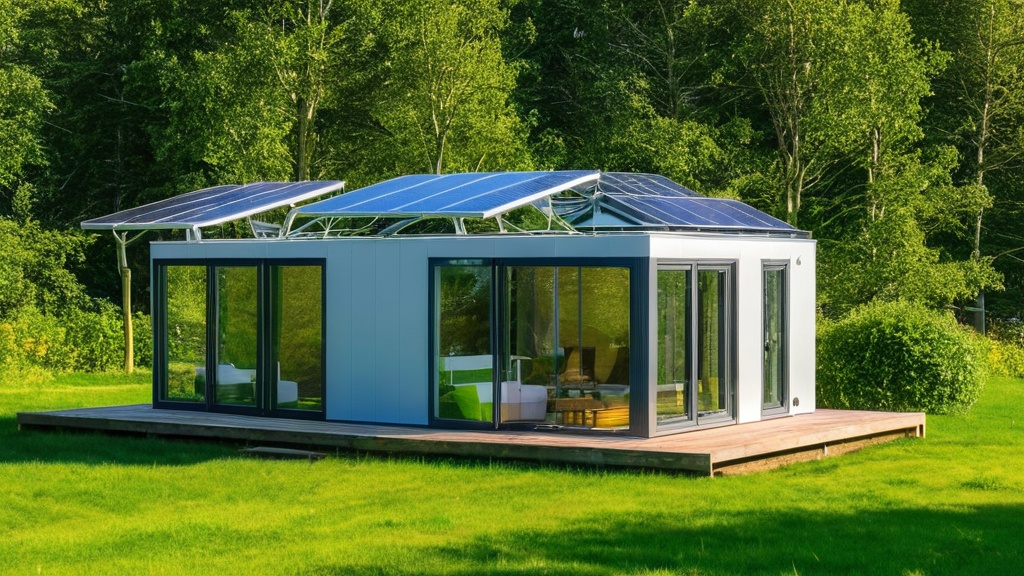
The future of sustainable windows and doors looks promising as technology continues to advance. Emerging trends include the integration of renewable energy sources, such as solar panels within window designs. This innovation allows homeowners to generate their own energy while enjoying the benefits of natural light.
Another trend involves the development of smart materials that respond dynamically to environmental changes. For example, windows that can change their properties based on temperature or humidity levels will enhance comfort while optimizing energy use. As we move forward, the focus on sustainability will drive further innovations, making our homes more efficient, comfortable, and environmentally friendly.
In conclusion, sustainable windows and doors represent a vital component of modern construction practices. By prioritizing energy efficiency, innovative materials, smart technologies, and eco-friendly options, we can create homes that are not only beautiful but also responsible stewards of our planet’s resources. As we embrace these advancements, we contribute to a healthier environment for ourselves and future generations.
FAQs
What materials are commonly used in eco-friendly windows and doors?
Eco-friendly windows and doors often use sustainable materials such as recycled aluminum, sustainably sourced wood, fiberglass, and uPVC. These materials are chosen for their durability, energy efficiency, and lower environmental impact compared to traditional options.
How do eco-friendly windows and doors improve energy efficiency?
Eco-friendly windows and doors typically feature advanced glazing technologies, such as double or triple panes with low-emissivity (Low-E) coatings, and insulated frames. These innovations reduce heat transfer, helping to maintain indoor temperatures and lower heating and cooling costs.
Are there any certifications to look for when choosing eco-friendly windows and doors?
Yes, certifications like ENERGY STAR, Forest Stewardship Council (FSC) for wood products, and GREENGUARD for low chemical emissions indicate that windows and doors meet specific environmental and energy efficiency standards.
Can installing eco-friendly windows and doors reduce a home’s carbon footprint?
Yes, by improving insulation and reducing energy consumption for heating and cooling, eco-friendly windows and doors help lower greenhouse gas emissions associated with energy use, thereby reducing a home’s overall carbon footprint.
What innovations are currently shaping the future of eco-friendly windows and doors?
Innovations include smart windows that adjust tint based on sunlight, windows with integrated solar panels, improved thermal break technologies in frames, and the use of bio-based or recycled materials to further enhance sustainability and performance.