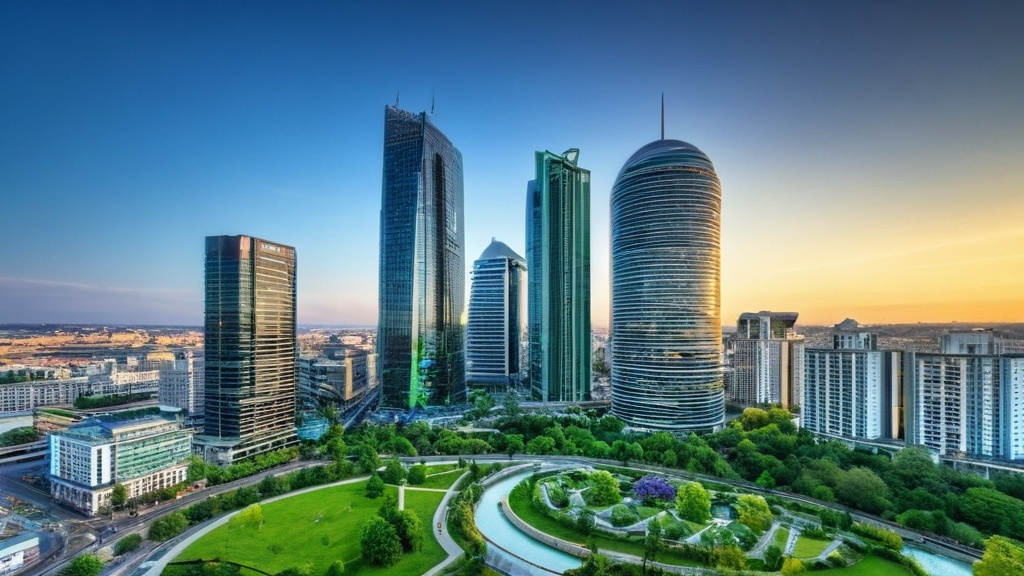

You approach the concept of home ownership with a new perspective, seeking harmony with the environment. Building a sustainable home represents more than just a preference; it embodies a commitment to minimizing environmental impact and fostering long-term resource efficiency. You consider the entire life cycle of your dwelling, from material sourcing to eventual decommissioning. Every decision you make contributes to a larger picture of ecological responsibility.
The very ground your home sits upon speaks volumes about your environmental philosophy. You understand that the choices made at the foundation level ripple upwards, impacting the entire structure. Selecting materials that reduce embodied energy and come from renewable sources forms a cornerstone of sustainable construction. You aim to build a structure that stands as a testament to your values.
Recycled Concrete Aggregates
Consider the power of renewal inherent in recycled concrete aggregates. When old structures are demolished, the concrete material can be processed and reused. You can use recycled concrete as a partial or complete replacement for virgin aggregates in new concrete mixes. This practice reduces the demand for new quarrying, preserving natural resources and reducing landfill waste. Think of it as giving old buildings a new purpose, a second life beneath your feet. The production process for recycled concrete also typically uses less energy than manufacturing new concrete from raw materials. You are building on a foundation that honors the past while supporting the future. Strict quality control measures during processing ensure the recycled material meets structural specifications.
Insulated Concrete Forms (ICFs)
Imagine your foundation walls as a thermal shield, protecting your home from external temperature fluctuations. Insulated Concrete Forms (ICFs) offer such a shield. ICFs consist of hollow foam blocks or panels that interlock, forming a mold for poured concrete. Polyurethane or expanded polystyrene, common components of ICFs, provide excellent insulation properties. You create a continuous thermal barrier around your foundation, minimizing heat loss in colder climates and heat gain in warmer ones. This continuous insulation prevents thermal bridging, points where heat can easily escape or enter your home. The result is a more stable indoor temperature and reduced energy consumption for heating and cooling. Furthermore, the robust nature of concrete provides superior structural integrity and resistance to natural disasters. It’s like wrapping your home in a protective, energy-saving blanket from its very beginning.
When exploring sustainable house materials, it’s essential to consider innovative designs that incorporate eco-friendly practices. A related article that showcases some of the most creative and sustainable homes around the globe can be found at Eco-Friendly Home Hub. This article highlights ten remarkable eco-friendly homes, each utilizing sustainable materials and technologies to minimize their environmental impact while providing comfortable living spaces.
Exterior Walls: Your Home’s Protective Skin
Outside walls function as your home’s primary defense against the elements. You want them to be durable, aesthetically pleasing, and, above all, environmentally sound. The materials you select here play a major role in your home’s thermal performance and overall ecological footprint. You are crafting a skin for your dwelling that breathes and protects.
Straw Bale Construction
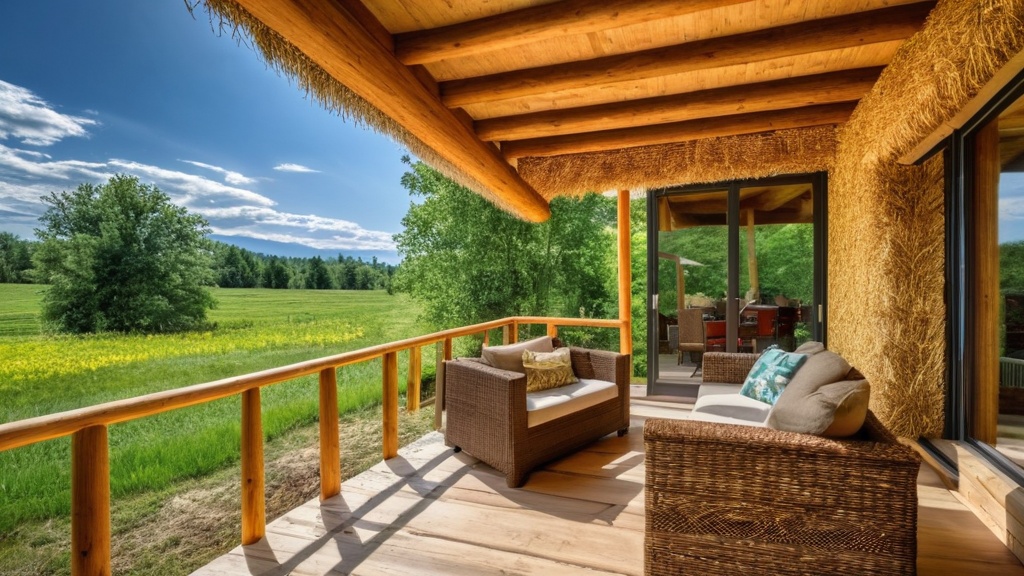
Envision walls born from fields, offering natural insulation and a connection to the earth. Straw bale construction utilizes baled straw as a building material, typically stacked and then plastered with earthen or lime renders. This method offers exceptional insulation values, often surpassing conventional insulation materials. You are harnessing agricultural waste, transforming it into a high-performance building component. Farmers have historically burned excess straw, releasing carbon dioxide into the atmosphere. Using straw bales sequesters that carbon, keeping it locked within your home’s walls for decades. The material itself is renewable, regrowing annually. Think of your walls as giant natural sponges, absorbing sound and creating a quiet, peaceful interior. Proper design and construction techniques, including a good roof overhang to protect the bales from moisture, are paramount for longevity.
Reclaimed Wood Siding
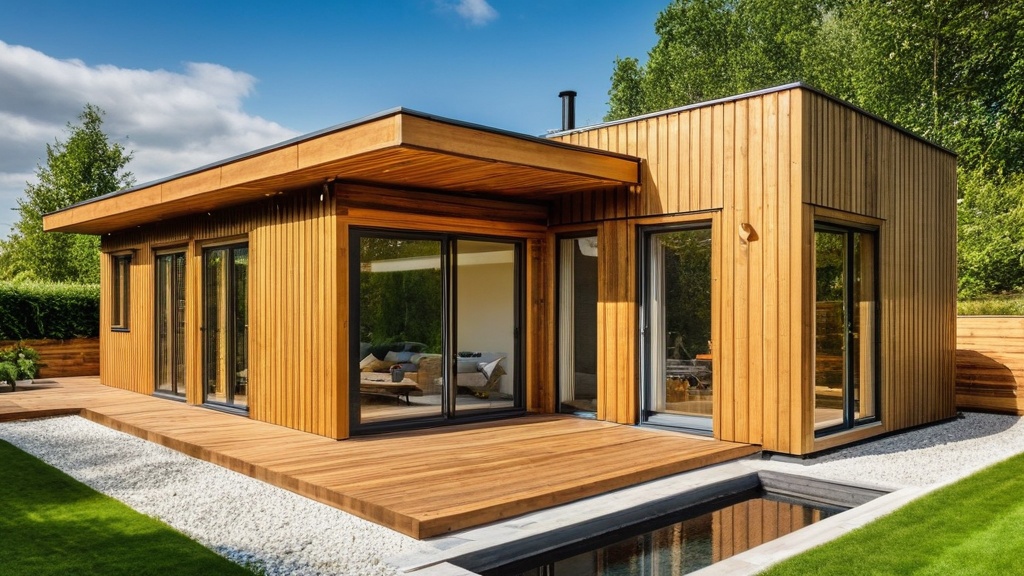
Witness the beauty of history reborn in your exterior cladding. Reclaimed wood siding comes from old barns, factories, or other structures slated for demolition. You choose planks that carry the patina of decades, if not centuries, of exposure to sun, wind, and rain. This practice diverts valuable wood from landfills, reducing demand for newly harvested timber. Each board tells a story, lending your home a unique character and warmth. You are building with a material that has already proven its durability and resilience. The embodied energy in reclaimed wood is substantially lower than that of new lumber, as it bypasses the energy-intensive processes of logging, milling, and transportation from distant forests. You are giving wood a new lease on life, extending its service and beauty.
Roofing: Your Home’s Crown
The roof is more than just a cover; it’s a critical component in your home’s energy efficiency and water management. You select materials that offer longevity, reflect sunlight, and potentially harvest rainwater. It represents the capstone of your sustainable design.
Green Roof Systems
Imagine your roof as a living garden, teeming with life and offering a cooling canopy. Green roof systems involve covering the roof with a layer of vegetation planted over a waterproofing membrane. This living layer provides natural insulation, reducing heat gain in summer and heat loss in winter. You create a microclimate on your roof, mitigating the urban heat island effect if your home is in a populated area. Stormwater runoff is greatly reduced, as the plants and soil absorb rainfall, lessening the burden on drainage systems. Biofiltration cleans the water before it eventually evaporates or slowly makes its way to storm drains. Furthermore, green roofs extend the lifespan of the underlying roofing membrane by protecting it from UV radiation and extreme temperature fluctuations. You are literally bringing nature closer to your dwelling, fostering biodiversity and clean air. Maintenance involves periodic watering and weeding, depending on plant selection and climate.
Recycled Metal Roofing
Consider a roof that gleams with purpose, reflecting both light and your commitment to recycling. Recycled metal roofing, often composed of aluminum or steel, offers durability and a long lifespan. These materials can contain high percentages of post-consumer recycled content. You choose a roof that will last for decades, often with warranties exceeding 50 years, reducing the need for premature replacement. At the end of its service life, metal roofing is 100% recyclable, completing a closed-loop material cycle. Its reflective properties help deflect solar radiation, keeping your home cooler and reducing air conditioning loads. Certain coatings can further enhance reflectivity. You are selecting a robust, low-maintenance option that stands up to harsh weather conditions. It’s like equipping your home with a resilient, reflective shield.
Interior Finishes: The Breath of Your Home
The materials you choose for your home’s interior directly impact its air quality and your well-being. You seek finishes that are free from harmful chemicals, durable, and aesthetically pleasing. Your interior spaces should feel like a sanctuary, a place where you can breathe freely.
Low-VOC Paints and Stains
You want the colors within your home to be vibrant and lasting, without compromising your air quality. Low-VOC (Volatile Organic Compound) paints and stains contain significantly reduced levels of chemical compounds that off-gas into the air. These VOCs can cause respiratory issues, headaches, and other health problems. You protect yourself and your family from harmful indoor air pollutants. Look for certifications and transparency from manufacturers regarding their VOC content. Many conventional paints release VOCs for months, creating a persistent, unpleasant odor. Low-VOC options cure faster and contribute to a healthier indoor environment from day one. You are designing a space that supports your physical comfort and health. It’s like providing your walls with a clean, fresh breath.
Bamboo Flooring
Visualize a floor that is both elegant and rapidly renewable, representing the fast-growing power of nature. Bamboo flooring comes from a grass that matures in just a few years, making it a highly sustainable alternative to traditional hardwood. You are choosing a material that grows back quickly, unlike slow-growing timber trees. Bamboo offers exceptional hardness and durability, often rivaling or exceeding that of oak or maple. Its unique grain patterns add a contemporary or natural aesthetic to your interior. You consider the source of the bamboo, opting for products that use sustainably harvested bamboo and environmentally sound manufacturing processes. Processing bamboo into flooring typically involves minimal waste. You are walking on a surface that embodies both strength and rapid renewal.
When considering sustainable house materials, it’s essential to explore innovative funding options that can make your eco-friendly projects more accessible. For instance, you might find valuable insights in a related article that discusses various creative ways to get your solar panel system funded. By leveraging these funding opportunities, homeowners can invest in sustainable materials and technologies that not only reduce their carbon footprint but also enhance the overall energy efficiency of their homes. To learn more about these funding strategies, check out the article here.
Energy Systems: Powering Your Future
| Material | Source | Environmental Impact | Durability | Insulation Properties | Recyclability |
|---|---|---|---|---|---|
| Bamboo | Renewable grass | Low carbon footprint, fast-growing | Moderate to high | Moderate | High |
| Recycled Steel | Recycled metal | Reduces mining impact, energy-intensive recycling | Very high | Low (conducts heat) | High |
| Rammed Earth | Natural soil | Very low, uses local materials | High | High thermal mass | Low |
| Straw Bales | Agricultural byproduct | Low, biodegradable | Moderate (requires protection from moisture) | Excellent | High (compostable) |
| Reclaimed Wood | Reused timber | Low, reduces deforestation | High | Moderate | High |
| Cork | Bark of cork oak tree | Renewable, biodegradable | Moderate | Excellent | High |
| Hempcrete | Hemp plant fibers | Low carbon, carbon-sequestering | Moderate | Good | High |
A sustainable home requires more than just green materials; it needs integrated energy systems that minimize reliance on fossil fuels. You look at your home as an active participant in energy generation and conservation. Your home powers itself, or at least offsets a considerable portion of its energy needs.
Solar Photovoltaic (PV) Panels
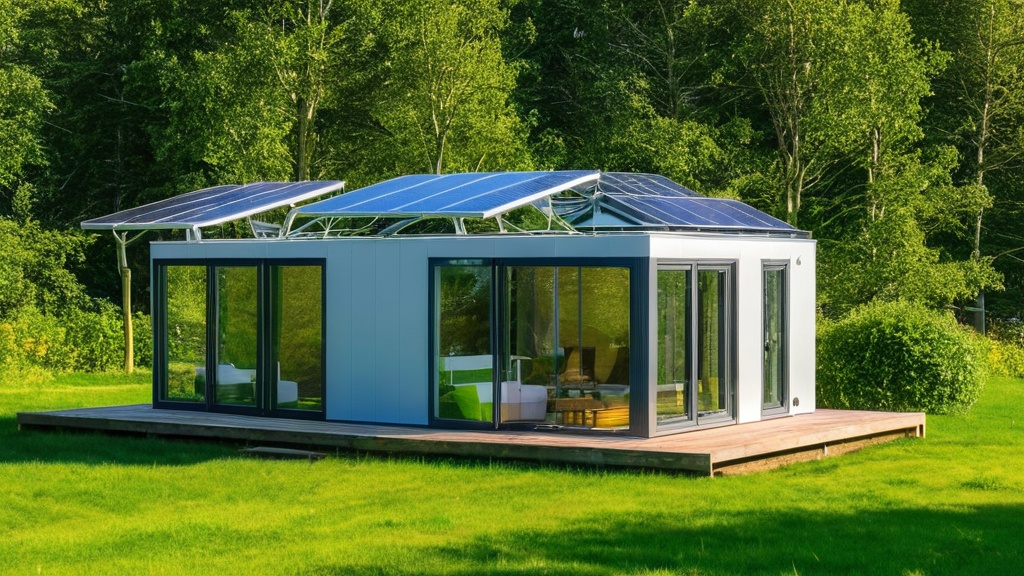
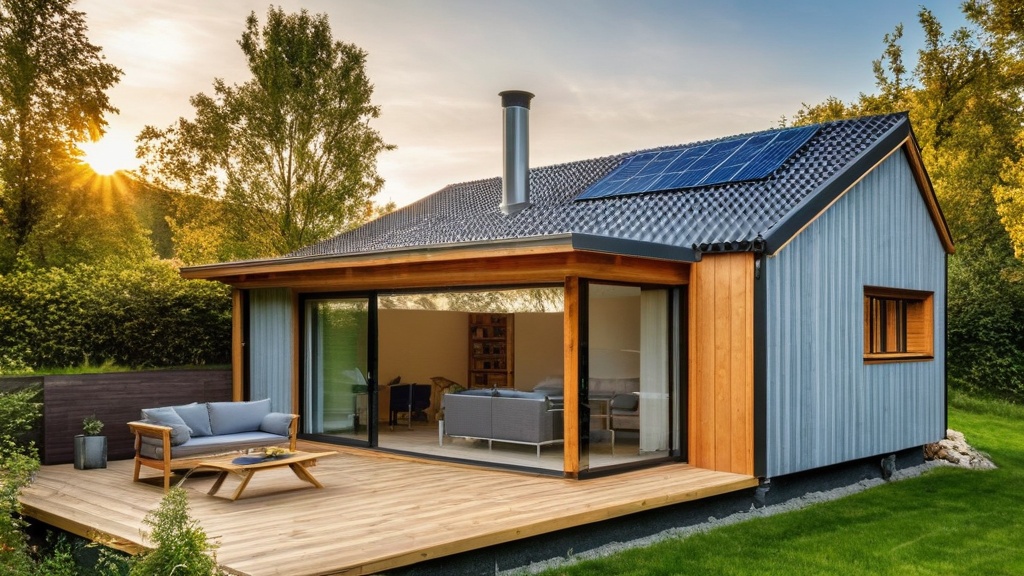
Imagine your roof transforming sunlight into electricity, powering your home with clean, renewable energy. Solar photovoltaic (PV) panels convert sunlight directly into electricity through the photoelectric effect. You harness the inexhaustible power of the sun, reducing your dependence on grid-supplied electricity, which is often generated from fossil fuels. Installing solar panels decreases your carbon footprint and can result in substantial savings on your electricity bills over time. Excess electricity generated during sunny periods can often be fed back into the grid, potentially earning you credits. The upfront investment in solar PV systems has decreased considerably over the years, and various incentives may be available to offset costs. You are turning your home into a miniature power plant, a beacon of energy independence.
Geothermal Heating and Cooling Systems
Consider the stable, consistent temperatures deep within the earth as a natural reservoir for heating and cooling your home. Geothermal heating and cooling systems utilize the Earth’s constant underground temperature to exchange heat. In winter, the system extracts heat from the ground and transfers it into your home. In summer, it pulls heat from your home and disperses it into the cooler earth. You gain highly efficient heating and cooling, as the system does not create heat but merely moves it. This process uses considerably less electricity than conventional HVAC systems, as it avoids burning fossil fuels. The underground piping loops have a very long lifespan, often exceeding 50 years. You are leveraging a natural, reliable energy source located right beneath your feet, creating a year-round comfortable indoor environment with minimal energy consumption. It is like constantly drawing from the Earth’s natural thermostat.
FAQs
What are sustainable house materials?
Sustainable house materials are building materials that have a low environmental impact throughout their lifecycle. They are often renewable, recyclable, non-toxic, and sourced responsibly to reduce carbon footprint and waste.
Why should I use sustainable materials for building a house?
Using sustainable materials helps conserve natural resources, reduces pollution, improves indoor air quality, and often results in energy-efficient homes. This contributes to environmental protection and can also lower long-term costs.
What are some common examples of sustainable house materials?
Common sustainable materials include bamboo, reclaimed wood, recycled metal, cork, straw bales, rammed earth, and low-VOC (volatile organic compound) paints. These materials are chosen for their renewability, durability, and minimal environmental impact.
Are sustainable house materials more expensive than traditional materials?
While some sustainable materials may have a higher upfront cost, many are competitively priced or even cheaper, especially when considering long-term savings on energy and maintenance. Additionally, incentives and rebates may be available for using eco-friendly materials.
How can I ensure the materials I choose are truly sustainable?
Look for certifications such as FSC (Forest Stewardship Council) for wood, Cradle to Cradle, or LEED (Leadership in Energy and Environmental Design) credits. Research the sourcing, manufacturing process, and lifecycle impact of materials to verify their sustainability credentials.