You dream of a home that treads lightly on the planet, a sanctuary built with intention. Choosing eco-friendly materials forms the bedrock of your sustainable dwelling, influencing its performance, health, and long-term impact. Your choices here are not mere aesthetic decisions; they are investments in a healthier future for yourself and for the world around you. Think of your home as a living organism, with its building blocks acting as its cells, each with a role in its overall well-being.
Your home’s foundation is its anchor, the point where it meets the earth. Selecting materials with a low environmental footprint for this vital element sets a positive tone for the entire project.
Sustainable Concrete Alternatives
Traditional concrete production carries a substantial carbon cost. You can explore alternatives that reduce this impact.
Recycled Aggregates
Crushed concrete from demolition sites, fly ash (a byproduct of coal combustion), slag (a byproduct of iron production), and recycled glass can serve as aggregates in new concrete mixes. You are essentially giving discarded materials a renewed purpose, diverting them from landfills. This practice reduces the demand for virgin quarried materials, saving energy and minimizing habitat disruption.
Low-Carbon Cement Options
Research new cementitious materials that require less energy to produce. Geopolymer concrete, for example, utilizes industrial byproducts like fly ash or slag with an alkaline activator to create a binder, often with a lower carbon footprint than Portland cement.
Rammed Earth Construction
Imagine your walls breathing with the earth. Rammed earth utilizes a mixture of soil, sand, and a small amount of cement or lime, compacted into formwork.
Benefits of Rammed Earth
This technique offers excellent thermal mass, meaning it absorbs and releases heat slowly, helping to regulate indoor temperatures naturally. You benefit from reduced heating and cooling needs, lowering your energy bills. Rammed earth structures are also fire-resistant and can offer good acoustic insulation. The palette of colors you can achieve, dictated by the soil used, adds a unique aesthetic.
Considerations for Rammed Earth
You must consider local soil composition and climate. Proper design for drainage and protection from excessive moisture is paramount. It requires specialized labor during construction.
Recycled Steel
When steel is a structural necessity, opt for recycled content. Steel is infinitely recyclable without losing its integrity.
The Circular Economy of Steel
Using steel with a high percentage of recycled content significantly reduces the energy required for production compared to virgin steel. You are participating in a circular economy, where materials are kept in use for as long as possible.
Durability and Strength
Recycled steel maintains the same strength and durability as new steel, offering a reliable and robust structural solution.
When considering sustainable house materials, it’s essential to also think about how your outdoor spaces can contribute to an eco-friendly lifestyle. A related article that provides valuable insights on creating an environmentally friendly garden is available at Eco-Friendly Garden Tips. This resource offers practical advice on selecting plants, using natural fertilizers, and implementing water-saving techniques, all of which complement the use of sustainable materials in your home.
Walls That Whisper: Eco-Friendly Materials for Envelope Performance
The walls of your home are its skin, protecting you from the elements while dictating its energy efficiency. Choosing thoughtful materials here makes a profound difference.
Natural Insulation Choices
Insulation is key to preventing heat loss in winter and heat gain in summer. You have many excellent eco-friendly options.
Cellulose Insulation
This insulation is made primarily from recycled paper products, treated to be fire-resistant and pest-deterrent. You are turning waste paper into a valuable thermal barrier.
Production Process
Cellulose is blown into wall cavities, creating a seamless, gap-free insulation layer. Its production requires less energy than many conventional insulation materials.
Performance Characteristics
Cellulose provides good thermal performance and also offers commendable acoustic insulation. Its ability to fill irregular spaces makes it a versatile choice.
Sheep Wool Insulation
Sheep wool is a renewable resource that offers excellent thermal and moisture-regulating properties.
Renewable Resource
Sheep wool is a byproduct of the wool industry, making it a sustainable and readily available material. You are utilizing a material that regenerates annually.
Moisture Management
Sheep wool can absorb and release moisture without losing its insulating properties, helping to prevent condensation issues within your walls.
Cork Insulation
Cork is harvested from the bark of cork oak trees, a process that does not harm the tree itself; the bark regrows.
Sustainable Harvesting
Cork harvesting is a prime example of resource utilization that respects the natural cycle. You are supporting a renewable resource that contributes to forest health.
Thermal and Acoustic Benefits
Cork offers good thermal insulation, moderate sound absorption, and is naturally resistant to mold and pests.
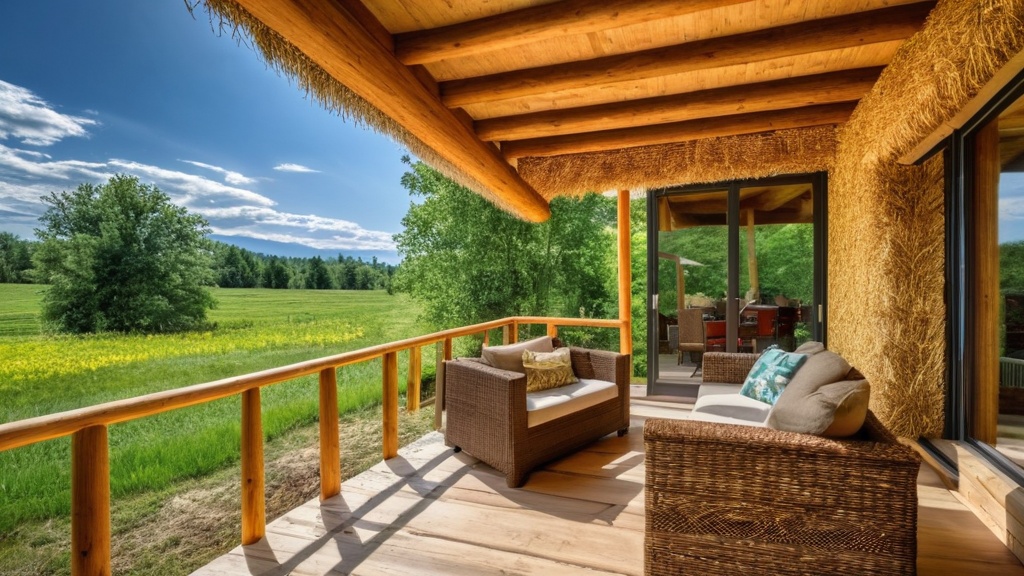
Straw Bale Construction
Imagine walls formed from nature’s own bounty, providing both structure and insulation. Straw bales are a time-tested building material.
Agricultural Byproduct
Straw, the dried stalks of cereal plants, is an abundant agricultural byproduct. You are giving a second life to a material that might otherwise be burned.
Exceptional Insulation Value
Properly constructed straw bale walls offer very high insulation values, significantly reducing your energy consumption. They act like a thick, cozy blanket for your home.
Breathability and Health
Straw bale walls are breathable, allowing moisture vapor to pass through, which can contribute to a healthier indoor environment.
Reclaimed Wood
Giving old timber new life reduces the pressure on our forests. Your walls can tell a story.
Salvaged from Demolition or Discarded Sources
Reclaimed wood can come from old barns, factories, or even discarded furniture. You are diverting materials from the waste stream and preserving the character of aged wood.
Durability and Aesthetics
Older wood often possesses unique patinas, knots, and inherent strength that cannot be replicated by new timber. You gain a rich aesthetic and a durable material.
Reducing Deforestation
By using reclaimed wood, you directly decrease the demand for new timber, helping to protect old-growth forests and biodiversity.
Roofs That Shelter Responsibly: Eco-Friendly Materials for Longevity
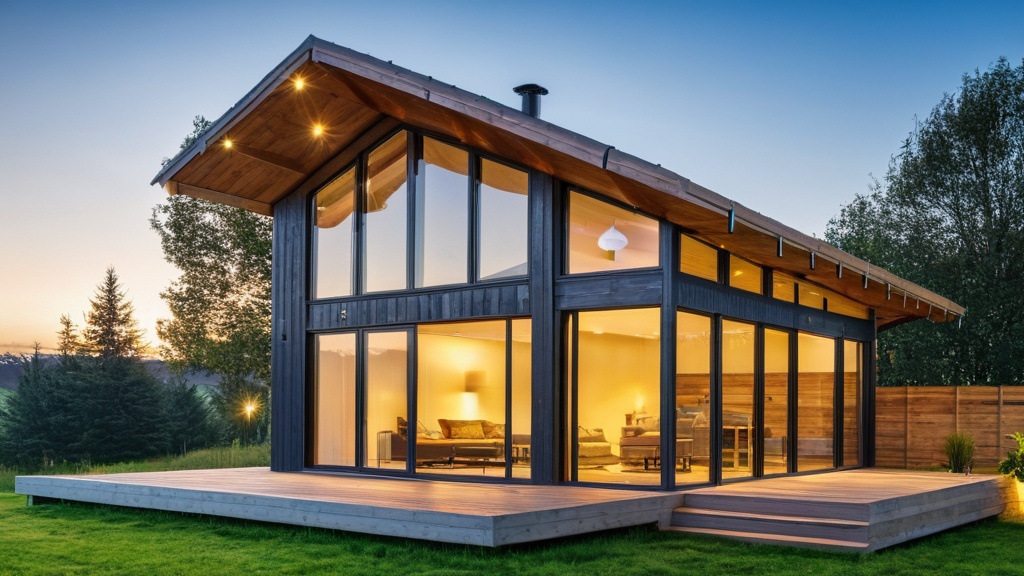
Your roof is your home’s crown, protecting it from the elements. Choosing sustainable roofing materials safeguards your investment and the planet.
Green Roof Systems
A living roof, covered with vegetation, offers a multitude of environmental benefits. It’s a garden for your home.
Benefits of Green Roofs
Green roofs provide superior insulation, reducing heating and cooling costs. They also manage stormwater runoff, reducing strain on municipal systems and preventing erosion. You are creating habitat for urban wildlife.
Types of Green Roofs
Extensive green roofs are shallow and require less maintenance, suitable for many residential applications. Intensive green roofs are deeper and allow for a wider variety of plants, even small trees.
Considerations for Green Roofs
You will need to consider the structural load capacity of your home and design for proper drainage and irrigation.
Recycled Roofing Materials
Many conventional roofing products now incorporate recycled content.
Recycled Content Shingles
Some asphalt shingles are manufactured with recycled materials like rubber or plastic. You are choosing a product with a reduced manufacturing footprint.
Metal Roofing with Recycled Content
Metal roofing is inherently durable and often made with significant recycled content. Its longevity means fewer replacements over time.
Clay and Slate Tiles
These natural materials offer exceptional durability and aesthetic appeal.
Longevity and Durability
Clay and slate tiles can last for a century or longer, minimizing the need for frequent replacements and the associated waste. You are investing in a material built to endure.
Natural and Renewable
These materials are quarried from the earth and are not reliant on fossil fuels for their production.
Interior Finishes: Crafting Healthy and Sustainable Living Spaces
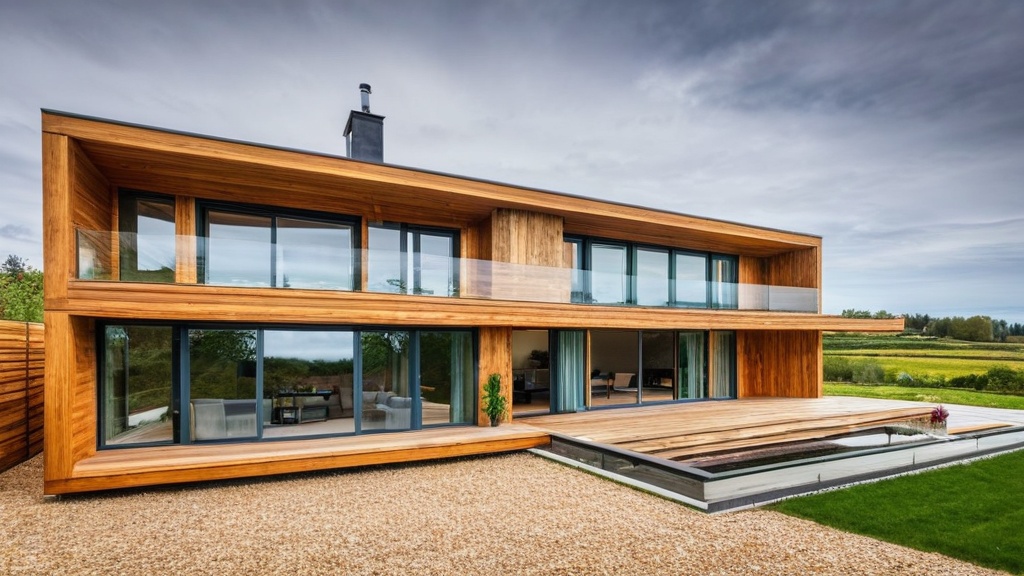
The inside of your home is where you live, breathe, and connect. Eco-friendly interior finishes contribute to your well-being and reduce your environmental impact.
Low-VOC Paints and Finishes
Volatile Organic Compounds (VOCs) are chemicals that can off-gas from paints, making indoor air quality suffer.
Healthier Indoor Air
Choosing low- or zero-VOC paints and finishes means you are breathing cleaner air within your home. You are creating a sanctuary free from harmful chemical emissions.
Natural Pigments and Binders
Look for paints made with natural pigments and binders derived from plants.
Natural Flooring Options
Your floors connect you to your home. Opt for materials that are both beautiful and sustainable.
Bamboo Flooring
Bamboo is a rapidly renewable grass that can be harvested without killing the plant.
Rapid Growth and Renewal
Bamboo’s fast growth cycle makes it a highly sustainable resource compared to many hardwoods. You are choosing a material that regenerates quickly.
Durability and Style
Bamboo flooring is surprisingly durable and comes in a variety of styles and colors.
Cork Flooring
As mentioned with insulation, cork is also an excellent flooring material.
Comfort and Sound Absorption
Cork offers a comfortable underfoot feel and excellent sound absorption, creating a quieter living space.
Natural and Biodegradable
Cork is a natural material that is biodegradable at the end of its life.
Marmoleum
This linoleum product is made from natural, renewable materials like linseed oil, pine resin, wood flour, and jute.
Biodegradable and Durable
Marmoleum is comfortable, durable, and biodegradable. You are choosing a floor that respects the earth from production to disposal.
Reclaimed and Sustainably Sourced Wood for Cabinetry and Trim
Similar to wall cladding, reclaimed wood adds character and sustainability to your interior details.
Unique Character and History
Reclaimed wood cabinets and trim lend a unique warmth and story to your interiors. You are bringing history into your modern home.
Supporting Sustainable Forestry Practices
When purchasing new wood, look for certifications like FSC (Forest Stewardship Council), which indicates wood comes from responsibly managed forests.
When considering sustainable house materials, it’s essential to explore innovative solutions that can contribute to a more eco-friendly living environment. One such approach is highlighted in an article about innovative packaging solutions, which discusses how materials designed for waste reduction can also inspire sustainable building practices. By examining these concepts, homeowners can find ways to incorporate eco-conscious choices into their construction and renovation projects. For more insights on this topic, you can read the article on innovative packaging solutions that promote a waste-free future.
Water Conservation Fixtures: Materials for Efficient Hydration
| Material | Source | Environmental Impact | Durability | Insulation Properties | Recyclability |
|---|---|---|---|---|---|
| Bamboo | Rapidly renewable grass | Low carbon footprint, biodegradable | High (10-15 years untreated) | Moderate | Yes |
| Recycled Steel | Recycled scrap metal | Reduces mining impact, energy intensive to produce | Very high (50+ years) | Low (conducts heat) | Yes |
| Rammed Earth | Locally sourced soil | Very low, natural material | High (50+ years) | High thermal mass | Yes (natural decomposition) |
| Straw Bales | Agricultural byproduct | Low, renewable | Moderate (30+ years with protection) | Excellent | Yes (compostable) |
| Reclaimed Wood | Salvaged timber | Reduces deforestation | High (depends on wood type) | Moderate | Yes |
| Cork | Bark of cork oak tree | Renewable, biodegradable | Moderate (20-30 years) | Excellent | Yes |
| Hempcrete | Hemp plant fibers mixed with lime | Low carbon, carbon negative potential | Moderate (30-50 years) | Good insulation | Yes (biodegradable) |
Water is a precious resource. Your home’s fixtures can make a profound difference in your water consumption.
Low-Flow Fixtures
Showerheads, faucets, and toilets designed to use less water without sacrificing performance are readily available.
Water Savings
You significantly reduce your water usage by installing low-flow fixtures, leading to lower water bills and lessened demand on municipal water supplies. You are becoming a steward of this vital resource.
Material Considerations
Look for fixtures made from durable and recyclable materials like brass or stainless steel.
Greywater Recycling Systems
These systems capture water from sinks, showers, and washing machines for reuse in irrigation or toilet flushing.
Resource Efficiency
You are extending the life cycle of water within your home, reducing your reliance on fresh municipal water. This is smart resource management.
Material Components
The tanks and piping of greywater systems are typically made from durable, non-corrosive plastics or stainless steel.
Your commitment to eco-friendly materials in building your home is a declaration of your values. It’s a tangible way you can contribute to a healthier planet. Each material you choose is a thread woven into the fabric of a more sustainable future, creating a dwelling that not only shelters you but also cares for the earth you inhabit.
FAQs
What are sustainable house materials?
Sustainable house materials are building materials that have a low environmental impact throughout their lifecycle. They are often renewable, recyclable, non-toxic, and sourced responsibly to reduce carbon footprint and waste.
Why should I use sustainable materials for building a house?
Using sustainable materials helps conserve natural resources, reduces pollution, improves indoor air quality, and often results in energy-efficient homes. This contributes to environmental protection and can also lower long-term costs.
What are some common examples of sustainable house materials?
Common sustainable materials include bamboo, reclaimed wood, recycled metal, cork, straw bales, rammed earth, and low-VOC (volatile organic compound) paints. These materials are chosen for their renewability, durability, and minimal environmental impact.
Are sustainable house materials more expensive than traditional materials?
While some sustainable materials may have a higher upfront cost, many are competitively priced or even cheaper, especially when considering long-term savings on energy and maintenance. Additionally, incentives and rebates may be available for using eco-friendly materials.
How can I ensure the materials I choose are truly sustainable?
Look for certifications such as FSC (Forest Stewardship Council) for wood, Cradle to Cradle certification, or LEED compliance. Research the sourcing, manufacturing process, and lifecycle impact of materials to verify their sustainability credentials.