You are considering building an eco-friendly home, a decision that speaks to a desire for a more harmonious relationship with your environment. Your construction project can become a testament to sustainable living, a structure that breathes with the planet instead of against it. This guide will walk you through the key considerations and processes involved in creating a dwelling that minimizes its ecological footprint.
Your home is more than just four walls and a roof; it’s a system. A sustainable home optimizes this system, making it work in concert with natural forces. You’re not just building a house; you’re cultivating an ecosystem you inhabit.
The foundation of your eco-friendly home lies in the materials you select. Every brick, board, and insulation panel carries an environmental story. Choosing wisely means selecting components that are renewable, recycled, or have a low embodied energy – the energy expended in their extraction, manufacturing, and transportation.
Renewable Resources
Resources that can be replenished naturally over a human timescale offer a clear advantage. Timber, for instance, can be sourced from sustainably managed forests. Bamboo, a rapidly growing grass, provides a strong and renewable alternative for structural elements and finishes.
Wood and Bamboo Considerations
When selecting wood, look for certifications like FSC (Forest Stewardship Council), which indicate responsible forest management practices. This prevents deforestation and protects biodiversity. Bamboo’s rapid growth cycle means it can be harvested frequently without depleting the resource. You can find bamboo in flooring, cabinetry, and even structural components. Research the tensile strength of various bamboo species if you are considering it for load-bearing applications.
Recycled Content
Giving pre-used materials a new life is a cornerstone of sustainability. Recycled steel, aluminum, glass, and plastic can all be incorporated into your home’s construction. This reduces the demand for virgin materials and diverts waste from landfills.
Steel and Aluminum from Scrap
Steel and aluminum have high recycling rates. Using recycled versions significantly cuts down on the energy required for production compared to creating them from raw ore. Look for products specifying post-consumer recycled content.
Reclaimed Wood and Salvaged Materials
Beyond manufactured goods, you can find value in salvaged materials. Reclaimed barn wood, old bricks, and antique fixtures can add character and history to your home while diverting them from demolition sites. This practice demands careful inspection for structural integrity and potential contaminants.
Low Embodied Energy Materials
Some materials, even if new, require less energy to produce. This can include locally sourced stone, earth-based building materials like adobe and rammed earth, or natural insulation like straw bales.
Earth-Based Construction
Adobe, a mixture of clay, sand, water, and straw, has been used for millennia. Its thermal mass helps regulate indoor temperatures, reducing the need for artificial heating and cooling. Rammed earth construction involves compacting soil and aggregate within formwork, creating strong, durable walls with excellent thermal properties.
Straw Bale Construction
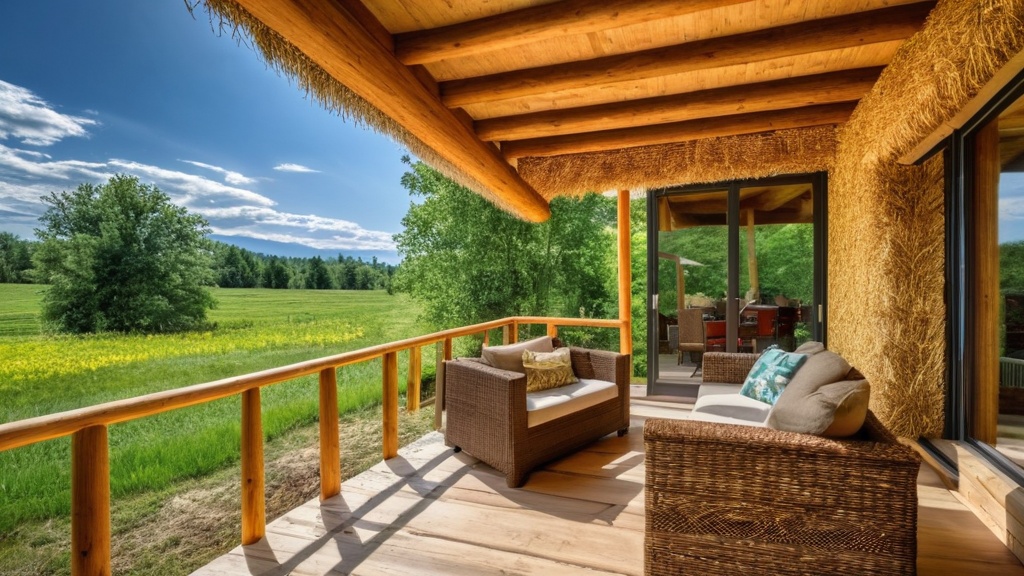
Straw bales, a byproduct of grain harvesting, can provide exceptional insulation. When properly protected from moisture, they create a robust and energy-efficient building envelope. You’ll need to consider how to protect the bales from pests and moisture ingress.
Creating an ecological house involves not only sustainable building materials and energy-efficient appliances but also incorporating practices that reduce overall energy consumption. For those looking to extend their eco-friendly efforts beyond the home, an insightful article titled “How to Save Energy in the Office” provides valuable tips on making workspaces more sustainable. By implementing these strategies, individuals can contribute to a greener environment both at home and in their professional lives. To read more about energy-saving techniques in the office, visit this article.
Designing for Energy Efficiency
Your home’s design is the blueprint for its energy consumption. Thoughtful planning can dramatically reduce your reliance on external energy sources. This involves understanding solar orientation, natural ventilation, and the principles of passive heating and cooling.
Passive Solar Design
This approach utilizes the sun’s energy for heating and lighting. In colder climates, you’ll want to maximize south-facing windows to capture winter sun, while minimizing east and west-facing windows to prevent overheating in summer.
South-Facing Windows and Overhangs
Locate your primary living spaces on the south side of your home. Install appropriately sized overhangs above these windows to block high summer sun while allowing low winter sun to penetrate. This is a simple yet powerful strategy.
Thermal Mass
Materials like concrete, stone, and adobe can absorb and store solar heat during the day, releasing it slowly at night. This helps to maintain a stable indoor temperature, acting like a thermal battery for your home.
Natural Ventilation Strategies
Drawing in cool outdoor air and expelling warm indoor air can significantly reduce your need for air conditioning. This requires careful placement of windows and openings to create effective air currents.
Cross Ventilation
Position windows on opposite walls of a room to allow air to flow through. Opening windows at different heights can also create a chimney effect, drawing warm air upwards and out.
Stack Ventilation
Strategically placed openings at different levels of your home, such as high clerestory windows or roof vents, can facilitate the upward movement of warm air, drawing cooler air in from lower openings.
Insulation and Air Sealing
A well-insulated and airtight home is like a cozy blanket, keeping desired temperatures in and unwanted drafts out. This is paramount for minimizing energy loss.
High-Performance Insulation
Choose insulation materials with high R-values, which measure resistance to heat flow. Options include cellulose (recycled paper), mineral wool, and natural fibers like sheep’s wool or cotton. Proper installation is as important as the material itself.
Eliminating Air Leaks
Seal all cracks and openings in your home’s building envelope. This includes around windows, doors, electrical outlets, and plumbing penetrations. A blower door test can help identify hidden leaks.
Water Conservation Systems
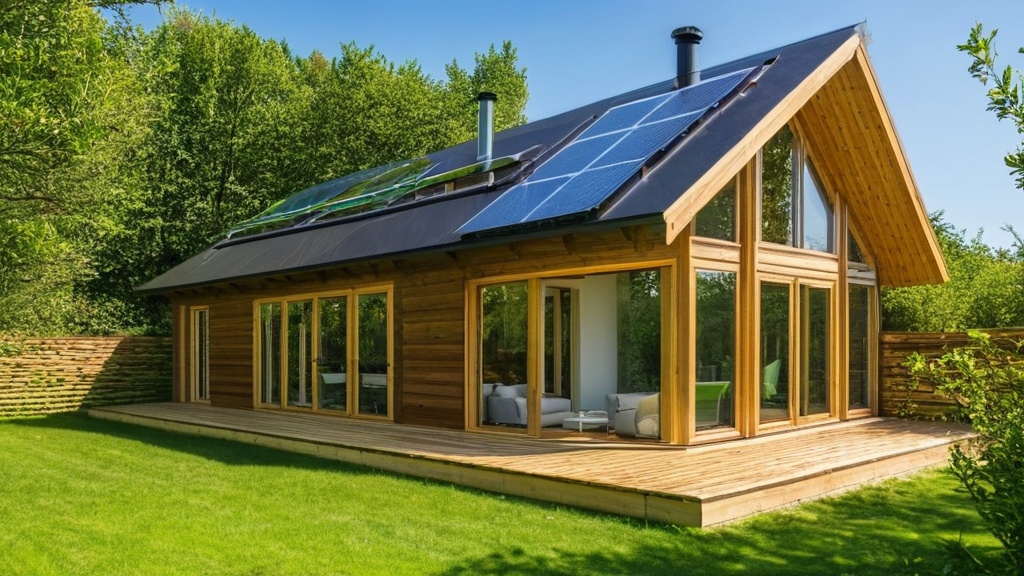
Water is a precious resource. Your eco-friendly home can incorporate features to reduce water consumption and manage wastewater responsibly.
Low-Flow Fixtures
Replacing standard faucets, showerheads, and toilets with low-flow alternatives offers immediate water savings with no compromise on performance. You’ll hardly notice the difference, but the planet will.
Aerated Faucets and Showerheads
These fixtures inject air into the water stream, reducing flow rate while maintaining pressure. They provide a satisfactory experience while using less water.
Dual-Flush Toilets
These toilets offer two flushing options, a partial flush for liquid waste and a full flush for solid waste, significantly reducing water usage per flush.
Rainwater Harvesting
Collecting rainwater from your roof can provide a source of water for non-potable uses like irrigation, toilet flushing, and laundry.
Gutters and Downspouts
Directing rainwater from your roof into a storage tank requires a properly designed gutter and downspout system.
Storage Tanks and Filtration
Rainwater is typically stored in cisterns or tanks. You may need a filtration system, depending on your intended use of the water. Look for food-grade materials for your storage if you plan on using it for anything beyond irrigation.
Greywater Recycling
Greywater, the water from showers, sinks, and washing machines (excluding toilet water), can be filtered and reused for irrigation or toilet flushing.
Simple vs. Complex Systems
Simpler systems can involve diverting greywater directly to irrigation, while more complex systems include filtration and treatment for broader reuse. Research local regulations regarding greywater systems.
Renewable Energy Generation
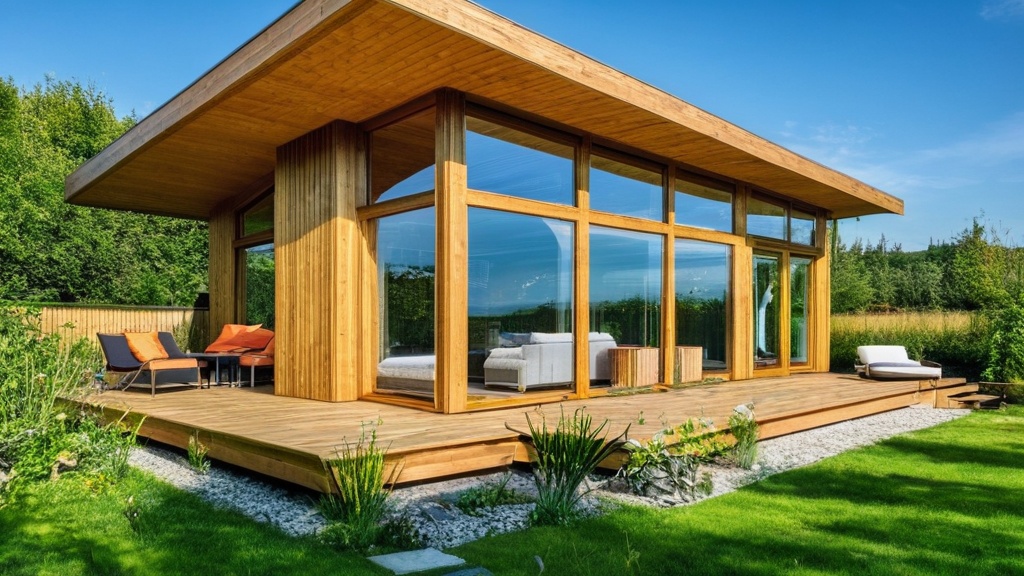
Moving beyond energy efficiency, you can generate your own clean energy. This allows your home to become a net-zero or even energy-positive dwelling.
Solar Photovoltaic (PV) Systems
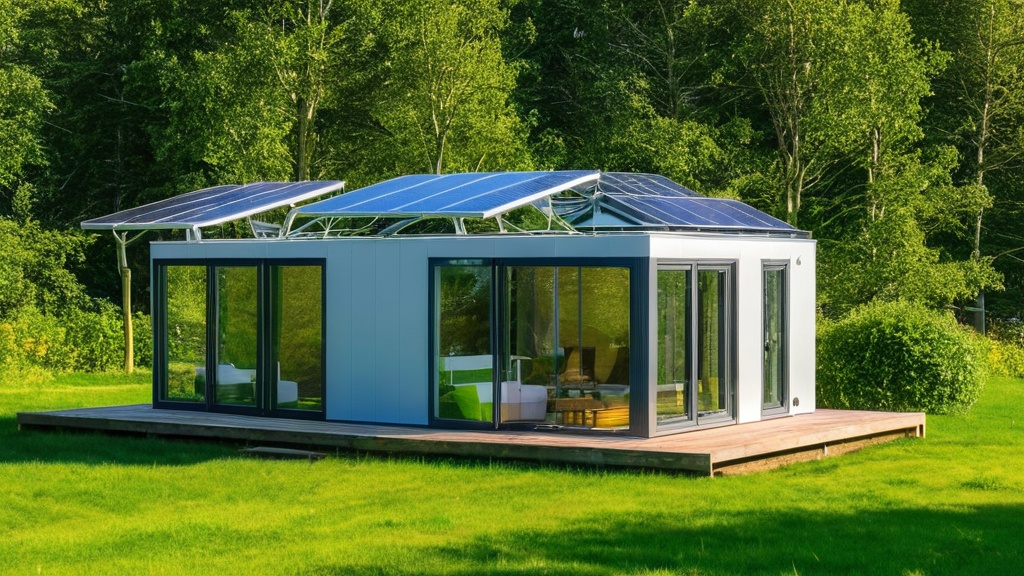
Solar panels convert sunlight directly into electricity. They are a common and increasingly affordable way to power your home sustainably.
Panel Placement and Orientation
Optimal placement and orientation of your solar panels will maximize energy production. This often means facing them south in the Northern Hemisphere. Consider shading from trees or nearby structures.
Inverters and Battery Storage
Inverters convert the direct current (DC) produced by solar panels into the alternating current (AC) used by your home. Battery storage allows you to store excess energy for use at night or during cloudy periods.
Wind Turbines
For properties with consistent wind resources, small-scale wind turbines can be an effective way to generate electricity.
Wind Resource Assessment
A thorough assessment of your site’s wind potential is necessary before investing in a turbine. Factors like average wind speed and directional consistency are important.
Turbine Siting and Regulations
Proper siting of a wind turbine is crucial for optimal performance and minimizing noise or visual impact. Check local zoning ordinances and any homeowner association rules.
Building an ecological house involves various sustainable practices, and one significant aspect is the integration of renewable energy sources. For those considering solar energy as part of their eco-friendly home, understanding the financial implications is crucial. A helpful resource on this topic can be found in an article that discusses the costs associated with solar panel installation, which can provide valuable insights for homeowners looking to make informed decisions. You can read more about it in this informative article.
Sustainable Landscaping and Site Management
| Metric | Value | Unit | Description |
|---|---|---|---|
| Energy Consumption | 45 | kWh/m²/year | Annual energy use per square meter |
| Water Usage | 80 | liters/person/day | Average daily water consumption per person |
| Carbon Footprint | 3.5 | tons CO2/year | Annual carbon emissions from the house |
| Insulation R-Value | 5.5 | m²·K/W | Thermal resistance of insulation materials |
| Renewable Energy Usage | 75 | percent | Percentage of energy from renewable sources |
| Waste Recycling Rate | 60 | percent | Percentage of household waste recycled |
| Indoor Air Quality Index | 85 | score (0-100) | Measure of air quality inside the house |
| Solar Panel Efficiency | 20 | percent | Conversion efficiency of installed solar panels |
Your home’s impact extends beyond its walls. The surrounding land can be managed to support biodiversity, conserve water, and reduce resource consumption.
Native Plants and Drought-Tolerant Species
Choosing plants native to your region reduces the need for irrigation, fertilizers, and pesticides. These plants are adapted to the local climate and soil conditions.
Supporting Local Ecosystems
Native plants provide food and habitat for local wildlife, contributing to the health of your regional ecosystem. Research which species are indigenous to your specific area.
Reduced Maintenance Needs
Once established, native and drought-tolerant plants typically require far less watering, mowing, and general upkeep compared to non-native ornamental gardens.
Permeable Paving
Allowing rainwater to soak into the ground rather than running off reduces stormwater runoff and replenishes groundwater. Permeable paving materials include gravel, permeable pavers, and porous asphalt.
Reducing Stormwater Runoff
Impermeable surfaces like traditional concrete and asphalt contribute to urban flooding. Permeable paving solutions mitigate this problem by allowing water infiltration.
Replenishing Groundwater
Water that soaks into the ground through permeable surfaces helps to recharge local aquifers, a vital source of water.
Composting and Organic Waste Management
Composting kitchen scraps and yard waste creates nutrient-rich soil for your garden, reducing the need for chemical fertilizers and diverting waste from landfills.
Backyard Composting Bins
Various types of composting bins are available, from simple piles to enclosed tumblers. Choose one that suits your space and the volume of organic waste you generate.
Benefits for Soil Health
Compost improves soil structure, water retention, and provides essential nutrients for plant growth, creating a healthier growing medium. Your garden will thank you.
Building an eco-friendly home is an investment in your future and the future of the planet. You are creating a dwelling that is not only resource-efficient but also healthier for its inhabitants and more resilient to environmental changes. This endeavor requires careful planning, informed material selection, and a commitment to long-term sustainability. Your home becomes a living testament to thoughtful stewardship.
FAQs
What is an ecological house?
An ecological house is a type of dwelling designed to minimize its environmental impact by using sustainable materials, energy-efficient systems, and eco-friendly construction practices.
What materials are commonly used in ecological houses?
Ecological houses often use renewable, recycled, or locally sourced materials such as bamboo, reclaimed wood, straw bales, recycled metal, and natural insulation like sheep’s wool or cellulose.
How do ecological houses conserve energy?
They incorporate features like solar panels, high-quality insulation, energy-efficient windows, passive solar design, and sometimes geothermal heating and cooling systems to reduce energy consumption.
What are the benefits of living in an ecological house?
Benefits include lower utility bills, reduced carbon footprint, improved indoor air quality, enhanced comfort, and a positive contribution to environmental conservation.
Are ecological houses more expensive to build than traditional houses?
While initial construction costs can be higher due to specialized materials and technologies, ecological houses often result in long-term savings through reduced energy and water bills, and may qualify for government incentives or tax credits.