You are considering the construction of a home, and you wish for it to tread lightly upon the Earth. For many, a structure that harmonizes with natural systems represents a future-forward approach to dwelling. Its creation involves careful resource management and a mindful approach to construction and operation. You seek to minimize your home’s environmental impact, from its initial foundations to its daily energy consumption.
Constructing an eco-friendly dwelling begins with a comprehension of fundamental design principles. You are aiming for a building that functions as an integrated system, where every component works in concert to achieve environmental objectives. Every choice you make, from site selection to material specification, influences your home’s ecological footprint.
Passive Solar Design
Your home’s orientation on its site is paramount for capitalizing on natural energy flows. Imagine your house as a living organism, orienting itself to sunlight.
- Optimal Orientation: Orienting the longest side of your home towards the equator allows for maximum solar gain during colder months. This reduces your reliance on mechanical heating.
- Window Placement: Strategic placement of windows, with larger expanses on south-facing walls, captures winter sun. Overhangs or awnings on these windows block high summer sun, preventing overheating.
- Thermal Mass: Incorporate materials like concrete, brick, or stone indoors. Such elements absorb heat during the day and release it slowly at night, stabilizing indoor temperatures.
Natural Ventilation Strategies
Your design should invite air movement, minimizing the need for air conditioning. Consider your home breathing with the environment.
- Cross Ventilation: Placing windows on opposing walls allows breezes to flow directly through living spaces.
- Stack Ventilation: Designing your home with openings at different heights, such as lower windows and upper clerestory windows, creates a chimney effect. Warm air rises and exits through upper openings, drawing cooler air in through lower ones.
- Wind Direction Consideration: Research local wind patterns. Position operable windows and vents to capture prevailing breezes.
As the demand for environmentally friendly homes continues to rise, many homeowners are exploring innovative solutions to reduce their carbon footprint. A related article that delves into the intersection of technology and sustainable living is available at The Age of AI. This article discusses how artificial intelligence is transforming the way we design, build, and maintain eco-friendly homes, making it easier for individuals to adopt sustainable practices in their daily lives.
Material Selection for Eco-Friendly Construction
The materials you choose carry embodied energy, reflecting the energy expenditures involved in their extraction, manufacture, and transport. You are aiming for materials with lower environmental impacts.
Renewable and Recycled Materials
Prioritize materials that are either perpetually available or have been given new life. This reduces demand for virgin resources.
- Recycled Steel: Steel contains a high percentage of recycled content and is itself recyclable. Its structural integrity makes it a strong contender for framing.
- Reclaimed Wood: Wood salvaged from demolished buildings or other sources reduces deforestation and carbon emissions associated with new timber production.
- Recycled Glass and Plastics: For certain applications, products derived from recycled glass or plastics offer viable alternatives. Consider recycled glass countertops or recycled plastic lumber for decking.
Low-Impact Materials
Some materials, while not recycled, possess characteristics that reduce their environmental burden. You are looking for efficient materials.
- Bamboo: A rapidly renewable resource, bamboo exhibits impressive strength and versatility. You find it used for flooring, cabinetry, and even structural elements.
- Cork: Harvested from cork oak trees without felling them, cork is renewable and offers excellent acoustic and thermal insulation properties.
- Natural Linoleum: Made from linseed oil, pine rosin, wood flour, and natural pigments, linoleum biodegrades and contains no harmful chemicals.
Locally Sourced Materials
Reducing transportation distances lessens the carbon footprint of your building materials. Think of your construction as a local endeavor.
- Stone and Clay: If local quarries or clay deposits exist, using indigenous stone or brick reduces logistic energy consumption.
- Local Wood Species: Opting for timber from nearby forests supports regional economies and reduces shipping impacts.
Energy Efficiency in Eco-Homes

Your home’s operational energy consumption represents a continuous environmental impact. You aim to build a structure that sips energy, not gulps it.
High-Performance Insulation
A well-insulated home acts like a thermos, maintaining stable interior temperatures regardless of exterior conditions. You are creating a comfortable thermal envelope.
- Wall Insulation: Consider options like cellulose (recycled paper), mineral wool, or sheep’s wool. These materials offer excellent R-values and have lower environmental impacts than conventional fiberglass or foam alternatives.
- Roof Insulation: Attic insulation is particularly effective for preventing heat loss in winter and heat gain in summer. Blown-in cellulose or rigid foam panels are strong performers here.
- Floor Insulation: For homes with crawl spaces or slab foundations, insulating the floor minimizes heat transfer with the ground.
Efficient Windows and Doors
Heat loss through windows and doors can compromise your insulation efforts. These openings represent potential energy leaks.
- Double or Triple Glazing: Multiple panes of glass with inert gas fills (argon or krypton) between them dramatically reduce heat transfer.
- Low-Emissivity (Low-E) Coatings: Microscopically thin metallic coatings on glass reflect solar heat in summer and retain interior heat in winter.
- Tight Seals: Proper weatherstripping and caulking around all windows and doors prevent air infiltration, a major source of energy waste.
Renewable Energy Systems
Generating your own power greatly diminishes your reliance on fossil fuels. You are stepping into energy independence.
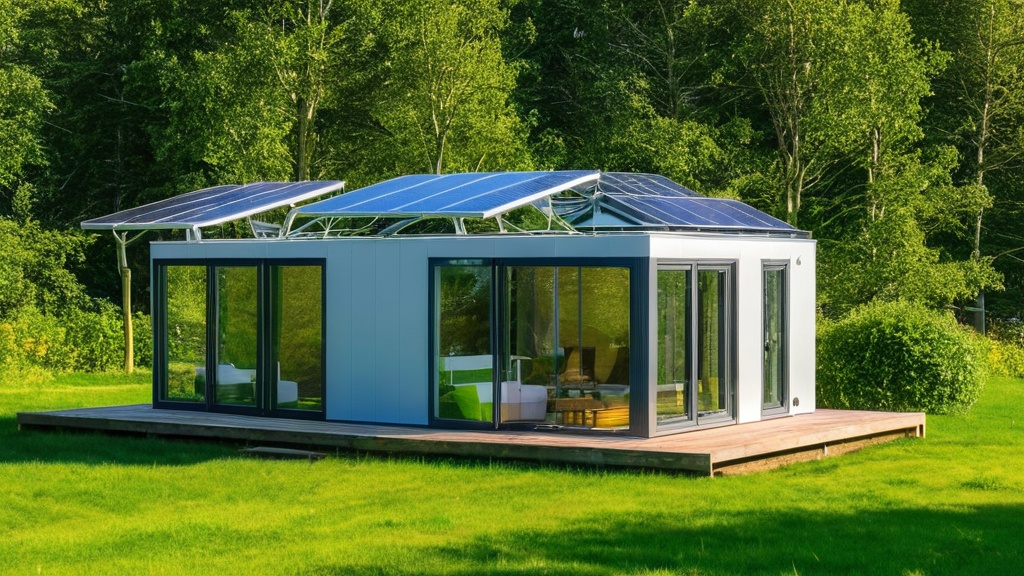
- Solar Photovoltaics (PV): Panels convert sunlight directly into electricity. Sizing your system according to your energy needs and sunlight availability can lead to net-zero energy consumption.
- Solar Thermal Systems: Collect solar energy to heat water for domestic use or hydronic heating systems.
- Geothermal Heating and Cooling: Utilizes the stable temperature of the Earth’s subsurface to provide highly efficient heating and cooling.
Water Conservation Strategies

Water scarcity is a growing concern. Your eco-friendly home should minimize its water footprint. You are becoming a steward of water resources.
Efficient Fixtures and Appliances
Reducing water consumption begins with the components you install. Every drop saved contributes to a larger impact.
- Low-Flow Faucets and Showerheads: Significantly reduce water usage without compromising performance.
- Dual-Flush Toilets: Offer options for solid or liquid waste, using less water for the latter.
- Water-Efficient Appliances: Look for appliances, such as washing machines and dishwashers, with Energy Star ratings that denote water efficiency.
Rainwater Harvesting
Collecting rainwater provides a free and sustainable source of non-potable water. You are capturing nature’s bounty.
- Catchment Systems: Install gutters and downspouts that direct rainwater from your roof into storage tanks or cisterns.
- Usage for Irrigation: Harvested rainwater is ideal for irrigating gardens, washing cars, or flushing toilets, reducing reliance on treated municipal water.
- Filtration for Potable Use (Advanced Systems): With proper filtration and purification, rainwater can even be made potable, although this requires more complex systems and local regulatory approval.
Greywater Recycling
Greywater, sourced from sinks, showers, and laundry, can be reused for specific purposes after minimal treatment. You are giving water a second life.
- System Design: Separate plumbing systems redirect greywater from designated sources to a treatment system.
- Reuse for Irrigation: Treated greywater is suitable for irrigating exterior plants or flushing toilets, reducing the demand for fresh water.
- Avoid Contamination: Do not include water from toilets (blackwater) or kitchen sinks in greywater systems, as they contain higher levels of contaminants.
As the demand for sustainable living increases, many homeowners are exploring innovative ways to create environmentally friendly homes. One insightful resource that delves into this topic is an article that discusses various strategies and technologies for building eco-conscious residences. For those interested in learning more about these approaches, you can find valuable information in this article, which highlights practical tips and ideas for making your home more sustainable.
Indoor Air Quality and Health
| Metric | Description | Typical Value | Impact on Environment |
|---|---|---|---|
| Energy Consumption | Annual energy used by the home (kWh) | 5,000 – 10,000 kWh | Lower energy use reduces fossil fuel consumption and emissions |
| Water Usage | Average daily water consumption per household (liters) | 100 – 150 liters per person | Efficient water use conserves freshwater resources |
| Carbon Footprint | Annual CO2 emissions from home energy use (kg CO2) | 2,000 – 5,000 kg CO2 | Lower emissions contribute to climate change mitigation |
| Insulation R-Value | Thermal resistance of home insulation (m²·K/W) | 3.0 – 6.0 | Higher R-value improves energy efficiency and comfort |
| Renewable Energy Use | Percentage of home’s energy from renewable sources | 20% – 100% | Reduces reliance on fossil fuels and lowers emissions |
| Recycled Building Materials | Percentage of materials used that are recycled or reclaimed | 30% – 70% | Reduces waste and environmental impact of new materials |
| Indoor Air Quality | Concentration of VOCs and pollutants (µg/m³) | Below 500 µg/m³ VOCs | Improves occupant health and reduces chemical exposure |
| Waste Reduction | Percentage of construction waste diverted from landfill | 50% – 90% | Minimizes landfill use and promotes recycling |
An eco-friendly home is not only good for the planet; it is also good for its occupants. You are creating a sanctuary, free from harmful pollutants.
Low-Volatile Organic Compound (VOC) Products
Many building materials and finishes off-gas harmful chemicals, impacting indoor air quality. You are choosing products that breathe clean.
- Paints and Sealants: Opt for low-VOC or zero-VOC paints, stains, and sealants. These products release fewer harmful airborne compounds.
- Flooring: Select natural flooring options like cork, bamboo, untreated wood, or natural linoleum instead of synthetic carpets or vinyl, which can off-gas VOCs.
- Adhesives: Use non-toxic adhesives and caulks to bond materials where necessary.
Ventilation and Air Filtration
Adequate air exchange removes pollutants and maintains fresh interior air. You are ensuring your home has clean lungs.
- Heat Recovery Ventilators (HRVs) and Energy Recovery Ventilators (ERVs): These systems exchange stale indoor air with fresh outdoor air while recovering heat or coolness, minimizing energy loss.
- Natural Ventilation (Revisited): Strategic opening of windows and doors provides periodic air flushing, removing accumulated pollutants.
- Air Filters: Use high-efficiency particulate air (HEPA) filters in your HVAC system or portable air purifiers to remove dust, allergens, and other airborne particles.
Natural Lighting and Biophilic Design
Connecting with the outdoors improves well-being. Your home becomes a window to the natural world.
- Daylighting: Maximize natural light penetration through thoughtful window placement. This reduces the need for artificial lighting and connects occupants with the outside world.
- Views of Nature: Design your home to offer views of natural elements like gardens, trees, or water bodies. This biophilic connection has proven mental health benefits.
- Indoor Plants: Introduce indoor plants. They improve air quality and add a natural aesthetic.
By adhering to these principles and making informed choices throughout your construction process, you create a home that reflects a commitment to environmental stewardship. It becomes a blueprint for a sustainable future, a place where comfort and conscience coexist.
FAQs
What are environmentally friendly homes?
Environmentally friendly homes, also known as green homes, are designed and built to minimize their impact on the environment. They use sustainable materials, energy-efficient systems, and water-saving technologies to reduce resource consumption and lower carbon footprints.
What materials are commonly used in environmentally friendly homes?
Common materials include recycled or reclaimed wood, bamboo, cork, recycled metal, and low-VOC (volatile organic compound) paints. These materials are chosen for their sustainability, durability, and low environmental impact.
How do environmentally friendly homes save energy?
They incorporate energy-efficient appliances, LED lighting, proper insulation, and often use renewable energy sources like solar panels or wind turbines. These features reduce energy consumption and lower utility bills.
What water-saving features are included in green homes?
Green homes often include low-flow faucets and showerheads, dual-flush toilets, rainwater harvesting systems, and greywater recycling to reduce water usage and promote conservation.
Are environmentally friendly homes more expensive to build?
While initial construction costs can be higher due to specialized materials and technologies, green homes typically save money over time through lower energy and water bills, and may qualify for tax incentives or rebates.