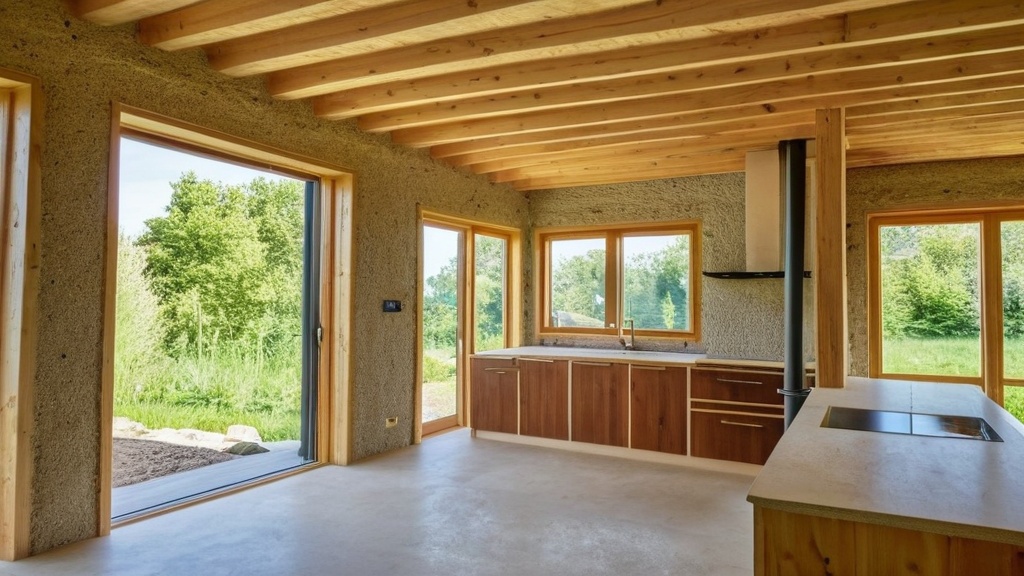
Hempcrete represents a remarkable innovation in sustainable building materials. Derived from the hemp plant, this biocomposite consists of hemp hurds mixed with lime and water, creating a lightweight and insulating material. As we explore the potential of hempcrete, we uncover its unique properties that set it apart from traditional building materials. The growing interest in eco-friendly construction methods has led to a resurgence in the use of hempcrete, making it a topic worth examining in depth.
The history of hemp as a building material dates back centuries, but modern applications have only recently gained traction. As we face increasing environmental challenges, the construction industry seeks alternatives that minimize ecological impact. Hempcrete offers a solution that not only meets building standards but also contributes positively to the environment. Understanding its characteristics and implications can help us make informed decisions about its use in contemporary architecture.
When considering the benefits and drawbacks of Hempcrete homes, it’s essential to also explore other sustainable building practices, such as solar energy integration. A related article that can provide valuable insights is “Top Mistakes to Avoid When Installing Solar Panels,” which discusses common pitfalls homeowners face when incorporating solar technology into their eco-friendly designs. You can read it here: Top Mistakes to Avoid When Installing Solar Panels. This resource can help you make informed decisions about enhancing the sustainability of your Hempcrete home.
Key Takeaways
- Hempcrete is a sustainable building material made from hemp hurds and lime-based binders.
- It offers benefits like excellent insulation, breathability, and carbon sequestration.
- Challenges include higher initial costs, limited structural strength, and regulatory hurdles.
- Hempcrete significantly reduces environmental impact by absorbing CO2 and using renewable resources.
- Careful consideration of durability, maintenance, and local building codes is essential before choosing hempcrete.
Pros of Building with Hempcrete
One of the most appealing aspects of hempcrete lies in its excellent insulation properties. The material provides superior thermal performance, helping to regulate indoor temperatures and reduce energy consumption. As we consider energy efficiency in our buildings, hempcrete stands out as an effective option for maintaining comfortable living spaces while lowering heating and cooling costs.
Another advantage of hempcrete is its lightweight nature, which simplifies transportation and installation. Builders can easily handle and work with this material, reducing labor costs and time on site. The ease of use allows for creative architectural designs without compromising structural integrity. As we explore innovative building techniques, hempcrete offers flexibility that traditional materials may not provide.
Hempcrete also boasts impressive moisture regulation capabilities. The material can absorb excess humidity and release it when conditions dry out, contributing to a healthier indoor environment. This natural hygroscopic property helps prevent mold growth and improves air quality, making it an attractive choice for those concerned about indoor health. As we prioritize well-being in our living spaces, hempcrete emerges as a viable option.
Cons of Building with Hempcrete
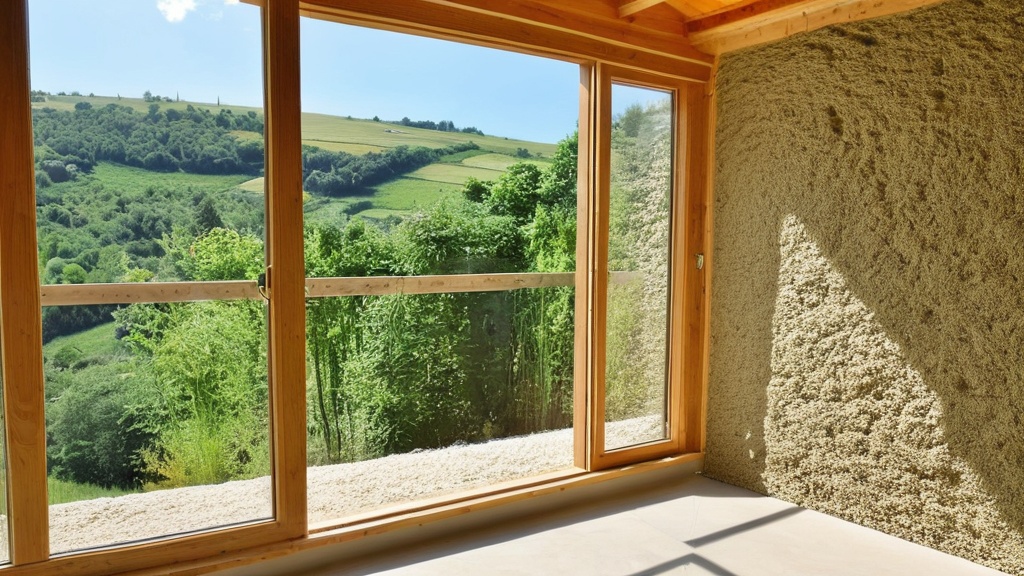
Despite its many advantages, hempcrete does come with certain drawbacks that warrant consideration. One notable limitation is its lack of structural strength. Hempcrete functions primarily as an insulating infill material rather than a load-bearing component. Builders must incorporate additional structural elements, such as timber or steel frames, to support the overall integrity of the building. This requirement can complicate design and increase construction costs.
Another challenge associated with hempcrete is its relatively high initial cost compared to conventional materials. While the long-term energy savings may offset this expense, the upfront investment can deter some builders and homeowners. As we weigh the financial implications of using hempcrete, it becomes essential to evaluate both short-term and long-term costs to determine its overall value.
Environmental Benefits of Hempcrete
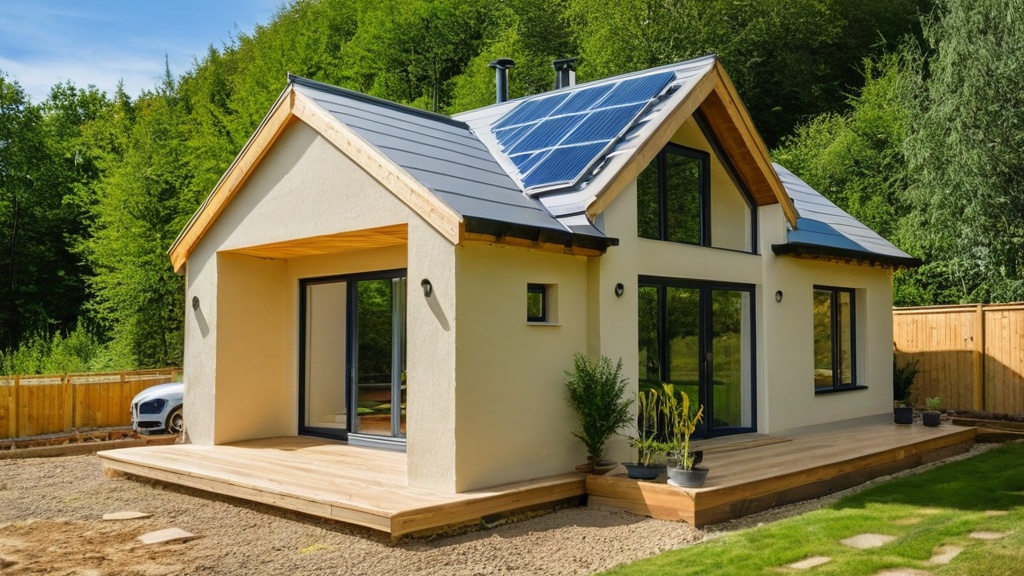
Hempcrete shines brightly in the realm of environmental sustainability. The cultivation of hemp requires minimal pesticides and herbicides, making it a more eco-friendly crop compared to many traditional building materials. Additionally, hemp grows rapidly, sequestering carbon dioxide from the atmosphere during its growth cycle. This carbon capture contributes to reducing greenhouse gas emissions, aligning with global efforts to combat climate change.
The production process for hempcrete is also less energy-intensive than that of conventional materials like concrete or brick. Lime, a primary component of hempcrete, has a lower carbon footprint than cement, which is notorious for its high emissions during production. As we seek to lower our environmental impact, choosing materials like hempcrete can play a vital role in promoting sustainable construction practices.
When considering the benefits of building with Hempcrete, it’s essential to also explore the broader context of sustainable living. A related article discusses various strategies to reduce your carbon footprint and live a more sustainable life, which complements the eco-friendly aspects of Hempcrete homes. By integrating these practices, homeowners can enhance their environmental impact while enjoying the unique advantages of Hempcrete. For more insights, you can read the article here.
Cost Considerations of Hempcrete
| Aspect | Pros | Cons |
|---|---|---|
| Insulation | Excellent thermal insulation, reduces heating and cooling costs | Thicker walls needed compared to conventional materials |
| Environmental Impact | Made from renewable hemp, carbon negative material | Limited availability of hempcrete in some regions |
| Durability | Resistant to mold, pests, and fire | Lower compressive strength, not suitable for load-bearing walls |
| Moisture Regulation | Breathable material that regulates humidity | Requires proper design to avoid moisture accumulation |
| Construction Time | Relatively easy to work with and mold on-site | Longer curing time compared to conventional concrete |
| Cost | Potentially lower lifecycle costs due to energy savings | Higher initial material and labor costs in some areas |
When evaluating the financial aspects of using hempcrete, we must consider both initial investment and long-term savings. While the upfront costs may be higher than traditional materials, the energy efficiency provided by hempcrete can lead to significant savings on utility bills over time. As we analyze the total cost of ownership, it becomes clear that hempcrete may offer a favorable return on investment for environmentally conscious builders.
Financing options for hempcrete projects may vary depending on location and availability of resources. Some regions may offer incentives for sustainable building practices, which could help offset initial costs. As we explore funding opportunities, it is essential to research local regulations and programs that support eco-friendly construction initiatives.
Durability and Maintenance of Hempcrete
Durability is a critical factor in any building material’s performance over time. Hempcrete exhibits impressive longevity when properly maintained. Its resistance to pests and mold contributes to its durability, reducing the need for frequent repairs or replacements. As we consider long-term maintenance requirements, hempcrete presents an attractive option for those seeking low-maintenance solutions.
Regular maintenance involves ensuring proper drainage and ventilation around hempcrete structures to prevent moisture buildup.
While this may require some attention, the overall maintenance needs remain minimal compared to traditional materials that may require more frequent upkeep or replacement.
As we prioritize longevity in our building choices, hempcrete stands out as a durable alternative.
Regulatory and Legal Considerations of Hempcrete
Navigating the regulatory landscape surrounding hempcrete can present challenges for builders and homeowners alike. Building codes and regulations vary widely by region, impacting the acceptance and use of hempcrete in construction projects. As we embark on any building endeavor involving hempcrete, it is crucial to familiarize ourselves with local laws and guidelines governing its use.
Some jurisdictions may have specific requirements for testing and certification of materials used in construction. Engaging with local authorities early in the planning process can help clarify any potential hurdles related to compliance. As we work towards incorporating innovative materials like hempcrete into our projects, understanding regulatory frameworks will be essential for successful implementation.
Is Hempcrete the Right Choice for Your Building Project?
In conclusion, the decision to use hempcrete in our building projects requires careful consideration of various factors. Its numerous benefits, including excellent insulation properties, environmental sustainability, and low maintenance needs, make it an appealing option for eco-conscious builders. However, challenges such as structural limitations and initial costs must also be weighed against these advantages.
Ultimately, our choice will depend on individual project goals, budget constraints, and local regulations. As we explore innovative building materials like hempcrete, we contribute to a more sustainable future while creating comfortable living spaces that prioritize health and well-being. Making informed decisions about our building materials can lead us toward a greener tomorrow while embracing the potential of modern construction techniques.
FAQs
What is hempcrete and how is it used in home construction?
Hempcrete is a bio-composite material made from the inner woody core of the hemp plant mixed with a lime-based binder. It is used as an insulating material in walls, floors, and roofs of homes, providing thermal insulation and breathability.
What are the main advantages of building a home with hempcrete?
Hempcrete offers several benefits including excellent insulation properties, natural resistance to mold and pests, carbon sequestration capabilities, fire resistance, and being a sustainable, eco-friendly building material.
Are there any disadvantages or limitations to using hempcrete in homes?
Yes, hempcrete has some limitations such as lower structural strength compared to traditional concrete, longer curing times, limited availability in some regions, and potential higher initial costs due to specialized labor and materials.
How does hempcrete contribute to environmental sustainability?
Hempcrete is environmentally sustainable because hemp plants absorb large amounts of CO2 during growth, and the lime binder also absorbs CO2 as it cures. Additionally, hempcrete is biodegradable, uses renewable resources, and reduces reliance on fossil fuel-based building materials.
Is hempcrete suitable for all climates and building codes?
Hempcrete performs well in a variety of climates due to its insulating and moisture-regulating properties, but it may require additional structural support in certain applications. Compliance with local building codes varies, so it is important to check regulations and work with professionals experienced in hempcrete construction.