
Building Your Dream Straw Bale Home: Complete Guide

Photo Straw Bale Home

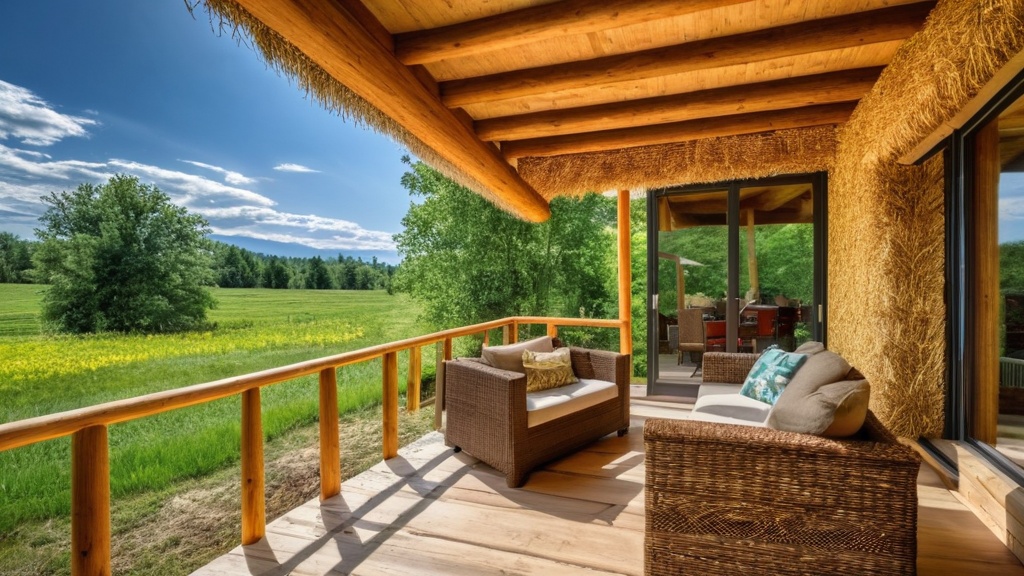
Straw bale construction offers a unique approach to building that combines sustainability with practicality. One of the most appealing aspects lies in its excellent insulation properties. Straw bales provide a high R-value, which means they can effectively keep homes warm in winter and cool in summer. This natural insulation reduces the need for excessive heating or cooling, leading to lower energy bills and a smaller carbon footprint. As we become more conscious of our environmental impact, the appeal of such eco-friendly building methods continues to grow.

Another benefit of straw bale construction is its affordability. Straw bales are often less expensive than traditional building materials, making them an attractive option for those looking to build on a budget. The availability of straw in many agricultural regions further contributes to cost-effectiveness. Additionally, the labor involved in constructing a straw bale home can be less intensive than that required for conventional homes, especially if we choose to take on some of the work ourselves. This combination of lower material costs and reduced labor expenses makes straw bale construction an appealing choice for many.

If you’re interested in sustainable living and building your dream straw bale home, you might also find value in exploring energy-efficient solutions for your home. A related article titled “Slash Your Electric Bill: 6 Bathroom Hacks” offers practical tips on reducing energy consumption in one of the most used spaces in your home. You can read it here: Slash Your Electric Bill: 6 Bathroom Hacks. This resource complements your journey towards creating an eco-friendly living environment.

Key Takeaways

  • Straw bale construction offers excellent insulation and sustainability benefits.
  • Careful planning and design are crucial for a successful straw bale home.
  • Location choice impacts the durability and comfort of your straw bale house.
  • Proper building techniques ensure structural integrity and longevity.
  • Incorporating energy-efficient features enhances sustainability and reduces costs.

Planning and Designing Your Straw Bale Home

Effective planning and design are vital components of any successful straw bale home project. We must first consider our specific needs and preferences, as well as the local climate and environment. Understanding how these factors influence our design will help us create a comfortable and functional living space. For instance, incorporating large windows can maximize natural light and enhance passive solar heating, while overhangs can provide shade during the hotter months.

Collaboration with an architect or designer experienced in straw bale construction can prove invaluable. They can help us navigate the unique challenges associated with this building method, such as load-bearing walls and moisture management. Together, we can explore various design options, from traditional styles to more modern interpretations, ensuring that our vision aligns with practical considerations. Ultimately, a well-thought-out design will not only reflect our personal style but also optimize the benefits of straw bale construction.

Choosing the Right Location for Your Straw Bale Home
Straw Bale Home

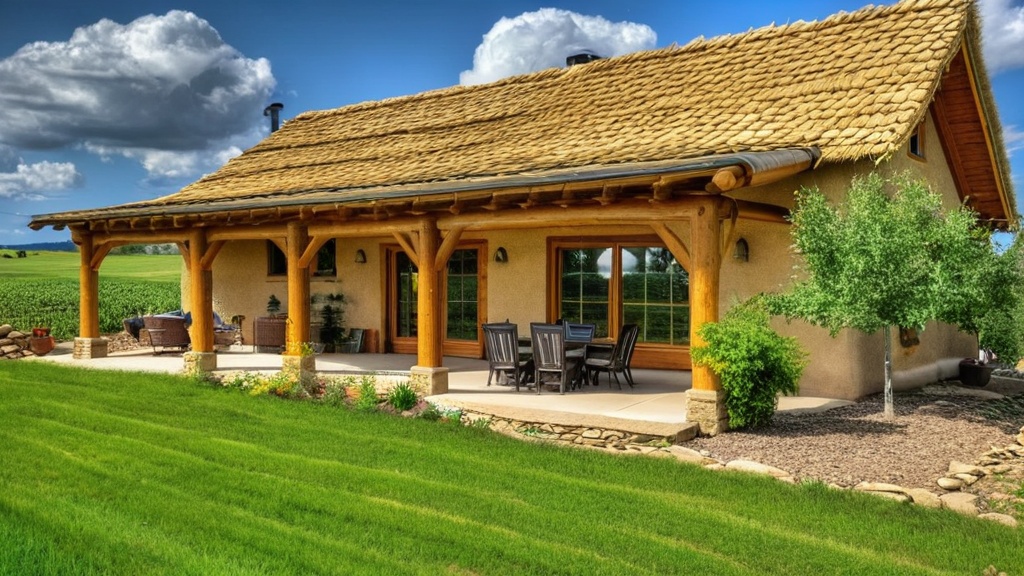
Selecting the ideal location for our straw bale home plays a crucial role in its overall success. Factors such as access to resources, proximity to amenities, and environmental conditions should all be taken into account. We should seek out areas with ample sunlight for passive solar heating and natural ventilation, as these elements will enhance the comfort of our living space.

Additionally, considering the local climate will help us determine the best orientation for our home to maximize energy efficiency.

Proximity to essential services is another important consideration. While rural settings may offer tranquility and beautiful landscapes, we must ensure that we have access to necessary resources such as water, electricity, and waste disposal. Balancing our desire for a peaceful retreat with practical needs will help us find a location that meets both our lifestyle preferences and functional requirements.

Building Techniques and Construction Methods for Straw Bale Homes

Photo Straw Bale Home

Understanding the various building techniques and construction methods available for straw bale homes is essential for a successful project. Two primary approaches exist: load-bearing and non-load-bearing construction. In load-bearing construction, straw bales serve as structural elements, supporting the weight of the roof and other components. This method can create thick walls that provide excellent insulation but requires careful planning to ensure stability.

Non-load-bearing construction involves using a frame or other structural system to support the roof while straw bales fill in the walls. This approach allows for greater flexibility in design and can simplify the construction process. Regardless of the method chosen, proper moisture management is critical to prevent issues such as mold or decay. Incorporating techniques like proper drainage and ventilation will help protect our investment and ensure the longevity of our straw bale home.
If you’re interested in sustainable living and innovative building techniques, you might also enjoy exploring the world of eco-friendly art and design. A related article on emerging artists showcases how creativity can blend with environmental consciousness, offering inspiration for your own straw bale home project. Check it out

Passive solar design principles should be at the forefront of our planning process.

Strategically placing windows to capture sunlight during winter months while minimizing heat gain during summer will create a comfortable living environment year-round.

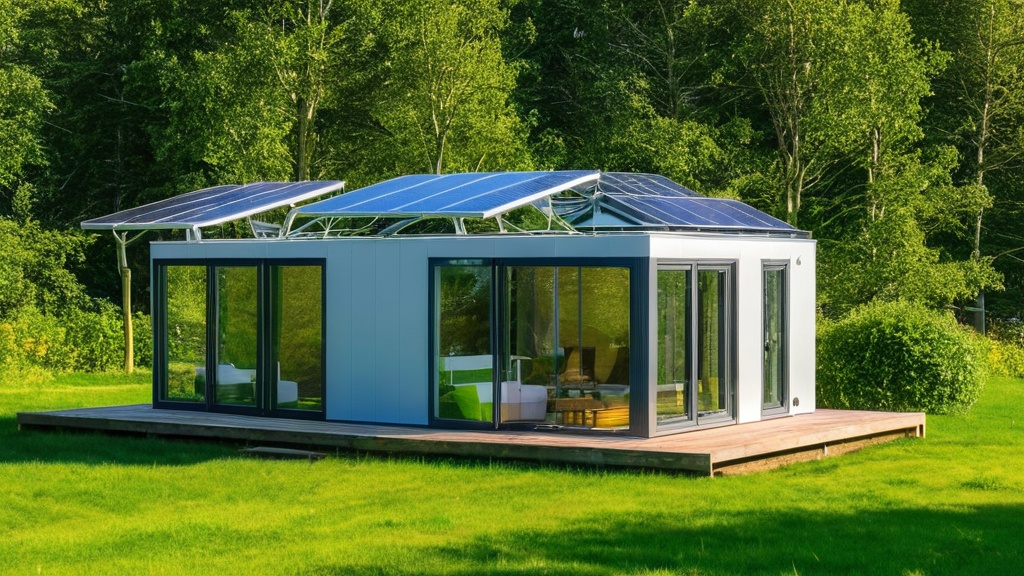
Incorporating renewable energy sources such as solar panels or wind turbines can further reduce reliance on fossil fuels. These systems can provide clean energy for our home, lowering utility costs and contributing to a more sustainable lifestyle. Rainwater harvesting systems can also be beneficial, allowing us to collect and utilize rainwater for irrigation or even household use, depending on local regulations.

Budgeting and Financing Your Straw Bale Home Project

Establishing a realistic budget is crucial when embarking on a straw bale home project. We must account for various expenses, including land acquisition, materials, labor, permits, and utilities. Creating a detailed budget will help us identify potential cost-saving opportunities while ensuring that we remain on track throughout the construction process.

Exploring financing options is another important aspect of budgeting. Traditional mortgages may be available for straw bale homes, but some lenders may require additional documentation or inspections due to the unconventional nature of this building method. Researching local grants or incentives for sustainable building practices can provide additional financial support. By carefully planning our budget and exploring financing options, we can make our dream of a straw bale home a reality.

Maintaining and Caring for Your Straw Bale Home

Proper maintenance is essential for preserving the integrity and longevity of our straw bale home. Regular inspections of exterior finishes will help identify any signs of wear or damage that may compromise moisture protection. Addressing issues promptly will prevent more significant problems down the line.

We should also pay attention to landscaping around our home. Proper drainage systems can help divert water away from the foundation, reducing the risk of moisture-related issues. Maintaining vegetation around the property can provide additional insulation while enhancing aesthetics. With diligent care and attention, we can ensure that our straw bale home remains a comfortable and sustainable haven for years to come.

FAQs

What is a straw bale home?

A straw bale home is a type of building constructed using bales of straw as the primary insulation and structural material. These homes are known for their excellent insulation properties, sustainability, and natural aesthetic.

What are the benefits of building a straw bale home?

Straw bale homes offer superior insulation, which can reduce energy costs. They are environmentally friendly, using renewable materials, and provide good soundproofing. Additionally, straw bale construction can be cost-effective and create a unique, natural look.

Is straw bale construction suitable for all climates?

Straw bale homes perform best in dry or moderate climates due to the risk of moisture damage. However, with proper design, moisture barriers, and maintenance, they can be adapted for various climates, including wetter regions.

What are the key steps in building a straw bale home?

Key steps include designing the home, preparing the foundation, stacking and securing the straw bales, applying plaster or stucco for protection, installing windows and doors, and finishing interior and exterior surfaces.

Are straw bale homes durable and safe?

Yes, when properly constructed and maintained, straw bale homes are durable and fire-resistant due to the density of the bales. They meet building codes in many areas and can last for decades with appropriate care.

Latest Posts

  • Creating an Eco-Friendly City: Sustainable Solutions for a Greener Future

    Creating an Eco-Friendly City: Sustainable Solutions for a Greener Future

    You envision a city reborn, a metropolis where grey concrete yields to verdant spaces and fossil fuels cede their dominion to clean energy. You desire an urban tapestry woven with threads of sustainability, a beacon for generations to come. Creating an eco-friendly city requires a multifaceted approach, a symphony of innovative solutions working in concert.

    Read more →

  • Building Your Dream Straw Bale Home: Complete Guide

    Building Your Dream Straw Bale Home: Complete Guide

    Straw bale construction offers a unique approach to building that combines sustainability with practicality. One of the most appealing aspects lies in its excellent insulation properties. Straw bales provide a high R-value, which means they can effectively keep homes warm in winter and cool in summer. This natural insulation reduces the need for excessive heating

    Read more →

  • Creating Self-Sustaining Homes: A Sustainable Future

    Creating Self-Sustaining Homes: A Sustainable Future

    You stand at a crossroads, a point where the choices you make today will echo through the future. The concept of a self-sustaining home represents a profound shift in how you interact with your environment, a move away from consumption towards a symbiotic relationship. Imagine your dwelling not as a drain on resources, but as

    Read more →