

In recent years, the concept of sustainability has gained immense traction, particularly in the realm of construction and home design. As we become increasingly aware of our environmental footprint, the demand for green building practices has surged. Green building certifications serve as a benchmark for assessing the sustainability of buildings, ensuring that they meet specific environmental standards. These certifications not only promote energy efficiency and resource conservation but also enhance the overall quality of life for occupants. Homeowners seeking to make informed decisions about their properties can benefit greatly from understanding these certifications.
Green building certifications provide a framework for evaluating the environmental performance of buildings. Various organizations have developed standards that address different aspects of sustainability, including energy efficiency, water conservation, and indoor air quality. As we explore the various certifications available, it becomes clear that they play a vital role in guiding homeowners toward more sustainable living practices.
By adopting green building principles, we contribute to a healthier planet while potentially increasing the value of our homes.
For homeowners looking to enhance their understanding of sustainable practices, the article “How to Reduce Water Waste During Laundry Day” offers valuable insights that complement the principles of LEED and BREEAM. By implementing water-saving techniques in everyday activities, homeowners can further contribute to the environmental goals outlined in these certification systems. To explore more about efficient water usage, you can read the article here: How to Reduce Water Waste During Laundry Day.
Key Takeaways
- Green building certifications like LEED and BREEAM guide homeowners in sustainable construction and design.
- LEED certification offers benefits such as energy efficiency, cost savings, and improved indoor air quality.
- BREEAM provides a comprehensive assessment focusing on environmental performance and sustainability.
- Comparing LEED and BREEAM helps homeowners choose the best certification based on their goals and location.
- Obtaining green certifications can enhance home values and requires a structured process involving assessment and compliance.
Understanding LEED Certification for Homeowners
LEED, or Leadership in Energy and Environmental Design, stands as one of the most recognized green building certification programs worldwide. Developed by the U.S. Green Building Council, LEED provides a comprehensive rating system that evaluates buildings based on various sustainability criteria. Homeowners interested in LEED certification must understand its core components, which include energy efficiency, water usage, materials selection, and indoor environmental quality. Each category offers points that contribute to a building’s overall score, ultimately determining its certification level.
Achieving LEED certification involves a thorough assessment process. Homeowners must work with accredited professionals who can guide them through the necessary steps to meet the program’s requirements. The certification process begins with a detailed evaluation of the home’s design and construction practices. By focusing on energy-efficient systems, sustainable materials, and innovative design strategies, homeowners can earn points toward their LEED certification. Understanding these criteria empowers us to make choices that align with our sustainability goals.
The Benefits of LEED Certification for Homeowners

Homeowners who pursue LEED certification can enjoy a multitude of benefits that extend beyond mere compliance with environmental standards. One of the most compelling advantages lies in energy savings. LEED-certified homes often incorporate advanced technologies and design strategies that reduce energy consumption, leading to lower utility bills over time. As we invest in energy-efficient systems, we not only save money but also contribute to a reduction in greenhouse gas emissions.
In addition to financial savings, LEED certification enhances the overall quality of life within our homes. Improved indoor air quality, natural lighting, and efficient water usage create healthier living environments for occupants. Families can experience increased comfort and well-being as they inhabit spaces designed with sustainability in mind. Furthermore, many potential homebuyers actively seek out LEED-certified properties, recognizing their value in terms of energy efficiency and environmental responsibility. This growing demand can lead to higher resale values for certified homes.
Exploring BREEAM Certification for Homeowners
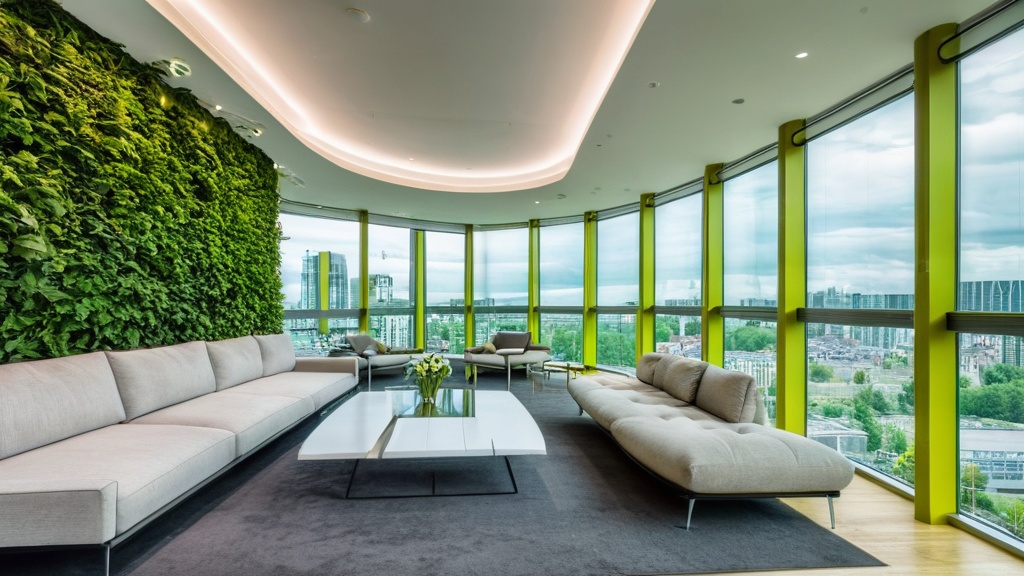
BREEAM, or Building Research Establishment Environmental Assessment Method, represents another prominent green building certification program. Originating in the United Kingdom, BREEAM evaluates buildings based on their environmental performance across several categories, including energy use, health and well-being, and pollution management. Homeowners interested in BREEAM certification must familiarize themselves with its specific criteria and assessment methods.
The BREEAM certification process involves a comprehensive evaluation conducted by licensed assessors who analyze various aspects of the home’s design and construction. Homeowners can earn credits in multiple categories by implementing sustainable practices such as using renewable energy sources, optimizing water efficiency, and selecting environmentally friendly materials. Understanding the BREEAM framework allows us to make informed decisions that align with our sustainability objectives while contributing to a more sustainable built environment.
For homeowners looking to enhance their understanding of sustainable living, exploring the principles of LEED and BREEAM can be incredibly beneficial. These certification systems not only promote energy efficiency and environmental responsibility but also provide valuable insights into creating a more sustainable home. Additionally, you might find it helpful to read about sustainable laundry practices, which can further complement your efforts in making eco-friendly choices. To learn more, check out this informative article on sustainable laundry practices for every household.
Comparing LEED and BREEAM Certifications
| Metric | LEED (Leadership in Energy and Environmental Design) | BREEAM (Building Research Establishment Environmental Assessment Method) |
|---|---|---|
| Origin | United States | United Kingdom |
| Certification Levels | Certified, Silver, Gold, Platinum | Pass, Good, Very Good, Excellent, Outstanding |
| Assessment Categories | Energy, Water, Materials, Indoor Environmental Quality, Sustainable Sites, Innovation | Energy, Health & Wellbeing, Innovation, Land Use, Materials, Management, Pollution, Transport, Waste, Water |
| Focus Areas for Homeowners | Energy efficiency, water conservation, indoor air quality, sustainable materials | Energy use, water management, waste reduction, health and wellbeing, materials |
| Typical Certification Process Duration | 3 to 6 months | 2 to 4 months |
| Global Reach | Widely used internationally, especially in North America | Primarily UK and Europe, expanding globally |
| Cost Considerations | Certification fees vary by project size and level | Assessment fees depend on building size and complexity |
| Benefits for Homeowners | Lower utility bills, increased property value, healthier living environment | Reduced environmental impact, improved comfort, potential insurance benefits |
When considering green building certifications, comparing LEED and BREEAM reveals both similarities and differences that can influence our choices as homeowners. Both programs emphasize sustainability and aim to reduce the environmental impact of buildings. However, they differ in their assessment criteria and regional focus. LEED primarily caters to North American standards, while BREEAM has its roots in the UK and is more widely recognized in Europe.
Another key distinction lies in the scoring systems employed by each certification program. LEED awards points based on specific criteria, while BREEAM uses a credit-based system that allows for greater flexibility in achieving certification levels. Homeowners must weigh these differences when deciding which certification aligns best with their goals and values. Understanding the nuances between LEED and BREEAM enables us to make informed decisions that reflect our commitment to sustainability.
For homeowners looking to enhance their understanding of sustainable building certifications, exploring the differences between LEED and BREEAM can be quite enlightening. A related article that delves into various aspects of sustainable living is available at Unveiling the Secrets of Sustainable Living, which provides valuable insights into eco-friendly practices and how they can be integrated into everyday life. This resource complements the information on LEED and BREEAM by offering practical tips for creating a more sustainable home environment.
How Green Building Certifications Can Impact Home Values
The impact of green building certifications on home values cannot be overstated. As awareness of environmental issues continues to grow, more homebuyers are prioritizing energy-efficient and sustainable properties. Homes with certifications like LEED or BREEAM often command higher prices in the real estate market due to their perceived value and lower operating costs. Homeowners who invest in green building practices may find that their properties appreciate more rapidly than conventional homes.
In addition to financial benefits, certified homes often attract environmentally conscious buyers who are willing to pay a premium for sustainable features. The long-term savings associated with energy-efficient systems can be a significant selling point when marketing a property. As we consider the future resale potential of our homes, pursuing green building certifications becomes an attractive option that aligns with both personal values and financial goals.
The Process of Obtaining Green Building Certifications for Homeowners
Obtaining green building certifications requires careful planning and collaboration with professionals experienced in sustainable design and construction practices. The process typically begins with an assessment of the home’s current state or proposed design. Homeowners should engage with accredited professionals who can guide them through the certification requirements specific to their chosen program.
Once we establish a clear understanding of the certification criteria, we can implement necessary changes or upgrades to meet those standards. This may involve selecting energy-efficient appliances, improving insulation, or incorporating renewable energy sources such as solar panels. After completing the required modifications, an official assessment will take place to evaluate compliance with the certification program’s guidelines. Successfully navigating this process empowers us to achieve our sustainability goals while enhancing our homes’ value.
Making Informed Decisions as a Homeowner
As homeowners, making informed decisions about our properties involves understanding the importance of green building certifications like LEED and BREEAM. These certifications not only promote sustainable living practices but also offer tangible benefits such as energy savings and increased property values. By exploring the various options available and understanding their unique features, we can align our choices with our values and contribute positively to the environment.
Investing in green building practices represents a commitment to sustainability that extends beyond individual homes; it fosters a collective effort toward creating healthier communities and a more sustainable future. As we navigate the complexities of homeownership, embracing green building certifications empowers us to make choices that reflect our dedication to environmental stewardship while enhancing our quality of life.
FAQs
What is LEED certification for homes?
LEED (Leadership in Energy and Environmental Design) is a green building certification program that recognizes environmentally responsible and energy-efficient construction. For homeowners, LEED certification indicates that a home meets specific standards for sustainability, energy savings, water efficiency, and indoor environmental quality.
What does BREEAM stand for and how does it apply to residential buildings?
BREEAM stands for Building Research Establishment Environmental Assessment Method. It is a widely used environmental assessment method for buildings, including homes, that evaluates sustainability performance across categories such as energy use, health and wellbeing, pollution, transport, materials, waste, water, and ecology.
How do LEED and BREEAM differ in their approach to home certification?
LEED is a point-based system primarily used in North America, focusing on energy efficiency, water savings, and indoor environmental quality. BREEAM, originating in the UK, assesses a broader range of environmental impacts and places more emphasis on ecological and material considerations. Both systems aim to promote sustainable building but have different criteria and regional focuses.
What are the benefits of having a LEED or BREEAM certified home?
Certified homes typically have lower energy and water bills, improved indoor air quality, and reduced environmental impact. They may also have higher resale values and qualify for incentives or rebates. Certification demonstrates a commitment to sustainability and can provide peace of mind regarding the home’s environmental performance.
How can homeowners pursue LEED or BREEAM certification for their homes?
Homeowners can work with architects, builders, or consultants experienced in LEED or BREEAM standards to design and construct or retrofit their homes. The process involves meeting specific criteria, documenting compliance, and undergoing third-party verification. Each certification has its own application process and fees, which vary depending on the project’s scope.