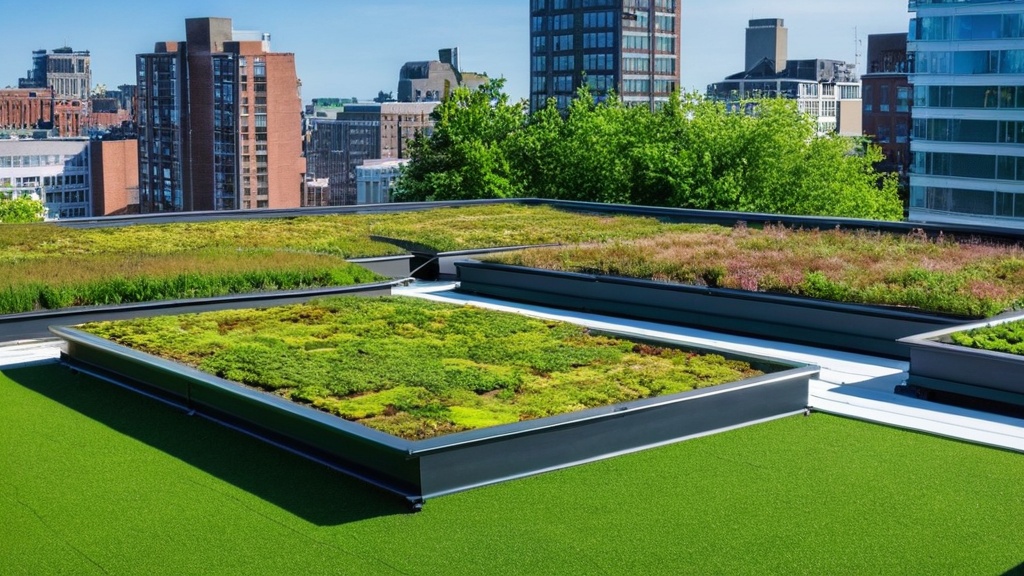
Green roof retrofitting represents a transformative approach to urban architecture, integrating nature into the built environment. As cities expand and green spaces diminish, retrofitting existing structures with green roofs offers a sustainable solution to combat urban heat islands, improve air quality, and enhance biodiversity. This practice involves installing a layer of vegetation on rooftops, which not only beautifies the skyline but also provides numerous ecological benefits. We find ourselves at a critical juncture where the need for sustainable urban development is more pressing than ever, making green roofs an attractive option for both new constructions and existing buildings.
The process of retrofitting a green roof requires careful planning and execution. It involves assessing the existing structure, selecting appropriate plant species, and ensuring that the roof can support the additional weight of soil and vegetation. We must consider various factors, including climate, local regulations, and the specific needs of the building. Engaging with architects, engineers, and landscape designers can help us navigate the complexities of this undertaking. Ultimately, green roof retrofitting not only contributes to environmental sustainability but also enhances the aesthetic appeal and value of our properties.
When exploring the concept of green roof retrofitting, it’s essential to consider the broader implications of eco-friendly living. A related article that delves into the benefits of sustainable practices is available at The Benefits of Eco-Friendly Living and How to Get Started Today. This resource provides valuable insights into how adopting eco-friendly habits can enhance not only individual well-being but also contribute to environmental sustainability, making it a great complement to the discussion on green roofs.
Key Takeaways
- Green roof retrofitting involves adding vegetation layers to existing roofs for environmental and energy benefits.
- Assessing the building’s structure and load capacity is crucial before installation to ensure safety and feasibility.
- Selecting suitable planting systems depends on climate, roof type, and maintenance capabilities.
- Proper waterproofing and drainage systems are essential to prevent leaks and manage water effectively.
- Long-term maintenance, permits, and budgeting must be planned to ensure the green roof’s success and compliance.
Assessing Building Structure and Load-Bearing Capacity
Before embarking on a green roof retrofitting project, we must conduct a thorough assessment of the building’s structure and load-bearing capacity. Understanding the existing framework is vital to ensure that it can support the additional weight of soil, plants, and water. Structural engineers play a key role in this evaluation, providing insights into the building’s design and materials. They can identify any potential weaknesses or areas that may require reinforcement to accommodate the new green roof system.
In addition to structural integrity, we should consider the roof’s slope and drainage capabilities. A flat or slightly sloped roof may be more suitable for a green roof installation, as it allows for better water retention and drainage. We must also evaluate any existing roofing materials that could impact the installation process. Conducting a comprehensive analysis will help us determine whether retrofitting is feasible or if alternative solutions are necessary.
Ultimately, ensuring that our building can support a green roof is a fundamental step in creating a successful and sustainable installation.
Selecting the Right Planting System
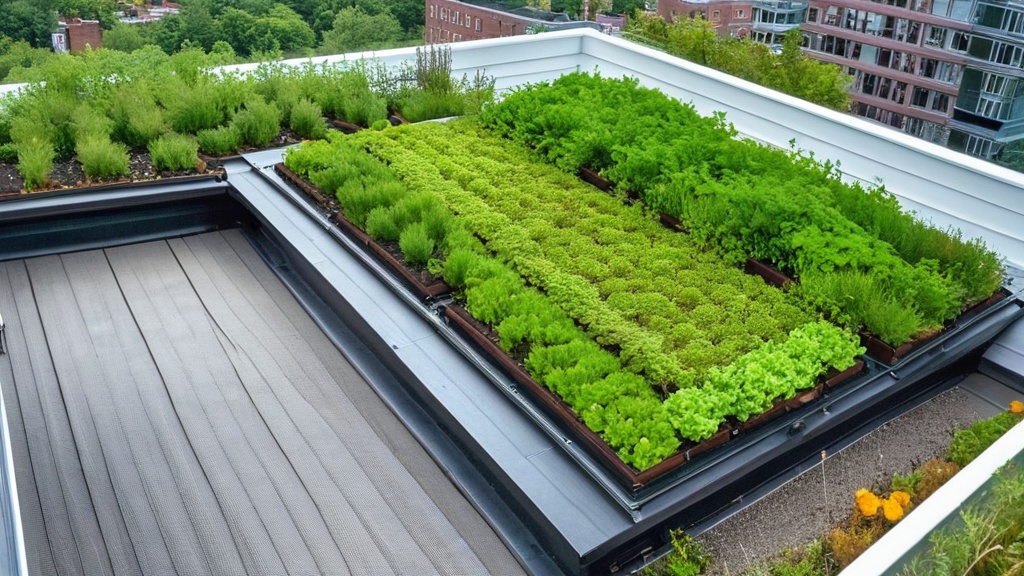
Choosing the right planting system is crucial for the success of our green roof retrofitting project. Various planting systems exist, each with its own set of advantages and challenges. Extensive green roofs typically feature shallow soil depths and drought-resistant plants, making them ideal for low-maintenance applications. On the other hand, intensive green roofs allow for deeper soil profiles and a wider variety of plant species, including shrubs and small trees. We must carefully consider our goals for the green roof when selecting the appropriate system.
Factors such as climate, sunlight exposure, and local flora should guide our decision-making process. Native plants often thrive in their natural environments, requiring less water and maintenance over time. Incorporating a diverse range of plant species can enhance biodiversity and create a more resilient ecosystem on our rooftops. Additionally, we should consider the aesthetic aspects of our planting choices, as a visually appealing green roof can significantly enhance the overall appeal of our building. Ultimately, selecting the right planting system will contribute to the long-term success and sustainability of our green roof.
Choosing the Appropriate Waterproofing and Drainage System
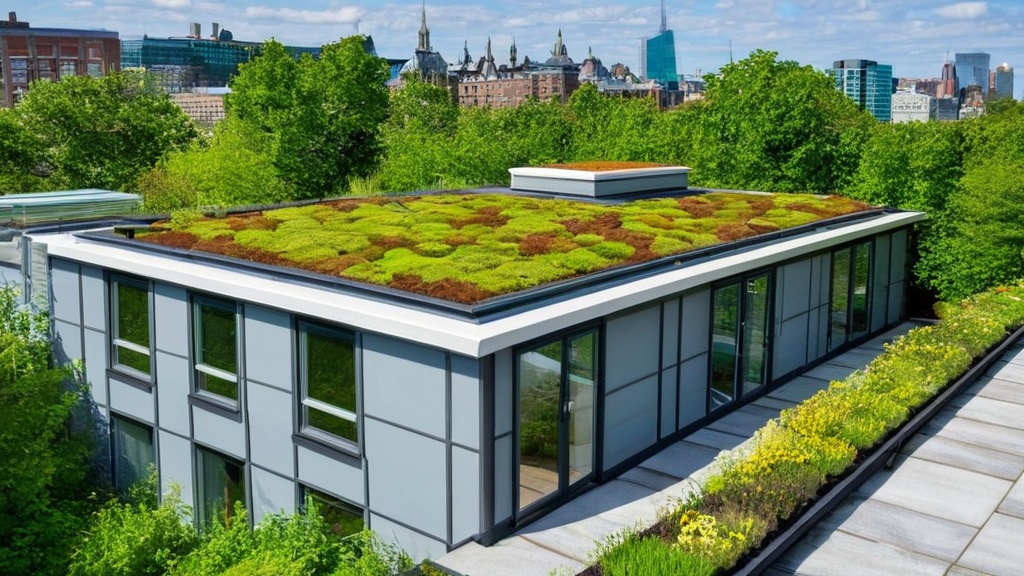
A reliable waterproofing and drainage system is essential for protecting our building from potential water damage while ensuring proper plant health on our green roof. The waterproofing layer acts as a barrier between the vegetation and the underlying structure, preventing moisture infiltration that could lead to structural issues over time. We must select high-quality materials that are durable and resistant to root penetration to safeguard our investment.
In addition to waterproofing, an effective drainage system is vital for managing excess water on the green roof. Proper drainage prevents waterlogging, which can harm plant roots and compromise their growth. Various drainage solutions are available, including drainage mats, gravel layers, and perforated pipes. Each option has its own benefits depending on the specific design of our green roof. We should work closely with professionals to determine the best combination of waterproofing and drainage systems that will meet our needs while ensuring long-term performance.
When exploring the benefits of green roof retrofitting, it’s essential to consider the broader implications of sustainable practices in urban environments. A related article discusses the hidden costs of waste and offers insights on how adopting eco-friendly measures can lead to significant savings. You can read more about this topic in the article on how to save energy at home.
Evaluating Environmental Benefits and Energy Savings
The environmental benefits of green roofs extend far beyond aesthetics; they play a vital role in promoting sustainability within urban environments. Green roofs contribute to improved air quality by filtering pollutants and absorbing carbon dioxide. They also provide habitats for various species, fostering biodiversity in densely populated areas. As we evaluate these benefits, we recognize that green roofs can significantly mitigate urban heat island effects by reducing ambient temperatures through evapotranspiration.
Energy savings represent another compelling advantage of green roofs. The insulation properties of soil and vegetation help regulate indoor temperatures, reducing reliance on heating and cooling systems. This can lead to lower energy bills and decreased greenhouse gas emissions over time.
As we assess the potential impact of our green roof retrofitting project, it becomes clear that investing in this sustainable solution not only benefits our immediate environment but also contributes to broader efforts in combating climate change.
Obtaining Necessary Permits and Approvals
Before proceeding with our green roof retrofitting project, we must navigate the regulatory landscape to obtain necessary permits and approvals. Local building codes often dictate specific requirements for structural modifications, including those related to green roofs. Engaging with local authorities early in the planning process can help us understand what documentation is required and streamline approval timelines.
In addition to building permits, we may need to consider zoning regulations that govern land use in our area. Some municipalities offer incentives or grants for sustainable building practices, which could provide financial support for our project. Collaborating with professionals who have experience in navigating these regulatory processes can save us time and effort while ensuring compliance with all necessary guidelines.
Budgeting and Cost Considerations
Budgeting for a green roof retrofitting project requires careful consideration of various factors that influence overall costs. Initial expenses may include structural assessments, design fees, materials for waterproofing and drainage systems, as well as plant selection. While upfront costs can be significant, it is essential to view this investment through a long-term lens that accounts for potential energy savings and increased property value.
We should also factor in ongoing maintenance costs when developing our budget. Regular upkeep will require resources for labor, materials, and any necessary repairs or replacements over time. Exploring financing options or grants available for sustainable projects can help alleviate some financial burdens associated with retrofitting a green roof. Ultimately, creating a comprehensive budget will enable us to make informed decisions throughout the planning and implementation phases of our project.
In conclusion, embarking on a green roof retrofitting project presents an opportunity to enhance urban environments while promoting sustainability. By understanding the intricacies involved in assessing building structures, selecting planting systems, ensuring proper waterproofing and drainage, considering maintenance needs, evaluating environmental benefits, navigating regulatory requirements, and budgeting effectively, we position ourselves for success in creating vibrant green spaces atop our buildings. Through collaboration with professionals and careful planning, we can transform our rooftops into thriving ecosystems that contribute positively to both our communities and the planet as a whole.
FAQs
What is green roof retrofitting?
Green roof retrofitting involves adding a green roof system to an existing building that was not originally designed to support one. This process includes assessing the building’s structural capacity, waterproofing, and drainage before installing vegetation layers.
What are the key structural considerations for retrofitting a green roof?
Key structural considerations include evaluating the load-bearing capacity of the roof to support the additional weight of soil, plants, and water. Reinforcement may be necessary to ensure safety and stability. Additionally, the roof’s slope and existing drainage systems must be assessed.
How does green roof retrofitting benefit a building?
Retrofitting a green roof can improve insulation, reduce urban heat island effects, manage stormwater runoff, enhance biodiversity, and increase the aesthetic appeal of the building. It can also contribute to energy savings by reducing heating and cooling demands.
What types of green roofs are suitable for retrofitting?
Extensive green roofs, which are lightweight and require minimal maintenance, are often preferred for retrofitting. However, semi-intensive or intensive green roofs can also be considered if the building structure can support the additional load.
What maintenance is required after retrofitting a green roof?
Maintenance includes regular inspection of the waterproof membrane, irrigation systems, and drainage. Vegetation should be monitored for health, weeds removed, and any necessary fertilization or pruning performed to ensure the longevity and effectiveness of the green roof.