

Water scarcity and inefficient usage have become pressing global issues. As populations grow and climate change intensifies, the demand for effective water management systems has never been more critical. Smart water management systems represent a transformative approach to addressing these challenges. These systems leverage advanced technologies, such as the Internet of Things (IoT), artificial intelligence, and data analytics, to optimize water distribution, monitor usage, and enhance overall efficiency.
Our understanding of water management has evolved significantly over the years. Traditional methods often relied on manual monitoring and outdated infrastructure, leading to waste and inefficiencies. In contrast, smart water management systems provide real-time data and insights, allowing for proactive decision-making. This shift not only improves resource allocation but also fosters sustainable practices that benefit both communities and the environment.
In exploring the advancements in smart water management systems, it is essential to consider the broader implications of water quality and safety. A related article that delves into the impact of chemical cleaning products on both health and the environment can provide valuable insights into the importance of maintaining clean water sources. For more information, you can read the article here: How Chemical Cleaning Products Affect Your Health and the Environment.
Key Takeaways
- Smart water management systems use technology to optimize water use and reduce waste.
- Key components include sensors, data analytics, and automated controls.
- These systems significantly aid water conservation by detecting leaks and monitoring usage in real-time.
- Successful case studies demonstrate improved efficiency and cost savings in various sectors.
- Future innovations focus on AI integration and enhanced data-driven decision-making for smarter water management.
Benefits of Implementing Smart Water Management Systems
Implementing smart water management systems offers a multitude of benefits that extend beyond mere efficiency. One of the most notable advantages lies in the reduction of water loss. Aging infrastructure often leads to leaks and wastage, but smart systems can detect these issues promptly, allowing for timely repairs. This capability not only conserves water but also saves municipalities significant costs associated with lost resources.
Another key benefit involves enhanced customer engagement. Smart water management systems provide consumers with detailed insights into their water usage patterns. Armed with this information, individuals can make informed decisions about their consumption habits, leading to more responsible usage. Communities that adopt these systems often witness a cultural shift towards sustainability, as residents become more aware of their impact on local water resources.
Components of a Smart Water Management System
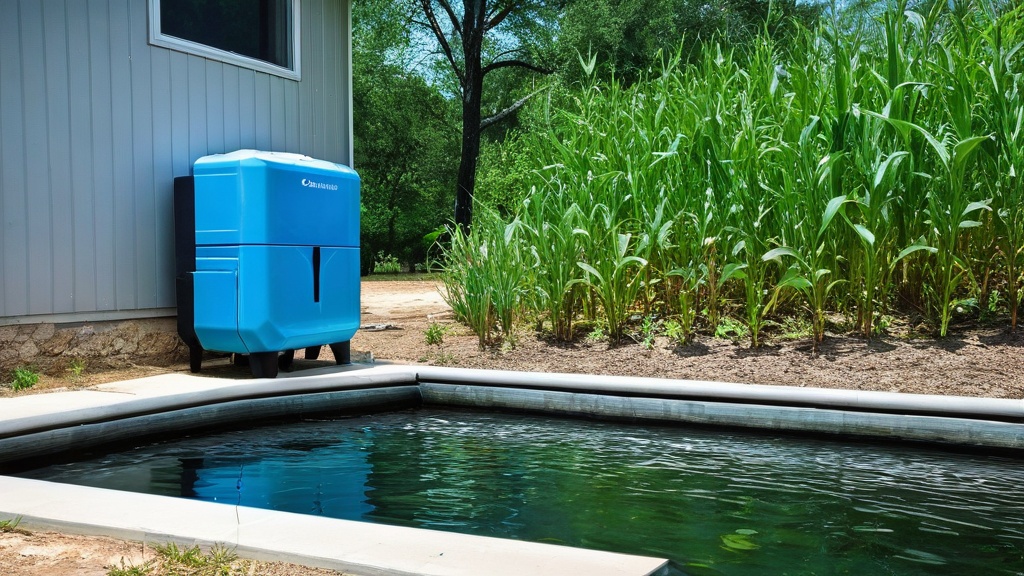
A comprehensive smart water management system comprises several interconnected components that work in harmony to optimize water usage. Sensors play a vital role in this ecosystem, collecting data on various parameters such as flow rates, pressure levels, and water quality. These sensors are strategically placed throughout the distribution network to ensure comprehensive monitoring.
Data analytics platforms serve as the brain of the system, processing the information gathered by sensors. Advanced algorithms analyze trends and anomalies, providing actionable insights for operators. Additionally, user-friendly dashboards present this data in an accessible format, enabling stakeholders to make informed decisions quickly. Integration with mobile applications further enhances user experience, allowing consumers to track their usage in real time.
How Smart Water Management Systems Help in Conservation
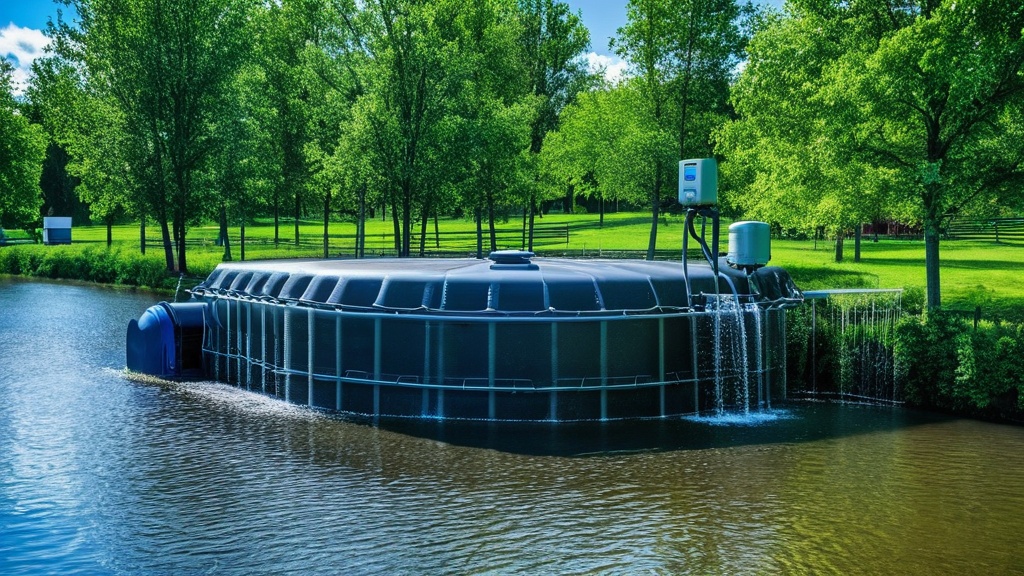
Conservation efforts benefit immensely from the implementation of smart water management systems. Real-time monitoring allows for immediate identification of leaks or inefficiencies within the distribution network. Addressing these issues promptly minimizes water loss and promotes responsible usage among consumers.
Furthermore, predictive analytics can forecast future water demand based on historical data and environmental factors. This foresight enables municipalities to allocate resources more effectively, ensuring that supply meets demand without unnecessary waste. As communities adopt these practices, they contribute to broader conservation efforts that protect vital water resources for future generations.
In the realm of sustainable living, innovative solutions like the latest smart water management systems are gaining traction for their ability to optimize water usage and reduce waste. These technologies not only enhance efficiency but also contribute to environmental conservation efforts. For those interested in exploring more about eco-friendly practices, a related article discusses the eco-friendliness of everyday products, including diapers, which can significantly impact our planet. You can read more about it in this insightful piece on going green.
Case Studies of Successful Implementation of Smart Water Management Systems
| System Name | Technology Used | Key Features | Water Savings (%) | Installation Type | Real-time Monitoring | Integration Capability |
|---|---|---|---|---|---|---|
| AquaSense Pro | IoT Sensors & AI Analytics | Leak Detection, Usage Forecasting, Automated Alerts | 30 | Residential & Commercial | Yes | Smart Home Systems, Cloud Platforms |
| HydroSmart 360 | Wireless Sensor Networks & Machine Learning | Pressure Management, Remote Valve Control, Data Visualization | 25 | Municipal & Industrial | Yes | SCADA, ERP Systems |
| EcoFlow Manager | AI-driven Analytics & Cloud Computing | Demand Response, Water Quality Monitoring, Predictive Maintenance | 35 | Commercial & Agricultural | Yes | IoT Platforms, Mobile Apps |
| SmartDrop | Bluetooth Sensors & Mobile Integration | Real-time Leak Alerts, Usage Tracking, User-friendly App | 20 | Residential | Yes | Mobile Devices, Smart Assistants |
| BlueWave Control | Edge Computing & Sensor Fusion | Automated Irrigation, Weather Adaptation, Energy Efficient | 40 | Agricultural & Landscape | Yes | Cloud Services, Agricultural Management Systems |
Numerous cities around the world have successfully implemented smart water management systems, showcasing their effectiveness in addressing water-related challenges. For instance, Singapore has emerged as a leader in this field with its “Smart Water Management” initiative. The city-state employs a network of sensors and data analytics to monitor its water supply and distribution system continuously. As a result, Singapore has achieved remarkable reductions in water leakage rates and improved overall efficiency.
Another compelling example comes from Barcelona, Spain. The city implemented a smart water management system that integrates IoT technology to monitor consumption patterns across its neighborhoods. This initiative has empowered residents to take control of their water usage while enabling city officials to identify areas for improvement. The success of Barcelona’s approach highlights the potential for smart systems to foster collaboration between municipalities and their citizens.
Challenges and Considerations in Implementing Smart Water Management Systems
Despite the numerous benefits associated with smart water management systems, challenges remain in their implementation. One significant hurdle involves the initial investment required for technology deployment and infrastructure upgrades.
Municipalities must weigh the long-term savings against upfront costs, which can be a barrier for some communities.
Data privacy and security also pose concerns as smart systems rely heavily on data collection and analysis. Ensuring that sensitive information remains protected is paramount to maintaining public trust. Stakeholders must establish robust cybersecurity measures and transparent policies regarding data usage to address these issues effectively.
Future Trends and Innovations in Smart Water Management Systems
The future of smart water management systems appears promising as technology continues to advance. Innovations such as artificial intelligence and machine learning are set to revolutionize how we manage water resources. These technologies can enhance predictive analytics capabilities, allowing for even more accurate forecasting of demand and supply fluctuations.
Integration with renewable energy sources presents another exciting trend. Solar-powered sensors and smart meters can operate independently of traditional power grids, reducing operational costs while promoting sustainability. As communities increasingly prioritize environmental responsibility, such innovations will play a crucial role in shaping the future of water management.
Tips for Choosing the Right Smart Water Management System for Your Needs
Selecting the right smart water management system requires careful consideration of various factors. First, assessing specific needs is essential; understanding the unique challenges faced by a community will guide decision-making. Engaging with stakeholders, including local residents and businesses, can provide valuable insights into what features are most important.
Evaluating technology providers is another critical step in the selection process. Researching vendors’ track records and customer reviews can help identify reliable partners who offer robust solutions tailored to specific requirements. Finally, considering scalability is vital; choosing a system that can grow alongside community needs ensures long-term viability and effectiveness.
In conclusion, smart water management systems represent a transformative approach to addressing global water challenges. By leveraging advanced technologies and data-driven insights, these systems offer numerous benefits that extend beyond efficiency gains. As communities continue to embrace innovation in water management, they pave the way for a more sustainable future where resources are conserved for generations to come.
FAQs
What are smart water management systems?
Smart water management systems use advanced technologies such as sensors, IoT devices, and data analytics to monitor, control, and optimize water usage and distribution efficiently.
How do smart water management systems benefit users?
These systems help reduce water waste, detect leaks early, improve water quality, lower operational costs, and support sustainable water resource management.
What technologies are commonly used in smart water management systems?
Common technologies include IoT sensors, automated valves, cloud computing, AI-driven analytics, remote monitoring platforms, and mobile applications.
Where are smart water management systems typically implemented?
They are used in municipal water supply networks, agricultural irrigation, industrial water management, and residential buildings to enhance water efficiency and reliability.
Can smart water management systems help in water conservation?
Yes, by providing real-time data and automated controls, these systems enable precise water usage, reducing waste and promoting conservation efforts.
Are smart water management systems expensive to install?
Initial installation costs can vary depending on system complexity and scale, but long-term savings from reduced water loss and improved efficiency often offset these expenses.
How do smart water management systems detect leaks?
They use sensors to monitor water flow and pressure continuously; anomalies or sudden changes trigger alerts for potential leaks.
Is the data collected by smart water management systems secure?
Reputable systems implement encryption, secure communication protocols, and access controls to protect user data and ensure privacy.
Can smart water management systems integrate with existing infrastructure?
Many systems are designed to be compatible with current water infrastructure, allowing for gradual upgrades without complete replacements.
What is the future outlook for smart water management systems?
Advancements in AI, machine learning, and sensor technology are expected to make these systems more efficient, affordable, and widely adopted globally.