Reclaimed and upcycled furniture represents a growing trend in home decor that combines creativity with sustainability. As environmental awareness increases, consumers increasingly seek alternatives to mass-produced items. Reclaimed furniture utilizes wood or materials salvaged from old structures, while upcycling converts discarded items into new, functional pieces.
These practices reduce waste while adding distinctive character to living spaces. The appeal of reclaimed and upcycled furniture stems from its uniqueness. Each piece carries historical significance, often showcasing craftsmanship from earlier periods.
These items enhance homes aesthetically while supporting sustainable practices. Beyond visual appeal, such furniture encourages consumers to reflect on consumption patterns and environmental impact, promoting more conscious lifestyle choices.
Key Takeaways
- Reclaimed and upcycled furniture offers eco-friendly and unique home decor options.
- Benefits include reducing waste, saving resources, and adding character to interiors.
- DIY projects allow personalization and creativity using reclaimed materials.
- Selecting quality reclaimed materials is key for durability and aesthetic appeal.
- Incorporating these pieces supports sustainable living and promotes environmental responsibility.
Benefits of Reclaimed and Upcycled Furniture
Choosing reclaimed and upcycled furniture offers numerous advantages that extend beyond mere aesthetics. First, opting for these pieces contributes to environmental conservation. By repurposing materials, we help reduce the demand for new resources, which often leads to deforestation and increased carbon emissions.
Each item we choose to reclaim or upcycle represents a step toward a more sustainable future. Financial savings also play a significant role in the appeal of reclaimed and upcycled furniture. Many of us find that purchasing second-hand or repurposed items can be more budget-friendly than buying brand-new pieces.
With a little creativity and effort, we can transform what might seem like junk into stunning focal points in our homes. This approach not only saves money but also allows us to invest in quality materials that have stood the test of time.
DIY Reclaimed and Upcycled Furniture Projects
Engaging in DIY projects involving reclaimed and upcycled furniture can be both rewarding and enjoyable. We can start with simple tasks, such as turning an old wooden pallet into a coffee table or creating shelves from reclaimed barn wood. These projects allow us to express our creativity while giving new life to materials that might otherwise end up in a landfill.
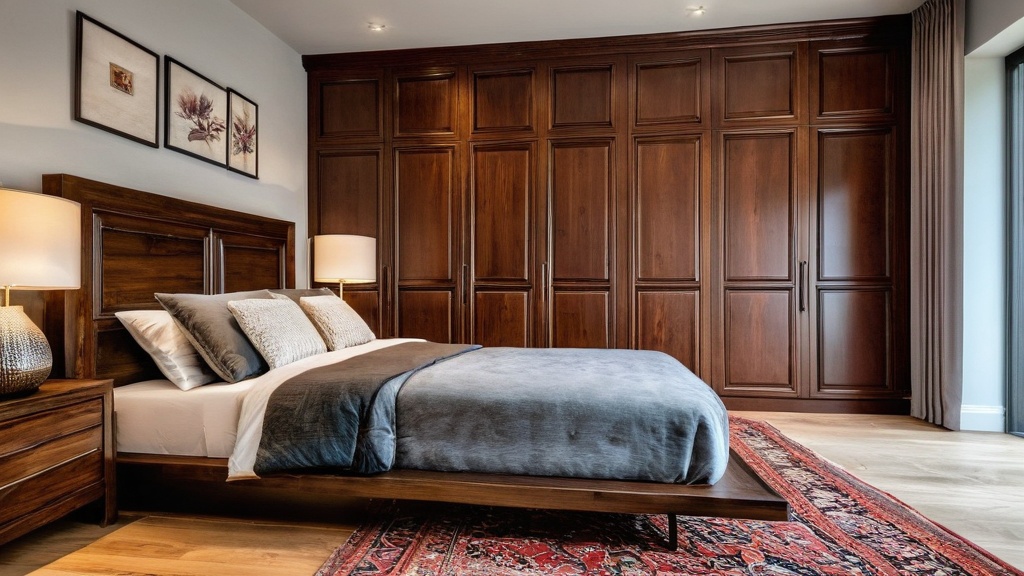
As we gain confidence in our skills, we can tackle more complex projects, such as refurbishing an antique dresser or crafting a unique headboard from salvaged doors. Each project presents an opportunity to learn new techniques and develop our craftsmanship. The satisfaction derived from completing a DIY project is unparalleled, as we witness the transformation of discarded items into beautiful, functional pieces for our homes.
Finding and Selecting Reclaimed Materials
Locating reclaimed materials requires some exploration and resourcefulness. Local salvage yards, flea markets, and antique shops often house hidden gems waiting to be discovered. Networking with builders or contractors can also yield valuable leads on materials from deconstructed homes or commercial buildings.
As we venture into these spaces, we should keep an open mind and be willing to see potential where others may not. When selecting reclaimed materials, quality should always be a priority. Inspecting items for structural integrity ensures that they will serve their intended purpose for years to come.
Additionally, considering the history and character of each piece can add depth to our projects.
Upcycling Techniques and Ideas
| Project Name | Material Source | Type of Furniture | Estimated Time to Complete | Environmental Impact Reduction | Skill Level Required | Average Cost Savings |
|---|---|---|---|---|---|---|
| Rustic Pallet Coffee Table | Reclaimed Wooden Pallets | Coffee Table | 8 hours | Reduces landfill waste by 15 kg | Intermediate | 60% |
| Upcycled Denim Ottoman | Old Denim Jeans | Ottoman | 6 hours | Diverts 5 kg of fabric waste | Beginner | 50% |
| Reclaimed Wood Bookshelf | Salvaged Barn Wood | Bookshelf | 12 hours | Prevents 20 kg of wood waste | Advanced | 70% |
| Vintage Door Headboard | Old Wooden Doors | Bed Headboard | 10 hours | Reduces wood waste by 18 kg | Intermediate | 65% |
| Crate Storage Bench | Recycled Wooden Crates | Storage Bench | 7 hours | Diverts 12 kg of wood from landfill | Beginner | 55% |
Upcycling techniques offer endless possibilities for transforming everyday items into something extraordinary. One popular method involves painting or staining old furniture to give it a fresh look. A coat of vibrant paint can breathe new life into a tired piece, while distressing techniques can create a charming vintage appearance.
Experimenting with different finishes allows us to customize our furniture to match our personal style. Another exciting approach involves combining various materials to create unique designs. For instance, using old window frames as picture displays or turning vintage suitcases into stylish storage solutions showcases our creativity while repurposing items that might otherwise go unused.
The key lies in thinking outside the box and envisioning how different elements can come together to form something beautiful and functional.
Tips for Incorporating Reclaimed and Upcycled Furniture into Your Home

Incorporating reclaimed and upcycled furniture into our homes requires thoughtful consideration of design and space. First, we should assess our existing decor to determine how new pieces will fit in. Mixing styles can create an eclectic look that adds personality to our spaces.
For instance, pairing a rustic reclaimed wood table with modern chairs can create an inviting atmosphere that feels both comfortable and stylish. Placement plays a crucial role in showcasing these unique pieces. Highlighting a stunning upcycled item as a focal point in a room draws attention and sparks conversation.
We can use lighting strategically to enhance the beauty of reclaimed furniture, allowing its textures and colors to shine. Thoughtful arrangement ensures that each piece complements the overall aesthetic while standing out as a work of art.
Sustainable and Eco-Friendly Home Decor
Sustainable home decor extends beyond just furniture choices; it encompasses an entire lifestyle shift toward eco-friendliness. Incorporating reclaimed and upcycled items aligns with this philosophy by promoting responsible consumption and reducing waste. As we embrace sustainable practices, we contribute to a healthier planet for future generations.
Exploring other eco-friendly decor options further enhances our commitment to sustainability. Choosing organic textiles, energy-efficient lighting, and non-toxic paints complements our efforts in creating an environmentally conscious home. Each decision we make reflects our values and desire to live harmoniously with nature while enjoying beautiful surroundings.
Embracing Reclaimed and Upcycled Furniture in Your Home
Embracing reclaimed and upcycled furniture allows us to create unique living spaces that reflect our values and creativity. The benefits extend far beyond aesthetics; they encompass environmental responsibility, financial savings, and personal fulfillment through DIY projects. As we explore the world of reclaimed materials, we discover endless possibilities for transforming our homes into beautiful sanctuaries filled with character.
Incorporating these pieces into our decor not only enhances our living spaces but also fosters a deeper connection to the environment. Each item carries a story, reminding us of the importance of sustainability in our daily lives. As we continue on this path, we inspire others to consider their choices and embrace the beauty of reclaimed and upcycled furniture in their own homes.
If you’re interested in enhancing your home with reclaimed and upcycled furniture projects, you might also want to explore ways to make your living space more energy-efficient. A great resource for this is the article on how to save energy in everyday life, which offers practical tips to reduce your energy consumption while maintaining a stylish and sustainable home.
FAQs
What is reclaimed furniture?
Reclaimed furniture is made from wood or materials that have been salvaged from old buildings, furniture, or other sources. These materials are repurposed and transformed into new furniture pieces, reducing waste and preserving natural resources.
What does upcycled furniture mean?
Upcycled furniture refers to old or discarded furniture that has been creatively modified or enhanced to create a new, functional, and often more aesthetically pleasing piece. Unlike recycling, upcycling adds value to the original item without breaking it down into raw materials.
What are the benefits of using reclaimed and upcycled furniture?
Benefits include environmental sustainability by reducing waste and the demand for new raw materials, unique and often one-of-a-kind designs, cost savings compared to buying new furniture, and the preservation of craftsmanship and history.
Is reclaimed wood safe to use in home furniture?
Yes, reclaimed wood is generally safe to use, but it should be properly cleaned, treated, and inspected for pests, nails, or other hazards before being used in furniture projects.
Can I do reclaimed and upcycled furniture projects myself?
Yes, many reclaimed and upcycled furniture projects can be done by DIY enthusiasts with basic woodworking skills and tools. There are numerous tutorials and guides available to help beginners get started.
Where can I find materials for reclaimed and upcycled furniture projects?
Materials can be sourced from old furniture, construction sites, demolition yards, thrift stores, flea markets, and online marketplaces specializing in reclaimed wood and vintage furniture.
What tools are commonly needed for upcycling furniture?
Common tools include sanders, saws, drills, paintbrushes, screwdrivers, clamps, and safety equipment like gloves and goggles. The specific tools depend on the complexity of the project.
How do I maintain reclaimed or upcycled furniture?
Maintenance involves regular cleaning with appropriate products, avoiding excessive moisture, and occasionally applying finishes like wax or oil to protect the wood and preserve its appearance.
Are reclaimed and upcycled furniture pieces more expensive than new furniture?
Prices vary widely. While some reclaimed or upcycled pieces can be more expensive due to the labor and uniqueness involved, many DIY projects can be cost-effective. Additionally, buying reclaimed materials can sometimes be cheaper than purchasing new ones.
Can reclaimed and upcycled furniture fit modern home decor styles?
Yes, reclaimed and upcycled furniture can be adapted to fit a variety of decor styles, from rustic and vintage to modern and industrial, depending on the design and finishing techniques used.