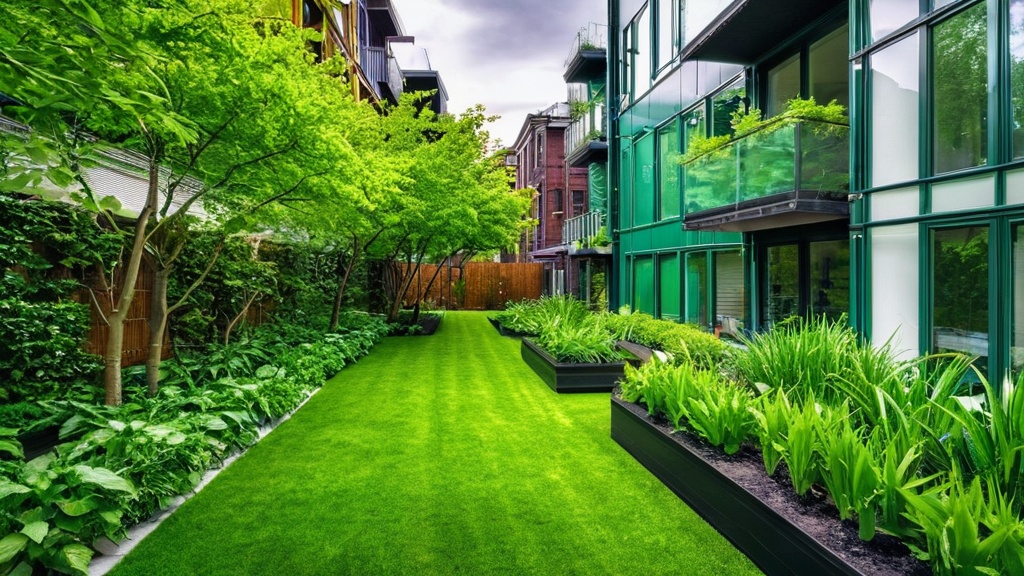

Selecting the perfect location for a community garden requires careful consideration of various factors. We must first assess the accessibility of potential sites. A location that is easily reachable encourages participation from community members. Proximity to public transportation, parking facilities, and pedestrian pathways can significantly influence the level of engagement. Additionally, we should consider the visibility of the site. A garden situated in a prominent area can attract attention and foster a sense of pride among residents.
Soil quality and sunlight exposure play vital roles in determining the suitability of a location. Conducting soil tests helps us understand the nutrient levels and any contaminants present. A site with well-draining soil and ample sunlight will yield healthier plants and a more productive garden. Furthermore, we should evaluate the surrounding environment for potential hazards, such as nearby industrial areas or heavy traffic, which could pose risks to both the garden and its caretakers.
If you’re interested in starting a community garden in your area, you might also want to explore the benefits of sustainable practices that can enhance your gardening experience. A related article discusses the revolutionary benefits of eco-friendly products, which can be particularly useful for gardeners looking to minimize their environmental impact. You can read more about these innovative solutions in the article found here: Discover the Revolutionary Benefits of Wildling Shoes.
Key Takeaways
- Choose a suitable location with adequate sunlight and accessibility for the garden.
- Engage local community members early to build support and involvement.
- Form a dedicated planning committee to oversee garden development and management.
- Obtain necessary funding and resources through grants, donations, or partnerships.
- Develop clear rules and maintenance plans to ensure the garden’s long-term success.
Getting Community Support
Building community support is essential for the success of our garden project. Engaging local residents early in the planning process fosters a sense of ownership and commitment. Hosting informational meetings allows us to share our vision and gather input from community members. Listening to their ideas and concerns creates an inclusive atmosphere, encouraging more people to get involved.
Collaborating with local organizations can amplify our efforts. Partnering with schools, churches, or neighborhood associations can provide additional resources and volunteers. These partnerships not only strengthen our network but also help us reach a broader audience. Promoting the benefits of community gardening, such as improved nutrition, environmental awareness, and social connections, can further galvanize support from diverse groups within the community.
Organizing a Planning Committee
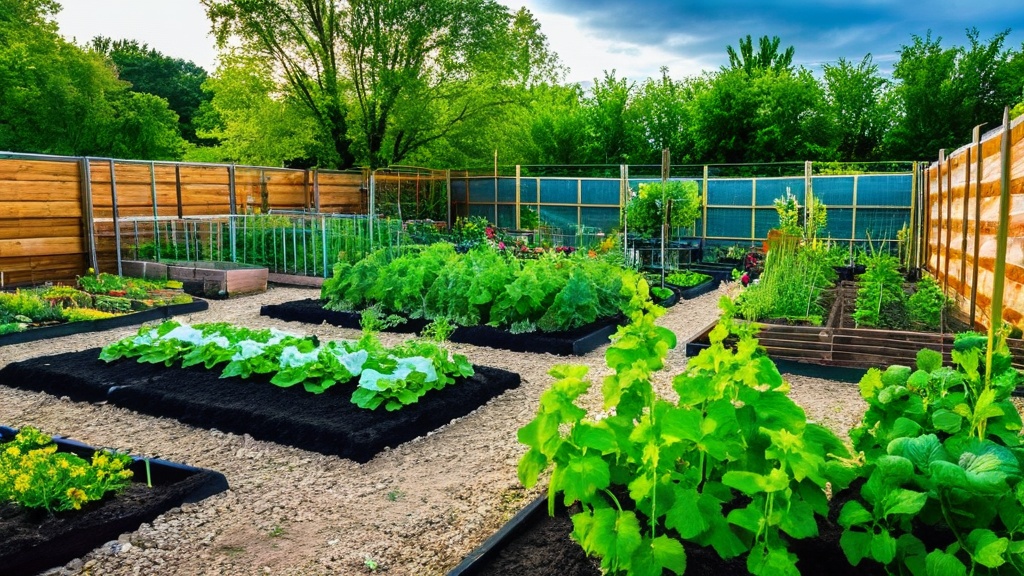
Establishing a planning committee is a crucial step in organizing our community garden. A diverse group of individuals brings various skills and perspectives to the table, enhancing our decision-making process. We should aim to include members from different backgrounds, ages, and interests to ensure that all voices are heard. Assigning specific roles within the committee can help streamline our efforts and maintain focus on our goals.
Regular meetings will keep everyone informed and engaged. Setting an agenda for each meeting allows us to address key topics efficiently while encouraging open dialogue among members. As we progress, documenting our discussions and decisions will create a valuable record that can guide future actions. This transparency fosters trust within the committee and strengthens our collective commitment to the garden’s success.
Securing Funding and Resources
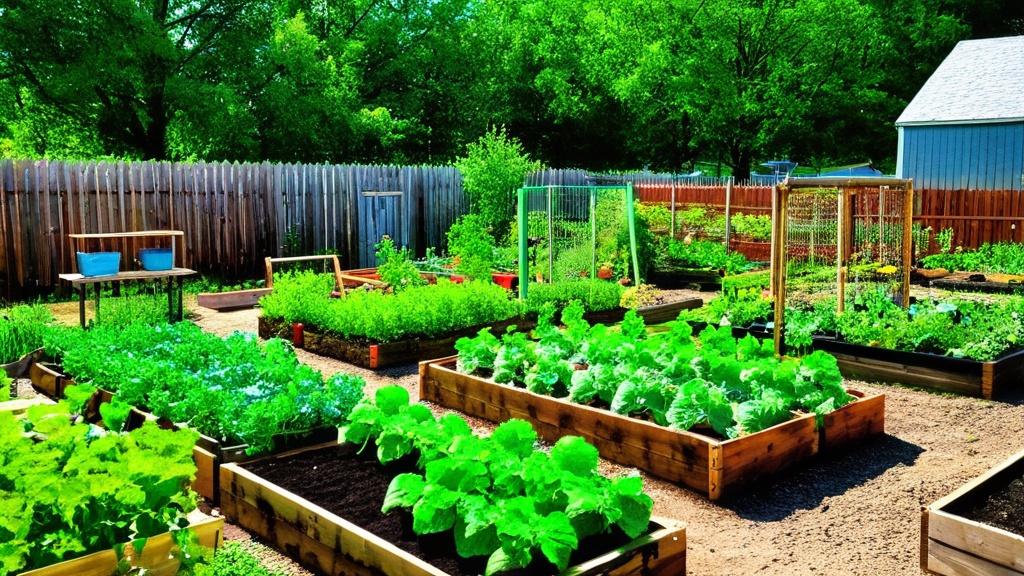
Acquiring funding and resources is vital for bringing our community garden to life. We should explore various avenues for financial support, including grants, donations, and fundraising events. Researching local, state, and federal grant opportunities can uncover potential sources of funding tailored to community projects. Crafting compelling proposals that highlight the benefits of our garden will increase our chances of securing these funds.
In addition to financial support, gathering resources such as tools, seeds, and soil amendments is essential. Local businesses may be willing to donate materials or offer discounts in exchange for recognition within the community. Establishing relationships with local nurseries or agricultural suppliers can lead to mutually beneficial partnerships that support our garden’s growth.
Starting a community garden can be a rewarding way to bring neighbors together and promote sustainability in your area. If you’re looking to enhance your gardening efforts, you might find it helpful to explore the concept of creating a sustainable home, which can complement your gardening initiatives. For more insights on this topic, check out this article on essential features for a truly sustainable home.
By integrating these principles, you can create a thriving garden that not only benefits your community but also supports a healthier environment.
Designing the Garden Layout
| Step | Action | Key Considerations | Estimated Time | Resources Needed |
|---|---|---|---|---|
| 1 | Form a Planning Group | Gather interested community members and stakeholders | 2-4 weeks | Meeting space, contact list |
| 2 | Identify and Secure Land | Find accessible, sunny, and safe location; get permission or lease | 1-3 months | Landowner contacts, site assessment tools |
| 3 | Design the Garden Layout | Plan plots, pathways, water access, and communal areas | 2-4 weeks | Design materials, input from gardeners |
| 4 | Secure Funding and Resources | Apply for grants, seek donations, organize fundraisers | 1-2 months | Grant applications, fundraising materials |
| 5 | Prepare the Site | Clear debris, test soil, build beds, install irrigation | 2-4 weeks | Tools, soil amendments, water system |
| 6 | Recruit Gardeners and Volunteers | Promote through community channels and events | Ongoing | Flyers, social media, community meetings |
| 7 | Establish Rules and Management | Create guidelines for plot use, maintenance, and conflict resolution | 2-3 weeks | Written agreements, communication plan |
| 8 | Plant and Maintain the Garden | Start planting, schedule regular maintenance and events | Seasonal | Seeds, tools, volunteer schedule |
| 9 | Evaluate and Grow | Assess progress, gather feedback, plan improvements | Annually | Surveys, meetings, reports |
Creating an effective garden layout requires thoughtful planning and creativity. We must consider factors such as plant compatibility, sunlight exposure, and accessibility when designing our space. Grouping plants with similar water and sunlight needs can optimize growth while minimizing maintenance efforts. Incorporating pathways allows for easy access to all areas of the garden, ensuring that every member can participate in its upkeep.
Incorporating elements such as raised beds or vertical gardening can maximize space utilization, especially in smaller areas. These design features not only enhance aesthetics but also improve accessibility for individuals with mobility challenges. As we finalize our layout, seeking input from committee members and community participants can lead to innovative ideas that reflect the collective vision for our garden.
Preparing the Soil and Planting
Soil preparation is a fundamental step in establishing a thriving garden. Testing soil pH and nutrient levels provides valuable insights into necessary amendments. Adding organic matter such as compost enriches the soil, promoting healthy plant growth while improving its structure. We should involve community members in this process, as hands-on experience fosters a deeper connection to the garden.
Once soil preparation is complete, selecting appropriate plants becomes our next focus. Choosing a mix of vegetables, herbs, and flowers ensures diversity while catering to various tastes and preferences within the community. Timing plays a crucial role in planting; understanding local climate conditions helps us determine the best planting schedule for optimal growth. Organizing planting days as community events encourages participation and strengthens bonds among members.
Establishing Rules and Guidelines
Creating clear rules and guidelines is essential for maintaining harmony within our community garden. Establishing expectations regarding plot maintenance, shared spaces, and responsibilities helps prevent misunderstandings among participants. We should involve all members in drafting these guidelines to ensure that everyone feels represented and invested in the rules.
Regularly reviewing and updating these guidelines will keep them relevant as our garden evolves. Open communication channels allow members to voice concerns or suggest changes as needed. Encouraging a culture of respect and cooperation will foster a positive environment where everyone feels valued and motivated to contribute.
Maintaining and Sustaining the Garden
Ongoing maintenance is crucial for the long-term success of our community garden. Establishing a schedule for regular tasks such as watering, weeding, and harvesting ensures that responsibilities are shared among all members. Creating teams or assigning specific roles can help distribute workload evenly while promoting collaboration.
Sustainability practices should be integrated into our maintenance routines. Implementing composting systems reduces waste while providing valuable nutrients for our plants. Encouraging organic gardening methods minimizes chemical use, promoting a healthier environment for both gardeners and local wildlife.
As we cultivate our garden, celebrating successes together fosters a sense of accomplishment that motivates continued participation and care for our shared space.
In conclusion, creating a successful community garden involves careful planning, collaboration, and ongoing commitment from all involved. By finding the right location, securing community support, organizing a dedicated planning committee, obtaining funding, designing an effective layout, preparing soil properly, establishing clear guidelines, and maintaining sustainability practices, we can cultivate not just plants but also relationships within our community. The journey may be challenging at times, but the rewards of shared labor and collective growth will undoubtedly enrich our lives and strengthen our bonds with one another.
FAQs
What are the first steps to starting a community garden?
The first steps include identifying a suitable location, gathering community interest, and securing permission or land use rights from local authorities or property owners.
How do you organize people to participate in a community garden?
You can organize participants by hosting informational meetings, creating a sign-up sheet, forming a planning committee, and using social media or local bulletin boards to spread the word.
What resources are needed to establish a community garden?
Essential resources include land, soil or raised beds, gardening tools, seeds or plants, water access, and sometimes funding or donations for supplies.
Are there legal considerations when starting a community garden?
Yes, you may need to obtain permits, comply with zoning laws, and establish agreements regarding land use, liability, and maintenance responsibilities.
How can a community garden be maintained over time?
Maintenance involves regular watering, weeding, harvesting, organizing volunteer schedules, and possibly creating a governance structure to manage ongoing operations and resolve conflicts.