
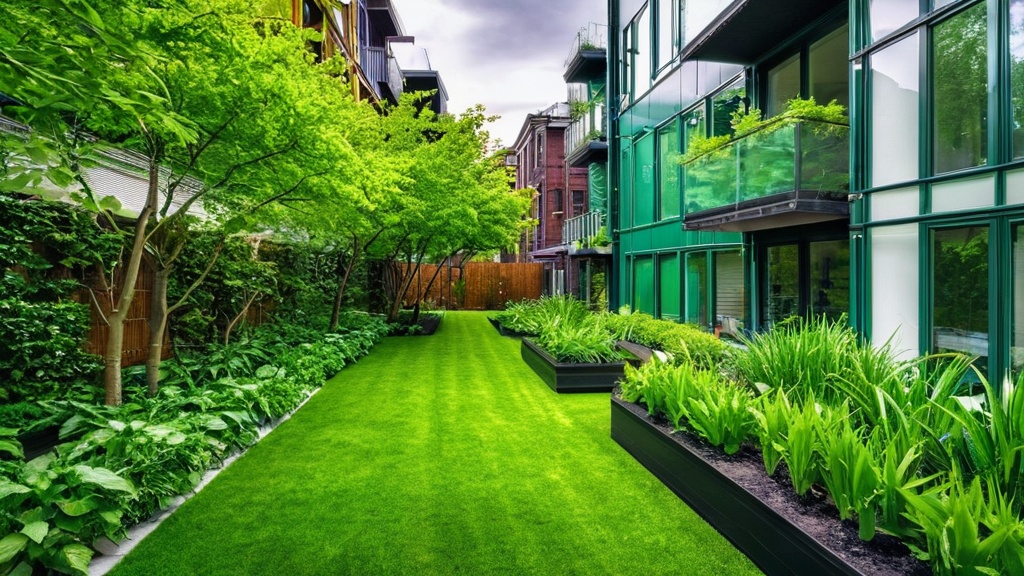
The concept of green urban living has emerged as a response to the pressing challenges posed by rapid urbanization and environmental degradation. As cities expand, the need for sustainable practices becomes increasingly urgent. We find ourselves at a crossroads where the choices we make today will shape the future of urban environments. The green urban living revolution seeks to create cities that are not only livable but also environmentally friendly, promoting a harmonious relationship between nature and urban life.
In this movement, we witness a collective effort to rethink how we design, build, and inhabit our urban spaces. The integration of sustainability into city planning reflects a growing awareness of the interconnectedness of social, economic, and environmental factors. As we embrace this revolution, we recognize that our actions can lead to healthier communities, reduced carbon footprints, and improved quality of life for all residents. The journey toward greener cities requires collaboration among individuals, businesses, and governments, fostering a sense of shared responsibility for the planet.
In exploring the concept of sustainable urban living in the UK, it is essential to consider the advancements in renewable energy solutions that can significantly contribute to greener cities.
A related article titled “2020: A Solar Soaraway Year” discusses the remarkable growth of solar energy adoption and its implications for eco-friendly living.
This article highlights how solar power can play a crucial role in reducing carbon footprints and promoting energy efficiency in urban environments. For more insights, you can read the article here: 2020: A Solar Soaraway Year.
Key Takeaways
- Green urban living focuses on creating sustainable, eco-friendly cities through innovative practices and policies.
- Sustainable transportation options like cycling, public transit, and electric vehicles reduce urban carbon footprints.
- Incorporating green spaces and urban gardening improves air quality and enhances community well-being.
- Energy-efficient buildings and green infrastructure minimize energy consumption and promote environmental health.
- Community involvement and supportive government policies are crucial for advancing green urban living initiatives.
Sustainable Transportation in Urban Areas
Transportation plays a pivotal role in shaping urban life, influencing everything from air quality to social equity. We must prioritize sustainable transportation options to reduce reliance on fossil fuels and minimize greenhouse gas emissions. Public transit systems, such as buses and trains, offer an efficient means of moving large numbers of people while reducing congestion on city streets. Investing in these systems not only enhances accessibility but also encourages a shift away from single-occupancy vehicles.
Biking and walking represent additional sustainable alternatives that promote healthier lifestyles. Cities can implement bike-sharing programs and expand pedestrian pathways to create a more bike-friendly and walkable environment. As we advocate for these changes, we contribute to a culture that values active transportation, ultimately leading to cleaner air and improved public health. The integration of electric vehicles into urban transportation networks further supports our goal of reducing emissions while providing convenient options for residents.
Green Spaces and Urban Gardening
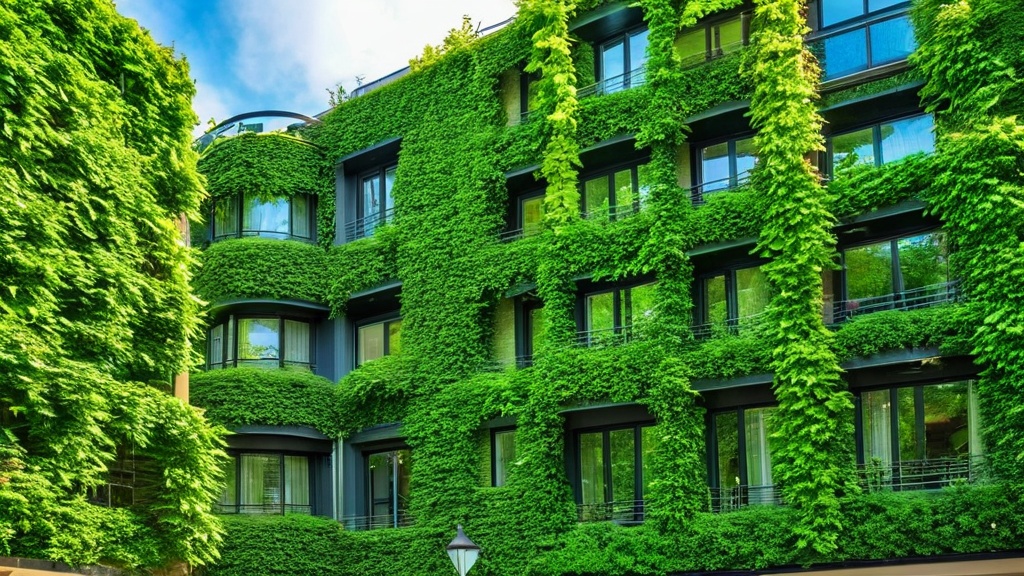
The presence of green spaces in urban areas offers numerous benefits that extend beyond aesthetics. Parks, gardens, and green roofs contribute to biodiversity, improve air quality, and provide essential habitats for wildlife. We recognize the importance of incorporating nature into our cities, as it fosters a sense of community and enhances mental well-being. Access to green spaces allows residents to connect with nature, promoting relaxation and recreation amidst the hustle and bustle of urban life.
Urban gardening initiatives empower individuals to cultivate their own food while transforming vacant lots into vibrant community spaces. These gardens not only provide fresh produce but also serve as educational platforms for sustainable practices. As we engage in urban gardening, we learn about the importance of local food systems and the impact of our choices on the environment. The act of growing food together fosters social connections and strengthens community bonds, creating a sense of belonging in an increasingly fragmented world.
Energy-efficient Buildings and Green Infrastructure
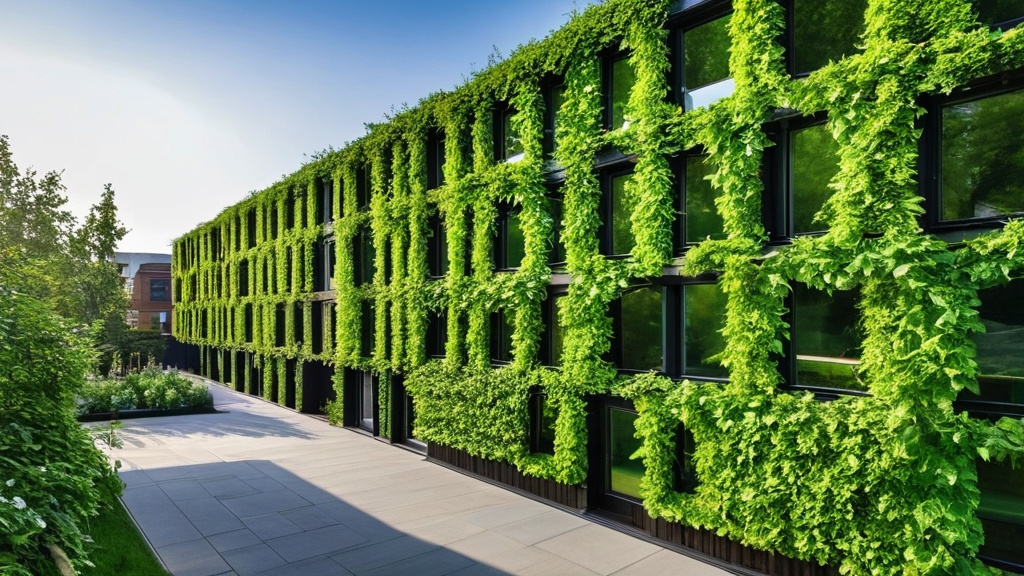
The construction and operation of buildings account for a substantial portion of global energy consumption. We must prioritize energy-efficient designs that minimize resource use while maximizing comfort and functionality. Incorporating renewable energy sources, such as solar panels and wind turbines, into building designs can significantly reduce reliance on non-renewable energy. As we advocate for energy-efficient buildings, we contribute to a more sustainable urban environment that benefits both residents and the planet.
Green infrastructure plays a vital role in managing stormwater, improving air quality, and enhancing urban resilience. Implementing features such as permeable pavements, green roofs, and rain gardens allows cities to better manage rainfall while reducing the risk of flooding. These solutions not only address environmental challenges but also create aesthetically pleasing spaces that enhance the overall quality of life in urban areas. As we invest in green infrastructure, we pave the way for a more sustainable future.
In exploring the future of green urban living in the UK, it is essential to consider various factors that contribute to sustainability, including energy efficiency and resource management. One interesting aspect is how changes in timekeeping, such as daylight savings, can impact energy consumption in urban areas. For a deeper understanding of this connection, you can read more in the article about how daylight savings can save energy by following this link. This insight complements the broader discussion on creating environmentally friendly urban spaces.
Waste Reduction and Recycling Initiatives
| Metric | Current Value (2024) | Projected Value (2030) | Notes |
|---|---|---|---|
| Percentage of Green Urban Spaces | 18% | 25% | Increase due to urban reforestation and park development initiatives |
| Number of Zero-Emission Buildings | 12,000 | 50,000 | Driven by stricter building codes and green certifications |
| Urban Air Quality Index (AQI) | 65 (Moderate) | 40 (Good) | Improvement expected from reduced vehicle emissions and green infrastructure |
| Percentage of Renewable Energy in Urban Areas | 35% | 70% | Growth fueled by solar, wind, and community energy projects |
| Public Transport Usage | 45% | 60% | Increase due to expanded networks and low-emission vehicles |
| Urban Waste Recycling Rate | 50% | 75% | Enhanced by improved waste management policies and public awareness |
| Average Urban Temperature Reduction (°C) | 0°C | 1.5°C | Expected from increased green roofs and tree canopy coverage |
Waste management represents a critical challenge for urban areas as populations grow and consumption patterns change. We must adopt waste reduction strategies that prioritize recycling and composting to minimize landfill contributions. Implementing comprehensive recycling programs encourages residents to separate recyclables from general waste, fostering a culture of sustainability within communities. Education plays a key role in this process, as we inform residents about the importance of responsible waste disposal.
Composting initiatives further support waste reduction efforts by transforming organic waste into valuable resources for gardens and landscapes. Community composting programs allow residents to participate actively in reducing waste while enriching local soil health. As we embrace these initiatives, we contribute to a circular economy that values resources and minimizes environmental impact. The collective effort to reduce waste fosters a sense of responsibility among residents, encouraging them to take ownership of their environmental footprint.
In exploring the future of green urban living in the UK, it’s essential to consider various aspects of sustainability, including water conservation. A related article discusses the significance of this vital resource and offers insights into effective strategies for preserving it. By implementing these practices, urban areas can enhance their environmental impact and promote a more sustainable lifestyle. For more information, you can read the article on why water conservation is important here.
Community Engagement and Social Sustainability
Community engagement serves as the backbone of successful green urban living initiatives. We must involve residents in decision-making processes to ensure that their voices are heard and their needs are met. Collaborative efforts between local governments, organizations, and community members foster a sense of ownership over urban spaces. When individuals feel connected to their environment, they are more likely to participate in sustainability efforts.
Social sustainability encompasses not only environmental considerations but also social equity and inclusivity. We must strive to create urban spaces that are accessible to all residents, regardless of socioeconomic status. Initiatives that promote affordable housing, equitable access to resources, and community programs contribute to social cohesion. As we work together to build inclusive communities, we strengthen our collective resilience against environmental challenges.
Green Technology and Innovation in Urban Living
The integration of green technology into urban living represents a transformative approach to addressing environmental challenges. Innovations such as smart grids, energy-efficient appliances, and sustainable building materials offer practical solutions for reducing resource consumption. We must embrace these technologies as tools for creating more sustainable cities that prioritize efficiency and environmental stewardship.
Smart city initiatives leverage data and technology to optimize urban services and improve quality of life for residents. From traffic management systems that reduce congestion to energy monitoring tools that promote efficiency, these innovations enhance our ability to respond to urban challenges effectively. As we adopt green technology, we pave the way for a future where cities operate sustainably while meeting the needs of their inhabitants.
Government Policies and Initiatives for Green Urban Living
Government policies play a crucial role in shaping the trajectory of green urban living initiatives. We must advocate for policies that prioritize sustainability at all levels of government, from local municipalities to national frameworks. Incentives for renewable energy adoption, funding for public transportation projects, and regulations promoting energy-efficient building practices represent essential steps toward achieving our sustainability goals.
Collaboration between government agencies, businesses, and community organizations fosters an environment conducive to innovation and progress. Public-private partnerships can drive investment in green infrastructure projects while ensuring that community needs are met. As we engage with policymakers and advocate for sustainable practices, we contribute to a collective vision for greener cities that prioritize the well-being of both people and the planet.
In conclusion, the green urban living revolution represents an opportunity for us to reshape our cities into sustainable environments that prioritize health, equity, and resilience. Through sustainable transportation options, green spaces, energy-efficient buildings, waste reduction initiatives, community engagement, green technology adoption, and supportive government policies, we can create urban areas that thrive in harmony with nature. Our commitment to this revolution will define the future of urban living for generations to come.
FAQs
What is green urban living?
Green urban living refers to sustainable practices and lifestyle choices in cities that reduce environmental impact. This includes energy-efficient buildings, green spaces, sustainable transportation, and waste reduction.
Why is green urban living important in the UK?
Green urban living is crucial in the UK to address climate change, reduce pollution, improve public health, and create more resilient and livable cities as urban populations continue to grow.
What are some examples of green urban initiatives in the UK?
Examples include the development of eco-friendly housing, expansion of cycling and pedestrian infrastructure, urban tree planting programs, and the promotion of renewable energy sources in cities.
How is technology influencing the future of green urban living?
Technology plays a key role by enabling smart energy management, improving public transport systems, supporting waste recycling, and facilitating data-driven urban planning to enhance sustainability.
What challenges does the UK face in implementing green urban living?
Challenges include funding constraints, balancing development with conservation, retrofitting existing infrastructure, and ensuring equitable access to green amenities across diverse urban communities.