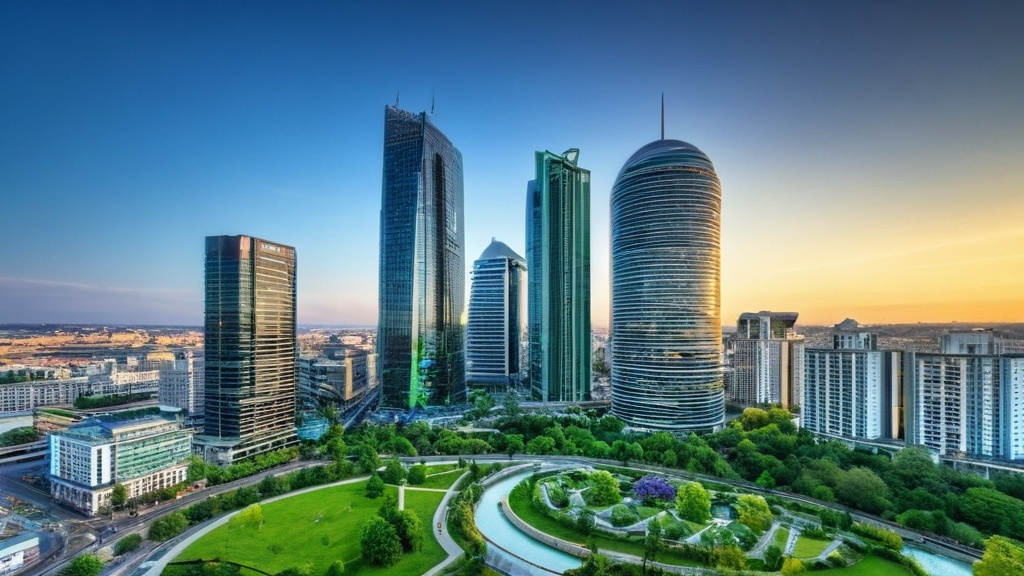
Urban eco housing represents a transformative approach to living in cities, where sustainability and environmental consciousness take center stage. As urban populations continue to swell, the need for innovative housing solutions becomes increasingly pressing. We find ourselves at a crossroads, where the integration of nature into our living spaces can significantly improve our quality of life.
Incorporating eco-friendly materials, energy-efficient designs, and green spaces into urban housing developments fosters a sense of community while minimizing ecological footprints. The concept of urban eco housing extends beyond mere aesthetics; it embodies a lifestyle that prioritizes sustainability and resilience.
As we explore the various elements that contribute to this movement, the role of trees emerges as a vital component in creating healthier, more livable urban environments.
Key Takeaways
- Urban eco housing integrates trees to enhance environmental quality and livability.
- Trees improve air quality by filtering pollutants and producing oxygen.
- Urban trees support biodiversity by providing habitats for various species.
- Trees help regulate urban climate by offering shade and reducing heat.
- Incorporating trees in design also reduces noise pollution and promotes sustainable living.
The Benefits of Trees in Urban Environments
Trees offer a multitude of benefits that enhance urban living. Their presence contributes to improved air quality, reduced heat, and increased aesthetic appeal. Urban areas often suffer from pollution and heat islands, where concrete and asphalt absorb and retain heat.
Trees provide shade and cooling effects, making neighborhoods more comfortable during hot summer months. As we walk through tree-lined streets, we experience a sense of tranquility that enhances our overall well-being. Beyond their aesthetic contributions, trees play a crucial role in promoting mental health.
Studies have shown that green spaces can reduce stress and anxiety levels, fostering a sense of calm in bustling urban settings. The simple act of being surrounded by nature can uplift our spirits and encourage social interactions among residents. As we cultivate green spaces within urban eco housing, we create environments that nurture both physical and mental health.
Trees as Natural Air Purifiers

Trees serve as natural air purifiers, absorbing pollutants and releasing oxygen through photosynthesis. In urban areas where air quality often suffers due to vehicle emissions and industrial activities, trees act as vital allies in combating pollution. They filter harmful particles from the air, such as carbon dioxide, sulfur dioxide, and nitrogen oxides, contributing to cleaner and healthier environments for city dwellers.
The presence of trees can lead to measurable improvements in air quality. Research indicates that urban areas with higher tree density experience lower levels of airborne pollutants. As we incorporate trees into urban eco housing designs, we not only enhance the aesthetic appeal but also create healthier living conditions.
The act of planting trees becomes an investment in our collective well-being, ensuring that future generations inherit cleaner air.
Trees and Urban Biodiversity
Urban ecosystems often struggle with biodiversity loss due to habitat destruction and pollution. Trees play a vital role in supporting various species, from birds to insects, creating habitats within city landscapes. By planting diverse tree species in urban areas, we can foster a rich tapestry of life that contributes to ecological balance.
This diversity not only enhances the beauty of our surroundings but also strengthens the resilience of urban ecosystems. Encouraging biodiversity through tree planting can lead to increased pollination and pest control, benefiting both natural ecosystems and urban agriculture. As we design urban eco housing with biodiversity in mind, we create spaces that support wildlife while enriching our own lives.
The interconnectedness of all living beings becomes evident as we witness the positive impact trees have on urban biodiversity.
The Role of Trees in Urban Climate Regulation
| Metric | Description | Impact on Urban Eco Housing | Typical Values/Range |
|---|---|---|---|
| Air Quality Improvement | Amount of pollutants absorbed by trees (e.g., CO2, NOx, PM2.5) | Reduces respiratory issues and improves overall health of residents | Up to 48 lbs of CO2 absorbed per tree annually |
| Temperature Regulation | Shade and evapotranspiration effects lowering ambient temperature | Reduces urban heat island effect, lowering cooling energy demand | Shade can reduce surface temperatures by 20-45°F |
| Stormwater Management | Volume of rainwater intercepted and absorbed by tree canopy and roots | Reduces runoff, flooding risk, and improves water quality | Can intercept up to 760 gallons of rainwater per tree annually |
| Energy Savings | Reduction in heating and cooling energy use due to tree shading and windbreaks | Decreases utility costs and carbon footprint of housing | Energy savings of 5-15% in homes with strategic tree placement |
| Biodiversity Support | Number of species supported by urban trees (birds, insects, etc.) | Enhances ecosystem services and urban ecological balance | Supports dozens of species per mature tree |
| Noise Reduction | Decibel reduction due to tree barriers | Improves living comfort by reducing urban noise pollution | Can reduce noise levels by 5-10 dB |
| Property Value Increase | Percentage increase in property value due to tree presence | Encourages sustainable development and investment in eco housing | 5-15% increase in property value |
Trees play an indispensable role in regulating urban climates. They mitigate the effects of climate change by sequestering carbon dioxide and providing shade that cools surrounding areas. In cities where temperatures can soar due to heat islands, trees act as natural air conditioners, reducing the need for energy-intensive cooling systems in buildings.
This not only lowers energy consumption but also decreases greenhouse gas emissions. Incorporating trees into urban eco housing designs can significantly contribute to climate resilience. As we face increasing challenges related to climate change, such as extreme weather events and rising temperatures, the presence of trees becomes even more critical.
They serve as buffers against flooding by absorbing excess rainwater and reducing runoff. By prioritizing tree planting in urban planning, we take proactive steps toward creating sustainable cities that can adapt to changing climates.
Trees as Noise Barriers in Urban Settings

Urban environments are often characterized by noise pollution from traffic, construction, and other activities. Trees provide a natural solution to this pervasive issue by acting as sound barriers. Their leaves and branches absorb sound waves, reducing noise levels in residential areas.
The presence of trees can create a more peaceful atmosphere, allowing residents to enjoy their surroundings without the constant hum of city life. Incorporating trees into urban eco housing designs can enhance acoustic comfort for residents. Strategically placed trees can shield homes from disruptive sounds while creating inviting outdoor spaces for relaxation and socialization.
As we prioritize noise reduction in urban planning, the role of trees becomes increasingly important in fostering harmonious living environments.
Incorporating Trees into Urban Eco Housing Design
Integrating trees into urban eco housing design requires thoughtful planning and collaboration among architects, urban planners, and community members. We must consider factors such as tree species selection, placement, and maintenance to maximize their benefits. Creating green roofs or vertical gardens can further enhance the presence of greenery in densely populated areas where space is limited.
Community involvement plays a crucial role in successful tree integration. Engaging residents in tree planting initiatives fosters a sense of ownership and responsibility toward their environment. Educational programs can raise awareness about the importance of trees and encourage sustainable practices within communities.
As we work together to incorporate trees into urban eco housing designs, we cultivate a culture of environmental stewardship that benefits everyone.
The Future of Trees in Urban Eco Housing
The future of urban eco housing hinges on our ability to recognize the invaluable contributions of trees to our cities. As we face pressing environmental challenges, prioritizing tree planting and preservation becomes essential for creating sustainable urban environments. Trees not only enhance our quality of life but also serve as vital components in addressing climate change, improving air quality, and fostering biodiversity.
As we move forward, collaboration among stakeholders will be key to realizing the full potential of trees in urban eco housing. By embracing innovative design practices and engaging communities in tree-related initiatives, we can create vibrant cities that harmonize with nature. The vision for urban eco housing must include a commitment to nurturing our green spaces, ensuring that future generations inherit cities filled with life, beauty, and resilience.
Together, we can cultivate a future where trees thrive alongside us in our urban landscapes.
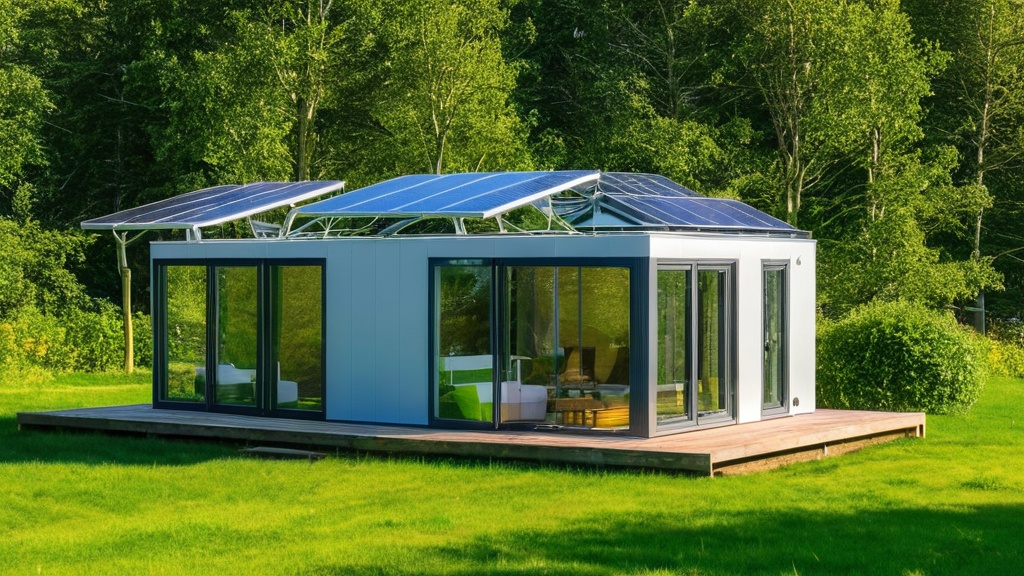
One related article that delves into eco-friendly innovations is Unveiling the Mystery: How Do Solar Panels Work?, which discusses the role of solar energy in creating sustainable homes. By combining the benefits of trees with renewable energy sources, urban areas can enhance their ecological footprint while providing a healthier living space for residents.
FAQs
What are urban eco housing developments?
Urban eco housing developments are residential projects designed with sustainability in mind, incorporating environmentally friendly materials, energy-efficient systems, and green spaces to reduce ecological impact.
How do trees contribute to urban eco housing?
Trees improve air quality, provide shade to reduce cooling costs, support biodiversity, manage stormwater runoff, and enhance the aesthetic and psychological well-being of residents in urban eco housing.
What environmental benefits do trees offer in cities?
Trees in urban areas help reduce air pollution, lower urban heat island effects, sequester carbon dioxide, improve soil quality, and support local wildlife habitats.
Can trees help reduce energy consumption in urban homes?
Yes, strategically planted trees can provide shade during hot months, reducing the need for air conditioning, and act as windbreaks in colder months, lowering heating requirements.
Are there specific tree species recommended for urban eco housing?
Species selection depends on local climate, soil conditions, and space availability, but generally, native, drought-tolerant, and low-maintenance trees are preferred for urban eco housing projects.
How do trees impact stormwater management in urban areas?
Trees absorb and intercept rainfall through their leaves and root systems, reducing runoff, minimizing flooding risks, and improving water quality by filtering pollutants.
What role do trees play in enhancing residents’ well-being?
Trees provide shade and natural beauty, reduce noise pollution, improve mental health by offering green spaces for relaxation, and encourage outdoor activities and social interaction.
Are there challenges to integrating trees into urban eco housing?
Challenges include limited space, potential root damage to infrastructure, maintenance requirements, and ensuring tree species are suitable for urban environments to avoid invasive growth or allergies.
How can urban planners incorporate trees effectively in eco housing projects?
Planners can conduct site assessments, select appropriate species, design green corridors, integrate trees with other green infrastructure, and involve community input to maximize benefits.
Do trees increase property values in urban eco housing areas?
Yes, the presence of mature trees and well-maintained green spaces generally enhances property values by improving neighborhood aesthetics and livability.