The tiny eco home movement has experienced significant growth in recent years, driven by increasing environmental consciousness and rising housing costs in urban areas. These compact dwellings typically range from 100 to 600 square feet and incorporate sustainable design elements such as solar panels, composting toilets, rainwater collection systems, and energy-efficient appliances. The movement represents a response to housing affordability challenges, with traditional home prices increasing faster than median incomes in many metropolitan areas.
Tiny eco homes utilize various environmentally sustainable technologies and materials. Common features include LED lighting systems, high-performance insulation, low-flow water fixtures, and renewable energy sources. Many structures employ reclaimed or recycled building materials, reducing construction waste and environmental impact.
The smaller footprint results in lower energy consumption for heating and cooling, with studies indicating that tiny homes typically use 68% less energy than conventional houses. The demographic attracted to tiny eco homes includes millennials facing student debt and high housing costs, retirees seeking to downsize, and individuals prioritizing environmental sustainability. Research indicates that tiny home residents report reduced living expenses, with average monthly costs ranging from $400 to $1,000 compared to $1,500 to $3,000 for traditional housing.
The movement has prompted discussions about zoning regulations, building codes, and housing policy, as many municipalities work to accommodate alternative housing solutions within existing legal frameworks.
Key Takeaways
- Tiny eco homes are gaining popularity as sustainable and affordable living options.
- Use of eco-friendly materials and sustainable design principles is central to these homes.
- Innovative space-saving solutions enhance functionality in compact living areas.
- Off-grid capabilities and energy-efficient systems reduce environmental impact.
- Embracing minimalism in tiny homes promotes reduced consumption and a smaller carbon footprint.
Sustainable Design and Materials
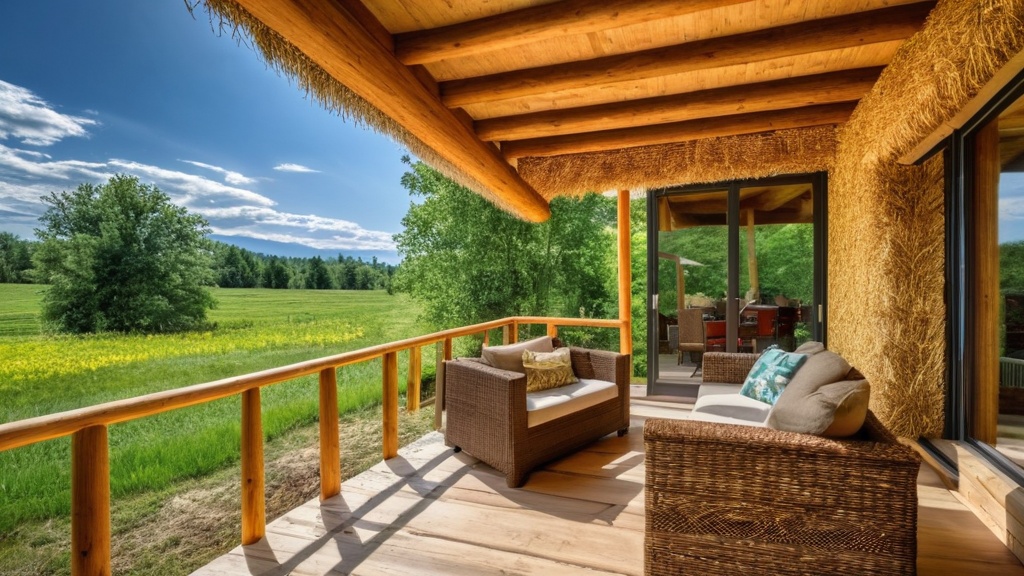
Sustainable design plays a vital role in the construction of tiny eco homes. Architects and builders are increasingly prioritizing eco-friendly materials that minimize environmental impact while maximizing durability. Reclaimed wood, bamboo, and recycled metal are just a few examples of materials that contribute to the sustainability of these homes.
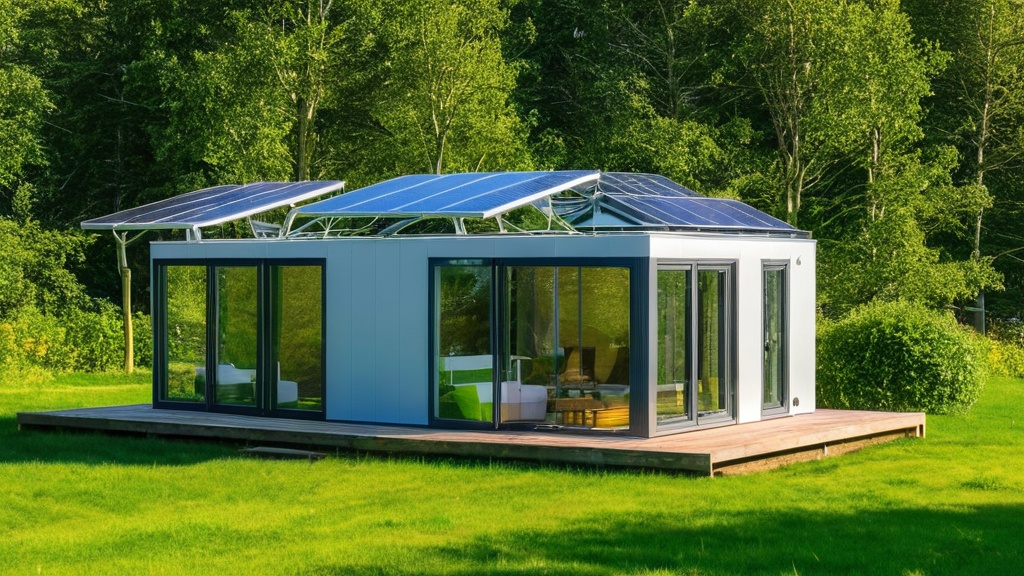
By utilizing resources that have already been processed, we reduce the demand for new materials and lessen the strain on our planet’s resources. Incorporating energy-efficient features into the design further enhances the sustainability of tiny eco homes. Solar panels, green roofs, and rainwater harvesting systems are becoming standard elements in many designs.
These features not only reduce reliance on traditional energy sources but also promote self-sufficiency. As we embrace innovative technologies and sustainable practices, we create living spaces that harmonize with nature while providing comfort and functionality.
Maximizing Space and Functionality
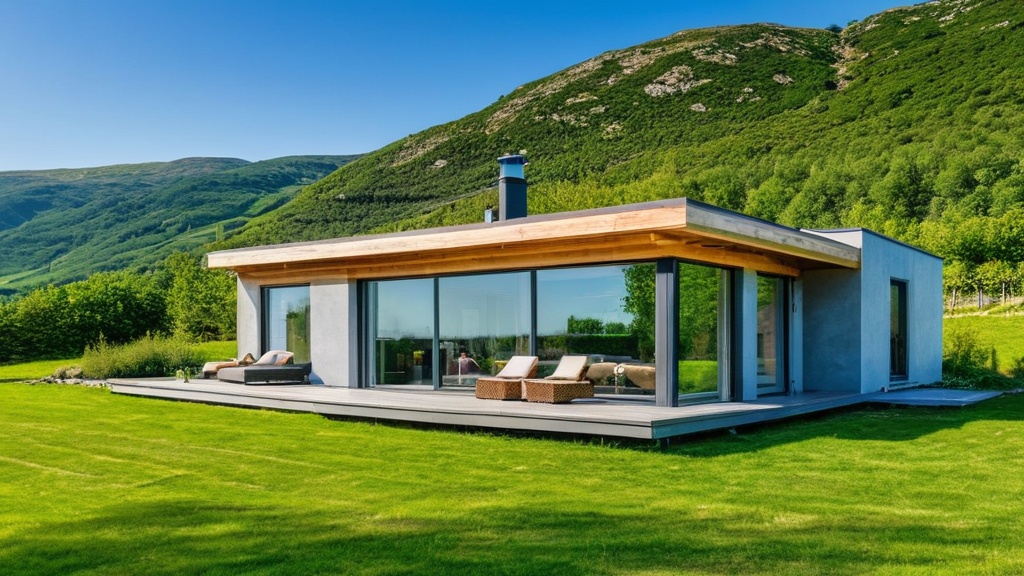
Maximizing space is a fundamental aspect of tiny eco home design. Every square foot counts, prompting architects to think creatively about how to utilize available space effectively. Multi-functional furniture, such as foldable tables and convertible sofas, allows us to adapt our living areas to suit various needs throughout the day.
Clever storage solutions, like built-in shelves and under-bed compartments, help us keep our belongings organized without cluttering our small spaces. Functionality goes hand in hand with aesthetics in tiny eco homes. Thoughtful design choices ensure that each area serves a purpose while maintaining a sense of style.
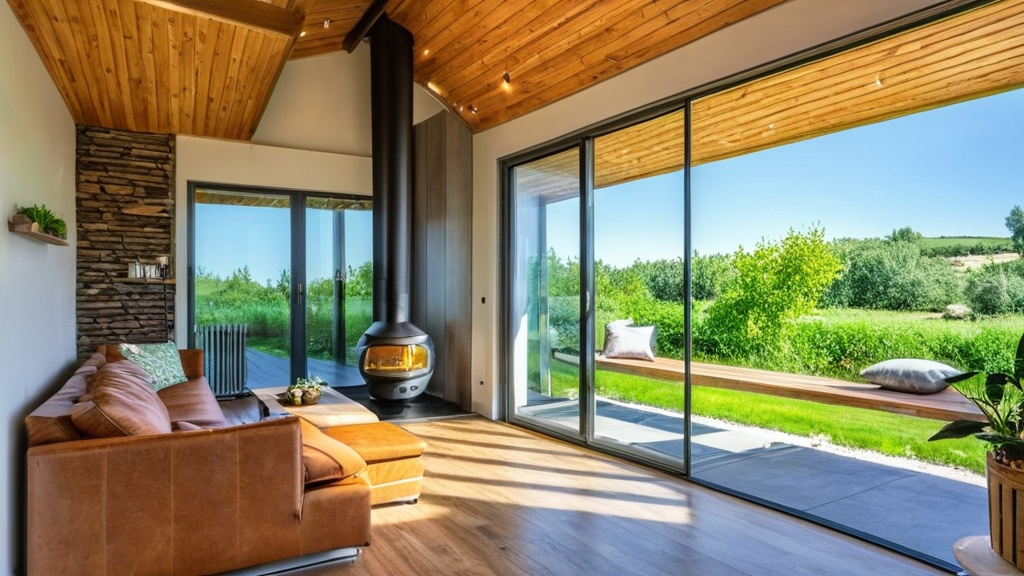
Open floor plans create an illusion of spaciousness, allowing natural light to flow freely throughout the home. Large windows not only provide beautiful views but also enhance ventilation, reducing the need for artificial lighting and climate control. As we embrace these design principles, we discover that living in a smaller space can be both practical and visually appealing.
Off-Grid Living and Energy Efficiency
Off-grid living has become an attractive option for many tiny eco home enthusiasts. The desire for independence from traditional utility systems drives individuals to seek alternative energy sources. Solar panels, wind turbines, and composting toilets are just a few examples of how we can achieve self-sufficiency in our homes.
This lifestyle not only reduces our environmental impact but also fosters a sense of empowerment as we take control of our energy consumption. Energy efficiency remains a key consideration in off-grid living. Tiny eco homes often incorporate advanced insulation techniques and energy-efficient appliances to minimize energy use.
Properly designed ventilation systems help maintain comfortable indoor temperatures without relying heavily on heating or cooling systems. As we adopt these practices, we contribute to a more sustainable future while enjoying the benefits of reduced utility costs.
Minimalist Lifestyle and Reduced Consumption
| Metric | Value | Unit | Notes |
|---|---|---|---|
| Average Size | 250 | Square Feet | Typical tiny eco home living space |
| Energy Consumption | 30 | kWh per month | Average energy use with solar panels |
| Water Usage | 50 | Gallons per day | Includes rainwater harvesting and low-flow fixtures |
| Carbon Footprint Reduction | 60 | Percent | Compared to traditional homes |
| Construction Time | 3 | Months | Average build time for tiny eco homes |
| Material Waste Reduction | 40 | Percent | Less waste due to efficient design and materials |
| Cost Savings on Utilities | 70 | Percent | Compared to conventional homes |
Adopting a minimalist lifestyle often accompanies the decision to live in a tiny eco home. With limited space available, we learn to prioritize our belongings and eliminate unnecessary items from our lives. This process encourages us to reflect on what truly brings us joy and fulfillment, leading to more intentional choices about what we own.
As we embrace minimalism, we cultivate a sense of freedom from the burden of excess possessions. Reduced consumption becomes a natural outcome of this lifestyle shift. Living in a tiny eco home encourages us to be mindful of our purchases and consider their environmental impact.
We begin to seek out quality over quantity, investing in durable products that align with our values. This conscious approach not only benefits the planet but also enhances our overall well-being as we focus on experiences rather than material goods.
Environmental Benefits of Tiny Eco Homes
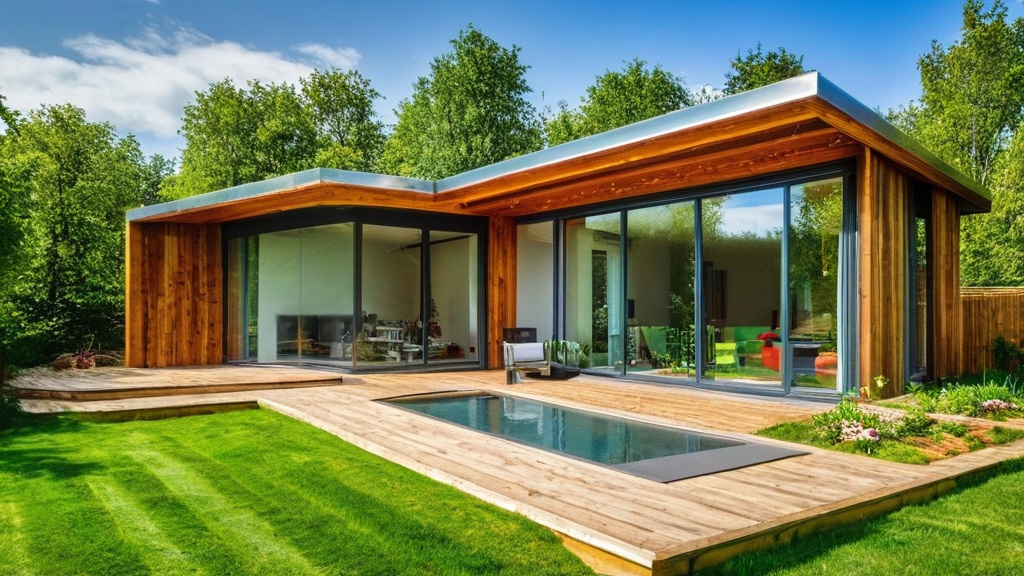
The environmental benefits of tiny eco homes are profound and far-reaching. By occupying less land and utilizing fewer resources, we significantly reduce our ecological footprint.
Additionally, many tiny eco homes are designed with sustainable practices in mind, such as rainwater collection systems and composting toilets, which further minimize their impact on the environment. As more individuals choose tiny eco homes, the cumulative effect can lead to positive changes in urban planning and development. Communities may begin to prioritize sustainable housing options, promoting green spaces and reducing urban sprawl.
This shift can foster a greater sense of community as people come together to support environmentally friendly initiatives. Ultimately, tiny eco homes represent a step toward a more sustainable future for all.
Challenges and Considerations for Tiny Eco Home Living
Despite the many advantages of tiny eco homes, challenges exist that potential homeowners must consider. Zoning regulations can pose significant obstacles when it comes to placing tiny homes on desired properties.
Space limitations can also present challenges in terms of storage and organization. While maximizing space is a key aspect of tiny home design, it requires careful planning and creativity. We must be willing to let go of items that no longer serve us and develop efficient systems for managing our belongings.
Embracing this challenge can lead to personal growth as we learn to live with less.
The Future of Tiny Eco Homes
The future of tiny eco homes appears bright as more people recognize the benefits they offer. As technology advances, innovative building materials and energy-efficient solutions will continue to emerge, making tiny homes even more appealing. Communities may begin to embrace this movement by creating designated areas for tiny home developments, fostering connections among residents who share similar values.
As societal attitudes shift toward sustainability and minimalism, we anticipate an increase in interest surrounding tiny eco homes. Educational programs and workshops may arise to support those interested in this lifestyle, providing resources for design, construction, and off-grid living. Ultimately, tiny eco homes represent not just a housing trend but a transformative movement toward a more sustainable way of life that prioritizes connection with nature and community over material possessions.
Tiny eco homes are an innovative solution for sustainable living, emphasizing a minimalistic lifestyle with a reduced environmental impact. For those interested in further exploring sustainable practices, a related article titled Green Living Ideas for Small Spaces offers practical tips on how to maximize eco-friendliness in compact living environments. This resource complements the concept of tiny homes by providing additional strategies for maintaining a sustainable lifestyle in limited spaces.
FAQs
What are tiny eco homes?
Tiny eco homes are small, environmentally friendly houses designed to minimize energy consumption and reduce the overall carbon footprint. They often incorporate sustainable materials, energy-efficient systems, and innovative design to maximize space and functionality.
How do tiny eco homes contribute to environmental sustainability?
Tiny eco homes reduce resource use by requiring fewer building materials, consuming less energy for heating and cooling, and encouraging sustainable living practices. Their small size means less land disturbance and lower waste production, contributing to a smaller ecological footprint.
What materials are commonly used in building tiny eco homes?
Common materials include reclaimed wood, recycled steel, bamboo, natural insulation like sheep’s wool or cellulose, and low-VOC (volatile organic compound) paints. These materials are chosen for their sustainability, durability, and minimal environmental impact.
Are tiny eco homes affordable?
Tiny eco homes can be more affordable than traditional houses due to their smaller size and efficient use of materials. However, costs vary depending on design complexity, location, and the technologies used. Over time, energy savings can also reduce living expenses.
Can tiny eco homes be customized?
Yes, tiny eco homes are highly customizable. They can be designed to meet individual needs and preferences, including layout, materials, and energy systems, while maintaining eco-friendly principles.
What energy sources do tiny eco homes typically use?
Many tiny eco homes utilize renewable energy sources such as solar panels or small wind turbines. They often incorporate energy-efficient appliances and systems to minimize electricity and water use.
Are tiny eco homes suitable for families?
While tiny eco homes are often designed for individuals or couples, some models can accommodate small families. Efficient space planning and multi-functional furniture help maximize living areas.
Do tiny eco homes require special permits or zoning approvals?
Permit and zoning requirements vary by location. Some areas have restrictions on minimum house size or land use, so it’s important to check local regulations before building or placing a tiny eco home.
How do tiny eco homes handle waste and water management?
Many tiny eco homes incorporate composting toilets, greywater recycling systems, and rainwater harvesting to reduce water use and manage waste sustainably.
What is the typical lifespan of a tiny eco home?
With proper maintenance and quality materials, tiny eco homes can last as long as traditional homes, often 30 years or more. Sustainable design and durable construction contribute to their longevity.