Your home represents a shelter, a refuge from the outside world. Consider the materials composing its structure. Your choices affect not only your comfort but the planet’s well-being. Selecting eco-friendly building materials offers a way to construct a dwelling with minimal environmental impact. You can create a healthier living space while lessening your carbon footprint.
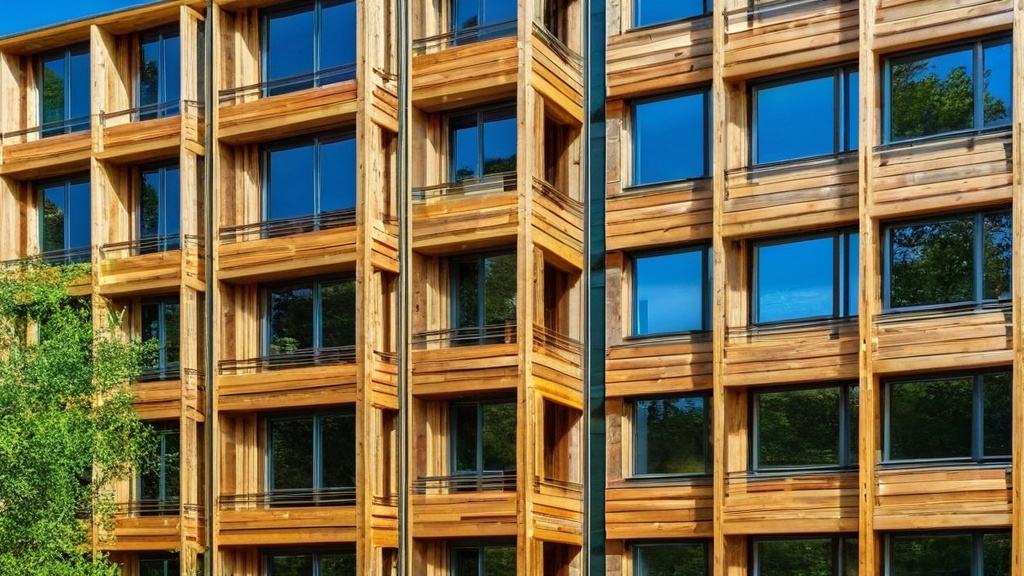
Reclaimed wood is timber salvaged from old structures, like barns, factories, or warehouses, and repurposed for new construction. Instead of logging new trees, you can give aged wood a renewed purpose, conserving forests and reducing waste.
Benefits of Reclaimed Wood
Reclaimed wood offers a unique aesthetic, often displaying rich patinas and distinctive grain patterns that new wood lacks. Its age and exposure to elements confer a durability new timber may not possess. You gain a material with a story, adding character and history to your home.
- Reduced Deforestation: You diminish demand for newly harvested timber, preserving forests. Forests act as carbon sinks, absorbing carbon dioxide from the atmosphere.
- Lower Energy Consumption: Processing reclaimed wood requires less energy than milling new lumber. Fewer resources are expended in transportation and manufacturing.
- Waste Diversion: You prevent wood from ending up in landfills, where it would decompose and release methane, a potent greenhouse gas.
- Unique Aesthetics and Durability: The visual appeal of weathered wood provides an authentic, rustic charm. Older wood typically exhibits greater stability and resistance to warping.
Sources and Applications
Finding reclaimed wood involves seeking out salvage yards, demolition companies, and specialized suppliers. You can utilize reclaimed wood for flooring, beams, siding, cabinetry, and even furniture. Imagine a dining table crafted from timber that once supported a bustling mill floor.
When considering eco-friendly building materials for houses, it’s essential to explore various resources that provide insights into sustainable living. One such article is titled “Embracing Eco-Friendly Choices,” which delves into the importance of making environmentally conscious decisions in our daily lives. You can read more about it by visiting this link: Embracing Eco-Friendly Choices. This resource offers valuable information that complements the discussion on sustainable building practices and materials.
Bamboo: The Rapidly Renewable Grass
Bamboo, botanically a grass, possesses wood-like qualities, making it a sustainable building material. Its rapid growth rate sets it apart from traditional timber, which can take decades to mature.
Advantages of Bamboo Construction
Bamboo forests regenerate quickly, often reaching maturity within three to five years. Its root system helps prevent soil erosion. You receive a strong, lightweight building material with inherent flexibility.
- Fast Growth and Renewable: Bamboo replenishes itself at an impressive rate, making it a highly renewable resource.
- High Strength-to-Weight Ratio: Despite its lightness, bamboo exhibits tensile strength comparable to steel and compressive strength exceeding concrete.
- Versatility: You can use bamboo for flooring, structural elements, wall panels, and even decking. Its natural aesthetic complements various design styles.
- Carbon Sequestration: Growing bamboo absorbs carbon dioxide, contributing to a reduction in atmospheric greenhouse gases.
Processing and Usage
After harvesting, bamboo undergoes a processing stage to enhance its durability and resistance to pests and moisture. Treatment involves boiling, drying, and sometimes laminating stalks into planks or composites. You can then incorporate these processed materials into your building plans. Think of bamboo flooring, providing a cool, resilient surface underfoot.
Cork: From Tree Bark to Your Walls
Cork, a natural material harvested from the bark of the cork oak tree, offers a unique blend of sustainability and performance. The tree itself remains unharmed during harvesting; its bark regenerates over time.
Benefits of Cork Materials
Cork provides excellent insulation, both thermal and acoustic. Its cellular structure, filled with air pockets, traps heat and dampens sound. You gain a naturally fire-resistant, hypoallergenic material.
- Renewable Resource: Harvesters collect cork every 9-12 years without felling the tree, allowing for continuous regeneration.
- Exceptional Insulation: Cork reduces energy consumption for heating and cooling, lowering your utility bills. It acts as a thermal barrier, keeping interiors cool in summer and warm in winter.
- Sound Absorption: The acoustic properties of cork create quieter interior spaces, muffling unwanted noise.
- Hypoallergenic and Mold Resistant: Cork naturally resists mold, mildew, and pests, making it suitable for individuals with allergies.
Applications in Your Home
You can use cork for flooring, wall coverings, and insulation panels. Cork flooring offers a soft, comfortable surface underfoot, while cork wall tiles add texture and warmth. Imagine a home office with cork paneling, creating a calm, sound-absorbing environment.
Recycled Steel: Strength Reborn

Steel, a fundamental component in modern construction, becomes even more sustainable when sourced from recycled materials. Recycling steel consumes significantly less energy than producing new steel from virgin ore.
Advantages of Using Recycled Steel
Utilizing recycled steel contributes to a circular economy, minimizing waste and conserving natural resources. You benefit from a material that retains its structural integrity and strength.
- Reduced Energy Consumption: Producing steel from recycled scrap requires vastly less energy compared to extracting and processing iron ore.
- Conservation of Natural Resources: Recycling steel lessens the need for mining iron ore and coal, preserving finite resources.
- Lower Emissions: Reduced energy consumption translates to fewer greenhouse gas emissions associated with steel production.
- Durability and Strength: Recycled steel maintains the robust characteristics of new steel, offering an enduring framework for your home.
Recycled Content and Applications
Many steel products, such as beams, columns, and rebar, contain a high percentage of recycled content. You can confirm the recycled content with your supplier. Think of the skeletal frame of your home, formed from recycled steel, a testament to enduring strength and thoughtful resource management.
When considering eco-friendly building materials for houses, it’s essential to also think about energy efficiency in everyday activities. For instance, using energy-efficient appliances can significantly reduce your overall energy consumption. A related article discusses practical tips on how to save energy when using your computer, which can complement your efforts in creating a sustainable home. You can read more about it in this insightful piece here. By integrating these practices, you can contribute to a greener environment while enjoying the comforts of modern living.
Adobe and Rammed Earth: Ancient Wisdom for Modern Homes
| Material | Source | Environmental Impact | Thermal Insulation (R-value) | Durability | Cost Effectiveness | Recyclability |
|---|---|---|---|---|---|---|
| Bamboo | Rapidly renewable grass | Low carbon footprint, biodegradable | 1.5 – 2.0 per inch | High (when treated) | Moderate | High |
| Recycled Steel | Recycled scrap metal | Reduces mining, energy intensive to produce | 0.003 per inch (low insulation) | Very High | Moderate to High | High |
| Straw Bales | Agricultural waste | Low embodied energy, biodegradable | 30+ per 18 inch bale | Moderate (needs protection from moisture) | Low | High |
| Reclaimed Wood | Salvaged wood from old buildings | Reduces deforestation, low embodied energy | 1.25 per inch | High | Moderate | High |
| Hempcrete | Hemp plant fibers mixed with lime | Carbon negative, biodegradable | 2.4 per inch | Moderate | Moderate | High |
| Recycled Glass | Post-consumer glass waste | Reduces landfill, energy intensive recycling | Varies by application | High | Moderate | High |
| Cork | Bark of cork oak tree | Renewable, biodegradable | 3.6 per inch | Moderate | Moderate | High |
Adobe and rammed earth represent building techniques with roots in ancient civilizations. They harness natural, local materials – clay, sand, straw, and water – to create durable, energy-efficient structures.
Characteristics of Earthen Construction
These methods employ readily available materials, minimizing transportation costs and embodied energy. You receive a home with excellent thermal mass, regulating indoor temperatures naturally.
- Low Embodied Energy: Acquiring and processing adobe bricks or rammed earth typically requires minimal energysetInput, especially when sourcing materials locally.
- Excellent Thermal Mass: The dense nature of adobe and rammed earth walls allows them to absorb and release heat slowly. This keeps interiors cool during hot days and warm during cold nights, reducing the need for artificial heating and cooling.
- Breathability: Earthen walls allow vapor to pass through, contributing to healthy indoor air quality and preventing moisture buildup.
- Durability and Longevity: Well-constructed adobe and rammed earth buildings can last for centuries, demonstrating remarkable resilience.
Building with Earth
Adobe Construction
Adobe involves mixing clay, sand, straw, and water, then forming individual bricks. Builders then dry these bricks in the sun. You then lay these bricks with mortar, creating solid walls. Picture a home whose walls literally breathe with the earth, offering a connection to ancestral building wisdom.
Rammed Earth Construction
Rammed earth involves compacting moist subsoil, sand, and clay into temporary forms, layer by layer, to create solid walls. A small amount of cement or lime may be added for stabilization. Consider the elegant, layered appearance of rammed earth walls, showcasing the strata of the earth itself.
In choosing materials for your home, remember you are not simply constructing a building; you are shaping your future and contributing to the planet’s well-being. Your decisions serve as a foundation for a healthier, more sustainable way of living.
FAQs
What are eco-friendly building materials?
Eco-friendly building materials are products used in construction that have a reduced impact on the environment. They are often made from renewable resources, recycled content, or materials that require less energy to produce and transport. These materials also tend to be non-toxic and promote better indoor air quality.
Why should I use eco-friendly materials for building a house?
Using eco-friendly materials helps reduce the environmental footprint of your home by conserving natural resources, lowering greenhouse gas emissions, and minimizing waste. Additionally, these materials can improve energy efficiency, enhance indoor air quality, and often provide better durability and comfort.
What are some common examples of eco-friendly building materials?
Common eco-friendly building materials include bamboo, reclaimed wood, recycled metal, cork, straw bales, rammed earth, recycled glass, and low-VOC (volatile organic compound) paints. Insulation made from recycled denim or cellulose is also popular for sustainable construction.
Are eco-friendly building materials more expensive than traditional materials?
While some eco-friendly materials may have a higher upfront cost, many are competitively priced or even less expensive than conventional options. Over time, the energy savings and durability of sustainable materials can offset initial expenses, making them cost-effective in the long run.
How can I ensure the building materials I choose are truly eco-friendly?
Look for certifications such as FSC (Forest Stewardship Council) for wood products, GREENGUARD for low-emission materials, or Cradle to Cradle certification. Research the sourcing, manufacturing processes, and lifecycle impacts of materials, and consult with suppliers or builders experienced in sustainable construction.