Top 15 Practical Tips for Designing a Sustainable Home
-
1. Location, Location, Location: Choosing the Right Spot for a Sustainable Home
-
4. Insulation and Air Sealing: Locking in Comfort and Savings
-
5. Windows and Doors: Letting the Light In, Keeping the Energy Bills Down
-
7. Water Wise: Conservation Techniques for a Sustainable Home
The world is waking up to the urgent need for sustainable living, and what better place to start than our own homes? According to the World Green Building Council, buildings are responsible for a staggering 39% of global energy-related carbon emissions. This alarming statistic underscores the critical role sustainable house design plays in mitigating climate change. This blog post isn’t about futuristic concepts or unattainable ideals. It’s about practical, budget-friendly steps you can take today to create a home that’s both comfortable and kind to the planet. Get ready to discover 15 actionable tips that will empower you to build or renovate your home with sustainability in mind.
1. Location, Location, Location: Choosing the Right Spot for a Sustainable Home
Building a sustainable home starts long before the first brick is laid. Choosing the right location is paramount. Proximity to public transportation, local amenities, and community resources minimizes your reliance on personal vehicles, reducing your carbon footprint. Look for locations with existing infrastructure to avoid further environmental disruption. Consider the local climate: a site that maximizes passive solar gain in winter and natural ventilation in summer will significantly reduce your energy consumption. Avoid hazardous areas like floodplains, which are increasingly vulnerable in our changing climate. As Jorge Fontan, a seasoned architect with 20 years of experience, advises, “Utilizing existing infrastructure and avoiding environmentally sensitive areas are crucial first steps in sustainable design.”
2. Right-Sizing Your Home: Less is More
Bigger isn’t always better, especially when it comes to sustainable living. Smaller homes require fewer resources to build and operate. Think strategically about your space needs and prioritize efficient layouts that maximize functionality. Case studies demonstrate that compact, well-designed homes can be just as comfortable and stylish as larger, less efficient ones. For example, the “Marshland Marvel” in Northern Florida, built almost entirely from recycled wood, showcases how a smaller footprint can achieve significant sustainability gains. The financial savings associated with a smaller home are substantial, from lower mortgage payments and property taxes to reduced utility bills.
3. Building with the Earth in Mind: Sustainable Materials
Choosing sustainable building materials is a cornerstone of eco-conscious design. Opt for locally sourced materials like timber, cob (a mixture of earth, sand, and straw), and straw bales, as seen in traditional building techniques. Using local materials reduces transportation emissions and supports local economies. Incorporate recycled and reclaimed materials wherever possible. Think recycled wood flooring, reclaimed brick accents, or countertops made from recycled glass. Compare the environmental impact of different materials using resources like the Environmental Product Declarations (EPDs). The Italian Pavilion at Expo 2020, constructed with recycled orange peels for flooring and upturned boats for the roof, serves as a powerful example of the innovative use of sustainable materials.

PRODUCT FEATURES: Glass cutting board is made of tempered glass for long-lasting durability. The four edges of the product are carefully polished and very smooth and safe, 16-inch long by 12-inch wide,Set of 2 (Clear).

✅ 100% Natural Marble – Hand-Polished & Unique Crafted from solid white marble with naturally unique veining, no two boards are alike. Perfect as a marble cutting board, cheese board, charcuterie board, or pastry/baking slab, adding elegance and durability to your kitchen or dining space.

Rectangular Marble Cutting Board – Beautiful and elegant 15.4" × 11.4" × 0.6" rectangular marble charcuterie board. A versatile cutting board for the kitchen and also displays your charcuterie with class, perfect for displaying bite-sized bread, jam, fruits, cured meats, brie, and gouda cheese
4. Insulation and Air Sealing: Locking in Comfort and Savings
Proper insulation and air sealing are crucial for energy efficiency. Insulation with a high R-value prevents heat loss in the winter and heat gain in the summer. Aim to exceed the minimum insulation requirements specified in your local building codes. Air sealing complements insulation by preventing drafts and air leaks. A blower door test can identify areas where air sealing is needed. DIY insulation projects can be a cost-effective way to improve your home’s energy performance, but consult with professionals for complex areas like attics and crawl spaces.

This Kit Includes: 4 rolls of 2ft x 18ft White/Foil Foam Core Insulation, Heavy Duty Double Sided Tape, Razor, Squeegee, Easy Instructions

EXTREMELY EFFECTIVE – Reflects 95% of radiant energy, perfect RADIANT BARRIER. R17 insulation.

3-in-1 Design: VEVOR 50 ft x 48 in double reflective insulation roll features a versatile 3-in-1 design: Radiant Barrier + Insulation + Vapour Control, ensuring exceptional thermal performance. Excellent radiant barrier keeps you cool in summer and warm in winter, maintaining a comfortable indoor temperature year-round.
5. Windows and Doors: Letting the Light In, Keeping the Energy Bills Down
Energy-efficient windows and doors are essential for a sustainable home. Opt for triple-pane windows with low-E coatings to minimize heat transfer. Ensure proper weather stripping and air sealing around windows and doors to prevent drafts. Consider the placement of windows to maximize natural light and ventilation. South-facing windows are ideal for capturing winter sunlight, while strategically placed overhangs can prevent overheating in the summer. Resources like the Energy Star program can help you identify certified energy-efficient windows and doors.

Innovative 2-in-1 Rotatable Design: These car window shades feature a unique dual-panel design, allowing you to rotate and adjust each panel independently. This creates a customizable sun barrier that can be shaped to fit various window sizes and angles for optimal coverage.

Measure Glass, Air Space, and Overall IG Thickness: Measure glass, air space, and overall IG thickness on single, double, and triple pane windows with one button press.

Instant, Accurate Window Diagnostics With One Push of a Button – when you need complete clarity on window construction, the Glass-Chek ELITE delivers. Designed for glass replacement experts, installers, inspectors, building professionals and window film installers, this advanced meter identifies glass thickness, laminate layers, air space, IG configuration, and Low-E coatings instantly — all in a rugged, portable, 100% Made in the USA design. No estimates. No dismantling. Just fast, accurate answers you can trust.
6. Breathing Easy: Indoor Comfort and Air Quality
A sustainable home is not only energy-efficient but also healthy and comfortable. Proper ventilation is key to maintaining good indoor air quality. An Energy Recovery Ventilator (ERV) can preheat or precool incoming fresh air using the energy from outgoing exhaust air, further improving energy efficiency. Choose low-VOC paints, finishes, and flooring materials to minimize indoor air pollution. Regular maintenance of your HVAC system, including filter changes, is essential for optimal performance and air quality.
7. Water Wise: Conservation Techniques for a Sustainable Home
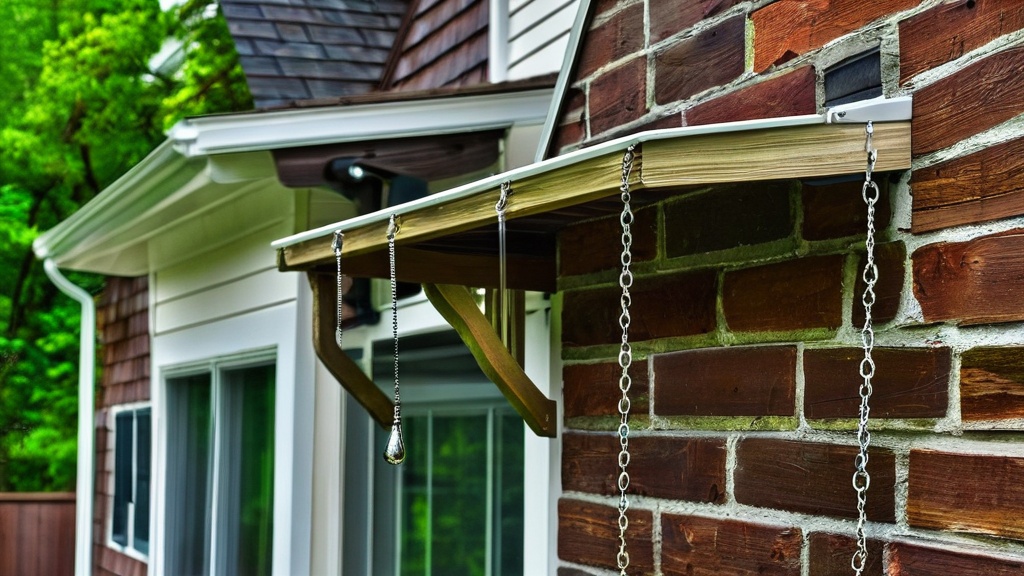
Water conservation is another vital aspect of sustainable design. Install low-flow faucets, showerheads, and dual-flush toilets. Consider implementing a rainwater harvesting system to collect rainwater for irrigation, toilet flushing, or even, with proper filtration, drinking water. Greywater recycling systems can reuse water from showers and sinks for landscaping. Drought-tolerant landscaping further reduces water consumption. Native plants adapted to your local climate require less watering and maintenance.
8. Harnessing the Sun and Beyond: Renewable Energy Sources
Renewable energy sources like solar power are becoming increasingly affordable and accessible. Rooftop solar panels can significantly reduce your reliance on grid electricity. Explore government incentives and rebates that may be available for renewable energy installations. Solar water heating systems and tankless water heaters offer efficient and sustainable ways to heat your water. Evaluate the pros and cons of different renewable energy options based on your location, budget, and energy needs.
9. Illuminating Efficiency: Energy-Efficient Lighting
Switching to LED lighting is a simple yet impactful way to reduce energy consumption. LEDs use up to 80% less energy than traditional incandescent bulbs and last significantly longer. Smart lighting systems allow you to control your lights remotely and automate lighting schedules for further energy savings. Online calculators can help you estimate the energy and cost savings from switching to LEDs.
10. Appliances and Equipment: Choosing Energy Star
Energy Star certified appliances are designed to be energy-efficient, saving you money on your utility bills while reducing your environmental impact. Look for the Energy Star label when purchasing refrigerators, washing machines, dishwashers, and other appliances. Prioritize appliances with features that further enhance efficiency, such as sleep modes and smart controls.
11. Landscaping for Sustainability: Working with Nature
Sustainable landscaping goes beyond simply planting drought-tolerant plants. Consider the overall design of your landscape to minimize water use, reduce maintenance, and support local biodiversity. Use permeable paving materials to allow rainwater to infiltrate the ground, reducing runoff. Create a compost bin to recycle kitchen and yard waste into nutrient-rich soil for your garden. Incorporate native plants and trees that provide shade and habitat for local wildlife.
12. Built to Last: Long-Term Durability
Building a sustainable home also means building for longevity. Choose durable materials and construction techniques that minimize the need for repairs and replacements. Proper ventilation and moisture control are essential for preventing mold and rot, extending the lifespan of your home. Develop a regular maintenance schedule to address minor issues before they become major problems.
13. Creating a Home You Love: Sustainable Style
Sustainability doesn’t mean sacrificing style. Eco-friendly materials and furniture can be just as beautiful and stylish as conventional options. Incorporate reclaimed wood, bamboo, and other sustainable materials into your interior design. Choose furniture made from recycled or sustainably harvested wood. Prioritize quality over quantity to reduce consumption and waste.
14. Case Study Inspiration: Real-World Examples
Learning from real-world examples can be incredibly inspiring. Research case studies of sustainable homes in your area or online. Look for projects that incorporate the principles discussed in this blog post. Analyze the design choices, materials used, and energy-saving features. These examples can provide valuable insights and inspire you to incorporate sustainable practices into your own home. The “Reclaimed Retreat” in England, built entirely from salvaged materials, offers a compelling example of the beauty and practicality of reuse.
15. Conclusion: A Sustainable Future Starts at Home
Creating a sustainable home is an investment in both your future and the future of the planet. By implementing these practical tips, you can reduce your environmental impact, save money on your utility bills, and create a healthier, more comfortable living environment. Every step you take, no matter how small, contributes to a more sustainable future. Start today, and be the change you want to see in the world.
Additional Resources
- U.S. Green Building Council (USGBC): www.usgbc.org
- Energy Star: www.energystar.gov
- World Green Building Council: www.worldgbc.org
- Passive House Institute: www.passiv.de
Call to Action
Join the conversation! Share your own sustainable home design tips and experiences in the comments below. Subscribe to our newsletter for more insights and resources on sustainable living. Download our free checklist for designing a sustainable home!
Enjoying our content? Make us a preferred source on Google.
Add us as a Preferred Source on Google