In the quest for environmentally responsible construction, sustainable building materials play a vital role. We find ourselves increasingly aware of the impact our choices have on the planet. Utilizing materials that are renewable, recyclable, or sourced from sustainable practices can significantly reduce our carbon footprint. Bamboo, for instance, has gained popularity due to its rapid growth and ability to regenerate quickly. This grass not only provides a sturdy alternative to traditional timber but also contributes to carbon sequestration during its growth cycle.
Recycled materials present another innovative option for sustainable construction. Using reclaimed wood, recycled metal, or repurposed bricks not only minimizes waste but also adds character and history to a building. The aesthetic appeal of these materials often enhances the overall design, creating spaces that are both functional and visually striking. As we continue to explore new technologies and methods, the development of bio-based materials, such as mycelium and hempcrete, offers exciting possibilities for the future of construction.
These materials not only provide excellent insulation but also contribute to a healthier indoor environment.
As we explore the exciting Eco Home Trends to Watch in 2026, it’s essential to consider how homeowners can actively reduce their environmental impact. A related article that provides valuable insights on this topic is “How to Reduce Your Carbon Footprint at Home,” which offers practical tips and strategies for making eco-friendly choices in everyday living. You can read more about it by following this link: How to Reduce Your Carbon Footprint at Home. This resource complements the trends we anticipate for 2026 by emphasizing actionable steps that can be taken today to create a more sustainable living environment.
Key Takeaways
- Sustainable building materials are essential for reducing the environmental impact of construction and can include options such as reclaimed wood, bamboo, and recycled metal.
- Energy-efficient appliances can significantly reduce energy consumption and lower utility bills, with options such as ENERGY STAR-rated refrigerators, dishwashers, and washing machines.
- Smart home technology, such as programmable thermostats and lighting systems, can help optimize energy usage and improve overall efficiency.
- Water conservation features, including low-flow toilets and faucets, rainwater harvesting systems, and drought-resistant landscaping, can help reduce water usage and promote sustainability.
- Green roofing and insulation options, such as living roofs and recycled insulation materials, can improve energy efficiency and reduce the urban heat island effect.
Energy-Efficient Appliances
Energy-efficient appliances represent a significant step toward reducing energy consumption in our homes. Choosing appliances with high energy ratings can lead to substantial savings on utility bills while minimizing environmental impact. For instance, Energy Star-rated refrigerators and washing machines use advanced technology to consume less electricity and water without sacrificing performance. As we replace older models with these efficient alternatives, we contribute to a collective effort to lower greenhouse gas emissions.
In addition to saving energy, many energy-efficient appliances come equipped with smart features that allow us to monitor and control their usage. Smart thermostats, for example, learn our habits and adjust heating and cooling accordingly, optimizing energy use throughout the day. This not only enhances comfort but also encourages us to be more mindful of our consumption patterns. As we embrace these technologies, we foster a culture of sustainability that extends beyond our individual households.
Smart Home Technology
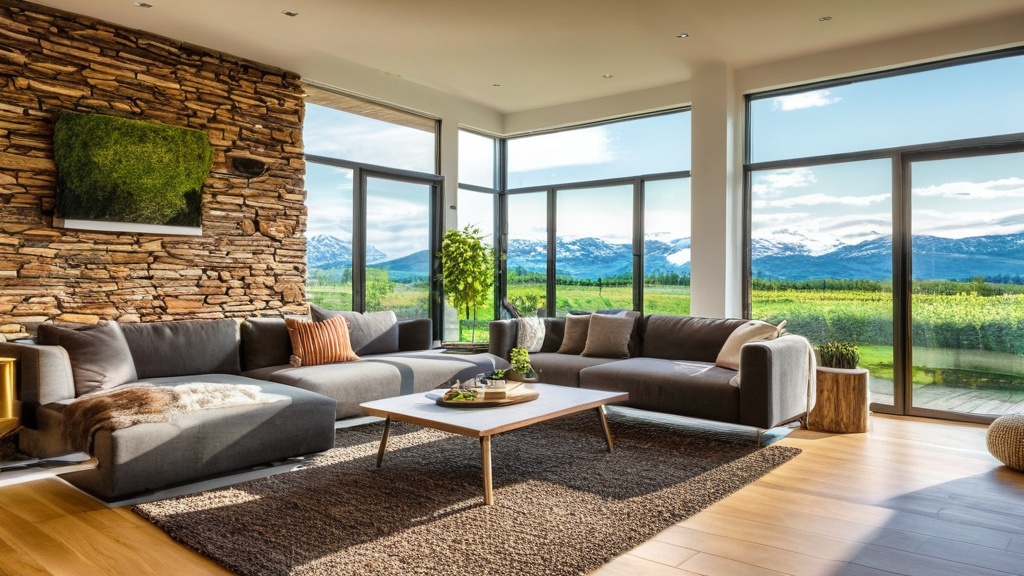
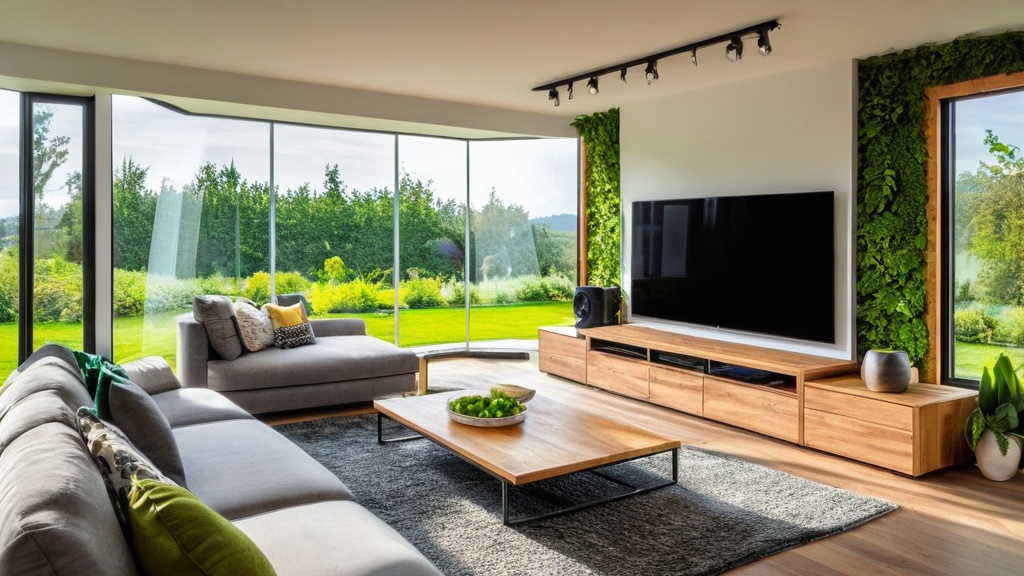
Smart home technology has revolutionized the way we interact with our living spaces. With the ability to control lighting, heating, and security systems remotely, we can create a more efficient and comfortable environment. Smart devices often integrate seamlessly with energy-efficient appliances, allowing us to monitor energy usage in real-time. This level of control empowers us to make informed decisions about our consumption habits.
The convenience offered by smart home technology extends beyond energy management. Automated systems can enhance security by providing real-time alerts and remote monitoring capabilities. Smart locks and cameras allow us to keep an eye on our property from anywhere in the world. As we adopt these technologies, we not only improve our quality of life but also contribute to a more sustainable future by reducing energy waste and enhancing safety.
Water Conservation Features
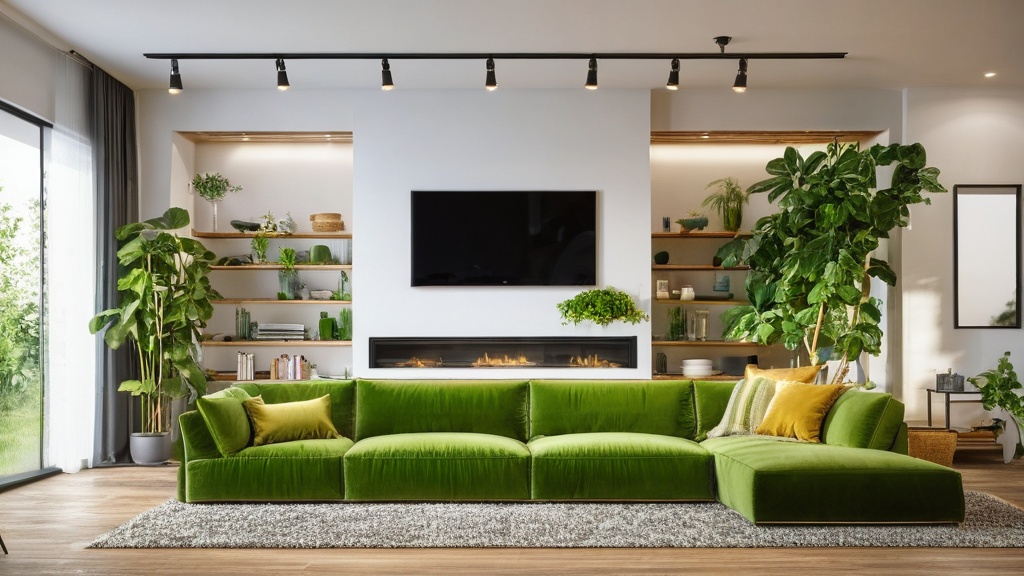
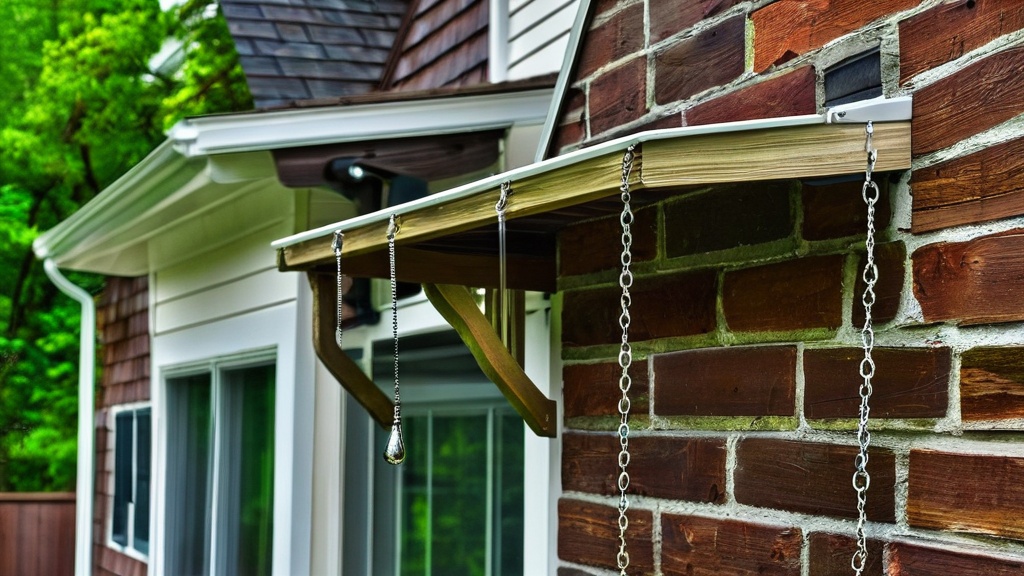
Water conservation features are essential in promoting responsible water usage in our homes. Installing low-flow fixtures such as faucets, showerheads, and toilets can significantly reduce water consumption without compromising performance. These fixtures utilize innovative designs that maintain water pressure while minimizing flow rates, leading to substantial savings on water bills.
Rainwater harvesting systems offer another effective method for conserving water. Collecting rainwater from rooftops allows us to use this resource for irrigation or even indoor purposes after proper filtration. Implementing greywater recycling systems can further enhance our water conservation efforts by reusing water from sinks and showers for landscape irrigation. As we adopt these practices, we contribute to the preservation of this precious resource while fostering a culture of sustainability within our communities.
As we look ahead to Eco Home Trends to Watch in 2026, it’s essential to stay informed about the latest innovations in sustainable living. One insightful article that delves into the future of eco-friendly home design is available at Eco-Friendly Home Hub, which discusses emerging technologies and materials that promise to revolutionize how we think about our living spaces. By exploring these trends, homeowners can make informed decisions that not only benefit the environment but also enhance their quality of life.
Green Roofing and Insulation
| Trend | Description |
|---|---|
| Sustainable Materials | Increasing use of recycled and upcycled materials in home construction and decor. |
| Energy-Efficient Appliances | Growing demand for appliances that reduce energy consumption and lower utility bills. |
| Smart Home Technology | Integration of technology to monitor and control energy usage, lighting, and temperature. |
| Water Conservation | Adoption of water-saving fixtures and systems to reduce water waste in homes. |
| Indoor Air Quality | Focus on improving air quality through natural ventilation and air purifying systems. |
Green roofing systems provide numerous benefits beyond aesthetics. These living roofs support biodiversity by creating habitats for various plant species and wildlife. Additionally, they help regulate indoor temperatures by providing natural insulation, reducing the need for heating and cooling systems. As we incorporate green roofs into our buildings, we contribute to urban greening efforts that combat the heat island effect prevalent in many cities.
Insulation plays a critical role in energy efficiency as well. Utilizing eco-friendly insulation materials such as cellulose or sheep’s wool can significantly improve a building’s thermal performance while minimizing environmental impact. These materials are often sourced from renewable resources and provide excellent soundproofing qualities. By prioritizing green roofing and insulation, we create healthier living environments while reducing our reliance on fossil fuels.
Solar Power Integration
Integrating solar power into our homes represents a powerful way to harness renewable energy. Photovoltaic panels convert sunlight into electricity, providing a clean source of power that can significantly reduce reliance on fossil fuels. As we invest in solar technology, we not only lower our energy bills but also contribute to a more sustainable energy grid.
Battery storage systems complement solar power integration by allowing us to store excess energy generated during sunny days for use during peak demand times or cloudy days. This capability enhances energy independence and ensures that we can rely on renewable sources even when sunlight is not available. As solar technology continues to advance, the potential for widespread adoption grows, paving the way for a cleaner and more sustainable future.
Indoor Air Quality Improvements
Improving indoor air quality is essential for creating healthy living environments. Many modern building materials emit volatile organic compounds (VOCs) that can negatively impact air quality. Choosing low-VOC paints, finishes, and adhesives helps mitigate this issue while promoting better health for occupants. Incorporating natural ventilation systems can further enhance air quality by allowing fresh air to circulate throughout the home.
Air purification systems offer additional support in maintaining clean indoor air. HEPA filters capture allergens and pollutants, ensuring that the air we breathe is free from harmful particles. Plants also play a vital role in improving indoor air quality by absorbing carbon dioxide and releasing oxygen. By prioritizing indoor air quality improvements, we create spaces that promote well-being and comfort for all inhabitants.
Eco-Friendly Landscaping
Eco-friendly landscaping practices contribute to environmental sustainability while enhancing the beauty of our outdoor spaces. Native plants require less water and maintenance compared to non-native species, making them an ideal choice for sustainable gardens. These plants are adapted to local climates and ecosystems, supporting local wildlife and promoting biodiversity.
Implementing xeriscaping techniques can further reduce water consumption in landscaping efforts. This approach focuses on designing gardens that require minimal irrigation by utilizing drought-resistant plants and efficient irrigation systems. Rain gardens can also be integrated into landscaping designs to manage stormwater runoff effectively while providing habitat for beneficial insects and wildlife. As we embrace eco-friendly landscaping practices, we create outdoor spaces that are not only visually appealing but also environmentally responsible.
In conclusion, adopting sustainable practices across various aspects of our homes contributes significantly to environmental preservation and enhances our quality of life. From utilizing sustainable building materials to integrating smart home technology, each choice we make has the potential to create a positive impact on our planet. By prioritizing energy efficiency, water conservation, and indoor air quality improvements, we foster healthier living environments for ourselves and future generations. Embracing eco-friendly landscaping further enriches our connection with nature while promoting biodiversity in our communities. Together, we can pave the way toward a more sustainable future through conscious choices in our homes and lifestyles.
FAQs
What are some eco home trends to watch in 2026?
Some eco home trends to watch in 2026 include the use of sustainable and recycled materials in construction, the integration of smart home technology for energy efficiency, the rise of urban gardening and green spaces, the adoption of renewable energy sources such as solar panels, and the emphasis on water conservation through efficient plumbing and landscaping.
How can sustainable and recycled materials be used in eco home construction?
Sustainable and recycled materials can be used in eco home construction by incorporating items such as reclaimed wood, recycled glass countertops, bamboo flooring, and recycled steel for structural elements. Additionally, eco-friendly insulation made from recycled materials and low-VOC paints can also be utilized.
What smart home technologies can be integrated for energy efficiency?
Smart home technologies that can be integrated for energy efficiency include programmable thermostats, energy monitoring systems, smart lighting and appliances, and home automation systems that can optimize energy usage based on occupancy and environmental conditions.
How can urban gardening and green spaces be incorporated into eco homes?
Urban gardening and green spaces can be incorporated into eco homes through the use of rooftop gardens, vertical gardens, indoor hydroponic systems, and community gardening initiatives. These features not only promote sustainable living but also contribute to improved air quality and biodiversity in urban areas.
What are some renewable energy sources that can be adopted for eco homes?
Some renewable energy sources that can be adopted for eco homes include solar panels for generating electricity, solar water heaters for hot water production, wind turbines for generating power, and geothermal heat pumps for heating and cooling. These options can help reduce reliance on traditional fossil fuels and lower carbon emissions.
Enjoying our content? Make us a preferred source on Google.
Add us as a Preferred Source on Google