Energy-efficient home extensions play a vital role in modern living. As we expand our homes to accommodate growing families or changing lifestyles, the need for sustainability becomes increasingly apparent. Energy efficiency not only reduces our carbon footprint but also leads to significant savings on utility bills. When we invest in energy-efficient designs, we contribute to a healthier environment while enhancing our quality of life.
The benefits of energy-efficient home extensions extend beyond financial savings. Improved insulation and energy-efficient materials create a more comfortable living space, maintaining consistent temperatures throughout the year. This comfort translates into a better living experience, allowing us to enjoy our homes without the constant worry of rising energy costs. As we become more aware of our environmental impact, prioritizing energy efficiency in our home extensions reflects our commitment to sustainable living.
If you’re considering energy-efficient home extensions, you might also find it beneficial to explore innovative packaging solutions that contribute to a waste-free future. These sustainable practices can complement your home improvement projects by promoting eco-friendly materials and methods. For more insights on this topic, check out the article on innovative packaging solutions at Eco-Friendly Home Hub.
Key Takeaways
- Energy-efficient home extensions can help reduce energy consumption and lower utility bills.
- Choosing the right insulation is crucial for maintaining a comfortable temperature and reducing energy loss in your home extension.
- Selecting energy-efficient windows and doors can improve insulation and reduce heat transfer.
- Incorporating renewable energy sources such as solar panels can further reduce energy consumption and environmental impact.
- Utilizing smart home technology can help monitor and control energy usage in your home extension for maximum efficiency.
Choosing the Right Insulation for Your Home Extension
Selecting the appropriate insulation is a fundamental step in achieving energy efficiency in our home extensions. Various insulation materials are available, each with unique properties and benefits. Fiberglass, foam board, and spray foam are popular choices, offering different levels of thermal resistance and moisture control. Understanding the specific needs of our extension will guide us in making the right choice.
Proper insulation not only keeps our homes warm in winter but also cool in summer. This balance reduces the reliance on heating and cooling systems, leading to lower energy consumption.
When we invest time in researching insulation options, we can find solutions that fit our budget and performance requirements.
Consulting with professionals can provide valuable insights into the best insulation types for our specific climate and home design.
Selecting Energy-Efficient Windows and Doors

Windows and doors serve as critical components in maintaining energy efficiency within our home extensions. Choosing energy-efficient models can significantly reduce heat loss during colder months and minimize heat gain during warmer months. Double or triple-glazed windows with low-emissivity coatings are excellent options that enhance thermal performance while allowing natural light to enter.
In addition to thermal performance, aesthetics play a role in our selection process. Energy-efficient windows and doors come in various styles and finishes, allowing us to maintain the visual appeal of our home while improving its energy efficiency. Investing in high-quality frames and seals ensures that air leaks are minimized, further enhancing the overall performance of our extension.
Incorporating Renewable Energy Sources into Your Home Extension

Integrating renewable energy sources into our home extensions represents a forward-thinking approach to sustainability. Solar panels have become increasingly popular, providing a clean energy source that can power our homes while reducing reliance on fossil fuels. Installing solar panels on the roof of our extension can significantly lower electricity bills and even generate surplus energy that can be sold back to the grid.
Beyond solar energy, other renewable options such as wind turbines or geothermal heating systems may be suitable depending on our location and specific needs. Exploring these alternatives allows us to create a more self-sufficient home that aligns with our values regarding environmental responsibility. As we consider renewable energy sources, we contribute to a cleaner future while enjoying the benefits of reduced energy costs.
When considering energy-efficient home extensions, it’s essential to also focus on reducing your overall carbon footprint. A related article discusses practical strategies for achieving this goal, offering insights into sustainable practices that can complement your home improvement projects. By implementing these eco-friendly solutions, you can create a more sustainable living environment while enhancing the comfort of your home. For more information, you can read the article on how to reduce your carbon footprint at home here.
Utilizing Smart Home Technology for Energy Efficiency
| Metrics | Data |
|---|---|
| Energy-Efficient Windows | Double-paned, low-emissivity windows |
| Insulation | R-Value of insulation material |
| Energy-Efficient Appliances | Energy Star rated appliances |
| Renewable Energy Sources | Solar panels, wind turbines |
| Smart Thermostats | Programmable thermostats |
Smart home technology offers innovative solutions for enhancing energy efficiency in our home extensions. Smart thermostats, for instance, allow us to monitor and control heating and cooling systems remotely, optimizing energy use based on our schedules and preferences. This level of control can lead to substantial savings on energy bills while ensuring comfort throughout the day.
Incorporating smart lighting systems further enhances our energy efficiency efforts. Automated lighting can adjust based on natural light levels or occupancy, reducing unnecessary energy consumption. By integrating these technologies into our home extensions, we create a more efficient living environment that adapts to our needs while minimizing waste.
Designing for Natural Light and Ventilation in Your Home Extension
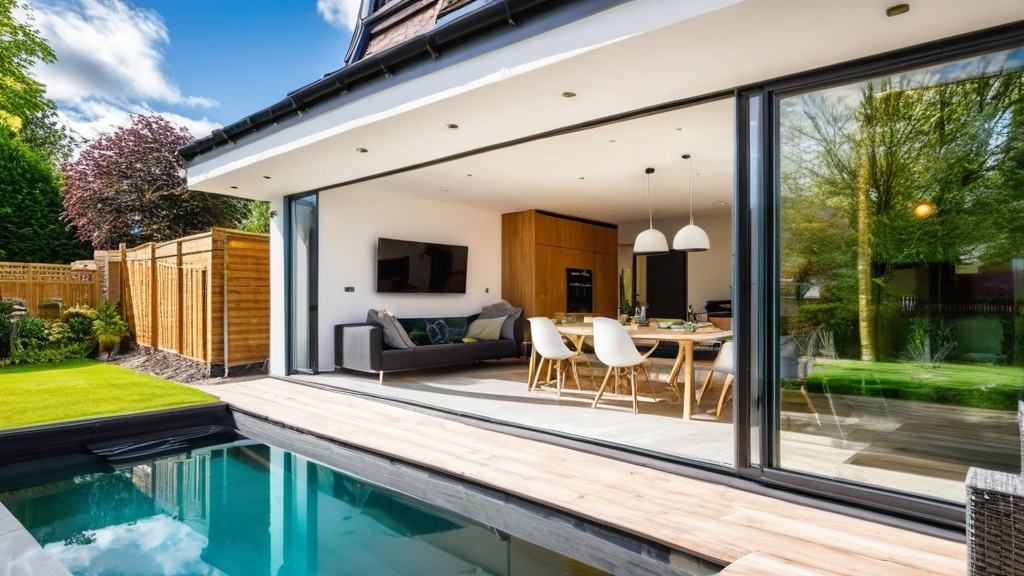
Maximizing natural light and ventilation is essential for creating an energy-efficient home extension. Thoughtful design choices can reduce the need for artificial lighting during the day while promoting airflow throughout the space. Large windows, skylights, and open floor plans can enhance natural light penetration, creating a bright and inviting atmosphere.
Ventilation plays a crucial role in maintaining indoor air quality and comfort. Strategically placed windows and vents allow for cross-ventilation, reducing reliance on air conditioning systems during warmer months. As we design our extensions with these elements in mind, we create spaces that feel open and airy while minimizing energy consumption.
Selecting Energy-Efficient Appliances and Fixtures for Your Home Extension
Choosing energy-efficient appliances and fixtures is another critical aspect of creating an eco-friendly home extension. Energy Star-rated appliances consume less energy while providing the same level of performance as their less efficient counterparts. From refrigerators to washing machines, selecting these appliances can lead to significant long-term savings.
Lighting fixtures also play a vital role in energy efficiency. Opting for LED bulbs instead of traditional incandescent options reduces energy consumption while providing better illumination. As we make conscious choices regarding appliances and fixtures, we contribute to a more sustainable lifestyle that aligns with our values.
Working with a Professional to Ensure Energy-Efficient Design and Construction
Collaborating with professionals during the design and construction phases of our home extension is essential for achieving optimal energy efficiency. Architects and builders with experience in sustainable design can provide valuable insights into best practices and innovative solutions tailored to our specific needs. Their expertise ensures that every aspect of the extension aligns with energy-efficient principles.
Engaging professionals also helps us navigate local building codes and regulations related to energy efficiency. They can recommend materials and techniques that meet or exceed these standards, ensuring that our extension not only looks great but performs well over time. By working together with experts, we can create a home extension that reflects our commitment to sustainability while enhancing our living space for years to come.
FAQs
What are energy-efficient home extensions?
Energy-efficient home extensions are additions or renovations to a home that are designed to minimize energy consumption and maximize energy efficiency. This can include features such as improved insulation, energy-efficient windows and doors, and energy-saving appliances.
What are the benefits of energy-efficient home extensions?
Energy-efficient home extensions can lead to lower energy bills, reduced environmental impact, and improved comfort and livability within the home. Additionally, these extensions can increase the overall value of the property.
What are some common features of energy-efficient home extensions?
Common features of energy-efficient home extensions include high-performance insulation, energy-efficient windows and doors, energy-saving lighting and appliances, and renewable energy systems such as solar panels or geothermal heating.
How can I make my home extension more energy-efficient?
To make a home extension more energy-efficient, consider using sustainable building materials, incorporating passive solar design principles, installing energy-efficient heating and cooling systems, and ensuring proper air sealing and insulation.
Are there any financial incentives for energy-efficient home extensions?
Many governments and local authorities offer financial incentives, such as tax credits or rebates, for homeowners who invest in energy-efficient home extensions. Additionally, energy-efficient upgrades can often qualify for lower interest rates on home improvement loans.
Enjoying our content? Make us a preferred source on Google.
Add us as a Preferred Source on Google