
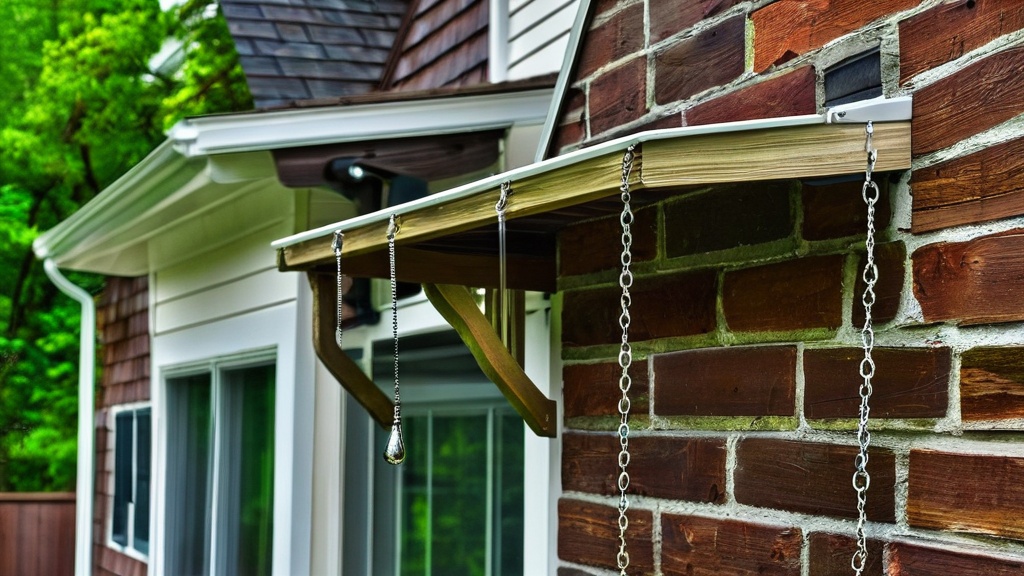
Rain chains and downspouts serve as essential components in managing rainwater runoff from rooftops. While downspouts have long been the traditional choice for directing water away from homes, rain chains have emerged as an attractive alternative. Both systems play a vital role in preventing water damage to foundations and landscapes, yet they differ significantly in design and functionality. Understanding these differences can help us make informed decisions about which option best suits our needs.
Rain chains originated in Japan, where they have been used for centuries. Their unique design allows water to flow down a series of cups or links, creating a visually appealing cascade. In contrast, downspouts typically consist of a straight pipe that channels water directly to the ground or drainage system. While both systems aim to manage rainwater, the aesthetic appeal of rain chains often draws homeowners looking to enhance their outdoor spaces. As we explore the environmental impact, water conservation benefits, and design considerations of both options, we will gain a clearer understanding of their respective advantages.
In the ongoing discussion of sustainable home practices, the article “Rain Chain vs. Downspout: Which Is Greener?” highlights the environmental benefits of using rain chains as an alternative to traditional downspouts. For those looking to further reduce their environmental impact, you may find additional insights in the article on eco-friendly living, “10 Surprising Ways to Reduce Your Carbon Footprint,” which offers practical tips and strategies for making your home more sustainable. You can read it here: 10 Surprising Ways to Reduce Your Carbon Footprint.
Key Takeaways
- Rain chains and downspouts are alternative methods for directing rainwater from the roof to the ground, with rain chains being a decorative option.
- Rain chains and downspouts can help reduce erosion, prevent flooding, and protect the foundation of a building by efficiently managing rainwater runoff.
- Using rain chains can help conserve water by directing it into a rain barrel or garden, providing a sustainable water source for plants and reducing the demand on municipal water supplies.
- Rain chains come in a variety of designs and materials, offering homeowners the opportunity to enhance the aesthetic appeal of their homes while also serving a functional purpose.
- Proper maintenance and material selection can ensure the longevity of rain chains and downspouts, reducing the need for frequent replacements and repairs.
Environmental Impact of Rain Chains and Downspouts
The environmental impact of rain chains and downspouts warrants careful consideration. Downspouts can sometimes contribute to erosion and runoff issues, particularly when water is directed forcefully onto hard surfaces. This can lead to increased sedimentation in local waterways and disrupt natural ecosystems. In contrast, rain chains promote a gentler flow of water, allowing it to percolate into the ground more effectively. This process can help recharge groundwater supplies and reduce surface runoff, ultimately benefiting the environment.
Rain chains can also play a role in reducing urban heat islands. Traditional downspouts often direct water away from buildings, leading to increased temperatures in urban areas. Rain chains, with their open design, allow for evaporation and cooling effects as water flows down. This natural cooling can contribute to a more comfortable outdoor environment during hot weather. By choosing rain chains over conventional downspouts, we may actively participate in creating a more sustainable and eco-friendly landscape.
Water Conservation and Rain Chains

Water conservation remains a pressing concern in many regions, making the choice between rain chains and downspouts even more relevant. Rain chains can facilitate the collection of rainwater for various uses, such as irrigation or outdoor cleaning. When positioned strategically, they can direct water into barrels or cisterns, allowing us to harness this precious resource for later use. This practice not only conserves water but also reduces reliance on municipal supplies.
Downspouts can also be adapted for rainwater harvesting; however, they often require additional components like diverters or storage tanks. The simplicity of rain chains makes them an attractive option for those looking to implement water conservation measures without extensive modifications to their existing systems. By utilizing rain chains, we can take proactive steps toward sustainable living while enjoying the beauty of flowing water in our gardens.
Aesthetics and Design Considerations

Aesthetic appeal plays a significant role in our choice between rain chains and downspouts. Rain chains offer a unique visual element that can enhance the overall design of our homes and gardens. Available in various materials, styles, and colors, they can complement any architectural theme. From traditional copper designs that develop a beautiful patina over time to modern stainless steel options, the variety allows us to express our personal style while improving functionality.
Downspouts, while practical, often lack the visual charm that rain chains provide. Many homeowners find them less appealing due to their utilitarian appearance. However, decorative downspout options exist that can add some flair to our homes. Still, they may not achieve the same level of artistic expression as rain chains. When considering aesthetics, we must weigh the importance of visual appeal against functionality to determine which option aligns best with our vision for our outdoor spaces.
In the ongoing debate between rain chains and downspouts, many homeowners are looking for eco-friendly alternatives to traditional drainage systems. A related article that explores sustainable living solutions is available at essential oil-based cleaning recipes, which provides insights into how to maintain a green home while considering various aspects of environmental impact. By understanding the benefits of both rain chains and downspouts, individuals can make informed decisions that align with their commitment to sustainability.
Maintenance and Longevity
| Metrics | Rain Chain | Downspout |
|---|---|---|
| Water Conservation | Allows for water to be collected and reused | Directs water away from the building |
| Material | Often made of copper or stainless steel | Usually made of aluminum or PVC |
| Cost | Can be more expensive | Generally more affordable |
| Aesthetics | Considered more visually appealing | May not be as visually appealing |
Maintenance requirements differ between rain chains and downspouts, influencing our decision-making process. Downspouts typically require regular cleaning to prevent clogs caused by leaves and debris. Neglecting this maintenance can lead to overflow issues and potential damage to our homes. While this task may seem straightforward, it can become cumbersome over time.
Rain chains generally require less maintenance due to their open design, which allows debris to flow through rather than accumulate. However, occasional cleaning may still be necessary to keep them functioning optimally. The longevity of both systems depends on the materials used; high-quality rain chains made from durable metals can last for decades with proper care. In contrast, plastic downspouts may deteriorate more quickly under harsh weather conditions. Evaluating maintenance needs alongside longevity helps us make informed choices about which system will serve us best in the long run.
When considering the environmental impact of your home’s water management system, the debate between rain chains and downspouts often arises. While rain chains can add aesthetic value and promote water conservation, it’s essential to evaluate their overall sustainability.
For those interested in further enhancing their eco-friendly practices, exploring the surprising benefits of reducing waste in your daily life can provide valuable insights.
You can read more about this topic in the article here.
Cost Comparison
Cost considerations play a crucial role in our decision-making process when choosing between rain chains and downspouts. Downspouts are often less expensive upfront due to their widespread availability and standard designs. However, additional costs may arise from necessary accessories like diverters or storage tanks for rainwater harvesting.
Rain chains typically come with a higher initial price tag due to their decorative nature and unique materials. Despite this higher cost, they can offer long-term savings through reduced water bills and lower maintenance expenses. When evaluating costs, we must consider not only the initial investment but also the potential savings over time. Making a well-rounded financial decision requires us to weigh both short-term expenses against long-term benefits.
Installation and DIY Options
Installation processes for rain chains and downspouts vary significantly, impacting our choices based on skill level and available resources. Downspouts often require professional installation due to their connection with existing gutter systems and drainage solutions. This added complexity can lead to increased costs and time commitments.
In contrast, installing rain chains can be a straightforward DIY project for many homeowners. With minimal tools required, we can easily replace existing downspouts with rain chains or create new installations from scratch. The simplicity of this process allows us to personalize our outdoor spaces without relying on professional help. Exploring DIY options empowers us to take control of our home improvement projects while enjoying the satisfaction of creating something beautiful.
Choosing the Best Option for Your Home
Choosing between rain chains and downspouts ultimately depends on our individual preferences and needs. Both systems offer unique benefits that cater to different priorities, whether aesthetic appeal, environmental impact, or ease of maintenance. As we weigh these factors, it becomes essential to consider how each option aligns with our values regarding sustainability and design.
Incorporating either rain chains or downspouts into our homes can significantly impact water management practices while enhancing outdoor aesthetics. By carefully evaluating our options based on functionality, cost, maintenance requirements, and personal style, we can make informed decisions that reflect our commitment to both beauty and practicality in our living spaces. Ultimately, selecting the best option for our homes allows us to create environments that are not only functional but also visually appealing and environmentally responsible.
FAQs
What is a rain chain?
A rain chain is a decorative alternative to a downspout that is used to guide rainwater from the roof to the ground or a collection system. It is typically made of metal or other materials and consists of a series of linked cups or chains that allow water to trickle down in a visually appealing manner.
What is a downspout?
A downspout is a vertical pipe used to drain rainwater from a roof to the ground or a drainage system. It is typically made of metal or plastic and is a common feature on most buildings.
Which is more environmentally friendly, a rain chain or a downspout?
Both rain chains and downspouts have environmental benefits. Rain chains allow for the collection of rainwater, which can be used for watering plants or other purposes, reducing the demand on municipal water supplies. Downspouts, on the other hand, can be connected to rain barrels or other collection systems to capture and store rainwater for later use. Ultimately, the environmental impact of each option depends on how the collected rainwater is utilized.
Are rain chains or downspouts more aesthetically pleasing?
Rain chains are often considered more visually appealing than traditional downspouts due to their decorative designs and the way they allow water to cascade down in an elegant manner. However, the aesthetic preference is subjective and may vary depending on individual tastes and the architectural style of the building.
Which option is more cost-effective, a rain chain or a downspout?
In general, rain chains are often more expensive than traditional downspouts, especially if they are made of high-quality materials or feature intricate designs. However, the cost-effectiveness of each option can vary depending on factors such as installation, maintenance, and the specific needs of the property.