Energy efficiency ratings serve as a vital tool for consumers seeking to make informed decisions about their windows. These ratings provide a standardized way to assess how well a window can insulate a home, ultimately affecting energy consumption and comfort levels. Various organizations, such as the National Fenestration Rating Council (NFRC), offer these ratings, which include metrics like U-factor, Solar Heat Gain Coefficient (SHGC), and Visible Transmittance (VT). Each of these metrics plays a role in determining how effectively a window can keep heat in during winter and out during summer.
When we examine the U-factor, it becomes clear that lower values indicate better insulation properties. This measurement reflects the rate of heat transfer through the window. A window with a low U-factor will help maintain a consistent indoor temperature, reducing the need for heating and cooling systems to work overtime. The SHGC measures how much solar radiation passes through the window, impacting cooling costs during warmer months. A lower SHGC is preferable in hot climates, while a higher value may be beneficial in colder regions where sunlight can help warm the home.
Understanding these ratings empowers us to select windows that align with our energy efficiency goals.
When considering thermally efficient windows for your home, it’s essential to understand how they can contribute to a more sustainable lifestyle. A related article that explores practical ways to live waste-free on a budget can provide valuable insights into creating an eco-friendly home environment. You can read more about this topic in the article titled “How Can I Live Waste-Free on a Budget?” available at this link. This resource complements the discussion on energy-efficient windows by highlighting additional strategies for reducing your environmental footprint.
Key Takeaways
- Energy efficiency ratings help consumers understand the performance of windows in terms of insulation and heat transfer.
- Different types of window frames, such as vinyl, wood, and aluminum, have varying insulation properties that impact energy efficiency.
- Low-E glass coatings are important for reducing heat transfer and improving energy efficiency in windows.
- Window glazing options, such as double or triple pane, impact insulation and energy efficiency.
- Window size and orientation can significantly impact the amount of sunlight and heat entering a space, affecting energy usage.
- Proper installation and sealing of windows are crucial for maximizing energy efficiency and preventing air leakage.
- Additional features like gas fills and spacers can further enhance the insulation and energy efficiency of windows.
- Consider the initial cost of energy-efficient windows against the potential long-term energy savings to make an informed decision.
Types of Window Frames and Their Insulation Properties
The choice of window frame material significantly influences a window’s overall insulation properties. Common materials include wood, vinyl, aluminum, and fiberglass, each offering distinct advantages and disadvantages. Wood frames provide excellent insulation due to their natural thermal resistance. They can be aesthetically pleasing and blend well with various architectural styles. However, wood requires regular maintenance to prevent rot and warping, which can compromise its insulating capabilities over time.
Vinyl frames have gained popularity for their affordability and low maintenance requirements. They offer good insulation and are resistant to moisture, making them suitable for various climates. However, vinyl may not provide the same level of aesthetic appeal as wood. Aluminum frames, while durable and strong, tend to conduct heat more readily than other materials, which can lead to energy loss. To counteract this, manufacturers often incorporate thermal breaks in aluminum frames to improve their insulation properties. Fiberglass frames stand out for their exceptional strength and energy efficiency, offering a long-lasting solution with minimal thermal conductivity.

【Thickened PVC Material】This thicken thermal window film is made of thickened PVC material, which is thicker than ordinary window insulation and more durable.It's tear-resistant, wind-resistant, stretchable, non-deformable, waterproof and keeps the room warm in winter and cool in summer.

Save on energy costs during cold weather months. Duck Max Strength shrink window film is puncture-resistant and two times thicker than standard window kits to create an airtight seal inside your home to block drafts and cold weather

①Including one piece of 120cm X 160cm transparent film,one roll of adhesive loop straps(2.5cm width), one roll of adhesive hook straps(2.5cm width) and one manual inside.Film thickness is about 180㎛(0.18mm or 7mil),enough to agiast strong winds.Fits for windows smaller than 120cm X 160cm.
Importance of Low-E Glass Coatings
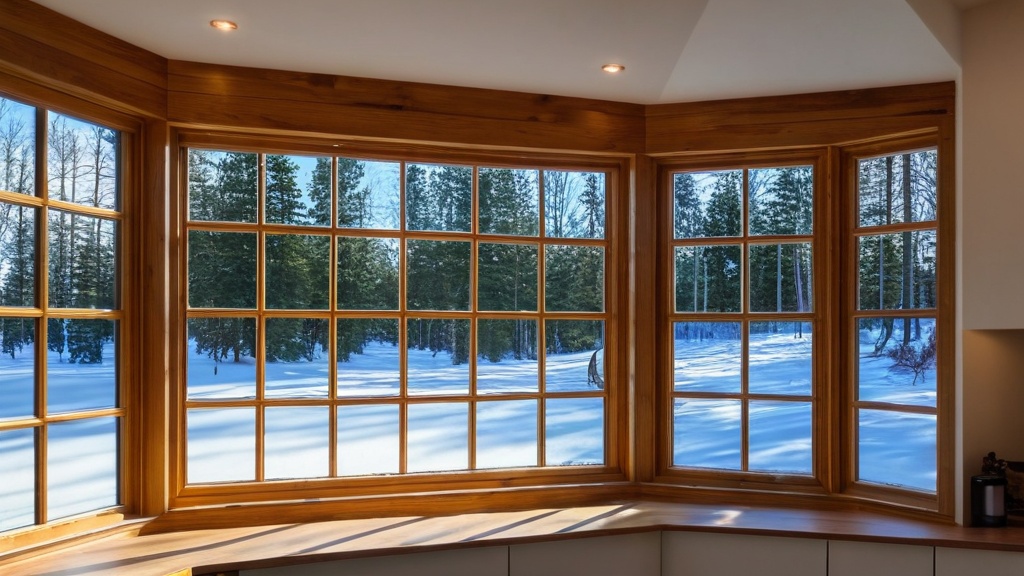
Low-emissivity (Low-E) glass coatings play a crucial role in enhancing the energy efficiency of windows. These coatings consist of thin layers of metallic oxides applied to the glass surface, reflecting infrared light while allowing visible light to pass through. This unique property helps maintain indoor temperatures by reducing heat transfer through the glass. In colder months, Low-E coatings reflect interior heat back into the home, while in warmer months, they block external heat from entering.
The benefits of Low-E glass extend beyond temperature regulation. These coatings can also reduce glare and protect furnishings from harmful UV rays that can cause fading over time. Homeowners who invest in Low-E glass often notice a significant reduction in energy bills due to decreased reliance on heating and cooling systems. Additionally, many manufacturers offer different types of Low-E coatings tailored for specific climates, allowing us to choose the most suitable option for our geographical location.

Compare Glass Efficiency — Clearly, Simply, and Directly in Front of Your Customer: The GS1332 Glass Sample Set is designed to help you demonstrate how your window product…
Considerations for Window Glazing Options
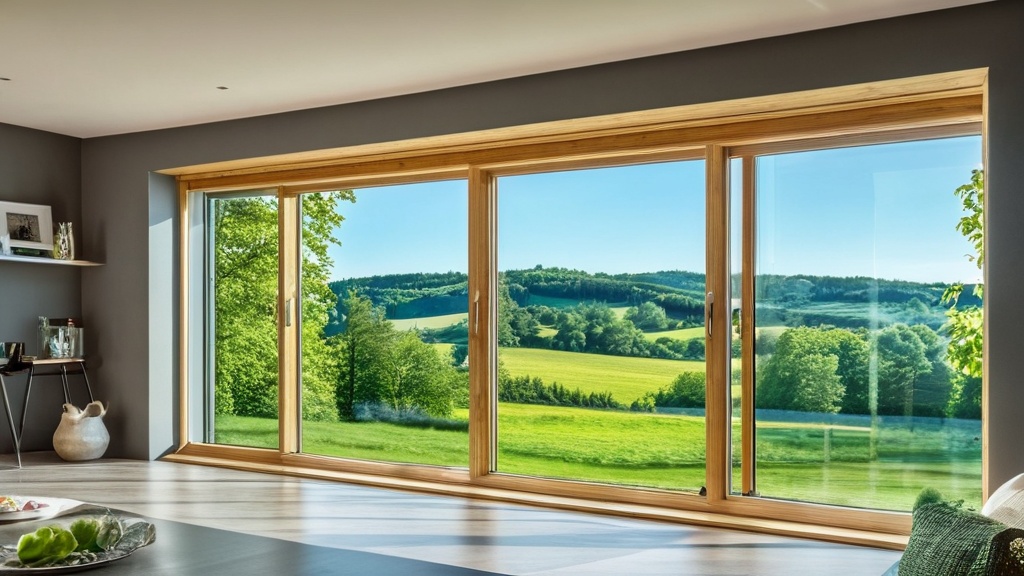
Selecting the right glazing option is essential for maximizing energy efficiency in windows. Single-pane glazing offers minimal insulation and is generally not recommended for modern homes. Double-pane glazing consists of two layers of glass with an insulating space between them, significantly improving thermal performance. Triple-pane glazing takes this concept further by adding an additional layer of glass, providing even greater insulation and noise reduction.
In addition to the number of panes, the type of gas used between the panes can impact energy efficiency. Argon and krypton gases are commonly used for their superior insulating properties compared to air. These gases have lower thermal conductivity, which helps reduce heat transfer through the window. When considering glazing options, we must also take into account factors such as cost, weight, and potential condensation issues that may arise with certain configurations.
When considering thermally efficient windows for your home, it’s essential to understand the various features that contribute to their performance. A related article on sustainable living can provide valuable insights into how energy-efficient choices, including window selection, can significantly reduce your carbon footprint. For more information on making eco-friendly decisions in your home, check out this informative piece on sustainable living. By exploring these resources, you can make informed choices that not only enhance your home’s comfort but also promote environmental responsibility.

The Aviora Custom Cut Insulated Glass is a high-quality glass product designed to provide exceptional insulation and a sleek, sophisticated look to any residential or commercial space

Double Pane Insulated Construction: Features Low E coating and Argon Gas fill for enhanced energy efficiency and thermal insulation

Double-Pane insulated tempered clear glass octagon window for enhanced visual appeal Low-E glass and argon gas between the panes for improved energy efficiency Frame Jamb Depth is 3.22 inch,very sturdy and durable,fully welded main frame offers a weather-tight seal,
Understanding the Impact of Window Size and Orientation
| Feature | Description |
|---|---|
| Low-E Coating | A thin, virtually invisible layer that reflects heat back to its source, keeping the interior of your home warmer in the winter and cooler in the summer. |
| Gas Fills | Filling the space between the glass panes with gases such as argon or krypton can improve thermal efficiency by reducing heat transfer. |
| Multiple Panes | Windows with multiple panes of glass provide better insulation and reduce heat transfer compared to single-pane windows. |
| Warm Edge Spacers | Spacers that reduce heat transfer at the edge of the glass, improving the overall thermal performance of the window. |
| U-Factor | A measure of how well a window prevents heat from escaping. Look for a low U-factor for better thermal efficiency. |
Window size and orientation play a significant role in determining a home’s energy efficiency. Larger windows can provide ample natural light and enhance aesthetic appeal but may also lead to increased heat loss or gain if not properly designed or installed. Balancing size with energy performance is crucial; strategically placed windows can maximize daylight while minimizing energy costs.
Orientation affects how much sunlight enters a home throughout the day. South-facing windows typically receive the most sunlight during winter months, making them ideal for passive solar heating. Conversely, north-facing windows receive less direct sunlight, which can help keep homes cooler in warmer climates. East- and west-facing windows can create challenges due to intense morning or afternoon sun exposure. Understanding these dynamics allows us to make informed decisions about window placement that align with our energy efficiency goals.
Importance of Proper Installation and Sealing
Proper installation and sealing are critical components in achieving optimal energy efficiency with windows. Even the highest-rated windows will underperform if not installed correctly. Gaps or leaks around the window frame can lead to drafts and moisture intrusion, undermining insulation efforts. Engaging professional installers who understand best practices ensures that windows are fitted securely and sealed appropriately.
Sealing techniques vary depending on the window type and installation method. Caulking and weatherstripping are common methods used to prevent air leaks around window frames. Regular maintenance checks can help identify any wear or damage to seals over time, allowing us to address issues before they escalate into more significant problems. Investing in proper installation and ongoing maintenance ultimately pays off through improved energy efficiency and comfort.
Benefits of Additional Features such as Gas Fills and Spacers
Incorporating additional features like gas fills and spacers can further enhance a window’s energy efficiency. Gas fills involve placing inert gases like argon or krypton between double or triple panes of glass to improve insulation properties. These gases have lower thermal conductivity than air, reducing heat transfer and enhancing overall performance.
Spacers are another essential component that contributes to energy efficiency. They separate the panes of glass in multi-pane windows and help maintain the integrity of the gas fill by preventing it from escaping over time. High-quality spacers made from materials with low thermal conductivity minimize heat transfer at the edges of the glass unit, reducing the likelihood of condensation forming on the interior surfaces. Together, gas fills and spacers create a more effective barrier against temperature fluctuations, leading to increased comfort and lower energy costs.
Cost Considerations and Potential Energy Savings
When evaluating window options, cost considerations often come into play alongside potential energy savings. While high-performance windows may require a more substantial initial investment, they can lead to significant long-term savings on energy bills. Energy-efficient windows reduce reliance on heating and cooling systems, resulting in lower utility costs over time.
Incentives such as tax credits or rebates may be available for homeowners who invest in energy-efficient upgrades, further offsetting initial costs. Additionally, many states have programs aimed at promoting energy efficiency that can provide financial assistance or guidance on selecting suitable products. Weighing upfront costs against potential savings allows us to make informed decisions that align with our financial goals while contributing to a more sustainable future.
In conclusion, understanding energy efficiency ratings, selecting appropriate window frame materials, considering Low-E glass coatings, evaluating glazing options, recognizing the impact of size and orientation, ensuring proper installation, exploring additional features like gas fills and spacers, and analyzing cost considerations all contribute to making informed decisions about windows in our homes. Each element plays a role in creating an energy-efficient environment that enhances comfort while reducing utility costs over time.
FAQs
What are thermally efficient windows?
Thermally efficient windows are designed to minimize heat transfer between the interior and exterior of a building. They are constructed with materials and features that help to insulate the space and reduce energy consumption for heating and cooling.
What features should I look for in thermally efficient windows?
When looking for thermally efficient windows, consider features such as low-emissivity (low-E) glass, multiple panes with insulating gas fills, and insulated frames. These features help to reduce heat transfer and improve the overall energy efficiency of the windows.
How do thermally efficient windows benefit a home or building?
Thermally efficient windows can help to lower energy bills by reducing the need for heating and cooling. They also contribute to a more comfortable indoor environment by minimizing drafts and temperature fluctuations. Additionally, they can help to reduce condensation and UV damage to furnishings.
Are there any certifications or ratings to look for when choosing thermally efficient windows?
Look for windows that are ENERGY STAR certified, as this indicates that they meet specific energy efficiency criteria set by the Environmental Protection Agency (EPA). Additionally, consider windows with high National Fenestration Rating Council (NFRC) ratings for U-factor, solar heat gain coefficient (SHGC), and visible transmittance.
What are some popular brands or manufacturers of thermally efficient windows?
Some popular brands and manufacturers of thermally efficient windows include Andersen, Pella, Marvin, Milgard, and Simonton. These companies offer a range of window styles and options designed to improve energy efficiency and thermal performance.
Enjoying our content? Make us a preferred source on Google.
Add us as a Preferred Source on Google