- Efficiency-First Design: Achieving a net-zero home relies on a “fabric-first” approach, prioritizing superior insulation, air sealing (aiming for low ACH50 ratings), and high-performance triple-pane windows to minimize energy demand before adding renewables.
- Electrification & Smart Tech: Transitioning from fossil fuels to whole-home electrification—specifically using right-sized ductless air-source heat pumps and AI-driven energy management—optimizes operational costs and enables innovations like Vehicle-to-Home (V2H) charging.
- Data-Driven Planning: Successful decarbonization requires precise energy modeling (e.g., REM/Design) and heat loss calculations to ensure HVAC equipment is correctly sized and solar PV systems are optimized for roof pitch and placement.
- Sustainable Investment: While upfront costs for circular materials like hempcrete and solar arrays are higher, they offer long-term financial benefits through drastically reduced utility bills, increased property value, and a significantly lower carbon footprint.
Table of Contents
- Smart Decarbonization: The Net-Zero Home Roadmap
- The Core Principles of Net-Zero Home Design
- AI-Driven Energy Management Systems
- The Rise of Circular Building Materials
- Transitioning to Whole-Home Electrification
- Energy Modeling and Heat Loss Calculation
- Insulation and Air Sealing Strategies
- Renewable Energy Integration: Solar PV Systems
- Optimizing Your Building Envelope: Windows and HVAC Systems
- Take Action: Your Net-Zero Home Checklist
- Cost and Savings Overview: Investing in Your Net-Zero Home
- Frequently Asked Questions About Net-Zero Homes
- The Core Principles of Net-Zero Home Design
- AI-Driven Energy Management Systems
- The Rise of Circular Building Materials
- Transitioning to Whole-Home Electrification
- Energy Modeling and Heat Loss Calculation
- Insulation and Air Sealing Strategies
- Renewable Energy Integration: Solar PV Systems
- Choosing High-Performance Windows and HVAC Equipment
- Take Action: Your Net-Zero Home Checklist
- Cost and Savings Overview: Investing in a Net-Zero Home
- Frequently Asked Questions: Navigating Your Net-Zero Journey
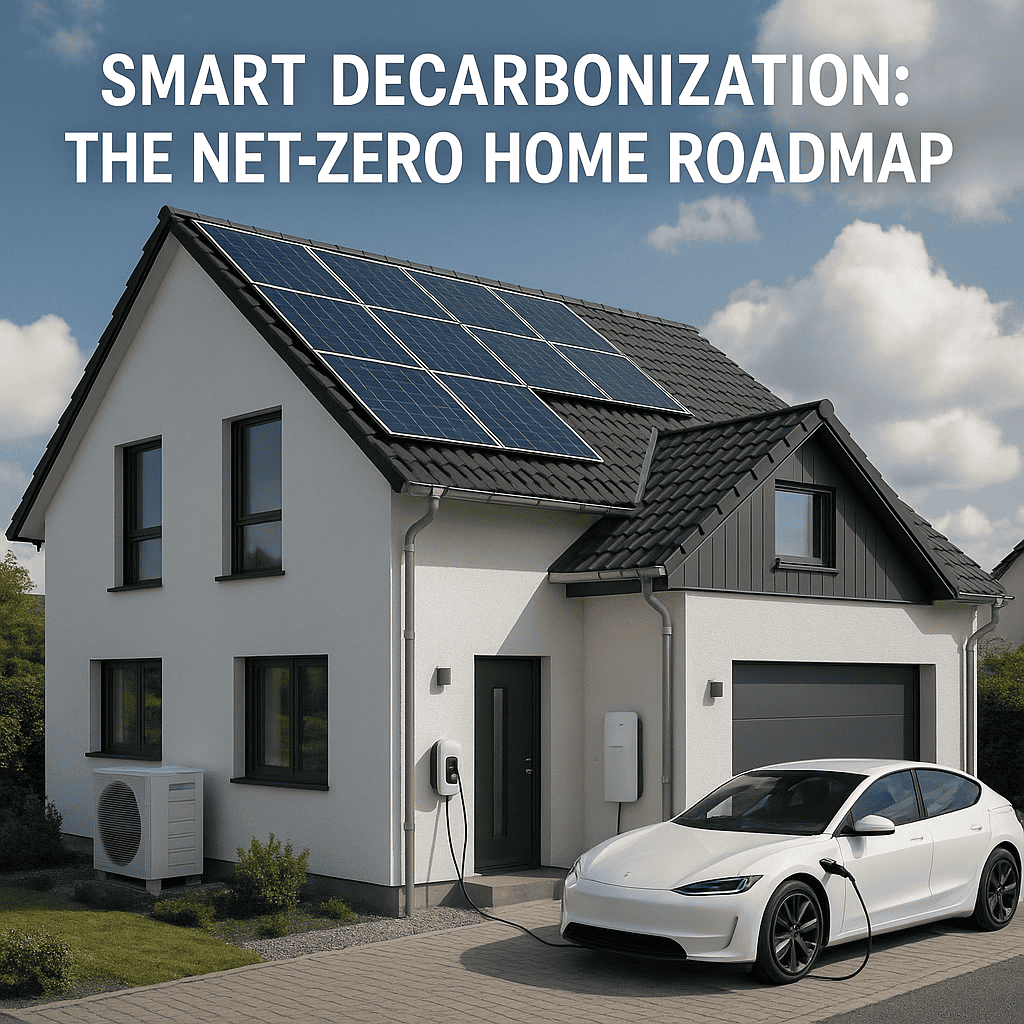
Smart Decarbonization: The Net-Zero Home Roadmap
Rising energy costs and stringent climate regulations are fundamentally reshaping residential standards. Homeowners are now looking beyond immediate needs, focusing on long-term sustainability and future-proofing property value. This shift is driving innovation in everything from building materials to energy management, paving the way for the high-performance home.
Achieving a net-zero home, where energy consumed equals renewable energy generated, is no longer a distant dream. It is a practical, achievable goal with tangible financial and environmental benefits. This roadmap outlines key pillars for smart decarbonization, guiding you towards net-zero energy use and a significantly reduced carbon footprint.
“A net zero commitment is not a plan. It is a starting point.” This philosophy emphasizes that true progress comes from structured action.
You need a structured roadmap that connects emissions data to commercial decisions. That’s what EcoFriendlyHomeHub will provide, focusing on actionable metrics and the tangible benefits of future-proofing your property. Getting Started: Planning a Net-Zero Home will guide you through taking the first steps.
Core Principles of Net-Zero Home Design
Achieving a net-zero home begins with resource-efficient design choices. This means prioritizing small, simple, and economical homes that inherently minimize energy demand. The foundation of a high-performance home lies in superior insulation, robust airtightness strategies, and the strategic use of green building materials. These elements work in concert to significantly reduce operational costs and utility bills, making net-zero energy use a reality rather than an aspiration.
Energy Modeling and Heat Loss Calculation
Effective decarbonization relies on precise data. Tools like REM/Design are invaluable for performing detailed heat loss calculations, allowing homeowners and builders to understand how varying insulation levels and building envelope improvements directly affect operational costs and overall energy efficiency. For example, in a heating-dominated climate like Southern Wisconsin, optimizing your thermal barrier and air barrier strategy can reveal substantial savings, making the path to net-zero energy clearer.
Insulation and Air Sealing Strategies
A critical component of any high-performance home is an effective air barrier strategy. Reducing air infiltration is paramount for energy efficiency. A comprehensive blower door test can quantify airtightness rating, revealing areas for improvement. For instance, a final blower door result of 0.38 ACH50Pa, significantly better than the 3.00 ACH50Pa allowed by the International Residential Code, can save approximately $154 per heating season. This substantial reduction in heat loss calculation demonstrates the direct financial benefit of investing in superior insulation and meticulous air sealing.
Renewable Energy Integration: Solar PV Systems
To truly achieve net-zero energy use, integrating renewable energy sources is essential. Solar PV panels are a cornerstone of this strategy. Sizing your solar photovoltaic placement correctly is crucial, tools like PV Watts can help optimize your system. For example, adjusting roof pitch from 3:12 to 9:12 can increase annual production by 7%, reducing the number of panels needed and improving overall return on investment. This focus on passive solar principles and efficient solar PV placement is vital for long-term energy independence.
Choosing High-Performance Windows and HVAC Equipment
Selecting the right components for your building shell significantly impacts energy performance. Upgrading to triple-pane glazing, while an investment (e.g., $2785), can save about $48 per year in heat costs, demonstrating a long-term benefit for your net-zero home. Furthermore, HVAC equipment sizing must be matched to a well-insulated, airtight structure to avoid oversizing and maximize efficiency. Considerations for peak load equipment sizing and the use of technologies like ductless air-source heat pumps are critical for optimizing operational cost optimization and achieving net-zero energy use.
Expert Insight
“A true net zero home builder understands that efficiency comes first, it is like patching a leaky bucket before filling it with water by creating a highly efficient building envelope and then sizing renewable systems to meet that reduced demand.” , Expert Sustainable Architect
The Core Principles of Net-Zero Home Design
The journey to a net-zero energy home begins with intentional design. This approach emphasizes resource-efficient choices, favoring small, simple, and economical homes. Such designs integrate high-performance materials, superior insulation, and robust airtightness strategies from the outset.
These elements work in concert to achieve significant energy reductions, minimizing operational costs and future utility bills even before renewable energy systems like solar PV panels are considered. This foundational strategy is key to achieving a truly high-performance home.
Thinking in Three Dimensions for Optimal Design
Understanding your home’s dimensions and shapes is the most valuable tool you possess. This foundational knowledge allows you to draft a workable floor plan and sections, including ceiling heights, stairs, and roof slope. For initial planning, simple graph paper is perfectly acceptable.
To minimize material waste in green building, design in two-foot increments, meticulously accounting for wall thicknesses. For those ready to advance, 3D modeling tools like SketchUp Free or SketchUp Pro can be invaluable for visualizing your sustainable architecture.
Familiarize yourself with crucial sections of the International Residential Code. Pay close attention to exits, stairways, daylighting, and prescriptive R-values. These codes establish minimum performance standards that your high-performance home will aim to significantly exceed.
Energy Modeling and Heat Loss Calculation
For any aspiring net-zero home, understanding and minimizing heat loss is paramount, especially in a heating-dominated climate like Southern Wisconsin (often classified as climate zone 5A). Utilizing energy modeling software such as REM/Design is crucial for accurate heat loss calculation. This software allows homeowners and builders to simulate how varying insulation levels and building envelope improvements directly affect annual operational costs and overall energy efficiency.
For example, modeling can demonstrate that increasing wall insulation from R-19 to R-30, combined with a superior air barrier strategy, can reduce heating demand by a specific percentage. This directly translates into lower utility bills and a smaller heating system, optimizing the entire green building design.
Insulation and Air Sealing Strategies
Effective insulation and robust air sealing are cornerstones of a net-zero energy home. An excellent air barrier strategy dramatically reduces infiltration costs. Consider a home achieving a final blower door test result of 0.38 ACH50Pa (air changes per hour at 50 Pascals) compared to the 3.00 ACH50Pa allowed by the International Residential Code. This superior airtightness rating can save approximately $154 per heating season in Southern Wisconsin alone, significantly impacting operational costs.
The goal is to create a continuous thermal barrier and air barrier around the conditioned space. Materials like dense-pack cellulose, recycled denim, or advanced rigid foam boards contribute to high R-values. A meticulous air sealing process, verified by a blower door test, is essential for minimizing uncontrolled air leakage and maximizing energy efficiency, making a substantial difference in long-term utility bills.
Renewable Energy Integration: Sizing Solar PV Systems
Integrating solar PV panels is often the final step in achieving net-zero energy use. Properly sizing a solar photovoltaic (PV) system is crucial for a net-zero home. Tools like PV Watts, often recommended by experts at Green Building Advisor, help homeowners determine optimal system size and energy production based on location and roof characteristics.
Optimizing roof pitch for solar photovoltaic placement, for instance, by adjusting a roof from a 3:12 slope to a 9:12 slope, can increase annual energy production by 7%. This enhancement can reduce the number of solar PV panels needed to offset the home’s energy consumption, making the installation more cost-effective and efficient. Strategic placement also leverages passive solar heat gain during winter months, complementing the PV system.
Choosing High-Performance Windows and HVAC Equipment
Beyond insulation and air sealing, selecting high-performance windows and appropriately sized HVAC equipment is critical for a high-performance home. While upgrading to triple-pane glazing can cost an initial $2785, it might save about $48 per year in heat costs, yielding a payback period of about 58 years. This long payback illustrates why window selection should be part of a holistic design, prioritizing overall comfort and resilience.
HVAC sizing must be matched to the significantly reduced loads of a well-insulated, airtight home. Oversizing equipment is a common mistake that leads to inefficiency and higher operational costs. A ductless air-source heat pump, for example, sized precisely to the home’s actual heating and cooling loads determined by a detailed heat loss calculation, will operate far more efficiently than an oversized conventional system, contributing to lower utility bills and a reduced carbon footprint.
AI-Driven Energy Management Systems
The future of residential energy management is intelligent and proactive, especially as homeowners in heating-dominated climate zones like Southern Wisconsin grapple with escalating operational costs and the imperative for energy efficiency. Artificial intelligence (AI) is transforming how homes consume and generate power, moving beyond basic automation to optimize energy flows in real-time, significantly reducing reliance on the grid and lowering utility bills.
AI learns your household’s unique energy patterns and predicts future needs. This capability allows it to dynamically adjust heating, cooling, and appliance usage to maximize efficiency. For instance, an AI system might pre-cool your home during off-peak hours or integrate seamlessly with your solar PV panels to store excess energy, contributing to a truly net-zero energy lifestyle.

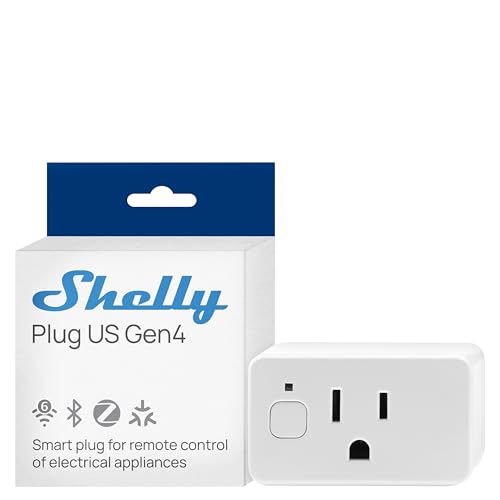
Shelly Plus US Gen4 – A Matter-certified smart plug featuring precise power monitoring, Wi-Fi, Bluetooth, Zigbee connectivity, 1800W / 15A capacity, UL certified, advanced local automations, an ambient light sensor, and a multicolor LED for clear status and power-use feedback.

【Real-time power tracking Monitor Energy 】Keep track of the real-time power on/off on the App.Integrated energy meter delivers real-time power & energy tracking for connected devices, to help you optimize usage and reduce waste. You can schedule connected home devices to turn on and off automatically by smart plugs, saving energy and cost when your deviece are not needed or left on by accident.
Predictive Maintenance Sensors
Advanced sensors are integral to smart energy management within a high-performance home. These devices monitor the real-time performance of your home’s critical systems, from HVAC to water heaters. They can detect subtle anomalies before they escalate into major issues, leveraging data to inform predictive maintenance strategies.
This capability prevents costly breakdowns and ensures your systems operate at peak efficiency, directly contributing to overall energy efficiency and a lower carbon footprint. By identifying potential issues early, homeowners can avoid disruptions and maintain optimal system performance, a key component of sustainable architecture.
Vehicle-to-Home (V2H) Charging
The transition to whole-home electrification extends innovatively to your garage with Vehicle-to-Home (V2H) charging technology. V2H allows electric vehicles (EVs) to not only draw power from your home but also supply it back, effectively transforming your EV battery into a significant energy storage unit for your net-zero home.
During peak demand, your home can draw power from your EV, reducing reliance on expensive grid electricity and lowering operational costs. In the event of power outages, your EV can act as a temporary home generator, ensuring continuity and enhancing the resilience of your sustainable architecture. This integration is a critical step towards comprehensive energy independence and reduced carbon footprint.
Related Video
SigEnergy SigenStor Deep Dive | The Modular 5-in-1 Battery …
The SigEnergy SigenStor is one of the most exciting new products in solar battery energy storage and in this video we take a full deep dive into its AI features and V2H capabilities.
Watch Video on YouTube →
The Rise of Circular Building Materials
Sustainable construction is rapidly evolving towards circularity, a design philosophy focused on minimizing waste and maximizing resource utilization throughout a building’s lifecycle. This paradigm shift is a crucial aspect of achieving a net-zero home and represents a core principle of green building, addressing both embodied carbon (emissions from manufacturing and transport) and operational carbon (emissions from energy use).
For homeowners in heating-dominated climate zones like Southern Wisconsin, selecting advanced building materials with superior insulation properties is paramount. These innovations not only reduce your home’s carbon footprint but also significantly lower long-term operational costs and utility bills.
Hempcrete and Recycled Glass Insulation: High-Performance Materials
The strategic choice of building materials directly impacts a home’s energy efficiency and overall environmental impact. Two standout examples are hempcrete and recycled glass insulation, both integral to high-performance home construction.
Hempcrete, a bio-composite material crafted from the woody core of the hemp plant (hurds) combined with a lime binder, offers exceptional thermal insulation and natural moisture regulation. This material is inherently carbon-negative, effectively sequestering atmospheric carbon dioxide as it cures, making it an ideal choice for sustainable architecture.
Similarly, recycled glass insulation provides impressive R-values and is manufactured predominantly from post-consumer waste, diverting significant quantities of glass from landfills. Both hempcrete and recycled glass insulation contribute to a healthier indoor environment by minimizing off-gassing and improving air quality, while simultaneously reducing the environmental impact of your home’s construction or renovation.
Insulation and Air Sealing Strategies: The Foundation of Energy Efficiency
Achieving net-zero energy use relies heavily on a robust thermal barrier and an effective air barrier strategy. Competitor analysis consistently highlights that effective air sealing can substantially reduce infiltration costs. For instance, a final blower door test result of 0.38 ACH50Pa (air changes per hour at 50 Pascals) significantly outperforms the 3.00 ACH50Pa allowed by the International Residential Code, potentially saving approximately $154 per heating season in a typical Southern Wisconsin home.
These strategies are critical for minimizing heat loss calculation errors and ensuring that your insulation performs optimally. When planning your net-zero home, prioritize comprehensive air sealing in conjunction with high-performance insulation materials to drastically reduce your operational costs and improve your home’s airtightness rating.
Related Video
Harnessing the power of Harakeke (New Zealand Flax) – YouTube
Harnessing harakeke (New Zealand flax) – a new future for a traditional treasure. By Sally Blundell of Frank Film. It could change the performance of a pickleball…
Watch Video on YouTube →
Transitioning to Whole-Home Electrification
Moving away from fossil fuels, particularly natural gas, is a cornerstone of smart decarbonization. Whole-home electrification involves replacing gas-powered appliances with electric alternatives, including heating, cooling, water heating, and cooking. This transition is critical for achieving net-zero energy use, especially when paired with renewable energy sources like solar PV panels.
Core Principles of Net-Zero Home Design
Achieving a net-zero home begins with resource-efficient design. This means focusing on small, simple, and economical homes that prioritize high-performance materials, superior insulation, and robust airtightness strategies. These foundational choices directly impact operational costs and contribute significantly to overall energy efficiency, forming the bedrock of a truly sustainable architecture.
Energy Modeling and Heat Loss Calculation
Effective net-zero home design relies heavily on precise energy modeling and heat loss calculation. Tools like REM/Design are invaluable for simulating how varying insulation levels and building envelope improvements impact energy consumption. For instance, in a heating-dominated climate like Southern Wisconsin (climate zone 5A), detailed heat loss calculations reveal that strategic insulation choices directly reduce future utility bills. This proactive approach ensures that every design decision contributes to minimizing the home’s long-term energy footprint.
Insulation and Air Sealing Strategies
Superior insulation and an effective air barrier strategy are non-negotiable for a high-performance home. Reducing infiltration costs substantially through meticulous air sealing is key. Consider a blower door test result of 0.38 ACH50Pa compared to the International Residential Code’s allowance of 3.00 ACH50Pa, this difference can save approximately $154 per heating season. A robust thermal barrier coupled with an excellent airtightness rating is crucial for managing heat loss and maintaining consistent indoor temperatures, significantly enhancing energy efficiency.
Renewable Energy Integration: Solar PV Systems
Integrating solar PV systems is essential for achieving net-zero energy. Sizing these systems accurately, often using tools like PV Watts, is critical. For example, optimizing roof pitch from 3:12 to 9:12 can increase annual solar production by 7%, reducing the number of solar PV panels needed. Careful consideration of solar photovoltaic placement and passive solar heat gain ensures maximum energy generation, directly offsetting the home’s electricity consumption and supporting a net-zero home.
Choosing High-Performance Windows and HVAC Equipment
Upgrading to high-performance windows and appropriately sized HVAC equipment is vital. While triple-pane glazing might cost around $2785, it can save $48 annually in heating costs, yielding a payback period of approximately 58 years. Moreover, HVAC equipment, such as ductless air-source heat pumps, must be sized specifically for well-insulated homes, avoiding oversizing which can reduce efficiency. Peak load equipment sizing, matched to the home’s reduced heating and cooling demands, ensures optimal performance and a lower carbon footprint.
Ductless Air-Source Heat Pumps
Ductless air-source heat pumps are highly efficient for both heating and cooling. They transfer heat rather than generating it, consuming far less energy than traditional furnaces or air conditioners. These systems are ideal for retrofits and new construction, offering a significant upgrade in energy efficiency. They replace gas furnaces and central air conditioning units, providing year-round comfort with a significantly lower carbon footprint. Proper sizing, informed by a detailed heat loss calculation, is essential to avoid oversizing, which can reduce efficiency and increase operational costs.
Energy Modeling and Heat Loss Calculation
To truly understand and optimize your home’s energy performance, precise calculations are indispensable. Energy modeling software plays a critical role in this process. You need to know where your home loses energy.
Software like REM/Design is vital for performing detailed heat loss calculations. This allows you to evaluate how different insulation levels and building envelope improvements directly impact operational costs and overall energy efficiency. This data-driven approach ensures high-ROI upgrades are prioritized for your net-zero home.
For example, in a heating-dominated climate like Southern Wisconsin (climate zone 5A), reducing heat loss is paramount. By modeling various scenarios, you can see how specific upgrades translate into tangible savings on your utility bills. This process is essential for achieving net-zero energy use and establishing a truly high-performance home.
Core Principles of Net-Zero Home Design
Achieving a net-zero home starts with resource-efficient design choices. This means prioritizing small, simple, and economical homes built with high-performance building materials. Key elements include superior insulation, meticulous airtightness strategies, and an effective air barrier strategy to achieve net-zero energy use.
Sustainable architecture focuses on minimizing the energy demand before integrating renewable sources. This foundational approach ensures that every dollar invested in the building shell maximizes long-term energy savings and contributes to a truly green building.
Insulation and Air Sealing Strategies
Effective air barriers and rigorous sealing significantly reduce infiltration costs. Consider a final blower door test result of 0.38 ACH50Pa compared to the 3.00 ACH50Pa allowed by the International Residential Code. This improvement alone can save approximately $154 per heating season in a heating-dominated climate.
Prioritizing high R-values for insulation in walls, roofs, and foundations is non-negotiable for a net-zero home. Combine this with a robust air barrier strategy to minimize uncontrolled air leakage, which is a major source of heat loss and increased operational costs. A successful blower door test is your verification of an airtight envelope.
Renewable Energy Integration (Solar PV Systems)
Sizing your solar PV panels system accurately is crucial for a net-zero home. Tools like PV Watts are invaluable for this. For instance, optimizing your roof pitch, perhaps from a 3:12 to a 9:12 slope, can increase annual production by 7%. This means you’ll need fewer panels to meet your energy demands.
Strategic solar photovoltaic placement, considering factors like roof overhangs for seasonal sun control, maximizes energy generation. This ensures your investment in renewable energy effectively offsets your annual electricity consumption, moving you closer to net-zero energy use.
Choosing High-Performance Windows and HVAC Equipment
Upgrading to triple-pane glazing can significantly enhance your home’s thermal performance. While it might represent an initial investment of around $2785, it can save approximately $48 per year in heating costs. This results in a payback period of about 58 years, highlighting the long-term benefits of such high-performance choices for your net-zero home.
For HVAC, proper peak load equipment sizing is critical in a well-insulated, airtight home. Oversizing equipment can lead to inefficiencies. Consider a ductless air-source heat pump, which is highly efficient and perfectly suited for homes with minimal heating and cooling loads, further reducing your carbon footprint and utility bills.
Insulation and Air Sealing Strategies
A highly insulated and airtight building envelope is foundational to any net-zero home. This significantly reduces energy demand, making renewable energy targets more achievable. Insulation and air sealing are your primary defenses against energy waste in a high-performance home.
Effective air barriers and sealing strategies are crucial for minimizing infiltration costs. Consider a final blower door test result of 0.38 ACH50Pa (air changes per hour at 50 Pascals). This is a dramatic improvement over the 3.00 ACH50Pa allowed by the International Residential Code. Such a difference can save approximately $154 per heating season, showcasing the power of superior building shell airtightness, especially in a heating-dominated climate like Southern Wisconsin.
Achieving low airtightness rating numbers requires meticulous attention to detail during construction. This includes sealing all penetrations and joints to establish a robust thermal barrier. This combination of robust insulation and stringent air sealing creates a comfortable, energy-efficient indoor environment and reduces your operational costs and monthly utility bills.
For a net-zero energy design, understanding and implementing a comprehensive air barrier strategy is paramount. Tools like those discussed on Green Building Advisor provide excellent resources for achieving these high standards. Properly specified R-values for insulation, combined with a meticulous air sealing plan, are non-negotiable for minimizing heat loss calculation results.
Renewable Energy Integration: Solar PV Systems
Once your home’s energy demand is minimized through effective insulation and air sealing strategies, integrating renewable energy becomes the next critical step. This is where your journey toward a true net-zero home accelerates. Solar PV panels are the most common and effective solution for residential net-zero energy, generating clean electricity directly from sunlight.
Sizing a solar PV system accurately is crucial for achieving net-zero energy use. Tools like PV Watts can help you determine the optimal system size for your specific needs, considering factors like your historical energy consumption and local solar irradiance. Factors like roof pitch and orientation significantly impact production, directly influencing the number of solar PV panels required.
For instance, optimizing your roof pitch from 3:12 to 9:12 can increase annual production by 7%. This strategic solar photovoltaic placement reduces the number of panels needed, saving on installation costs and improving the overall return on investment for your high-performance home. This is a key consideration in green building design.
Integrating solar PV systems is a core principle of net-zero home design. It allows homeowners to dramatically reduce their operational costs and utility bills, making a significant dent in their carbon footprint. Paired with a well-insulated building shell airtightness, solar energy generation moves you closer to energy independence, especially in heating-dominated climate zones like Southern Wisconsin.
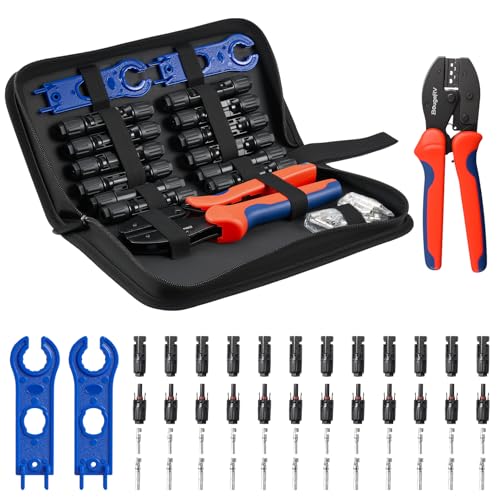
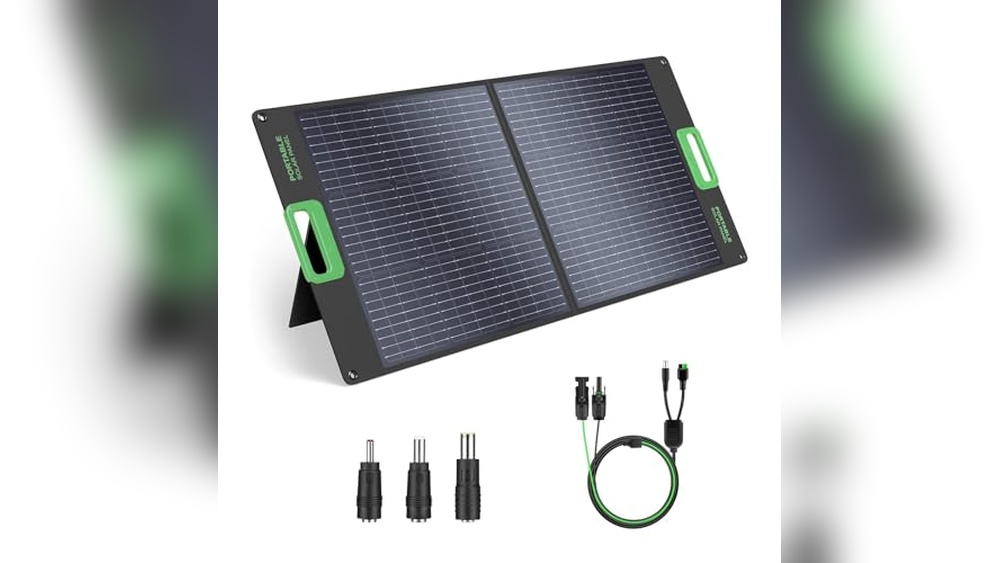
Complete Tool Kit: BougeRV compact and affordable solar crimper tool kit includes a wire crimper, a pair of spanner wrenches, and 12 pairs of solar connectors. The kit is perfect for both beginners and experienced DIY solar installers

Solar Crimping Tools: The crimping pliers have an efficient ratchet mechanism and professional crimping dies. Features adjustable crimp force and quick release lever. Ergonomic non-slip handle. Crimp range: 14/12/10AWG.Wire strippers can be used for cutting and stripping wires
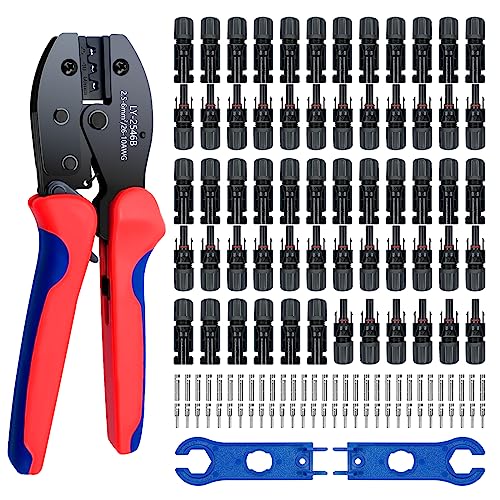
Compatible Cable: Solar connectors compatible with PV cables with different insulation diameters. Solar crimping tool kit for 2.5/4/6 mm² solar PV wire.
Optimizing Your Building Envelope: Windows and HVAC Systems
As you progress towards a net-zero home, optimizing your building envelope is paramount. After minimizing energy demand through insulation and air sealing, the next step involves critical choices for windows and HVAC equipment. These elements are not just comfort features, they are integral to your home’s overall energy efficiency and long-term operational costs.


💓 2-IN-1 TOP DESIGN: Sold per panel. 2-IN-1 Hanging Style: Rod Pocket + Back Tab. 6 tabs per 38 & 42 inches width, 8 Tabs for 52" width, 10 tabs for 72" width, 12 tab for 84" width, 14 tabs for 100" width, 16 tabs for 120" width, 22 tabs for 150" width. Easy to install and slide. Matching tieback included.
High-Performance Windows: A Crucial Thermal Barrier
Windows are notorious for being significant sources of heat loss or gain, directly impacting your utility bills. Investing in high-quality, high-performance windows is a strategic move, forming a key component of your home’s thermal barrier. This is especially critical in heating-dominated climates, such as Southern Wisconsin, where minimizing heat loss is essential.
Upgrading to triple-pane glazing, for instance, can cost approximately $2785. While this upgrade might save around $48 per year in heating costs, leading to a seemingly long payback period of about 58 years, the benefits extend beyond immediate financial returns. The increased comfort, reduced carbon footprint, and enhanced property value are immediate and tangible. Brands like Marvin offer excellent high-performance options that align with sustainable architecture principles.
When considering window upgrades, think about passive solar heat gain. Strategically placed windows, combined with appropriate roof overhangs, can maximize winter sun exposure while minimizing unwanted summer heat gain. This passive solar design is a core principle of net-zero home design, reducing the demand on your HVAC system.
Right-Sizing HVAC Equipment for Net-Zero Energy Use
A common and costly mistake in residential construction is oversizing HVAC equipment. In a well-insulated, airtight home, the energy load requirements are significantly reduced. Oversized systems cycle more frequently, operate inefficiently, and lead to increased operational costs and premature wear. This directly contradicts the goal of a high-performance home.
To ensure correct peak load equipment sizing, it is imperative to consult with professionals certified by organizations like the Building Performance Institute or the Residential Energy Services Network. These experts can perform a detailed heat loss calculation for your specific home, taking into account factors like your climate zone (e.g., climate zone 5A in Southern Wisconsin), insulation R-values, and building shell airtightness, often determined by a blower door test.
The core principles of net-zero home design emphasize resource-efficient choices. This includes selecting HVAC systems, such as ductless air-source heat pumps, that are precisely matched to your home’s actual energy demands. Energy modeling software, like REM/Design, is invaluable here. It allows for precise heat loss calculations, demonstrating how varying insulation levels and building envelope improvements directly affect operational costs and overall net-zero energy use.
Take Action: Your Net-Zero Home Checklist
Ready to audit your current footprint and prioritize high-ROI upgrades? Here’s a practical checklist to guide your journey to a net-zero home, ensuring you achieve net-zero energy use and build a truly high-performance home.
Core Principles of Net-Zero Home Design
Achieving a net-zero home begins with a commitment to resource-efficient design. Focus on creating a smaller, simpler, and more economical home. This approach inherently reduces your carbon footprint and lowers both initial construction costs and long-term operational costs. Prioritize green building principles from the outset, integrating high-performance materials, superior insulation, and an advanced airtightness rating.
Energy Modeling and Heat Loss Calculation
Your first step should be a comprehensive energy audit. Hire a certified professional, often accredited by organizations like the Building Performance Institute or the Residential Energy Services Network, to perform a blower door test and thermal imaging. This will give you a precise air change per hour (ACH50Pa) measurement and identify thermal bridges. Understanding your current heat loss calculation is crucial. Software like REM/Design is essential for energy modeling, allowing you to simulate how varying insulation levels and building envelope improvements directly affect your operational costs and overall energy efficiency. This data-driven approach helps you prioritize upgrades for maximum impact on your utility bills.
Insulation and Air Sealing Strategies
After your energy audit, prioritize improving your air barrier strategy. Effective air sealing and upgrading your insulation are foundational. Seal all leaks in your building envelope and upgrade insulation to recommended prescriptive R-values for your specific climate zone. For instance, in a heating-dominated climate like climate zone 5A in Southern Wisconsin, robust insulation is non-negotiable. Reducing infiltration costs substantially contributes to achieving net-zero energy use. For example, improving your final blower door test result from 3.00 ACH50Pa (the allowance under the International Residential Code) to an impressive 0.38 ACH50Pa can save approximately $154 per heating season, significantly impacting your long-term operational costs.
Renewable Energy Integration: Solar PV Systems
Once you’ve dramatically reduced your energy demand, it’s time to generate your own power. Evaluate your roof for optimal solar photovoltaic placement and size a solar PV panels system to meet your reduced energy demand. Tools like PV Watts are invaluable for this. Optimizing your roof pitch, for example, from a 3:12 to a 9:12, can increase annual production by 7%, potentially reducing the number of panels needed and improving your return on investment. This is a critical component for any net-zero home.
Choosing High-Performance Windows and HVAC Equipment
Invest in high-performance, energy-efficient windows and doors. Consider triple-pane glazing for superior thermal performance, forming a crucial thermal barrier. While upgrading to triple-pane windows might cost around $2785, it can save approximately $48/year in heating costs, yielding a payback period of about 58 years. For heating and cooling, transition from gas furnaces to efficient ductless air-source heat pumps. Ensure proper peak load equipment sizing, oversizing HVAC systems for a well-insulated, airtight home is a common mistake that reduces efficiency. The goal is to match your HVAC system to your dramatically reduced heating and cooling loads, further contributing to your net-zero energy use.
-
- Conduct an Energy Audit: Hire a certified professional to perform a blower door test and thermal imaging. Understand your current heat loss calculation and airtightness rating.
- Prioritize Air Sealing and Insulation: Focus on improving your air barrier strategy. Seal all leaks and upgrade insulation to recommended prescriptive R-values for your climate zone, like climate zone 5A in Southern Wisconsin. This is fundamental for a high-performance home.
- Upgrade Windows and Doors: Invest in high-performance, energy-efficient windows and doors. Consider triple-pane glazing to enhance your home’s thermal barrier.
- Electrify Heating and Cooling: Transition from gas furnaces to efficient ductless air-source heat pumps. Ensure proper peak load equipment sizing to prevent inefficiencies.
- Install Solar PV Panels: Evaluate your roof for optimal solar photovoltaic placement and size a system to meet your reduced energy demand, moving towards net-zero energy.
- Consider Smart Energy Management: Explore AI-driven systems and V2H charging if you own an EV, integrating advanced technology into your net-zero home.
- Research Circular Materials: When renovating or building, investigate sustainable building materials like hempcrete and recycled glass insulation, aligning with green building principles.
- Plan for Seasonal Sun Control: Incorporate elements like appropriate roof overhangs to maximize passive solar heat gain in winter and minimize it in summer, a key aspect of sustainable architecture.
- Review Building Permit Documentation: Familiarize yourself with local residential code and the requirements for your building permit. Tools like SketchUp Free or SketchUp Pro can assist with 3D modeling your floor plan for comprehensive construction documents.
Expert Insight
“To achieve a true net-zero home without guesswork, you must move beyond contractor-driven advice toward a data-backed roadmap that integrates high-efficiency HVAC, 99.99% accurate equipment sizing, and smart solar design to ensure the building produces as much energy as it consumes.” , Net Zero Home Consulting Expert
Cost and Savings Overview: Investing in Your Net-Zero Home
Transforming your home into a net-zero energy haven involves strategic upfront investments, but these lead to significant long-term savings and enhanced property value. Let’s delve into the financial aspects, illustrating the tangible benefits of future-proofing your home against rising utility bills.
Core Principles of Net-Zero Home Design: Resource Efficiency First
Achieving a net-zero home begins with a commitment to resource-efficient design. Think small, simple, and economical homes that prioritize high-performance building materials, superior insulation, and robust airtightness strategies. This foundational approach ensures that your home inherently demands less energy, making net-zero energy use an achievable and cost-effective goal. By focusing on these core principles, you are building a truly high-performance home from the ground up.
Energy Modeling and Heat Loss Calculation: The Blueprint for Savings
Before any major investment, precise energy modeling and heat loss calculation are crucial. Tools like REM/Design allow professionals to simulate your home’s energy performance, assessing how varying insulation levels and building envelope improvements directly affect operational costs. For instance, understanding your home’s unique heat loss calculation helps in making informed decisions about insulation R-values and overall energy efficiency, significantly impacting future utility bills.
Insulation and Air Sealing Strategies: The Foundation of Energy Efficiency
Effective air barriers and rigorous air sealing are paramount for a high-performance home, substantially reducing infiltration costs. Consider the impact: a final blower door test result of 0.38 ACH50Pa (air changes per hour at 50 Pascals) compared to the 3.00 ACH50Pa allowed by the International Residential Code can save approximately $154 per heating season in a heating-dominated climate like Southern Wisconsin. This demonstrates how a superior thermal barrier and meticulous air barrier strategy directly translate into operational cost optimization and lower energy consumption.
Renewable Energy Integration: Sizing Your Solar PV System
Integrating solar PV panels is a cornerstone of net-zero energy. Sizing your solar PV system accurately using tools like PV Watts is critical. For example, optimizing your roof pitch from 3:12 to 9:12 can increase annual production by 7%, potentially reducing the number of solar PV panels needed to achieve net-zero energy. This strategic placement of solar photovoltaic systems ensures maximum efficiency and accelerates your journey to energy independence.
Choosing High-Performance Windows and HVAC Equipment: Smart Upgrades
Upgrading to high-performance components like triple-pane glazing offers significant, though sometimes long-term, returns. While a triple-pane window upgrade might cost around $2785 and save approximately $48 per year in heat costs, resulting in a payback period of about 58 years, these choices contribute significantly to overall building shell airtightness and comfort. Similarly, selecting a ductless air-source heat pump, appropriately sized for a well-insulated home, prevents oversizing and ensures peak load equipment sizing is optimized for efficiency, especially in a heating-dominated climate like Southern Wisconsin.
| Upgrade Type | Estimated Cost Range | Annual Energy Savings (Example) | Payback Period (Approximate) |
|---|---|---|---|
| Air Sealing & Insulation | $2,000 – $10,000 | $150 – $500 | 4 – 20 years |
| Triple-Pane Windows | $2,785 per unit | $48 | 58 years |
| Ductless Heat Pump | $3,000 – $15,000 | $300 – $1,000 | 5 – 15 years |
| Solar PV System (6kW) | $15,000 – $25,000 (before incentives) | $800 – $1,500 | 8 – 12 years |
| LED Lighting Conversion | $100 – $500 | $50 – $200 | 1 – 5 years |
These figures are illustrative and can vary based on your location, existing home conditions, specific product choices, and local climate zone (e.g., Climate Zone 5A in Southern Wisconsin). Always consult with certified professionals, such as those accredited by the Building Performance Institute or Residential Energy Services Network, for accurate local estimates and to review your construction documents and building permit requirements. Utilizing 3D modeling software like SketchUp Free or SketchUp Pro can also help visualize your floor plan and potential upgrades, ensuring compliance with residential code and maximizing passive solar heat gain through strategic roof overhangs and window placement.
Frequently Asked Questions About Net-Zero Homes
Navigating the path to a net-zero home raises many questions. Here, we address common inquiries, providing clear, authoritative answers to help you understand the core principles and practicalities of sustainable living.
What defines a net-zero home?
A net-zero home is fundamentally a structure designed to achieve net-zero energy use. This means it produces as much renewable energy as it consumes over a year, primarily through integrated solar PV panels. The outcome? Your utility bills for energy can effectively be zero, excluding connection fees, significantly reducing your carbon footprint.
Is building a net-zero home more expensive?
While the initial investment for a high-performance home can be higher, these costs are often offset by significant reductions in operational costs and energy expenses over the home’s lifetime. Government incentives, rebates, and programs for green building can further reduce upfront costs. For instance, investing in superior insulation and an effective air barrier strategy dramatically lowers long-term heating and cooling expenses.
How do I start planning my net-zero project?
Begin with a comprehensive energy audit to understand your current energy usage and identify areas for improvement. Then, consult with architects or builders specializing in sustainable architecture and green building practices. Utilizing tools like SketchUp Free or SketchUp Pro for initial 3D modeling and floor plan ideas can be incredibly helpful. Always ensure your plans align with the International Residential Code and local building permit requirements, especially in regions like Southern Wisconsin.
What is the role of energy modeling software?
Energy modeling software, such as REM/Design, is crucial for predicting a home’s energy performance. It allows designers to virtually test different insulation levels, window types, and HVAC systems. This optimization ensures maximum energy efficiency before construction, saving money and resources. For example, a precise heat loss calculation can demonstrate how improved R-values in walls and roofs directly impact future operational costs and energy consumption, especially in a heating-dominated climate like climate zone 5A.
What are the benefits of V2H charging?
Vehicle-to-Home (V2H) charging allows your electric vehicle to power your home. This provides invaluable backup power during outages and can help reduce peak electricity demand from the grid, turning your EV into a valuable home energy asset. This technology significantly enhances your home’s energy resilience and contributes to overall net-zero energy goals.
Core Principles of Net-Zero Home Design: Resource Efficiency First
Achieving a net-zero home begins with a commitment to resource-efficient design. This means focusing on smaller, simpler, and more economical homes that prioritize high-performance materials. Key strategies include optimizing the building envelope with robust insulation and a meticulous air barrier strategy. The goal is to minimize energy demand before introducing renewable energy sources. This foundational approach, often championed by experts like Green Building Advisor, ensures that every watt generated by your solar PV panels goes further.
Energy Modeling and Heat Loss Calculation
The precise application of energy modeling software, such as REM/Design, is indispensable for a net-zero home. This software performs detailed heat loss calculations, allowing designers to quantify the impact of various building envelope improvements on operational costs and overall energy efficiency. By simulating different scenarios for insulation, window specifications (like triple-pane glazing), and HVAC systems, designers can optimize the design for minimal energy demand. For example, a thorough calculation can reveal how enhancing wall R-values from prescriptive code minimums to higher levels can translate into significant annual savings on utility bills.
Insulation and Air Sealing Strategies
Effective insulation and a robust air barrier strategy are paramount for achieving net-zero energy performance. Reducing air infiltration through superior sealing substantially cuts heating and cooling costs. A critical metric is the blower door test, which measures the home’s airtightness rating in air changes per hour (ACH) at 50 Pascals (ACH50Pa). For instance, a final blower door test result of 0.38 ACH50Pa, compared to the 3.00 ACH50Pa allowed by the International Residential Code, can save approximately $154 per heating season in a heating-dominated climate like Southern Wisconsin. This focus on building shell airtightness is a cornerstone of a high-performance home, minimizing unwanted heat transfer and maximizing the effectiveness of your HVAC systems.
Renewable Energy Integration (Solar PV Systems)
Integrating solar PV panels is a cornerstone of the net-zero home. Proper sizing and placement of the solar array are critical. Tools like PV Watts are used to optimize the system based on factors such as roof pitch, orientation, and local irradiance. For example, optimizing a roof pitch from 3:12 to 9:12 can increase annual energy production by 7%, potentially reducing the number of panels required and improving the system’s economic viability. This careful planning ensures that the home’s energy generation matches its reduced consumption, achieving true net-zero energy use.
Choosing High-Performance Windows and HVAC Equipment
Selecting the right windows and HVAC systems is crucial for a high-performance home. While upgrading to triple-pane glazing might involve an upfront cost, such as $2785, it can lead to annual savings of approximately $48 in heat costs. Although the payback period might seem long (around 58 years in this example), the comfort and reduced demand on heating systems are immediate benefits. Furthermore, HVAC sizing must be precisely matched to the significantly reduced energy demands of a well-insulated, airtight home. Oversizing HVAC equipment is a common mistake that leads to inefficiency and increased operational costs. Instead, consider high-efficiency options like a ductless air-source heat pump, sized according to a meticulous peak load equipment sizing calculation to ensure optimal performance.
The Core Principles of Net-Zero Home Design
The journey to a net-zero energy home begins with intentional design. To achieve net-zero energy use, you must prioritize resource-efficient choices, creating small, simple, and economical homes.
This approach combines high-performance materials, superior insulation, and robust airtightness strategies. These elements work in concert to achieve significant energy reductions before renewable energy, such as solar PV panels, even enters the equation. This foundational green building strategy is paramount for a true high-performance home.
Thinking in Three Dimensions for Optimal Design
Your curiosity about space is your most valuable tool. Familiarize yourself with the dimensions and shapes that define your home. This foundational understanding allows you to draft a workable floor plan and sections, including ceiling heights, stairs, and roof slope. This is critical for sustainable architecture.
To minimize material waste, design in two-foot increments, always accounting for wall thicknesses. While graph paper is perfectly acceptable initially, for those ready to advance, 3D modeling tools like SketchUp Free or SketchUp Pro can be invaluable for visualizing your net-zero home.
Familiarize yourself with crucial sections of the International Residential Code. Pay close attention to exits, stairways, daylighting, and prescriptive R-values. These codes establish minimum performance standards that your high-performance home will aim to significantly exceed, ultimately reducing your operational costs and utility bills.
Energy Modeling and Heat Loss Calculation for Efficiency
A critical step in designing a net-zero home is performing a detailed heat loss calculation. Software like REM/Design is indispensable for this, allowing you to model how varying insulation levels and building envelope improvements directly affect your home’s energy efficiency and long-term operational costs. For instance, in a heating-dominated climate like Southern Wisconsin (climate zone 5A), precise calculations are crucial.
Understanding your home’s heat loss helps you optimize your building materials and design. This process also informs the appropriate sizing of your HVAC system, ensuring peak load equipment sizing is neither undersized nor oversized for a well-insulated, airtight structure, which can lead to significant savings on utility bills.
Insulation and Air Sealing Strategies: The Thermal Barrier
Effective insulation and air sealing are the backbone of any high-performance home, acting as the primary thermal barrier and air barrier strategy. Reducing air infiltration substantially cuts heating and cooling costs. For example, achieving a final blower door result of 0.38 ACH50Pa (air changes per hour at 50 Pascals) compared to the International Residential Code’s allowed 3.00 ACH50Pa could save approximately $154 per heating season, as demonstrated by leading experts like Green Building Advisor.
A thorough blower door test is essential to verify your building shell airtightness. This test provides an airtightness rating, guiding where further sealing is needed. Combining superior insulation with meticulous air sealing significantly lowers your home’s carbon footprint and ensures maximum energy efficiency, directly impacting future property value.
Renewable Energy Integration: Optimizing Solar PV Systems
Integrating solar PV panels is fundamental to achieving net-zero energy. Sizing your solar PV system accurately is crucial, and tools like PV Watts are vital for this. Optimizing roof pitch, for example, transitioning from a 3:12 to a 9:12 slope, can increase annual production by 7%, reducing the number of solar PV panels needed to offset your energy consumption.
Strategic solar photovoltaic placement, considering passive solar heat gain and seasonal sun control, maximizes energy generation. This ensures that your home produces as much renewable energy as it consumes, contributing to a truly net-zero home and significantly reducing your reliance on traditional utility grids, thereby lowering operational costs.
Choosing High-Performance Windows and HVAC Equipment
Selecting high-performance windows is another key component of a high-performance home. While upgrading to triple-pane glazing might cost around $2785, it could save approximately $48 per year in heating costs. Although the payback period might seem long at about 58 years, the overall comfort, sound attenuation, and long-term property value enhancement are significant for a net-zero home.
Similarly, HVAC sizing must be precisely matched to well-insulated homes to prevent oversizing, which can lead to inefficient operation and higher utility bills. Ductless air-source heat pumps, for instance, are highly efficient choices for climate zone 5A, providing both heating and cooling while maintaining a low carbon footprint. Consulting with a Building Performance Institute or Residential Energy Services Network certified professional ensures optimal system selection and installation.
AI-Driven Energy Management Systems
The future of residential energy management is intelligent and proactive. Artificial intelligence (AI) is transforming how high-performance homes consume and generate power, driving significant strides towards net-zero energy use. These advanced systems optimize energy flows in real-time, reducing reliance on the grid and lowering operational costs.
AI learns your household’s energy patterns and predicts future needs, allowing it to dynamically adjust heating, cooling, and appliance usage to maximize energy efficiency. This proactive approach results in substantial savings on your utility bills and significantly reduces your carbon footprint.
Predictive Maintenance Sensors
Advanced sensors are integral to smart energy management within a net-zero home. These devices continuously monitor the performance of your home’s critical systems, from HVAC to water heaters. They can detect anomalies and potential issues before they escalate into major problems, enhancing overall energy efficiency.
This capability enables predictive maintenance, preventing costly breakdowns and ensuring your systems operate at peak efficiency. Such proactive monitoring contributes directly to the long-term sustainability and reliability of your high-performance home, aligning with green building principles.
Vehicle-to-Home (V2H) Charging
Electrification extends beyond the home to your garage, with Vehicle-to-Home (V2H) charging technology. This innovation allows electric vehicles (EVs) to not only draw power from your home but also supply it back, effectively transforming your EV battery into a significant energy storage unit for your net-zero home.
During peak demand periods, your home can draw power from your EV, reducing reliance on expensive grid electricity and optimizing operational costs. In the event of a power outage, your EV can act as a temporary home generator, ensuring continuity and reinforcing the resilience of your sustainable architecture.
The Rise of Circular Building Materials
Sustainable construction is rapidly embracing circularity, a design philosophy focused on minimizing waste and maximizing resource utilization throughout a building’s lifecycle. This paradigm shift is crucial for achieving net-zero energy use and significantly reducing the overall carbon footprint of your home.
These innovations address both embodied carbon (emissions from manufacturing and transport of building materials) and operational carbon (emissions from energy use during a building’s lifespan). High-performance homes integrate these materials to enhance energy efficiency and long-term sustainability.
Hempcrete and Recycled Glass Insulation
Hempcrete, a bio-composite material crafted from hemp hurds and a lime binder, offers exceptional thermal insulation and superior moisture regulation. This carbon-negative material actively sequesters atmospheric carbon, making it a powerful component in green building strategies.
Recycled glass insulation, derived from post-consumer waste, provides high R-values, contributing to a robust thermal barrier. Both materials foster a healthier indoor environment and drastically reduce the environmental impact of your home’s construction or renovation, aligning with sustainable architecture principles.
Core Principles of Net-Zero Home Design
Achieving a net-zero home begins with resource-efficient design choices. This means prioritizing small, simple, and economical homes that integrate high-performance building materials, superior insulation, and robust airtightness strategies. The goal is to minimize energy demand before introducing renewable energy sources like solar PV panels.
Effective net-zero energy use relies on a comprehensive approach to the building envelope. This includes strategic passive solar design, optimal insulation levels, and an air barrier strategy that drastically reduces heat loss calculation requirements and operational costs. For instance, in a heating-dominated climate like Southern Wisconsin, every design decision impacts future utility bills.
Insulation and Air Sealing Strategies
Effective air barriers and meticulous sealing are paramount to reducing infiltration costs substantially. Consider a high-performance demonstration home that achieves a final blower door result of 0.38 ACH50Pa, far exceeding the 3.00 ACH50Pa allowed by the International Residential Code.
This superior airtightness rating translates to significant savings, approximately $154 per heating season. Such strategies are critical for a high-performance home, minimizing heat loss and ensuring consistent indoor temperatures, further enhancing energy efficiency.
Energy Modeling and Heat Loss Calculation
Advanced energy modeling software, such as REM/Design, is indispensable for performing accurate heat loss calculations. This software allows designers to simulate how varying insulation levels and building envelope improvements directly impact operational costs and overall energy efficiency.
By inputting prescriptive R-values and evaluating different air barrier strategies, homeowners can make informed decisions. This detailed analysis ensures that every component, from the foundation to the roof overhangs, contributes to the home’s net-zero energy goals, optimizing the building shell airtightness.
Renewable Energy Integration: Solar PV Systems
Sizing a solar PV system is a critical step in achieving net-zero energy use. Tools like PV Watts enable precise calculations for optimizing solar photovoltaic placement. For example, adjusting a roof pitch from 3:12 to 9:12 can increase annual energy production by 7%, potentially reducing the number of solar PV panels required.
Strategic placement and appropriate sizing ensure that the solar PV panels generate enough renewable energy to offset the home’s annual consumption, moving closer to true net-zero energy. This integration is a cornerstone of sustainable architecture and significantly reduces the home’s carbon footprint.
Choosing High-Performance Windows and HVAC Equipment
Upgrading to triple-pane glazing is a significant investment, costing approximately $2785, but it can save about $48 per year in heat costs, with a payback period of around 58 years. While the payback may seem long, these windows contribute significantly to the thermal barrier and overall energy efficiency of a net-zero home.
HVAC sizing must be meticulously matched to well-insulated homes. Oversizing equipment can lead to inefficiencies. A ductless air-source heat pump, for instance, is an excellent choice for a high-performance home, providing efficient heating and cooling tailored to the home’s reduced peak load equipment sizing. The Building Performance Institute and Residential Energy Services Network provide valuable guidance on these selections.
Transitioning to Whole-Home Electrification
Moving away from fossil fuels, particularly natural gas, is a cornerstone of decarbonization and a critical step towards achieving a net-zero home. Whole-home electrification involves strategically replacing gas-powered appliances with high-efficiency electric alternatives, encompassing heating, cooling, water heating, and cooking systems.
This transition is pivotal for achieving net-zero energy use, especially when seamlessly paired with on-site renewable energy sources like solar PV panels. It significantly reduces your home’s operational costs and carbon footprint.
Choosing High-Performance HVAC Equipment: Ductless Air-Source Heat Pumps
Ductless air-source heat pumps are highly efficient systems for both heating and cooling, representing a significant upgrade from traditional furnaces or central air conditioning units. These systems operate by transferring heat rather than generating it, consuming substantially less energy.
They are ideal for both retrofits and new construction, providing year-round comfort with a significantly lower carbon footprint. Proper peak load equipment sizing is essential to maximize efficiency and prevent oversizing, which can lead to reduced performance and increased utility bills. For a high-performance home in a heating-dominated climate like Southern Wisconsin, matching HVAC sizing to a well-insulated building shell is critical.
Core Principles of Net-Zero Home Design and Energy Modeling
Achieving a net-zero home begins with resource-efficient design choices. This involves creating small, simple, and economical homes that prioritize high-performance building materials, superior insulation, and robust airtightness strategies. These foundational elements are crucial for minimizing energy demand before any renewable energy systems are installed.
Energy modeling software, such as REM/Design, is indispensable for performing detailed heat loss calculations. This allows homeowners and designers to evaluate how varying insulation levels and building envelope improvements directly impact operational costs and overall energy efficiency. Understanding these metrics is key to optimizing your investment and achieving true net-zero energy use.
Insulation and Air Sealing Strategies for a High-Performance Home
Effective air barrier strategies and meticulous air sealing are paramount for reducing infiltration costs substantially in a net-zero home. For instance, achieving a final blower door test result of 0.38 ACH50Pa (air changes per hour at 50 Pascals) compared to the 3.00 ACH50Pa typically allowed by the International Residential Code, can save approximately $154 per heating season in a climate zone like Southern Wisconsin.
This level of airtightness, combined with prescriptive R-values for insulation, creates a robust thermal barrier that significantly lowers your operational costs. A comprehensive air barrier strategy is a fundamental component of any green building project, ensuring long-term energy efficiency.
Renewable Energy Integration: Optimizing Solar PV Systems
Integrating solar PV panels is a cornerstone of net-zero energy use. Sizing a solar PV system effectively is crucial and can be done using tools like PV Watts. Optimizing factors such as roof pitch significantly impacts annual production, for example, adjusting a roof pitch from 3:12 to 9:12 can increase annual energy production by 7%, potentially reducing the number of solar panels required.
Strategic solar photovoltaic placement, considering passive solar heat gain and seasonal sun control, further enhances the overall energy performance of your high-performance home, maximizing the return on your investment in renewable energy.
Augmenting Energy Efficiency with High-Performance Windows
While often a significant investment, upgrading to high-performance windows, particularly triple-pane glazing, contributes to a net-zero home’s energy efficiency. Though a direct payback period can be long (e.g., $2785 for an upgrade saving $48/year in heat costs, resulting in a 58-year payback), these windows are integral to reducing heat loss and improving occupant comfort.
They act as a critical component of the building shell airtightness, minimizing thermal bridging and supporting the overall thermal barrier strategy. When combined with proper building permit documentation and energy modeling, these choices contribute to long-term operational cost optimization.
Expert Insight
“Next-generation windows and building envelope technologies have substantial technical potential to reduce energy consumption, serving as the primary means to fundamentally change the way energy is used in homes and achieve long-term operational cost optimization.” , Energy Efficiency Research Analyst
Energy Modeling and Heat Loss Calculation
To truly understand and optimize your home’s energy performance, precise calculations are indispensable. Energy modeling software plays a critical role in this process. You need to know where your home loses energy to achieve a net-zero home.
Software like REM/Design is vital for performing detailed heat loss calculations. This allows you to evaluate how different insulation levels and building envelope improvements directly impact operational costs and overall energy efficiency, a core principle of green building and sustainable architecture.
For example, in a heating-dominated climate like Southern Wisconsin (climate zone 5A), reducing heat loss is paramount. By modeling various scenarios, you can see how specific upgrades translate into tangible savings on your utility bills. This data-driven approach ensures high-ROI upgrades are prioritized, contributing to a high-performance home.
Core Principles of Net-Zero Home Design
Achieving net-zero energy use hinges on resource-efficient design choices. This means focusing on smaller, simpler, and more economical homes that utilize high-performance building materials, superior insulation, and robust airtightness strategies. These foundational elements significantly reduce energy demand before any renewable energy integration.
Insulation and Air Sealing Strategies
Effective air barriers and sealing are critical for reducing infiltration costs substantially. Consider a final blower door test result of 0.38 ACH50Pa, which is significantly better than the 3.00 ACH50Pa allowed by the International Residential Code. Such an improvement can save approximately $154 per heating season in a heating-dominated climate. Prioritizing a comprehensive air barrier strategy and focusing on prescriptive R-values for insulation are key to a high-performance home.
Energy Modeling and Heat Loss Calculation in Practice
The use of energy modeling software, specifically REM/Design, to perform heat loss calculations is a cornerstone of net-zero energy design. This software allows you to precisely quantify how varying insulation levels and building envelope improvements directly affect your home’s operational costs and overall energy efficiency. This detailed analysis ensures that every upgrade contributes meaningfully to a net-zero home.
Choosing High-Performance Windows and HVAC Equipment
Upgrading to triple-pane glazing is a significant step towards a high-performance home, though it comes with a cost. For example, replacing standard windows with triple-pane can cost around $2785 but save approximately $48 per year in heating costs, with a payback period of about 58 years. Furthermore, HVAC sizing must be carefully matched to well-insulated homes, oversizing equipment, even high-efficiency models like a ductless air-source heat pump, can reduce efficiency and increase operational costs. The Building Performance Institute and Residential Energy Services Network emphasize proper peak load equipment sizing to maximize energy efficiency.
Insulation and Air Sealing Strategies
A highly insulated and airtight building envelope is foundational to any net-zero home. This significantly reduces energy demand, making renewable energy targets more achievable. Insulation and air sealing are your primary defenses against energy waste.
Effective air barriers and sealing strategies are crucial for minimizing infiltration costs. For instance, achieving a final blower door test result of 0.38 ACH50Pa (air changes per hour at 50 Pascals) represents a dramatic improvement over the 3.00 ACH50Pa allowed by the International Residential Code. Such a difference can save approximately $154 per heating season, showcasing the power of superior building shell airtightness, especially in heating-dominated climates like Southern Wisconsin.
Achieving low airtightness rating numbers requires meticulous attention to detail during construction. This includes sealing all penetrations and joints to create a robust thermal barrier. This combination of robust insulation and stringent air sealing creates a comfortable, energy-efficient indoor environment, directly impacting your operational costs and utility bills.
Core Principles of Net-Zero Home Design
Net-zero energy use hinges on resource-efficient design choices. This means prioritizing small, simple, and economical homes built with high-performance materials. Integrating superior insulation, an effective air barrier strategy, and meticulous airtightness strategies are paramount to achieving net-zero energy. These core principles are central to green building and sustainable architecture.
Energy Modeling and Heat Loss Calculation
To truly understand and optimize your home’s energy performance, precise calculations are indispensable. Energy modeling software plays a critical role in this process, allowing you to accurately perform heat loss calculations. Software like REM/Design is vital for evaluating how different insulation levels and building envelope improvements directly impact operational costs and overall energy efficiency, guiding you toward a high-performance home.
Insulation and Air Sealing Strategies in Detail
As discussed, effective air barriers and sealing strategies are crucial for minimizing infiltration costs. The goal is to achieve an airtightness rating significantly better than code requirements. A final blower door test result of 0.38 ACH50Pa compared to the 3.00 ACH50Pa allowed by code can lead to substantial savings, approximately $154 per heating season in a climate zone like 5A (Southern Wisconsin). This demonstrates the tangible benefits of a high-performance demonstration home focused on superior building shell airtightness and prescriptive R-values.
Renewable Energy Integration: Solar PV Systems
Once your home’s energy demand is minimized through robust insulation and air sealing strategies, integrating renewable energy becomes the next critical step toward achieving a net-zero home. Solar PV panels are the most common and effective solution for residential net-zero energy use, transforming sunlight directly into electricity.
Sizing a solar PV system accurately is crucial for optimizing your investment and ensuring net-zero energy performance. Tools like PV Watts are invaluable for determining the optimal system size for your specific needs. Factors such as roof pitch, orientation, and local climate zone significantly impact production.
For instance, optimizing your roof pitch from 3:12 to 9:12 can increase annual production by 7%. This strategic solar photovoltaic placement reduces the number of panels needed, saving on installation costs and contributing to a high-performance home. In heating-dominated climates like Southern Wisconsin, maximizing solar gain is paramount.
The core principles of net-zero home design emphasize resource-efficient choices, from small, simple, and economical homes to high-performance building materials and advanced insulation. Achieving net-zero energy use relies on a holistic approach that first reduces demand, then meets the remaining demand with renewables.
Energy modeling software, such as REM/Design, is essential for performing heat loss calculations and understanding how varying insulation levels and building envelope improvements directly affect operational costs and energy efficiency. This allows homeowners to make informed decisions that reduce utility bills and enhance the home’s overall sustainability.
Effective air barriers and sealing strategies are crucial for minimizing infiltration costs. For instance, achieving a final blower door test result of 0.38 ACH50Pa (air changes per hour at 50 Pascals) versus the 3.00 ACH50Pa allowed by the International Residential Code, can save approximately $154 per heating season. This airtightness rating is a cornerstone of green building.
Choosing high-performance windows and HVAC equipment also plays a significant role. While upgrading to triple-pane glazing might cost around $2785, it could save approximately $48 per year in heat costs, leading to a payback period of about 58 years. HVAC sizing should be carefully matched to well-insulated homes, considering peak load equipment sizing and avoiding oversizing for optimal efficiency.
Choosing High-Performance Windows and HVAC Equipment
Once your home’s energy demand is minimized through robust insulation and air sealing strategies, integrating renewable energy becomes the next critical step toward achieving a net-zero home. High-performance windows and appropriately sized HVAC equipment are pivotal components in this journey, working in conjunction with your solar PV panels to create a truly energy-efficient system.
Augmenting Energy Efficiency with Windows and Equipment Choices
Windows are often a significant source of heat loss or gain, directly impacting your utility bills. Selecting the right windows is a critical investment in your home’s energy performance and a key component of a robust thermal barrier. For a high-performance home, especially in a heating-dominated climate like Southern Wisconsin, optimizing window specifications is non-negotiable.
Upgrading to triple-pane glazing can cost around $2,785, but it saves approximately $48 per year in heating costs. While the payback period might seem long (about 58 years), the increased comfort, reduced carbon footprint, and enhanced property value are immediate benefits. Brands like Marvin offer excellent high-performance options that contribute significantly to the airtightness rating and overall energy efficiency of a net-zero home.
Beyond the windows, your HVAC system plays a crucial role in maintaining indoor comfort and managing operational costs. HVAC sizing must be precisely matched to a well-insulated, airtight home. Oversizing equipment is a common mistake that leads to inefficiency, increased operational costs, and premature wear on the system. This often results in short-cycling, which wastes energy and reduces comfort.
To ensure correct peak load equipment sizing, consult with professionals certified by organizations like the Building Performance Institute or the Residential Energy Services Network. These experts can perform a detailed heat loss calculation for your specific property, taking into account factors like the building shell airtightness, insulation R-values, and climate zone (e.g., climate zone 5A for Southern Wisconsin). This ensures your system is optimized for net-zero energy use and long-term savings on your utility bills.
For a truly sustainable architecture, consider ductless air-source heat pumps. These systems offer highly efficient heating and cooling, reducing your reliance on fossil fuels and further lowering your carbon footprint. When paired with effective insulation and an air barrier strategy, they are a cornerstone of a high-performance demonstration home.
Take Action: Your Net-Zero Home Checklist
Ready to audit your current footprint and prioritize high-ROI upgrades for a net-zero home? This practical checklist guides your journey, focusing on energy efficiency and sustainable architecture.
Conducting a Comprehensive Energy Audit
Your first step towards a high-performance home is a professional energy audit. Hire a certified expert from organizations like the Building Performance Institute or Residential Energy Services Network. They will perform a blower door test to precisely measure your home’s airtightness rating and use thermal imaging to identify areas of significant heat loss calculation.
Understanding your home’s current energy performance is critical. For instance, a home in a heating-dominated climate like Southern Wisconsin (climate zone 5A) with a blower door result of 3.00 ACH50Pa (air changes per hour at 50 Pascals) can significantly reduce operational costs by improving its air barrier strategy. Achieving a tighter envelope, perhaps down to 0.38 ACH50Pa, can result in substantial savings, potentially reducing utility bills by approximately $154 per heating season, as demonstrated in high-performance demonstration homes.
Prioritizing Air Sealing and Insulation
Effective air sealing and robust insulation are the cornerstones of a net-zero energy home. Focus on improving your air barrier strategy by sealing all leaks in the building shell airtightness. Upgrade insulation to recommended prescriptive R-values for your climate zone, which for Southern Wisconsin, might involve increasing attic insulation to R-60 and wall insulation to R-20 or R-30. This robust thermal barrier minimizes heat loss calculation and significantly reduces your carbon footprint.
Upgrading Windows and Doors for Enhanced Efficiency
Invest in high-performance, energy-efficient windows and doors. Consider triple-pane glazing, which offers superior insulation compared to double-pane options. While the upfront cost for upgrading to triple-pane windows might be around $2785, the long-term operational cost savings, estimated at $48 per year in heating costs, contribute to the overall energy efficiency of your green building project, even if the payback period is longer, around 58 years.
Electrifying Heating and Cooling Systems
Transition from traditional gas furnaces to efficient ductless air-source heat pumps. These systems are crucial for whole-home electrification, offering both heating and cooling. Ensure proper peak load equipment sizing to match your home’s reduced energy demand after insulation and air sealing improvements. This strategic move significantly reduces your reliance on fossil fuels and contributes to net-zero energy use.
Installing Solar PV Panels for Renewable Energy
Evaluate your roof for optimal solar photovoltaic placement. Tools like PV Watts can help size a solar PV system to meet your reduced energy demand. Optimizing roof pitch, for example, from a 3:12 to a 9:12 slope, can increase annual production by 7%, potentially reducing the number of solar PV panels needed to achieve net-zero energy. This is a critical component for any high-performance home aiming for net-zero energy.
Integrating Smart Energy Management Systems
Explore AI-driven energy management systems to optimize energy consumption. If you own an electric vehicle, consider V2H (Vehicle-to-Home) charging capabilities, allowing your EV battery to supplement your home’s power during peak demand or outages. These systems offer sophisticated control over your energy use, further reducing utility bills and enhancing your net-zero home’s resilience.
Researching Circular Building Materials
When undertaking renovations or new construction, investigate sustainable architecture principles and circular building materials. Options like hempcrete offer excellent insulation and carbon sequestration benefits, while recycled glass insulation provides an environmentally friendly alternative to traditional insulation. These choices support green building practices and reduce your project’s environmental impact.
Planning for Seasonal Sun Control
Incorporate elements like appropriate roof overhangs and strategic window placement to maximize passive solar heat gain in winter and minimize it in summer. This seasonal sun control is a fundamental principle of passive solar design, significantly reducing the heating and cooling loads on your high-performance home. For instance, in Southern Wisconsin, carefully designed roof overhangs can prevent harsh summer sun from overheating interiors while allowing low-angle winter sun to provide natural warmth.
Understanding Building Codes and Compliance
Before any major renovations or new construction, familiarize yourself with the International Residential Code and local building permit requirements. Creating construction documents, potentially using 3D modeling software like SketchUp Free or SketchUp Pro to visualize your floor plan and design, can streamline the building permit process and ensure compliance with residential code. Consulting resources like Green Building Advisor can provide valuable insights for your sustainable architecture project.
Cost and Savings Overview: Investing in a Net-Zero Home
Investing in a net-zero home is a strategic decision that offers substantial long-term savings and enhanced property value. While upfront costs are a consideration, understanding the return on investment for key upgrades is crucial for any homeowner embarking on this journey toward a high-performance home.
Core Principles of Net-Zero Home Design and Operational Cost Optimization
Achieving net-zero energy use hinges on resource-efficient design choices. This means prioritizing small, simple, and economical homes that integrate high-performance building materials, superior insulation, and robust airtightness strategies. These foundational elements are essential for minimizing operational costs and utility bills. For instance, a well-designed net-zero home in Southern Wisconsin, a heating-dominated climate, will significantly reduce its reliance on external energy sources, leading to substantial savings over its lifespan.
Energy Modeling and Heat Loss Calculation: A Data-Driven Approach
Before any construction or major renovation, precise energy modeling and heat loss calculations are indispensable. Tools like REM/Design or similar energy modeling software can simulate how varying levels of insulation and building envelope improvements directly impact energy efficiency. This allows for an accurate heat loss calculation, helping homeowners understand the specific thermal barrier and air barrier strategy needed for their climate zone, such as climate zone 5A. This data-driven approach ensures that every investment in your building shell contributes effectively to net-zero energy goals.
Insulation and Air Sealing Strategies: The Foundation of Efficiency
Effective air barriers and meticulous air sealing are critical for reducing infiltration costs. A final blower door test result of 0.38 ACH50Pa (air changes per hour at 50 Pascals) in a high-performance demonstration home is a testament to superior airtightness, drastically outperforming the 3.00 ACH50Pa typically allowed by the International Residential Code. This level of airtightness, combined with prescriptive R-values for insulation, can save approximately $154 per heating season in a climate like Southern Wisconsin. Focus on comprehensive insulation strategies, including walls, attics, and foundations, to create a robust thermal barrier.
Renewable Energy Integration: Optimizing Solar PV Systems
A key component of net-zero energy is the integration of solar PV panels. Sizing a solar PV system effectively requires tools like PV Watts to calculate potential generation based on factors like roof pitch and orientation. For example, optimizing a roof pitch from 3:12 to 9:12 can increase annual production by 7%, potentially reducing the number of solar photovoltaic panels needed to meet your net-zero energy goals. Strategic placement of solar PV panels, considering passive solar heat gain and seasonal sun control, is vital for maximizing their efficiency and offsetting your home’s energy demand.
Choosing High-Performance Windows and HVAC Equipment
Selecting the right windows and HVAC systems is crucial for a net-zero home. Upgrading to triple-pane glazing, while an investment (e.g., $2785 per window, saving $48/year in heat costs with an approximate 58-year payback period), significantly reduces heat loss. Similarly, HVAC sizing must be carefully matched to the reduced heating and cooling loads of a well-insulated, airtight home. Oversizing HVAC equipment is a common pitfall, instead, consider high-efficiency options like a ductless air-source heat pump, sized specifically for your home’s peak load equipment sizing.
Cost and Savings Overview: Typical Net-Zero Upgrades
Here is a general comparison of common net-zero upgrades, their estimated costs, and potential savings. These figures provide a baseline for prioritizing your high-ROI upgrades.
| Upgrade Type | Estimated Cost Range | Annual Energy Savings (Example) | Payback Period (Approximate) |
|---|---|---|---|
| Air Sealing & Insulation | $2,000 – $10,000 | $150 – $500 | 4 – 20 years |
| Triple-Pane Windows | $2,785 per upgrade | $48 | 58 years |
| Ductless Heat Pump | $3,000 – $15,000 | $300 – $1,000 | 5 – 15 years |
| Solar PV System (6kW) | $15,000 – $25,000 (before incentives) | $800 – $1,500 | 8 – 12 years |
| LED Lighting Conversion | $100 – $500 | $50 – $200 | 1 – 5 years |
These figures are illustrative and can vary based on your location, existing home conditions, and specific product choices. Always consult with certified professionals from organizations like the Building Performance Institute or Residential Energy Services Network for accurate local estimates. They can help you review your construction documents, building permit requirements, and even assist with 3D modeling using tools like SketchUp Free or SketchUp Pro to visualize your floor plan and green building strategies. Understanding your local residential code is also critical for compliance and maximizing your investment in sustainable architecture.
Frequently Asked Questions: Navigating Your Net-Zero Journey
Investing in a net-zero home is a strategic decision that offers substantial long-term savings and enhanced property value. While upfront costs are a consideration, understanding the return on investment for key upgrades is crucial for any homeowner embarking on this journey toward a high-performance home. Here, we address common inquiries to demystify the process and highlight the tangible benefits of smart decarbonization.
What defines a net-zero home?
A net-zero home is an advanced high-performance home engineered to produce as much renewable energy as it consumes over the course of a year. This means your operational costs for energy can effectively be zero, excluding connection fees. Achieving net-zero energy use hinges on robust energy efficiency measures combined with on-site renewable energy generation, typically through solar PV panels.
Is building a net-zero home more expensive?
The initial investment for a high-performance home designed for net-zero energy can indeed be higher than conventional construction. However, these increased costs are often offset by significant reductions in operational costs and energy expenses over the home’s lifetime. Government incentives, rebates, and programs for green building can also substantially reduce upfront costs, making the long-term value proposition of a net-zero home compelling.
How do I start planning my net-zero project?
Begin with a comprehensive energy audit to understand your current energy usage and identify areas for improvement, especially regarding heat loss calculation. Then, consult with architects or builders specializing in sustainable architecture and green building practices. Utilizing tools like SketchUp Free or SketchUp Pro for initial 3D modeling and floor plan design can be incredibly helpful for visualizing your net-zero home. Ensure your construction documents align with International Residential Code standards and local building permit requirements.
What is the role of energy modeling software?
Energy modeling software, such as REM/Design, is critical for predicting a home’s energy performance before construction. It allows designers to test different insulation levels, window types (like triple-pane glazing), and HVAC systems virtually. This optimizes the design for maximum energy efficiency and minimal operational costs, thereby saving money and resources. This software is also vital for performing accurate heat loss calculations, ensuring appropriate peak load equipment sizing for systems like ductless air-source heat pumps.
What are the benefits of V2H charging?
Vehicle-to-Home (V2H) charging allows your electric vehicle (EV) to power your home. This provides a critical source of backup power during outages and can help reduce peak electricity demand from the grid. By integrating your EV into your home’s energy system, you turn it into a valuable home energy asset, further enhancing your net-zero energy resilience.
Core Principles of Net-Zero Home Design
Achieving a net-zero home fundamentally relies on resource-efficient design choices. This involves prioritizing small, simple, and economical homes that integrate high-performance building materials, superior insulation, and stringent airtightness strategies. For instance, in a heating-dominated climate like Southern Wisconsin (climate zone 5A), a robust thermal barrier and an effective air barrier strategy are paramount to minimizing heat loss. Designers use tools like Green Building Advisor to inform these critical decisions, ensuring every component contributes to the overall energy efficiency.
Energy Modeling and Heat Loss Calculation
The strategic use of energy modeling software, such as REM/Design, is indispensable for performing precise heat loss calculations. This software allows designers to simulate various insulation R-values and building envelope improvements, directly demonstrating their impact on operational costs and overall energy efficiency. By optimizing elements like roof overhangs for seasonal sun control and specifying appropriate insulation, homeowners can significantly reduce their carbon footprint and ensure a comfortable indoor environment. This predictive analysis is crucial before any building permit documentation is submitted.
Insulation and Air Sealing Strategies
Effective air barriers and comprehensive air sealing strategies are crucial for reducing infiltration costs substantially in a net-zero home. For example, achieving a final blower door test result of 0.38 Air Changes Per Hour at 50 Pascals (ACH50Pa) significantly outperforms the 3.00 ACH50Pa allowed by the International Residential Code. Such an improvement can lead to approximate savings of $154 per heating season, as validated by organizations like the Building Performance Institute and the Residential Energy Services Network. This superior airtightness rating is a cornerstone of a high-performance home.
Renewable Energy Integration: Optimizing Solar PV Systems
Sizing a solar PV system effectively is a critical component of achieving net-zero energy. Tools like PV Watts enable homeowners and designers to calculate optimal solar photovoltaic placement and system size. For instance, adjusting a roof pitch from 3:12 to 9:12 can increase annual solar production by 7%, potentially reducing the number of solar PV panels required and optimizing the return on investment. This integration of passive solar heat gain and active solar PV panels ensures the home generates sufficient renewable energy to offset its consumption.
Choosing High-Performance Windows and HVAC Equipment
Selecting the right high-performance windows and HVAC equipment is vital for a net-zero home. While upgrading to triple-pane glazing might involve an initial investment, for example, $2785, it can result in savings of approximately $48 per year in heating costs. Though the payback period for this specific upgrade might be around 58 years, the cumulative effect of such choices contributes to a truly sustainable architecture. HVAC sizing should be carefully matched to well-insulated homes, oversizing can lead to inefficiencies and increased operational costs. A ductless air-source heat pump, for instance, offers high efficiency when appropriately sized for the reduced heating and cooling loads of an airtight, well-insulated net-zero home.
References
- A Roadmap for Getting to Net-Zero – GreenBuildingAdvisor
- [PDF] Building Decarbonization Roadmap – United States Climate Alliance
- Decarbonisation Roadmap: 5 Steps to Net Zero – LinkedIn
- [PDF] A Roadmap of Building Decarbonization Strategies to Reduce …
- [PDF] The United States’ Net-Zero Government Initiative Roadmap