
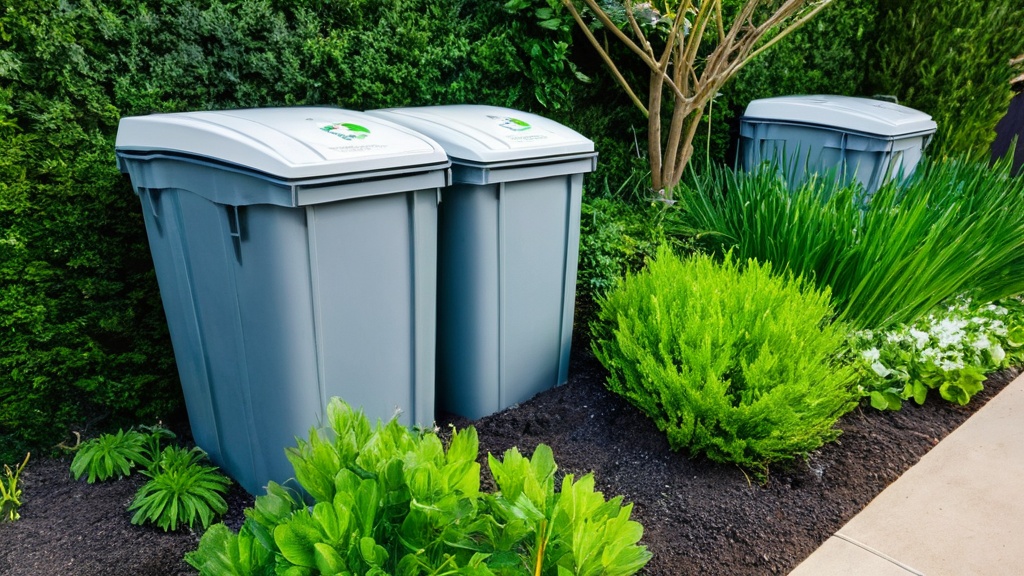
Greywater recycling involves the collection and reuse of wastewater generated from household activities, excluding toilet waste. This water typically comes from sinks, showers, washing machines, and dishwashers. As we face increasing water scarcity and environmental challenges, the importance of greywater recycling becomes more apparent. It offers a sustainable solution to reduce freshwater consumption while promoting responsible water management practices.
The process of greywater recycling can vary in complexity, ranging from simple systems that redirect water to gardens to more advanced setups that treat and purify greywater for various uses. Understanding the different types of greywater systems available allows us to make informed decisions about which option best suits our needs. We can appreciate the potential of greywater recycling not only as a means of conserving water but also as a way to contribute positively to our environment.
If you’re interested in DIY greywater recycling, you might find the article on Eco Friendly Home Hub particularly useful. It provides a comprehensive overview of sustainable practices that can help you manage water usage more effectively. For more insights and tips, check out their article on greywater systems at Eco Friendly Home Hub. This resource can be a great starting point for beginners looking to implement eco-friendly solutions in their homes.
Key Takeaways
- Greywater recycling involves reusing household wastewater from sinks, showers, and laundry for non-potable purposes.
- Benefits include water conservation, reduced utility bills, and decreased strain on sewage systems.
- Selecting the appropriate greywater system depends on household size, water usage, and local regulations.
- Proper installation and regular maintenance are crucial for system efficiency and preventing health risks.
- Awareness of legal requirements and avoiding common mistakes ensures safe and effective greywater recycling.
Benefits of Greywater Recycling
Implementing greywater recycling systems brings numerous advantages, both environmentally and economically. One of the most significant benefits lies in water conservation. By reusing water that would otherwise go down the drain, we can significantly reduce our overall water consumption. This reduction not only helps alleviate pressure on local water supplies but also lowers utility bills, making it a financially sound choice for many households.
In addition to conserving water, greywater recycling can enhance the health of our gardens and landscapes. The nutrients present in greywater, particularly from laundry and kitchen sources, can provide essential nourishment for plants. Utilizing this resource can lead to healthier vegetation and reduced reliance on chemical fertilizers. As we adopt greywater recycling practices, we contribute to a more sustainable approach to gardening and landscaping, fostering a healthier ecosystem in our own backyards.
Choosing the Right Greywater System
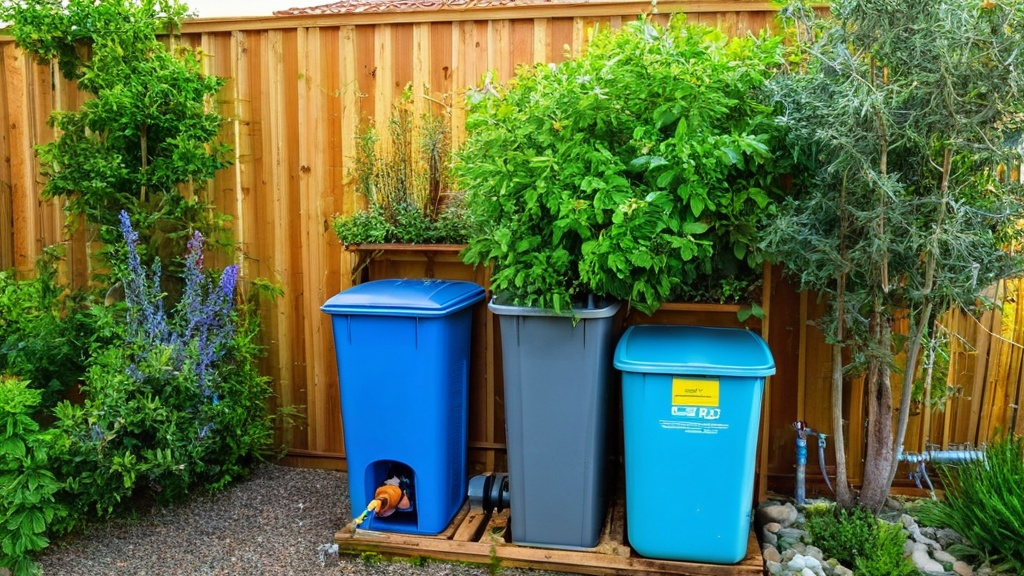
Selecting the appropriate greywater system requires careful consideration of various factors, including household size, water usage patterns, and local regulations. Several types of systems exist, ranging from simple diversion systems that redirect greywater to irrigation areas to more complex treatment systems that filter and purify the water for indoor use. Evaluating our specific needs will help us determine which system aligns best with our lifestyle and goals.
Researching local regulations is essential when choosing a greywater system. Some regions have specific guidelines regarding the installation and use of greywater systems, which may influence our decision-making process. Consulting with professionals or local authorities can provide valuable insights into compliance requirements and best practices. By making informed choices, we can ensure that our greywater recycling efforts are both effective and legally compliant.
DIY Greywater Recycling Installation
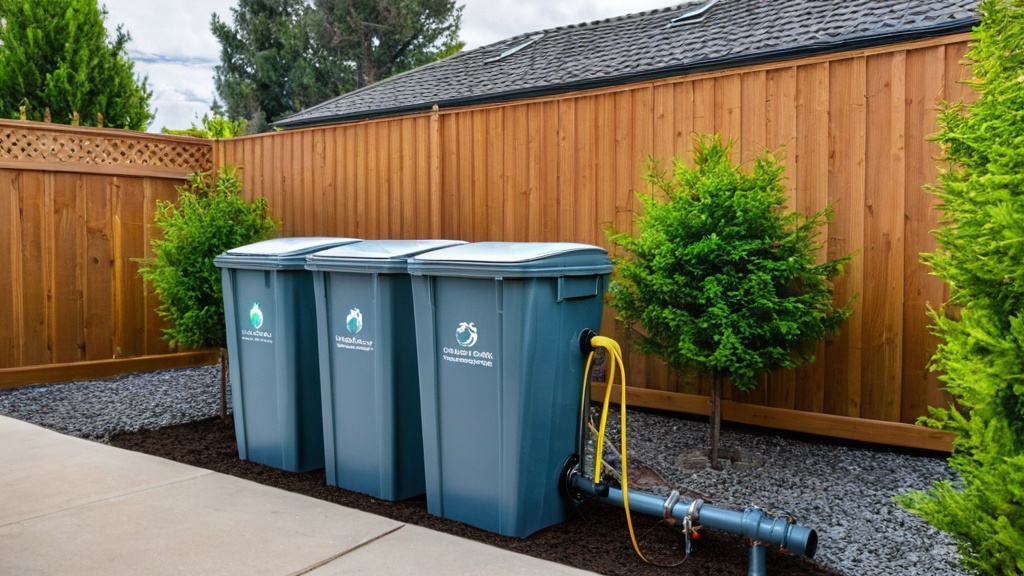
For those inclined towards hands-on projects, installing a DIY greywater recycling system can be a rewarding endeavor. Basic systems often involve simple plumbing modifications to redirect greywater from sinks or showers to designated areas in the garden. Gathering the necessary materials and tools is the first step in this process. Common items include hoses, diverter valves, and storage containers.
Planning the layout of the system is crucial for successful installation. We must consider factors such as gravity flow, drainage patterns, and plant needs when designing our setup. Following clear instructions and guidelines will help us avoid common pitfalls during installation. Once completed, a DIY greywater system can provide an ongoing source of irrigation for our gardens while promoting sustainable practices within our households.
If you’re interested in sustainable living practices, you might find it beneficial to explore the concept of DIY greywater recycling for beginners. This method not only conserves water but also helps in maintaining a healthy garden. For those looking to enhance their eco-friendly home, understanding the maintenance of solar panels can be equally important. You can read more about this in the article on the dos and don’ts of solar panel maintenance and cleaning, which provides valuable insights for anyone aiming to optimize their renewable energy systems.
Greywater Recycling Maintenance
| Metric | Description | Typical Value | Notes |
|---|---|---|---|
| Average Daily Greywater Volume | Amount of greywater generated per person per day | 30-50 gallons (114-190 liters) | Includes water from showers, sinks, laundry |
| Filtration Level | Type of filtration used before reuse | Sand and gravel filter | Basic filtration suitable for irrigation |
| Storage Tank Size | Capacity of greywater holding tank | 100-200 gallons (380-760 liters) | Depends on household size and usage |
| Reuse Applications | Common uses for recycled greywater | Garden irrigation, toilet flushing | Avoids contact with edible plants |
| System Cost | Estimated cost for DIY setup | 100-300 | Varies by materials and complexity |
| Maintenance Frequency | How often system needs cleaning/checking | Monthly | Includes filter cleaning and tank inspection |
| Legal Restrictions | Common regulatory considerations | Varies by location | Check local codes before installation |
Maintaining a greywater recycling system is vital for ensuring its longevity and effectiveness. Regular inspections should be part of our routine to identify any potential issues early on. Checking for clogs, leaks, or signs of contamination will help us address problems before they escalate. Cleaning filters and storage tanks periodically is essential to prevent buildup that could hinder system performance.
Monitoring the quality of the recycled greywater is equally important. Observing any changes in odor or color can indicate potential issues that require attention. Implementing a maintenance schedule will help us stay organized and proactive in caring for our greywater system. With proper upkeep, we can enjoy the benefits of greywater recycling for years to come.
If you’re interested in DIY greywater recycling, you might find it helpful to explore additional sustainable practices that can complement your efforts. For instance, a related article offers insightful suggestions on how to design a sustainable home, which can enhance your overall eco-friendly lifestyle. You can read more about these practical tips by visiting this link. Implementing these ideas alongside your greywater system can create a more efficient and environmentally conscious living space.
Common Mistakes to Avoid
As we embark on our greywater recycling journey, being aware of common mistakes can save us time and resources. One frequent error involves using inappropriate soaps or detergents that may harm plants or contaminate the recycled water. Choosing biodegradable and environmentally friendly products is essential for maintaining a healthy ecosystem in our gardens.
Another mistake often made is neglecting to properly filter or treat greywater before reuse. Failing to address contaminants can lead to health risks and damage to plants. Investing time in understanding the necessary treatment processes will help us avoid these pitfalls. Learning from others’ experiences can guide us toward successful greywater recycling practices.
Legal and Safety Considerations
Understanding legal regulations surrounding greywater recycling is crucial for compliance and safety. Many regions have specific laws governing the use of greywater systems, including guidelines on what types of greywater can be reused and how it should be treated. Familiarizing ourselves with these regulations will help us avoid potential fines or legal issues.
Safety considerations also play a significant role in greywater recycling practices. Ensuring that our systems are designed to prevent cross-contamination with potable water sources is essential for protecting public health. Implementing proper signage and barriers around greywater areas can help inform others about potential hazards associated with untreated water. Prioritizing safety will contribute to a successful and responsible greywater recycling experience.
Tips for Maximizing Greywater Recycling Effectiveness
To maximize the effectiveness of our greywater recycling efforts, we can adopt several strategies that enhance both efficiency and sustainability. First, monitoring water usage habits can help identify opportunities for increased greywater production.
Simple changes, such as taking shorter showers or using less water-intensive appliances, can significantly boost the amount of reusable water generated.
Incorporating a diverse range of plants in our gardens can optimize the benefits of recycled greywater. Selecting drought-resistant species that thrive on nutrient-rich water will create a resilient landscape while minimizing maintenance needs. Additionally, rotating irrigation areas can prevent soil saturation and promote healthy plant growth.
Engaging with local communities or online forums dedicated to greywater recycling can provide valuable insights and support as we navigate this practice. Sharing experiences and learning from others fosters a sense of community while enhancing our knowledge base. By remaining proactive and informed, we can fully embrace the advantages of greywater recycling while contributing positively to our environment.
FAQs
What is greywater recycling?
Greywater recycling is the process of collecting and reusing wastewater from household sources such as sinks, showers, and washing machines for non-potable purposes like irrigation and toilet flushing.
Is it safe to use greywater for gardening?
Yes, greywater can be safely used for gardening if it is properly filtered and treated to remove harmful contaminants. Avoid using greywater on edible parts of plants and use biodegradable, low-sodium soaps to minimize risks.
What materials are needed to set up a basic DIY greywater system?
A basic DIY greywater system typically requires collection containers or tanks, filters to remove solids, piping or hoses for distribution, and sometimes a pump. Additional components may include diverter valves and mulch basins for irrigation.
Are there any legal restrictions on greywater recycling?
Legal restrictions vary by location. Many regions have specific regulations regarding greywater use, including system design, permitted uses, and health standards. It is important to check local codes and obtain necessary permits before installation.
How often should a DIY greywater system be maintained?
Regular maintenance is essential for greywater systems. Filters should be cleaned or replaced every few weeks, pipes checked for clogs or leaks, and tanks inspected periodically to ensure proper function and prevent odors or contamination.