
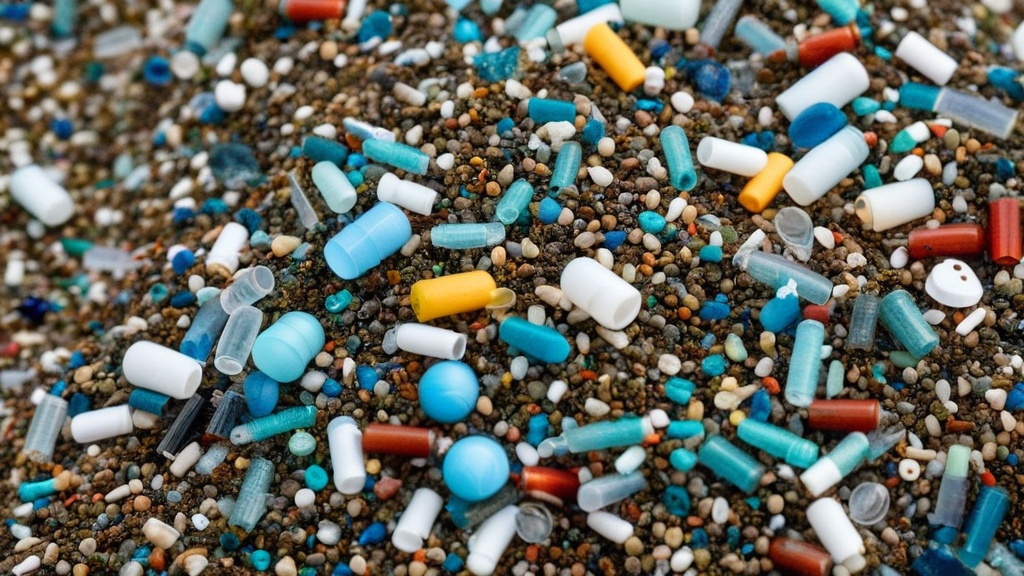
Microplastics have emerged as a pressing concern in recent years, capturing the attention of scientists, environmentalists, and the general public alike. These tiny plastic particles, measuring less than five millimeters in diameter, originate from various sources and have infiltrated ecosystems worldwide. As we become more aware of their presence, it becomes increasingly important to understand their implications for both human health and the environment. The ubiquity of microplastics raises questions about our consumption habits and the long-term consequences of plastic pollution.
The journey of microplastics begins with larger plastic items that break down into smaller fragments over time. This degradation occurs through natural processes such as weathering, UV radiation exposure, and mechanical abrasion. As we examine the origins and pathways of microplastics, we uncover a complex web of interactions that highlight the need for collective action. Addressing this issue requires a comprehensive understanding of how microplastics enter our lives and the potential risks they pose.
In addition to understanding the pervasive issue of microplastics in our homes, you may find it beneficial to explore related strategies for creating a more sustainable living environment. A great resource is the article titled “Revolutionize Your Habits for a Sustainable Future,” which offers practical tips on reducing your ecological footprint and adopting eco-friendly practices. You can read it here: guide that offers valuable tips and resources.
Ways to Reduce Microplastic Exposure in the Home
| Source of Microplastics | Average Concentration (particles per liter) | Common Household Locations | Potential Health Impact |
|---|---|---|---|
| Textile Fibers (Clothing) | 1000 – 5000 | Washing machine, air dust | Respiratory irritation, ingestion risk |
| Plastic Packaging | 500 – 2000 | Kitchen surfaces, food containers | Possible chemical exposure |
| Household Dust | 2000 – 7000 | Floors, furniture, HVAC filters | Inhalation risk, allergen potential |
| Personal Care Products | 100 – 500 | Bathroom sinks, drains | Skin irritation, environmental contamination |
| Carpet and Upholstery Fibers | 1500 – 4000 | Living rooms, bedrooms | Inhalation and ingestion risk |
Reducing microplastic exposure in our homes requires conscious effort and informed choices. One effective strategy involves opting for natural fibers when purchasing clothing and textiles. Materials such as cotton, wool, and linen shed fewer microfibers during washing compared to synthetic alternatives. By making this simple switch, we can significantly decrease the number of microplastics released into the environment.
Another practical approach involves scrutinizing personal care products for microbeads and opting for alternatives that utilize natural exfoliants. Many brands now offer eco-friendly options that do not contain harmful microplastics. Additionally, using a microfiber filter in washing machines can capture shedding fibers before they enter wastewater systems. Implementing these changes not only benefits our health but also contributes to a cleaner environment.
Regulations and Policies on Microplastics
Governments around the world are beginning to recognize the urgency of addressing microplastic pollution through regulations and policies. Some countries have implemented bans on microbeads in personal care products, while others are exploring broader measures to limit plastic production and consumption. These initiatives reflect a growing commitment to tackling plastic pollution at its source.
International cooperation is essential in addressing the global nature of microplastic pollution. Collaborative efforts among nations can lead to more effective policies and regulations that promote sustainable practices. Advocacy for stricter regulations can drive change within industries and encourage consumers to support environmentally responsible brands. As we engage in discussions about policy changes, our voices can contribute to a collective push for meaningful action against microplastics.
Alternatives to Microplastic Products
Exploring alternatives to microplastic products opens up new avenues for sustainable living. Many companies are now producing biodegradable or compostable materials that serve as substitutes for traditional plastics. For instance, bamboo toothbrushes and reusable shopping bags made from organic cotton offer eco-friendly options that reduce reliance on single-use plastics.
In addition to personal care products, household items can also be replaced with sustainable alternatives. Beeswax wraps can replace plastic wrap for food storage, while glass containers serve as durable replacements for plastic containers. Embracing these alternatives not only minimizes our exposure to microplastics but also supports a circular economy that prioritizes sustainability.

NATURAL SOLUTION – Our toothbrushes feature handles made from natural, sustainable bamboo, offering the same quality as generic plastic brushes. While the handle is fully compostable. Our packaging is also 100% recyclable

Eco-Friendly & Sustainable: VIVAGO’s bamboo toothbrushes with plant-based soft bristles offer a greener alternative to plastic. Both the product and packaging are designed with sustainability in mind.

GO GREEN: Help the environment and reduce landfill waste by choosing a sustainable alternative to plastic toothbrushes. This bamboo toothbrush keeps your mouth fresh for just as long as a traditional toothbrush while supporting environmental conservation
Conclusion and Call to Action
As we reflect on the pervasive issue of microplastics, it becomes evident that collective action is necessary to combat this growing threat. Understanding the sources, health risks, environmental impacts, and available alternatives empowers us to make informed choices in our daily lives.
Each small change contributes to a larger movement toward reducing plastic pollution.
We must advocate for stronger regulations and support initiatives aimed at minimizing microplastic production and consumption. Engaging in conversations about sustainability within our communities can inspire others to join us in this effort. Together, we can create a cleaner environment for future generations while safeguarding our health and well-being. Let us take action today for a healthier tomorrow free from the burden of microplastics.
FAQs
What are microplastics and where do they come from?
Microplastics are tiny plastic particles less than 5 millimeters in size. They originate from the breakdown of larger plastic items, synthetic fibers from clothing, and microbeads used in some personal care products.
How do microplastics enter the home environment?
Microplastics can enter homes through dust, synthetic textiles shedding fibers during washing, degradation of plastic household items, and even from outdoor air that carries plastic particles indoors.
Are microplastics harmful to human health?
Current research is ongoing, but some studies suggest that microplastics can cause inflammation and may carry harmful chemicals. However, the full extent of their impact on human health is not yet fully understood.
Can microplastics be removed from household air and surfaces?
Regular cleaning with damp cloths, vacuuming with HEPA filters, and using air purifiers can help reduce microplastic particles in the home environment, but complete removal is challenging.
What steps can be taken to reduce microplastic exposure at home?
To reduce exposure, minimize use of synthetic textiles, avoid products containing microbeads, use natural fiber clothing, properly dispose of plastic waste, and maintain good indoor air quality through ventilation and cleaning.
Enjoying our content? Make us a preferred source on Google.
Add us as a Preferred Source on Google