
Category: Green Living
Embrace a sustainable lifestyle with tips on reducing environmental impact and creating a healthier home for you and your family.
-

Building a Sustainable Home: Eco-Friendly House Materials
You approach the concept of home ownership with a new perspective, seeking harmony with the environment. Building a sustainable home represents more than just a preference; it embodies a commitment to minimizing environmental impact and fostering long-term resource efficiency. You consider the entire life cycle of your dwelling, from material sourcing to eventual decommissioning. Every
-
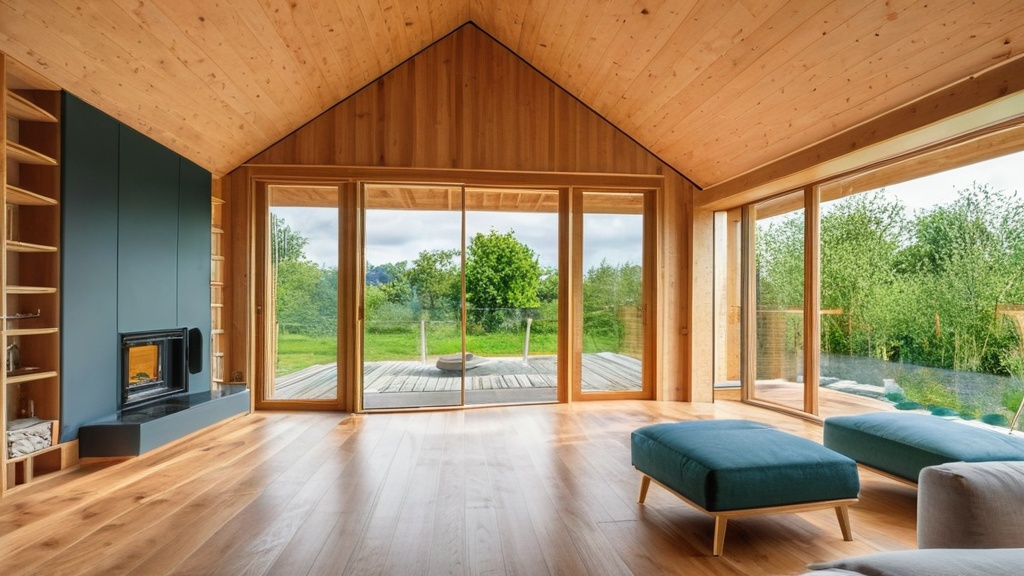
Building a Sustainable Home: Eco-Friendly Materials
You dream of a home that treads lightly on the planet, a sanctuary built with intention. Choosing eco-friendly materials forms the bedrock of your sustainable dwelling, influencing its performance, health, and long-term impact. Your choices here are not mere aesthetic decisions; they are investments in a healthier future for yourself and for the world around
-
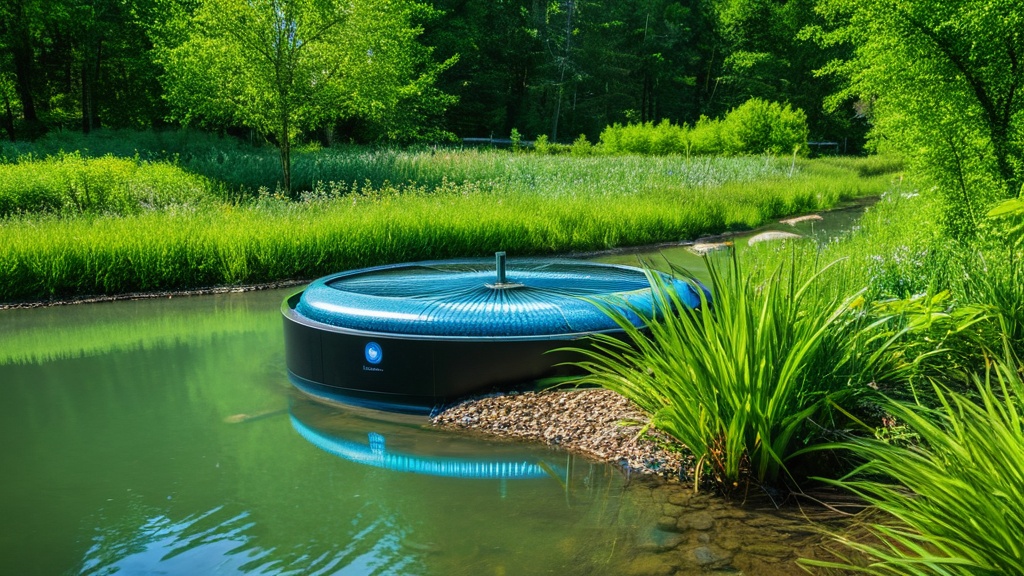
Maximizing Efficiency: The Latest Smart Water Management Systems
Water scarcity and inefficient usage have become pressing global issues. As populations grow and climate change intensifies, the demand for effective water management systems has never been more critical. Smart water management systems represent a transformative approach to addressing these challenges. These systems leverage advanced technologies, such as the Internet of Things (IoT), artificial intelligence,
-
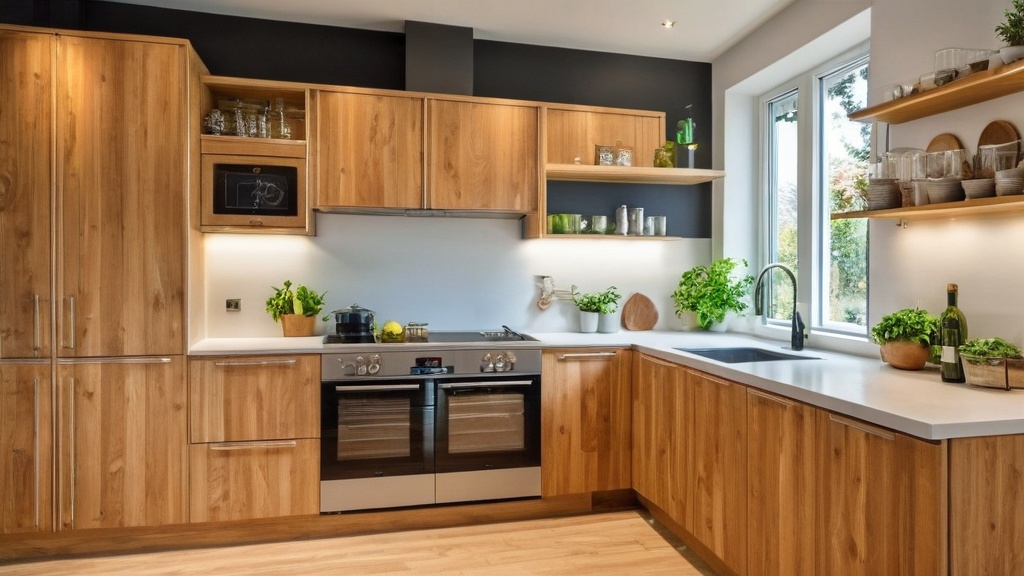
Creating Vegan and Green: Eco-Friendly Kitchens
A plant-based diet offers measurable health advantages. Research demonstrates that vegan diets are associated with lower cholesterol levels, reduced incidence of type 2 diabetes, heart disease, and certain cancers, and improved cardiovascular health. Plant-based foods including fruits, vegetables, legumes, and whole grains provide essential nutrients such as fiber, vitamins, and minerals. Adopting this dietary approach
-
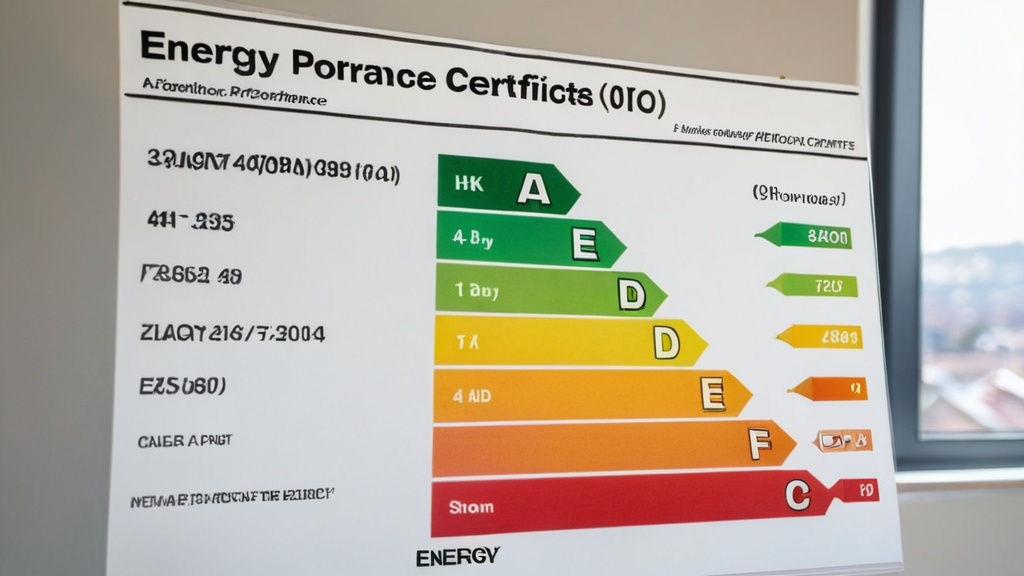
Understanding Energy Performance Certificates
An Energy Performance Certificate (EPC) serves as a vital tool in assessing the energy efficiency of a property. This document provides potential buyers and tenants with an overview of how energy-efficient a building is, represented through a rating system that ranges from A to G. A rating of A indicates the highest level of energy
-
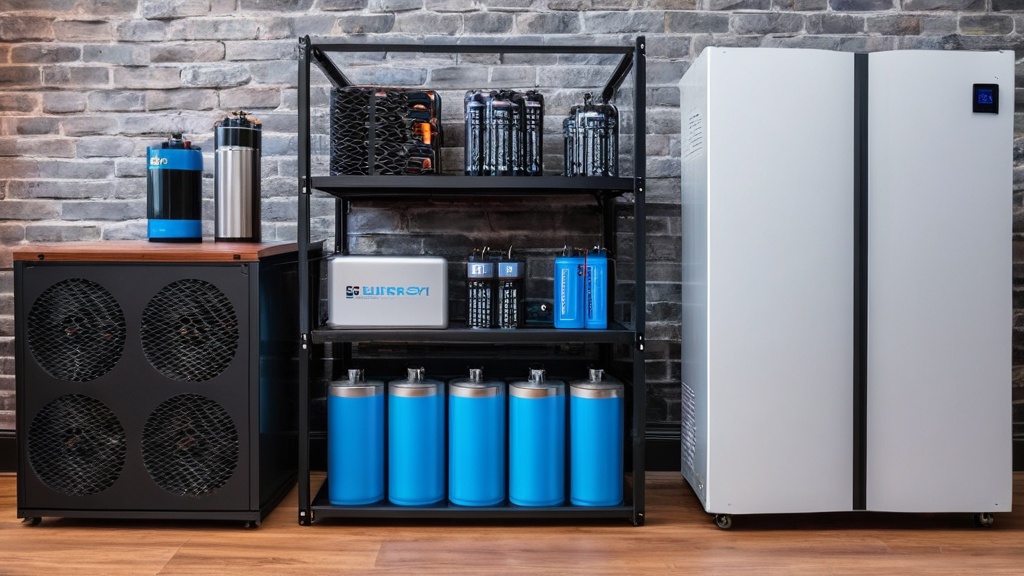
Maximizing Solar Power: Battery Storage Solutions for Homes
Battery storage solutions represent a significant advancement in energy technology, providing substantial benefits for both residential and commercial users. The primary advantage is enhanced energy independence. Battery storage systems enable the capture and storage of surplus energy produced by renewable sources like solar panels, making this energy available during high-demand periods or when renewable generation
-

The Importance of Trees in Urban Eco Housing
Urban eco housing represents a transformative approach to living in cities, where sustainability and environmental consciousness take center stage. As urban populations continue to swell, the need for innovative housing solutions becomes increasingly pressing. We find ourselves at a crossroads, where the integration of nature into our living spaces can significantly improve our quality of
-

Revamp Your Space: Reclaimed & Upcycled Home Furniture Projects
Reclaimed and upcycled furniture represents a growing trend in home decor that combines creativity with sustainability. As environmental awareness increases, consumers increasingly seek alternatives to mass-produced items. Reclaimed furniture utilizes wood or materials salvaged from old structures, while upcycling converts discarded items into new, functional pieces. These practices reduce waste while adding distinctive character to
-
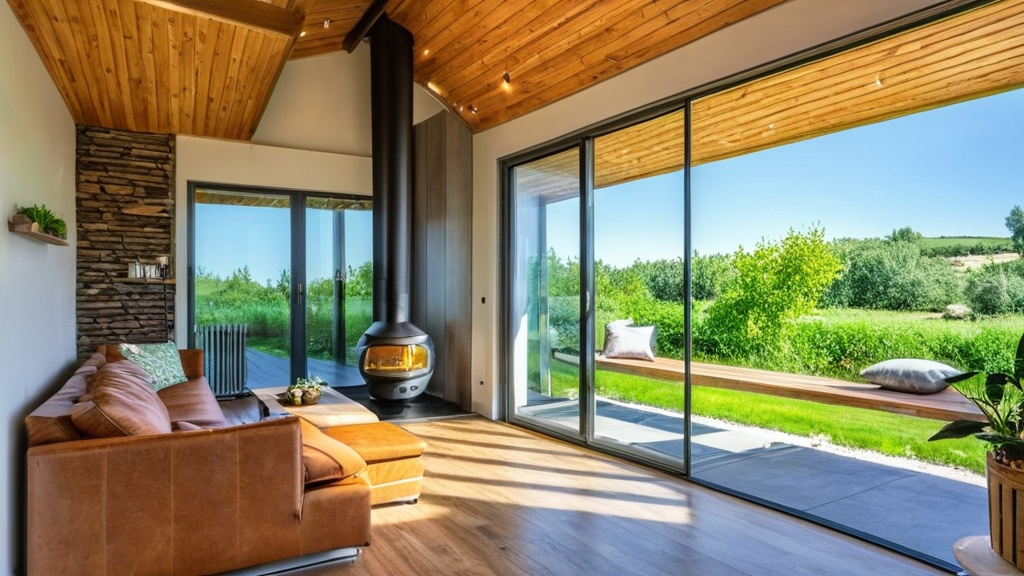
Tiny Eco Homes: Big Impact, Small Footprint
The tiny eco home movement has experienced significant growth in recent years, driven by increasing environmental consciousness and rising housing costs in urban areas. These compact dwellings typically range from 100 to 600 square feet and incorporate sustainable design elements such as solar panels, composting toilets, rainwater collection systems, and energy-efficient appliances. The movement represents
-
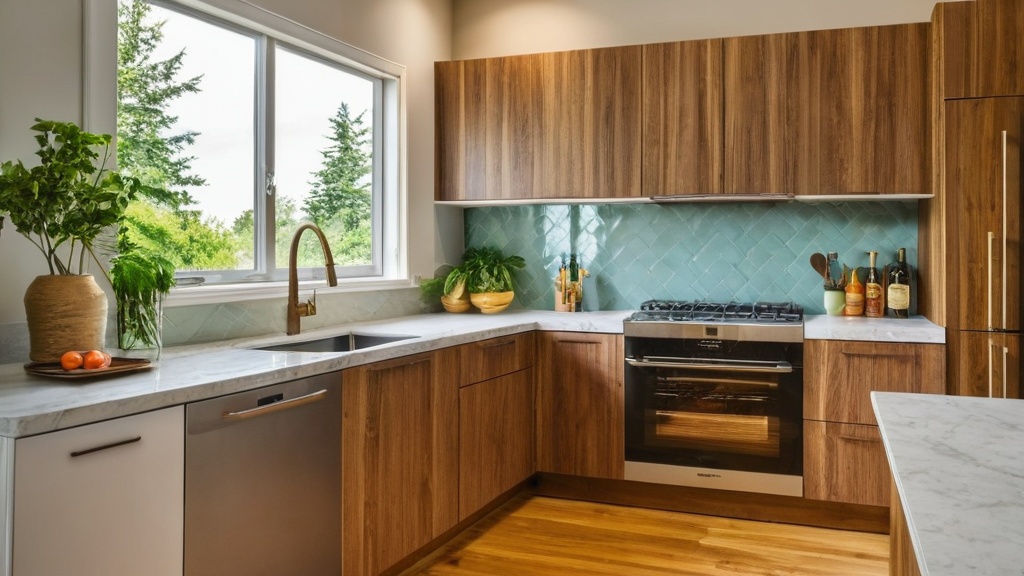
Revamp Your Kitchen Sustainably: Getting Started
Before beginning a kitchen renovation, conduct a thorough evaluation of the existing space. This assessment should identify areas requiring improvement and elements that currently function well. Examine the layout, functionality, and overall design. Key considerations include appliance energy efficiency ratings, available storage capacity, and lighting adequacy. These factors directly impact the kitchen’s potential for sustainable