
Your guide to sustainable, eco-friendly home living
Category: Green Living
Embrace a sustainable lifestyle with tips on reducing environmental impact and creating a healthier home for you and your family.
-
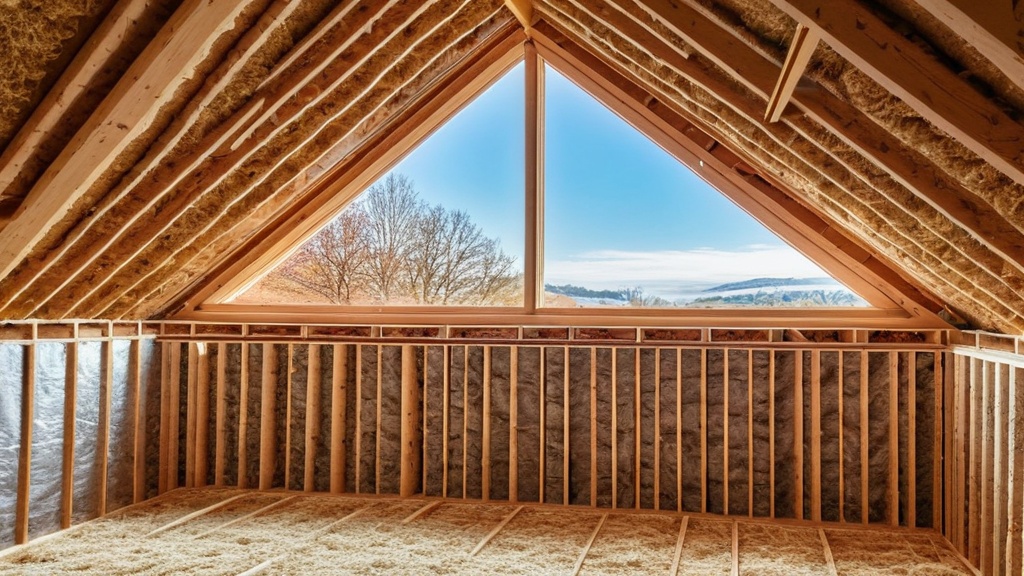
Top Natural Insulation Options
Natural insulation represents a growing trend in the construction and renovation of buildings, reflecting a shift towards sustainability and environmental consciousness. As we become more aware of the impact of our choices on the planet, the demand for eco-friendly materials has surged. Natural insulation materials, derived from renewable resources, offer an alternative to traditional synthetic…
-
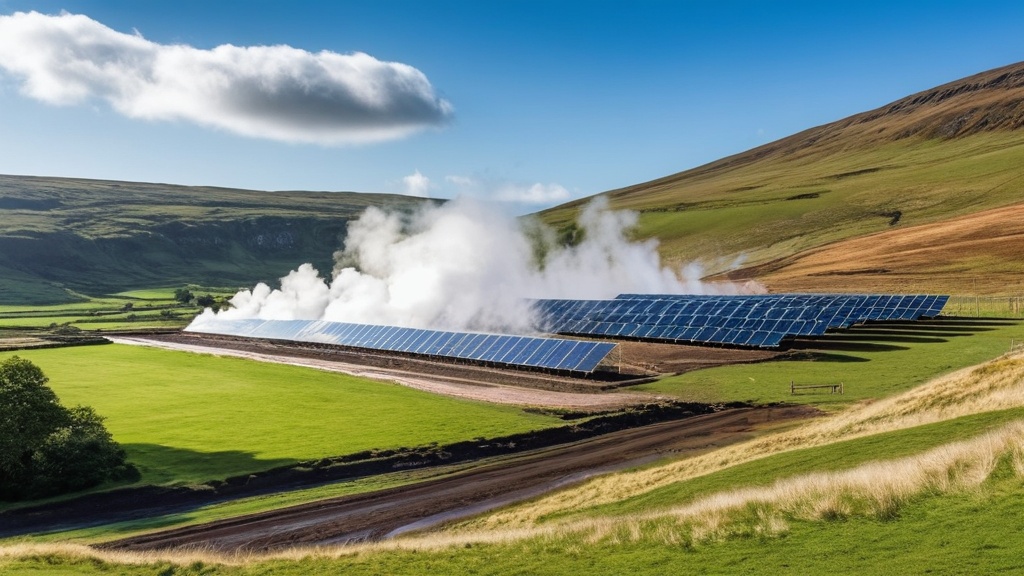
Unleashing Geothermal Power in the UK
Geothermal power represents a remarkable source of renewable energy, harnessing the Earth’s internal heat to generate electricity and provide direct heating. This energy source has been utilized for centuries, with ancient civilizations tapping into hot springs for bathing and cooking. In modern times, geothermal energy has evolved into a sophisticated technology capable of supplying substantial…
-
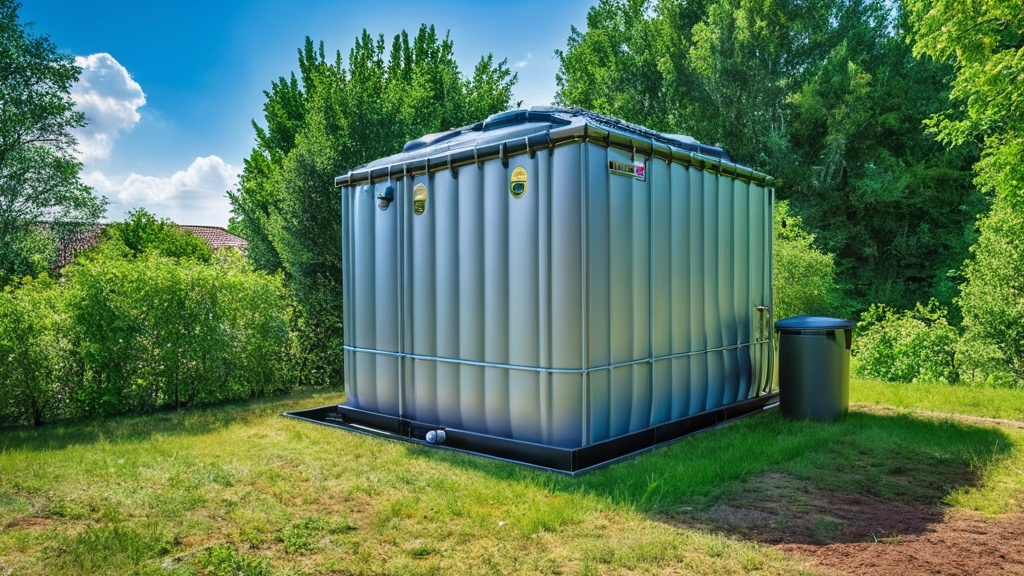
Rainwater Harvesting 101: A Beginner’s Guide
Rainwater harvesting refers to the collection and storage of rainwater for various uses. This practice has been around for centuries, with ancient civilizations employing simple techniques to capture and utilize rainwater. In modern times, the concept has gained renewed interest as communities seek sustainable solutions to water scarcity and environmental challenges. We can collect rainwater…
-
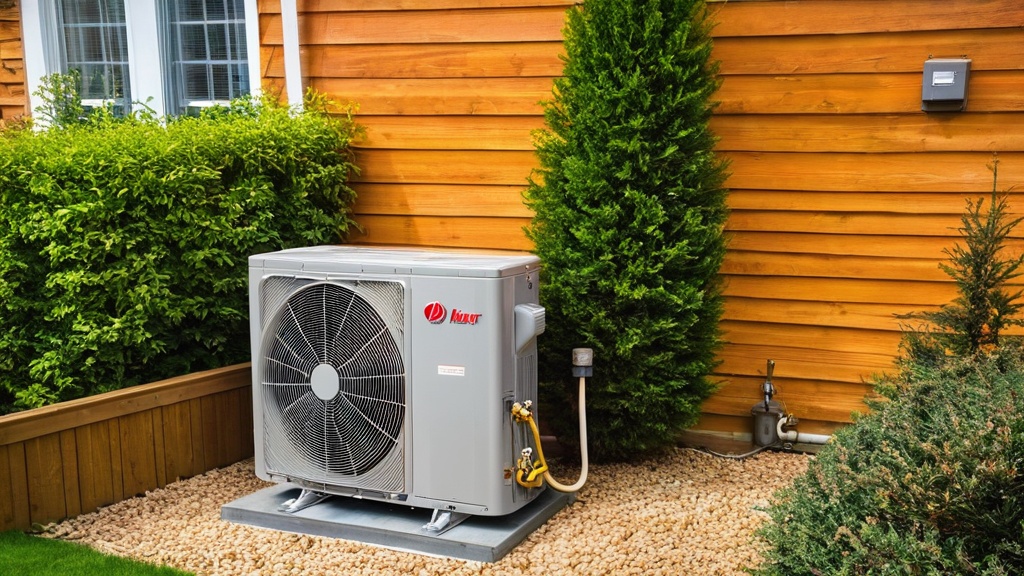
Getting Your Home Ready for a Heat Pump
Heat pumps serve as versatile systems that provide both heating and cooling for residential spaces. Unlike traditional heating systems that generate heat, heat pumps transfer heat from one location to another. During colder months, they extract heat from the outside air or ground and move it indoors. Conversely, in warmer months, they reverse the process,…
-
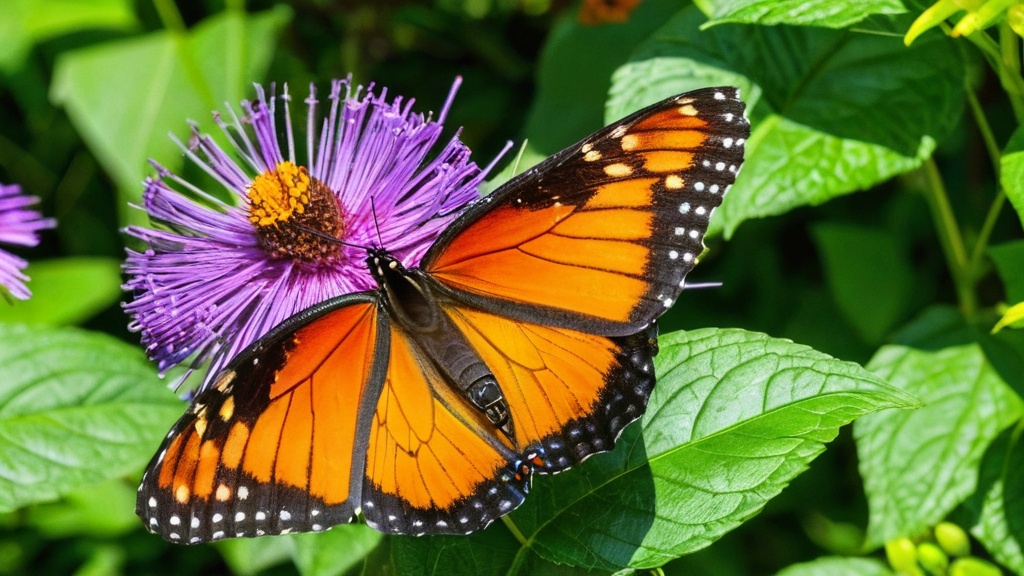
How to Create a Butterfly-Friendly Backyard
Butterflies, with their vibrant colors and delicate wings, play a vital role in our ecosystem. To create a thriving environment for these beautiful insects, we must first understand their needs. Butterflies require specific conditions to flourish, including suitable habitats, food sources, and protection from predators. Each species has its own preferences, but common factors such…
-
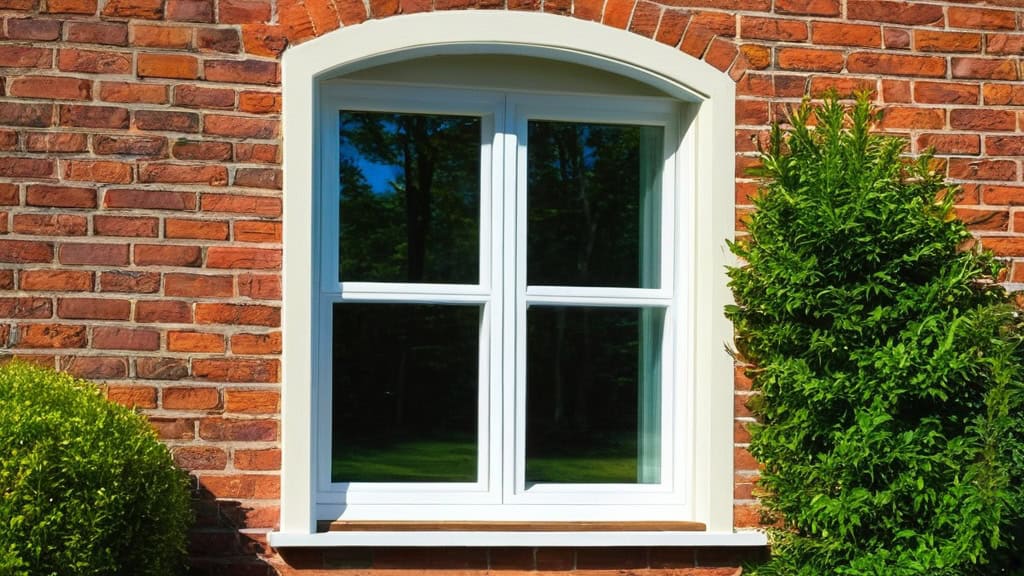
Choosing Thermally Efficient Windows: Key Features to Consider
Energy efficiency ratings serve as a vital tool for consumers seeking to make informed decisions about their windows. These ratings provide a standardized way to assess how well a window can insulate a home, ultimately affecting energy consumption and comfort levels. Various organizations, such as the National Fenestration Rating Council (NFRC), offer these ratings, which…
-
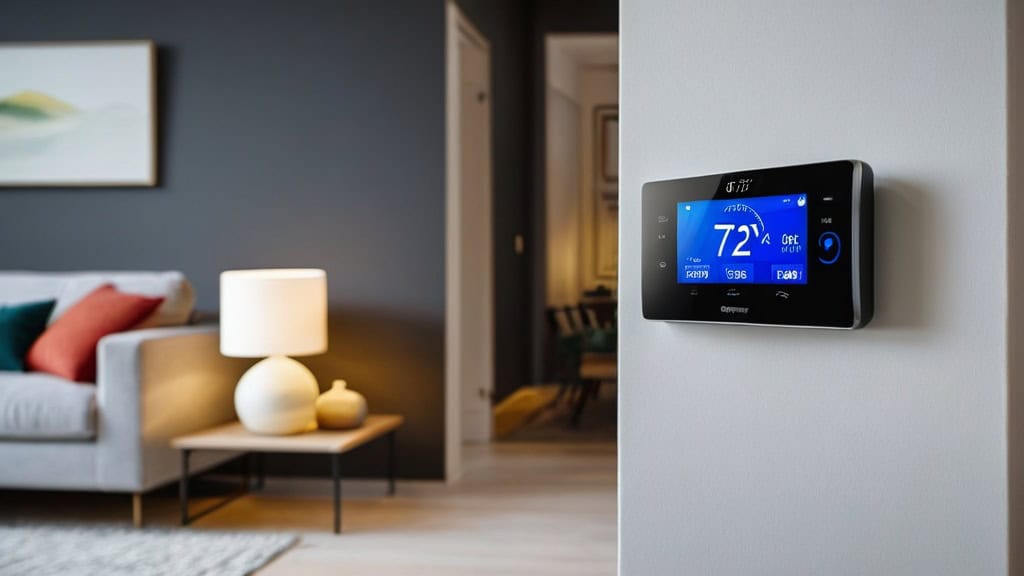
Smart Thermostats: Saving Money and the Planet
In recent years, smart thermostats have emerged as a popular choice for homeowners seeking to optimize their heating and cooling systems. These innovative devices offer a level of control and convenience that traditional thermostats simply cannot match. As we become increasingly aware of energy consumption and its impact on our wallets and the environment, the…
-
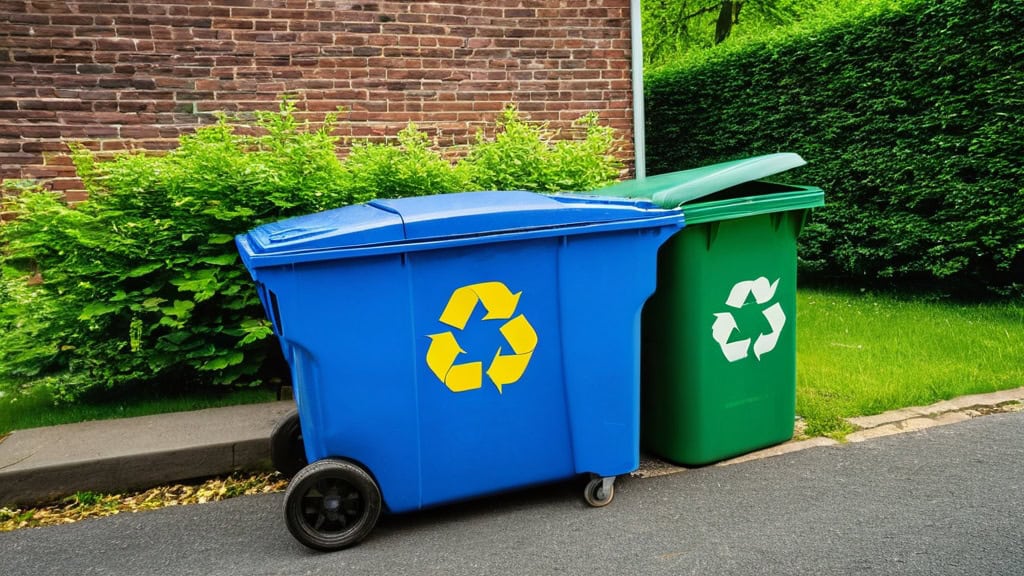
Recycling at Home: What Goes Where?
Recycling represents a fundamental practice that contributes to environmental sustainability. At its core, recycling involves the process of collecting and processing materials that would otherwise be discarded as waste. Instead of ending up in landfills, recyclable materials are transformed into new products, thereby conserving natural resources and reducing pollution. This practice not only helps in…
-
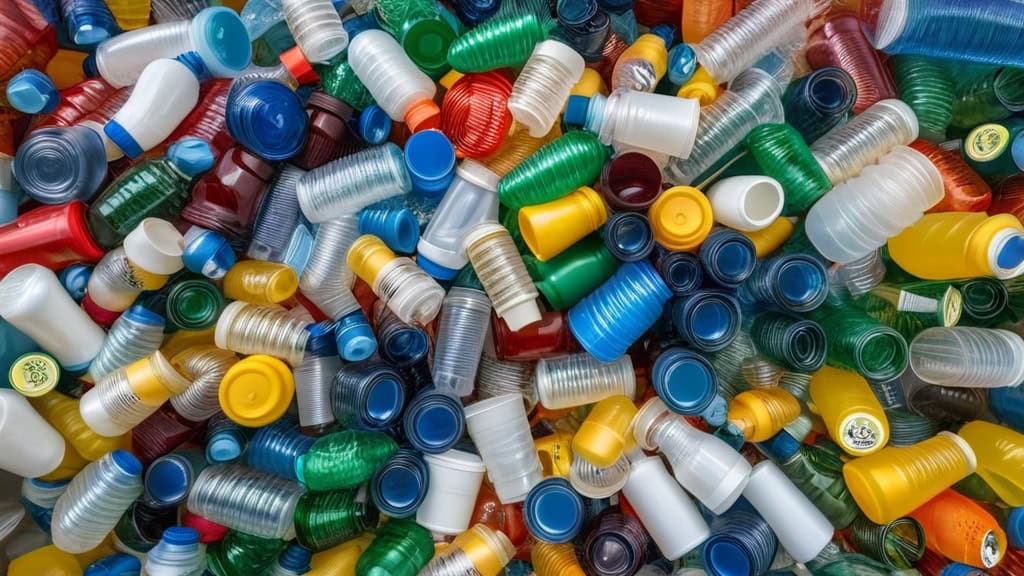
Practical Tips for Reducing Single-Use Plastics: Easy Solutions for a Greener Lifestyle
Single-use plastics have become a ubiquitous part of modern life, infiltrating our daily routines in ways we often overlook. These items, designed for one-time use, contribute significantly to environmental pollution and waste. As we navigate our busy lives, convenience often takes precedence over sustainability, leading to a reliance on plastic products that end up in…
-
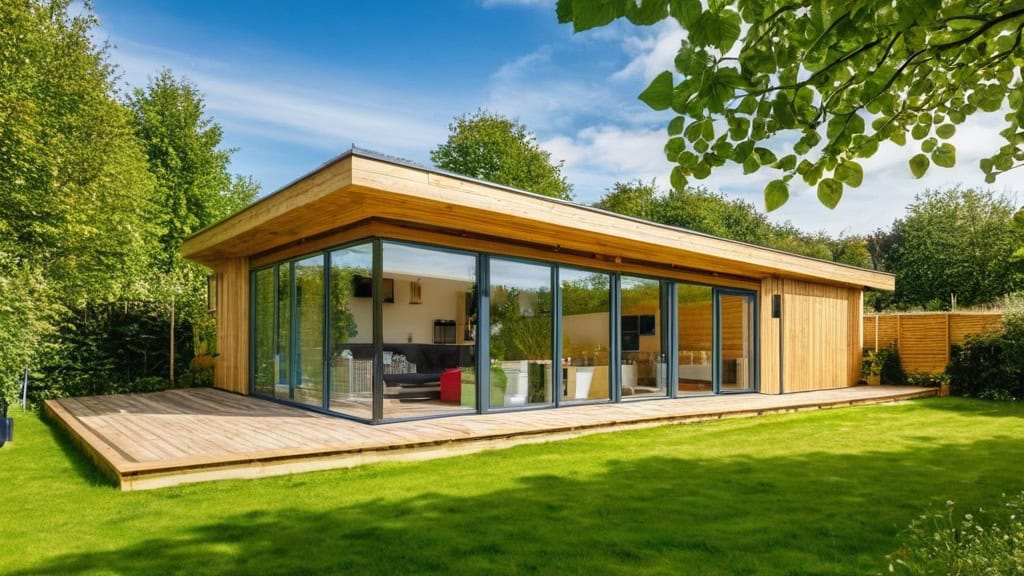
Exploring Funding Options for Eco Self-Build Homes
Eco self-build homes represent a transformative approach to housing that prioritizes sustainability and environmental responsibility. As we face the pressing challenges of climate change and resource depletion, the need for eco-friendly living solutions becomes increasingly apparent. Constructing our own homes with a focus on ecological principles allows us to minimize our carbon footprint while creating…