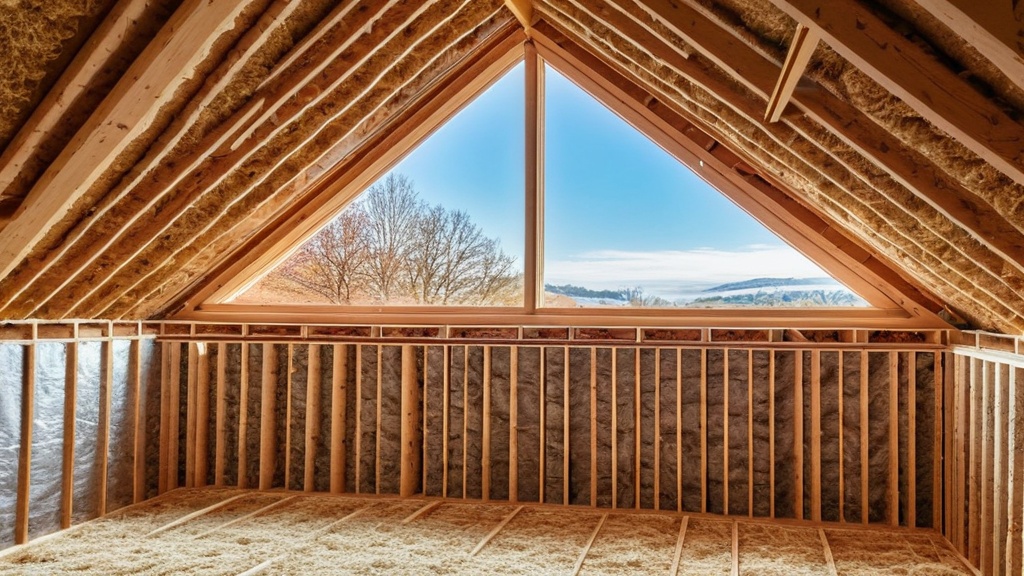
Natural insulation represents a growing trend in the construction and renovation of buildings, reflecting a shift towards sustainability and environmental consciousness. As we become more aware of the impact of our choices on the planet, the demand for eco-friendly materials has surged. Natural insulation materials, derived from renewable resources, offer an alternative to traditional synthetic options. These materials not only provide effective thermal performance but also contribute to healthier indoor environments.
The use of natural insulation aligns with our collective desire to reduce carbon footprints and promote energy efficiency. As we explore various types of natural insulation, we uncover their unique properties and benefits. Understanding these materials allows us to make informed decisions that support both our comfort and the environment.
If you’re interested in sustainable building practices, you might also want to check out an article that highlights the advancements in solar technology over the past decade. This piece, titled “Celebrating 10 Years of Solar Progress,” discusses how solar energy has evolved and its impact on eco-friendly homes. You can read it here: Celebrating 10 Years of Solar Progress.
Key Takeaways
- Natural insulation is a sustainable and environmentally friendly alternative to traditional insulation materials.
- Using natural insulation can lead to improved indoor air quality and reduced energy consumption.
- Wool insulation is a natural, renewable, and biodegradable material that provides excellent thermal and acoustic insulation.
- Cotton insulation is made from recycled denim and offers effective thermal and sound insulation properties.
- Cellulose insulation is made from recycled paper and provides excellent thermal and acoustic insulation while being fire-resistant.
- Hemp insulation is a durable and breathable material that offers excellent thermal and acoustic insulation properties.
- Straw insulation is a natural and renewable material that provides good thermal and acoustic insulation while being affordable and easy to install.
- When choosing natural insulation, consider factors such as R-value, moisture resistance, and environmental impact to make an informed decision.
Benefits of Using Natural Insulation
Choosing natural insulation comes with a multitude of advantages that extend beyond mere thermal performance. One of the most compelling benefits lies in the sustainability of these materials. Sourced from renewable resources, natural insulation reduces reliance on fossil fuels and minimizes environmental degradation. This choice reflects a commitment to preserving the planet for future generations.
Health considerations also play a vital role in our decision-making process. Many conventional insulation materials contain harmful chemicals that can off-gas into indoor spaces, negatively impacting air quality. In contrast, natural insulation options are often free from toxic substances, promoting a healthier living environment. The breathability of these materials helps regulate humidity levels, further enhancing indoor air quality and comfort.
Wool Insulation
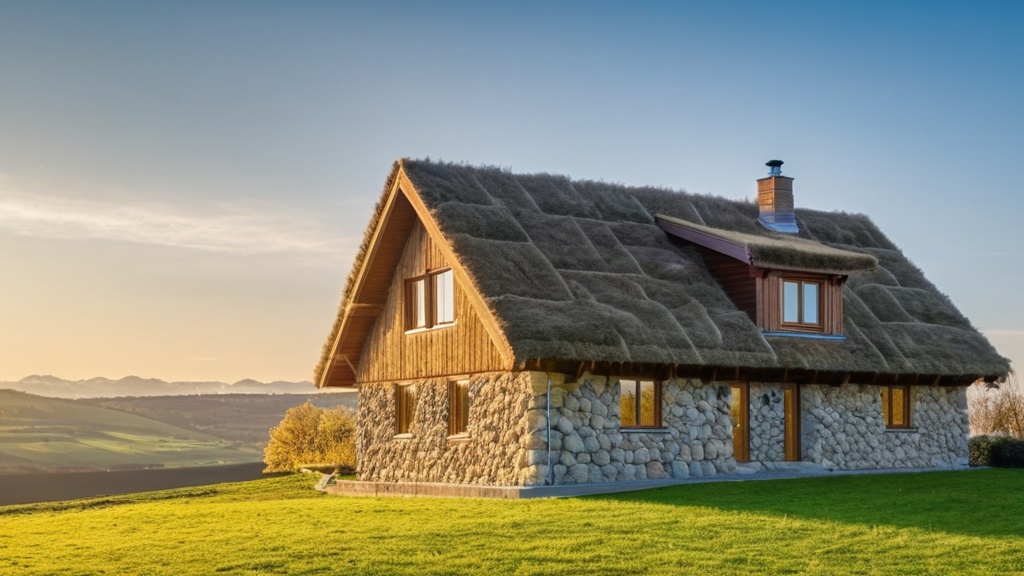
Wool insulation stands out as one of the most effective natural options available. Sourced from sheep, wool possesses remarkable thermal properties that help maintain consistent indoor temperatures. Its ability to absorb moisture without losing insulating capabilities makes it particularly valuable in various climates. Wool fibers can absorb up to 30% of their weight in moisture, allowing for effective humidity regulation.
In addition to its thermal performance, wool insulation offers soundproofing benefits. The dense structure of wool fibers helps dampen noise, creating a quieter living space. This characteristic makes wool an excellent choice for homes located in busy urban areas or near noisy environments. Furthermore, wool is naturally fire-resistant, providing an added layer of safety for our homes.

Case of 6 Cotton Denim and Synthetic Recycled Fiber Batt Insulation Sheets: 24" x 48" x 2"
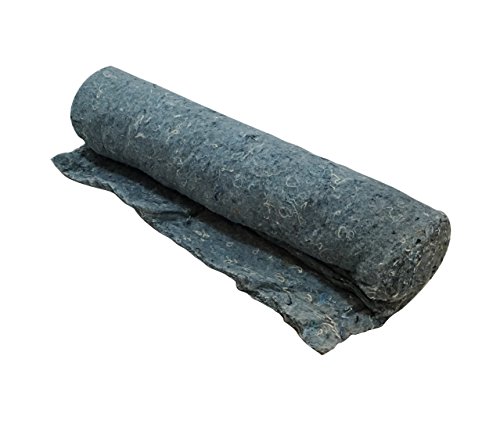
Use For Insulating, Cushioning, And Noise Dampening

NEEDLE & WET FELTING: The perfect roving wool for felting. Merino wool has soft fibers that are excellent for fine details, crafting and as core wool. Also great for wool felt dryer balls. One 1lb wool roving bulk makes 9 – 12 dryer balls to keep your laundry fresh and wrinkle free
Cotton Insulation
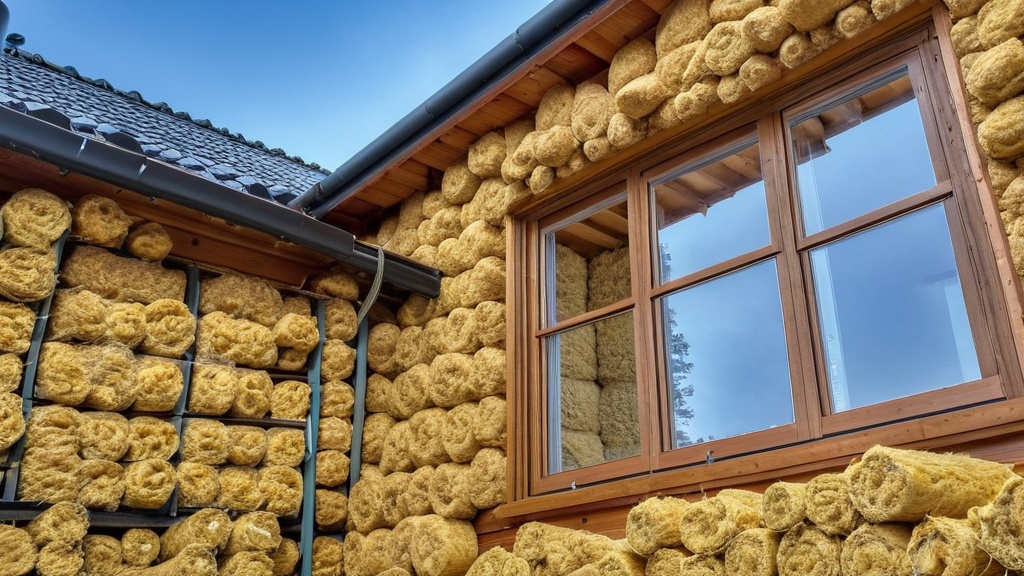
Cotton insulation, often made from recycled denim or cotton scraps, presents another eco-friendly alternative. This material is not only sustainable but also highly effective in terms of thermal performance. Cotton insulation provides excellent R-value, which measures its resistance to heat flow, making it a reliable choice for energy efficiency.
The softness and flexibility of cotton insulation make it easy to work with during installation. Unlike some rigid insulation materials, cotton can be easily cut and shaped to fit various spaces without compromising its effectiveness. Additionally, cotton is naturally resistant to mold and pests, further enhancing its appeal as a safe and durable option for our homes.
If you’re exploring eco-friendly building materials, you might find it interesting to read about sustainable living practices in general. A related article that delves into various tips for sustainable green living can provide valuable insights into how to make your home more environmentally friendly. You can check it out here. This resource complements the discussion on natural insulation options by highlighting other ways to enhance your home’s sustainability.

Multiple Size Options Generous Coverage: available in Multiple Roll Sizes: 4 Yard x 27 Inch, 3 Yard x 47 Inch, 3 Yard x 27 Inchand 5 Yard x 27 Inch, to meet diverse crafting and quilting demands; Offering ample material for your handmade projects; This batting works perfectly for making wrap pads, filling cornices, crafting quilts, and other interior decor applications; It can be easily trimmed to your desired size, making it flexible for projects both large and small
15+ Pockets Organizer: This rolling teacher bag(15.6" L x 9.5" W x 13" H) is built with 15+ pockets, plus a padded laptop section. Includes soft padded laptop compartment suitable for placing 12.9" tablets and 15.6" laptops. The rolling tote bag keeps your essentials sorted and visible, so you can move from classroom to office with less hassle and faster access
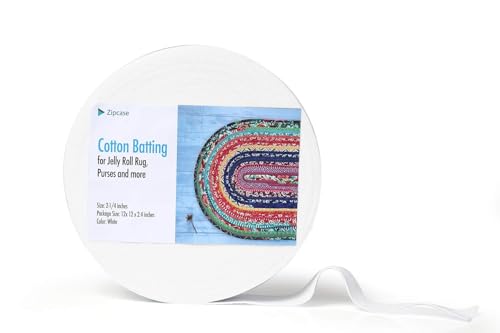
Ideal batting for indoor or outdoor use such as Jelly Roll Rugs, Purses and more
Cellulose Insulation
| Insulation Material | R-Value per inch | Cost per square foot | Environmental Impact |
|---|---|---|---|
| Sheep’s Wool | 3.5 | 1.50 | Biodegradable, renewable |
| Cotton | 3.7 | 1.00 | Recycled, renewable |
| Cellulose | 3.8 | 0.80 | Recycled newspaper, treated for fire resistance |
| Hemp | 3.5 | 2.00 | Renewable, low environmental impact |
Cellulose insulation, primarily made from recycled paper products, showcases the potential of repurposing waste materials into valuable resources. This type of insulation boasts impressive thermal performance while significantly reducing landfill waste. The manufacturing process involves treating cellulose with non-toxic fire retardants, ensuring safety without compromising its eco-friendliness.
One of the standout features of cellulose insulation is its ability to fill gaps and voids effectively. When blown into walls or attics, cellulose conforms to irregular spaces, minimizing air leaks and enhancing overall energy efficiency. This characteristic makes cellulose an ideal choice for retrofitting older homes where traditional insulation may be lacking.
If you’re exploring sustainable building materials, you might find it beneficial to read about the financial incentives available for eco-friendly home improvements. A related article discusses the various tax credits for solar panel installation, which can complement your efforts in creating an energy-efficient home. You can check it out for more information on how to maximize your savings while investing in renewable energy solutions here.

ACCURATE INSULATION DEPTH RULER: 24-inch attic insulation ruler designed to measure blown-in fiberglass or cellulose insulation and verify proper R-value coverage.

Thick CARDBOARD:Made from thick cardboard with a matte laminated finish, these attic measuring rulers resist bending, provide excellent rigidity

Hemp Insulation
Hemp insulation represents a cutting-edge option in the realm of natural building materials. Derived from the hemp plant, this insulation offers numerous benefits that align with our sustainability goals. Hemp grows rapidly and requires minimal resources, making it an environmentally friendly choice for insulation.
The thermal performance of hemp insulation is impressive, providing excellent R-value while remaining lightweight and flexible.
Its natural resistance to mold and pests adds to its appeal as a safe option for residential use.
Furthermore, hemp fibers are breathable, allowing moisture to escape while preventing condensation buildup within walls.
Straw Insulation
Straw insulation may seem unconventional, but it has gained recognition for its effectiveness and sustainability. Made from agricultural byproducts, straw bales provide excellent thermal performance due to their high insulating properties. This material is particularly beneficial in regions with extreme temperature fluctuations.
Using straw as insulation promotes a circular economy by repurposing agricultural waste that would otherwise contribute to environmental issues. Straw bales can be used in various construction methods, including straw bale walls or as infill for timber frames. The natural composition of straw allows for breathability while maintaining structural integrity.
Conclusion and Considerations for Choosing Natural Insulation
As we consider the various options available for natural insulation, several factors come into play when making our decision.
Each type of natural insulation offers unique benefits that cater to different needs and preferences.
Evaluating factors such as thermal performance, installation ease, and environmental impact will guide us toward the best choice for our specific projects.
Cost considerations also play a role in our decision-making process. While some natural insulation materials may have higher upfront costs compared to conventional options, their long-term energy savings can offset initial investments. Additionally, the health benefits associated with using non-toxic materials contribute to overall well-being and comfort in our living spaces.
Ultimately, choosing natural insulation reflects our commitment to sustainability and creating healthier environments for ourselves and future generations. As we explore these options further, we can make informed decisions that align with our values while enhancing the comfort and efficiency of our homes.
FAQs
What are natural insulation options?
Natural insulation options are materials that are derived from natural sources such as plants, animals, and minerals. These materials are used to insulate buildings and homes to improve energy efficiency and reduce environmental impact.
What are some examples of natural insulation materials?
Some examples of natural insulation materials include wool, cotton, hemp, cork, straw, and cellulose. These materials are renewable, biodegradable, and have good insulating properties.
What are the benefits of using natural insulation?
Using natural insulation can have several benefits, including improved indoor air quality, reduced energy consumption, and lower environmental impact. Natural insulation materials are also often locally sourced and can contribute to a healthier living environment.
Are there any drawbacks to using natural insulation?
Some drawbacks of using natural insulation include potential for pest infestation, higher initial cost compared to traditional insulation materials, and limited availability in some regions. Additionally, some natural insulation materials may require additional fire retardants for safety.
How do natural insulation options compare to traditional insulation materials?
Natural insulation options often have similar or better insulating properties compared to traditional insulation materials. They also have the added benefit of being more environmentally friendly and sustainable. However, they may require more maintenance and have higher upfront costs.
Enjoying our content? Make us a preferred source on Google.
Add us as a Preferred Source on Google