

Are you considering installing solar panels on your home or business? Not only will this decision help reduce your carbon footprint, but it can also provide significant financial benefits through tax credits.
Understanding how these tax credits work can be confusing, but don’t worry, we’ve got you covered. In this article, we’ll break down the eligibility requirements and types of tax credits available for solar panel installation, as well as provide tips for maximizing your tax credits.
By the end, you’ll have a thorough understanding of how to claim tax credits for your solar panel installation.
Eligibility Requirements for Solar Panel Tax Credits
To be able to take advantage of these incentives, you must meet certain requirements. First, your solar panel system size must be large enough to generate electricity for your home or business. Typically, a system that generates at least 1 kilowatt of power is eligible for tax credits.
Additionally, the system must be installed by a licensed professional and meet all local building codes and regulations. It’s also important to note that each state has its own specific tax credit requirements. Some states may require additional documentation or have a cap on the amount of credit you can receive.
For example, California offers a tax credit of up to 30% of the cost of the solar panel system, but only up to $1,000 for residential installations. Be sure to research your state’s specific requirements before investing in a solar panel system.
Overall, understanding the eligibility requirements for solar panel tax credits can help you save money on your energy bills while also reducing your carbon footprint. By investing in a solar panel system that meets all the necessary requirements, you can take advantage of these incentives and enjoy the benefits of renewable energy.
Types of Tax Credits Available for Solar Panel Installation
You’ll be pleased to know there are various types of credits available to help you save money when you decide to go green with your home’s energy source.
One of the significant types of incentives is the Solar Investment Tax Credit (ITC), which is a federal tax credit that comes in handy when you install a solar panel system. The ITC allows you to deduct 26% of the total cost of your solar panel installation from your federal taxes. However, the ITC is only available for those who own their solar panel systems and not those who lease them.
Federal vs. State: Which Solar Tax Credit to Choose? This is a common question that many homeowners ask when deciding to install a solar panel system. The federal government offers the ITC tax credit, which allows you to claim a certain percentage of the total cost of the installation.
On the other hand, some states offer their tax credits to homeowners who decide to install solar panels. However, you cannot claim both the state and federal tax credits for the same installation.
Impact of Income: How it Affects Solar Panel Tax Credits. Your income level can impact the amount of money you can save through tax credits when you install solar panels. For instance, if you are ineligible for the ITC due to your income level, you may qualify for state tax credits.
Additionally, some states offer income-based incentives that allow low-income households to receive a higher percentage of the total cost of installation. Therefore, it’s essential to research and find out which state or federal tax credit you’re eligible for before making any decisions.
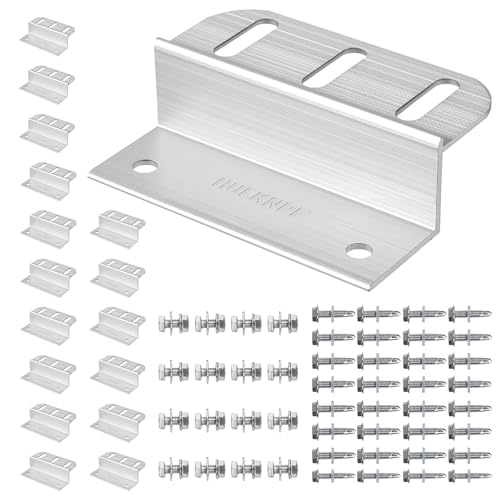
Durable & Wind-Resistant Build: Crafted from corrosion-resistant aluminum alloy, these heavy-duty Z brackets provide long-lasting, stable performance and withstand high winds for outdoor solar installations.

Reliable & Multi-Functional: Torsion-resistant and corrosion-resistant, these solar panel mounting brackets provide high stability and precise manufacturing, making them ideal for secure attachment of photovoltaic and solar modules. The tilt angle can be adjusted from 0-90° without tools
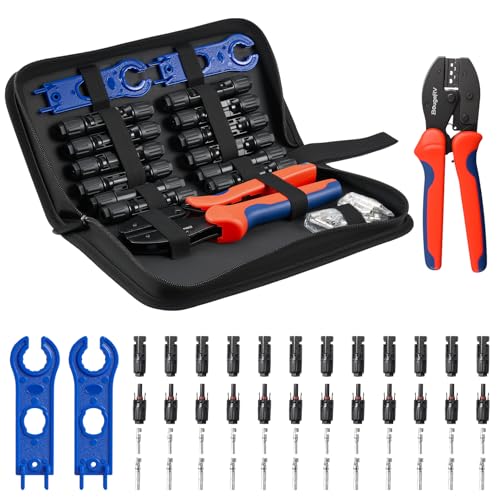
Complete Tool Kit: This complete BougeRV solar crimping tool kit includes a wire crimper, 2 spanners, a convenient carrying case and 12 pairs of standard pv connectors. Great for beginners and experienced installers
Claiming Tax Credits for Residential Solar Panels
Claiming tax credits for installing residential solar panels can significantly reduce the overall cost of the project, making it a more financially viable option for homeowners. The federal government provides a tax credit of up to 26% of the total solar panel cost, which can be claimed by homeowners who have installed solar panels in their primary residence.
In addition to the federal tax credit, some states offer their own tax incentives, rebates, and financing options that can further reduce the cost of solar panel installation.
While the financial benefits of claiming tax credits for solar panel installation are clear, it’s important to remember the environmental benefits as well. By installing solar panels, homeowners can reduce their carbon footprint and contribute to a cleaner, more sustainable future.
Solar panel installation also increases the value of a home, making it a smart long-term investment. Homeowners who install solar panels can expect to save money on their energy bills in the long run, as solar panels generate electricity from a free and renewable source: the sun.
If you’re considering installing solar panels in your home, it’s important to do your research and understand the tax credits and financing options available to you. By taking advantage of these incentives, you can significantly reduce the overall cost of solar panel installation and enjoy the financial and environmental benefits of this renewable energy source.
Contact a reputable solar panel installer in your area to learn more about your options and start reaping the rewards of solar panel installation today.

【Efficient Performance】This Starter Kit can generate an average of 500Wh of electricity per day (varies with sunlight). The solar panel boasts a 22.5% cell efficiency, 1.3% higher than other counterparts. Each panel dispatched from our facility undergoes 100% EL testing, ensuring that your panel is completely free from any hidden cracks.


【High Conversion Rate】This 20W solar panel with monocrystalline A+ solar cell has an excellent cell efficiency of 21%-30%. Designed to charge and maintain 12V rechargeable batteries like LiFePO₄, Lithium Ion, AGM, SLA, GEL, EFB, MF, etc. Keep batteries in charged for trailer, tractor, truck, boat, motorcycle, RV, car, lawn mower, water pump, gate opener, electric fence, etc
Claiming Tax Credits for Commercial Solar Panels
If you’re a business owner looking to reduce your energy costs and environmental impact, installing commercial solar panels can provide you with a long-term solution. You’ll not only be able to generate your own electricity, but you’ll also be able to take advantage of financial benefits in the form of tax credits.
The federal government offers a tax credit of up to 26% of the cost of installation for commercial solar panels. This can be a smart investment for your business, allowing you to save money on your energy bills and make a positive impact on the environment.
In addition to the financial benefits, installing commercial solar panels can also have a positive impact on the environment. By generating your own electricity, you’ll be reducing your reliance on fossil fuels and decreasing your carbon footprint. This can be a great selling point for customers who are environmentally conscious and may be more likely to support your business as a result.
If you’re interested in installing commercial solar panels, be sure to consult with a professional to determine the best course of action for your business.

Household & Commercial High-Reach Cleaning – Designed for both professional and home use, this powerful but lightweight telescopic pole system delivers safer, faster, and more efficient high-altitude cleaning for windows, gutters, storefronts, solar panels, and multi-story buildings — eliminating the need for ladders and reducing risk.
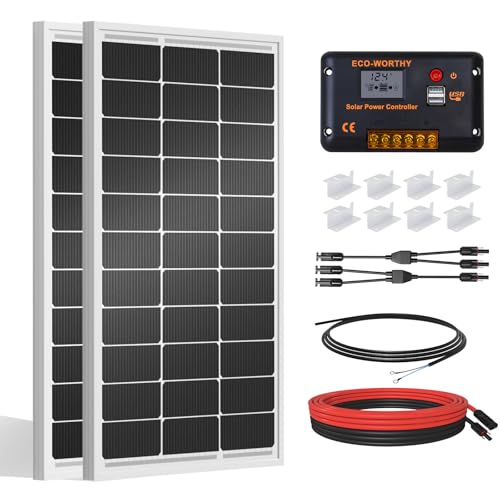
[Wide Application]: Daily Output 800wh/day under 4 hours full sunshine condition. Perfect for RV, Caravan, Marine, Camper, Electric scooter, Golf Carts, Power wheels, Trolling motor, Tool trailer, Backup power supply for cabin shed home etc.
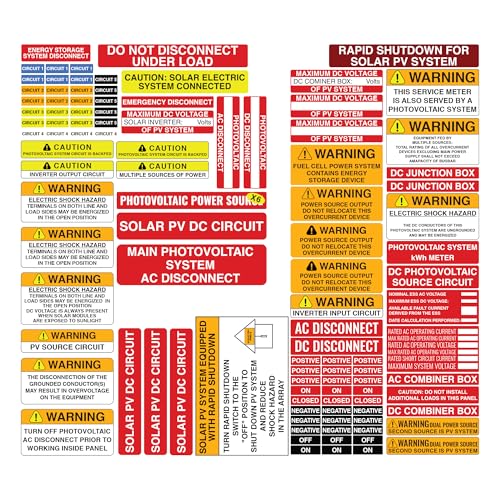
Quality Printing: This pv label kit features clear, high-contrast printing to ensure critical solar safety information is easy to read and instantly recognizable. Each solar labels sticker is designed to provide professional warning identification for photovoltaic systems
Tips for Maximizing Your Solar Panel Tax Credits
Looking to get the most out of your investment in commercial solar panels? Check out these tips for maximizing your tax credits!
By reducing costs and exploring the long-term benefits of solar panels, you can get the most bang for your buck. One way to reduce costs is to take advantage of tax credits and incentives offered by the government. For instance, the federal government offers a 26% Investment Tax Credit (ITC) for commercial solar panel systems installed before December 31, 2022.
Another way to maximize your tax credits is to explore the economics of solar panels. While the initial cost of installing solar panels may seem daunting, the long-term benefits far outweigh the upfront costs. Solar panels can save your business money on utility bills and reduce your reliance on traditional energy sources.
In addition, solar panels can increase the value of your commercial property and attract eco-conscious customers. By investing in solar panels, you are not only reducing your carbon footprint but also contributing to sustainable living.
Overall, investing in commercial solar panels is a smart move for any business looking to reduce costs and contribute to sustainable living. By taking advantage of tax credits and exploring the long-term benefits of solar panels, you can make the most of your investment.
So, what are you waiting for? Start exploring the economics of solar panels and take the first step towards eco-friendly energy today!
Conclusion
Congratulations! You’ve made it to the end of our guide on understanding tax credits for solar panel installation. By now, you should have a better understanding of the eligibility requirements for claiming tax credits, the different types of tax credits available, and how to claim tax credits for both residential and commercial solar panels.
Remember, claiming tax credits for solar panel installation can’t only help you save thousands of dollars on your energy bills but also help contribute to a cleaner and more sustainable future.
So, if you’re considering installing solar panels, make sure to do your research and take advantage of these tax credits to maximize your savings.
With these tips, you’ll be on your way to a brighter, more energy-efficient future.
Enjoying our content? Make us a preferred source on Google.
Add us as a Preferred Source on Google