
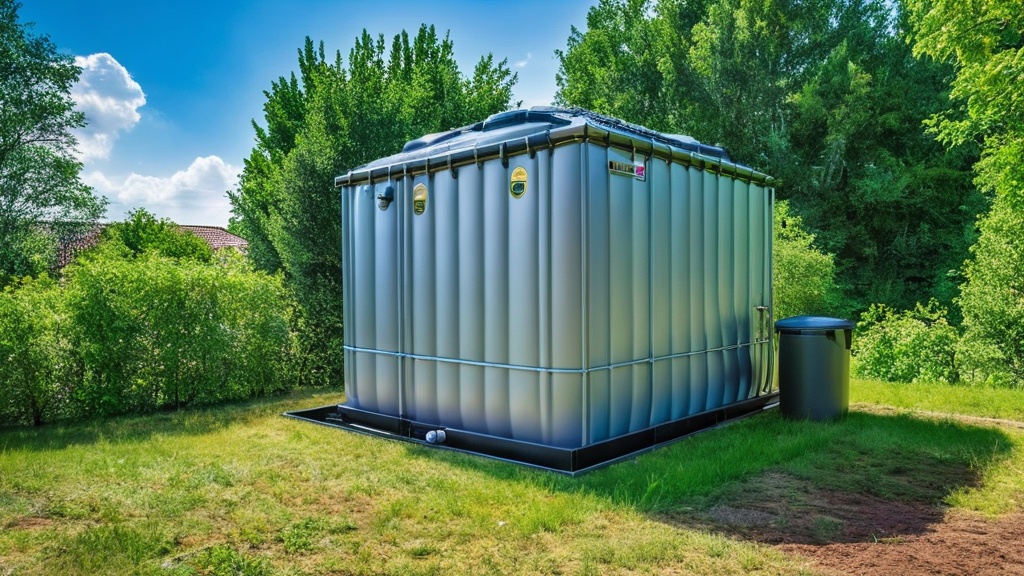
Rainwater harvesting refers to the collection and storage of rainwater for various uses. This practice has been around for centuries, with ancient civilizations employing simple techniques to capture and utilize rainwater. In modern times, the concept has gained renewed interest as communities seek sustainable solutions to water scarcity and environmental challenges. We can collect rainwater from rooftops, paved surfaces, or other catchment areas, directing it into storage systems for later use.
The process involves several components, including catchment surfaces, conveyance systems, storage tanks, and filtration systems.
Catchment surfaces, typically roofs, play a vital role in collecting rainwater.
Conveyance systems, such as gutters and downspouts, transport the water to storage tanks. Proper filtration ensures that the collected water remains clean and safe for use. With a growing awareness of water conservation, rainwater harvesting presents an effective way to supplement traditional water sources.
For those interested in sustainable practices, exploring rainwater harvesting can be a great starting point. A related article that delves into community efforts for sustainability is “The Power of Community: How to Start a Zero Waste Group.” This piece offers insights into how collective action can enhance eco-friendly initiatives, making it a valuable read for anyone looking to expand their knowledge on environmental stewardship. You can check it out here: The Power of Community: How to Start a Zero Waste Group.
Key Takeaways
- Rainwater harvesting is the collection and storage of rainwater for later use, typically for irrigation, domestic use, or replenishing groundwater.
- The benefits of rainwater harvesting include reducing water bills, conserving groundwater, and reducing stormwater runoff and erosion.
- To start rainwater harvesting, you can begin by installing a simple rain barrel or cistern to collect rainwater from your roof.
- There are various rainwater harvesting systems available, including rooftop collection, surface water collection, and groundwater recharge systems.
- When choosing the right rainwater harvesting system for your home, consider factors such as your water needs, available space, and local regulations.
Benefits of Rainwater Harvesting
Implementing rainwater harvesting offers numerous advantages for both individuals and communities. One of the most notable benefits is the reduction in reliance on municipal water supplies. As we collect rainwater, we decrease the demand on local water systems, which can help alleviate pressure during droughts or peak usage periods. This practice not only conserves water but also promotes self-sufficiency in managing our water resources.
Cost savings represent another significant benefit of rainwater harvesting. By utilizing collected rainwater for irrigation, toilet flushing, and other non-potable uses, we can lower our water bills. In regions where water costs are high or where water scarcity is a concern, this practice can lead to substantial financial savings over time. Additionally, rainwater harvesting can contribute to improved stormwater management. Capturing rainwater reduces runoff, which can help prevent flooding and erosion while promoting groundwater recharge.
How to Start Rainwater Harvesting
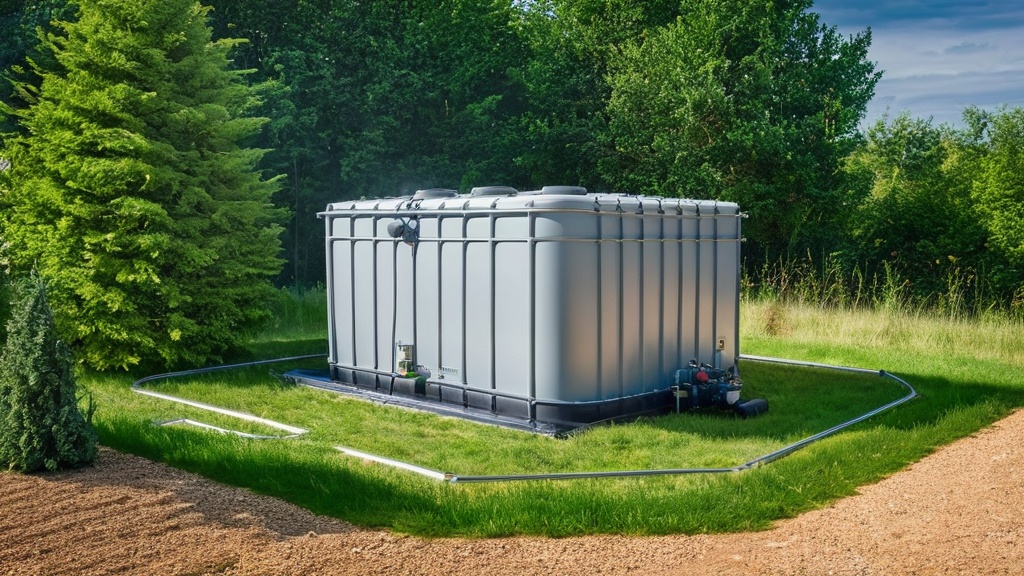
Starting a rainwater harvesting system requires careful planning and consideration of various factors. First, we must assess our specific needs and goals for collecting rainwater.
Understanding how much water we require for irrigation, household use, or other purposes will guide our design choices.
Next, we should evaluate our property to determine the best catchment area. Roofs with clean surfaces and adequate slope are ideal for maximizing water collection.
Selecting appropriate storage solutions is another critical step in the process. Storage tanks come in various sizes and materials, including plastic, metal, and concrete. We must consider factors such as available space, budget, and intended use when choosing a tank. Once we have established our catchment area and storage solution, we can install gutters and downspouts to direct rainwater into the tank. Proper filtration systems should be integrated to ensure that the collected water remains clean and safe for use.

50-Gallon Capacity: Provides ample storage for harvested rainwater, ideal for watering gardens, lawns, and plants.

Rainwater Harvesting Systems
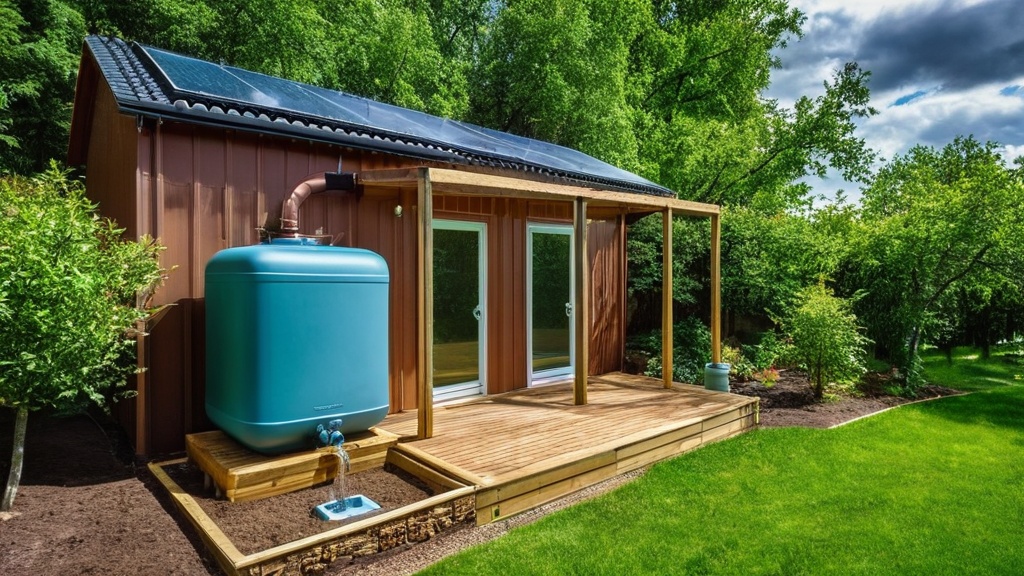
Various types of rainwater harvesting systems exist to suit different needs and preferences. A simple system may consist of a roof catchment area connected to a storage tank via gutters and downspouts. This basic setup can effectively collect rainwater for irrigation or other non-potable uses. More advanced systems may include additional components such as pumps, filtration units, and treatment systems to make the water suitable for drinking.
We can categorize rainwater harvesting systems into two main types: passive and active systems. Passive systems rely on gravity to move water from the catchment area to storage tanks without mechanical assistance. Active systems incorporate pumps and other mechanical devices to facilitate water movement and distribution. Each type has its advantages and disadvantages, depending on factors such as budget, available space, and intended use.
If you’re interested in learning more about sustainable practices, you might find an insightful article on eco-friendly home products particularly useful. This resource offers a variety of options that can complement your rainwater harvesting efforts and enhance your overall commitment to sustainability. To explore these products, check out this article that highlights top choices for creating a more eco-conscious living space.

50-Gallon Capacity: Provides ample storage for harvested rainwater, ideal for watering gardens, lawns, and plants.
Choosing the Right Rainwater Harvesting System for Your Home
| Metrics | Data |
|---|---|
| Water Harvesting System Cost | 500 – 3000 |
| Water Harvesting System Size | 100 – 1000 gallons |
| Roof Area Needed | 100 – 1000 square feet |
| Water Harvesting Benefits | Conserves water, reduces runoff, saves money |
Selecting the right rainwater harvesting system requires careful consideration of several factors. First, we should evaluate our specific needs regarding water usage. Understanding how much water we require for irrigation, household tasks, or other purposes will help us determine the appropriate system size and complexity. Additionally, we must consider our local climate and rainfall patterns to estimate potential water collection.
Budget constraints play a significant role in our decision-making process as well. Various systems come with different price points based on their complexity and features. We should weigh the initial investment against potential long-term savings on water bills and maintenance costs. Consulting with local experts or organizations specializing in rainwater harvesting can provide valuable insights into the best options available for our specific circumstances.

Saving Water Bills: This 53-gallon (201 L) collapsible rain barrel meets home and garden needs, reducing reliance on tap water. It can cut water bills by about 20%-30%, making water use easier and more sustainable for daily life

HOLDS 60 GALLONS: Captures ample rainwater to conserve resources and supports a sustainable lifestyle

This rainwater harvesting design is for everyone who collects and stores rain. Great for anyone with a system for stormwater runoff containment to use for irrigation, flushing toilets, washing clothes and cars, or as drinking water.
Maintenance and Upkeep of Rainwater Harvesting Systems
Regular maintenance is essential for ensuring the efficiency and longevity of our rainwater harvesting systems. We must routinely inspect gutters and downspouts for debris accumulation that could obstruct water flow. Cleaning these components helps maintain optimal performance during rainfall events. Additionally, checking storage tanks for leaks or damage is crucial to prevent contamination or loss of collected water.
Filtration systems require attention as well. Depending on the type of filter used, we may need to replace or clean them periodically to ensure they function effectively. Monitoring water quality is vital for any system that collects rainwater intended for potable use. Conducting regular tests can help identify any potential issues early on, allowing us to address them promptly.
Tips for Maximizing the Benefits of Rainwater Harvesting
To maximize the benefits of our rainwater harvesting systems, we can implement several strategies that enhance efficiency and effectiveness. First, optimizing our catchment area can significantly increase water collection potential. Regularly cleaning roofs and gutters ensures that debris does not hinder water flow into storage tanks.
Utilizing collected rainwater wisely is equally important. We can prioritize non-potable uses such as irrigation or toilet flushing to conserve municipal water supplies effectively. Implementing smart irrigation techniques can further enhance our water conservation efforts by ensuring that plants receive adequate moisture without waste.
Embracing Rainwater Harvesting for a Sustainable Future
Embracing rainwater harvesting represents a proactive approach to addressing water scarcity and promoting sustainability in our communities. As we adopt this practice, we contribute to conserving valuable resources while reducing our environmental impact. The benefits extend beyond individual households; communities that implement widespread rainwater harvesting initiatives can experience improved stormwater management and enhanced resilience against climate change.
As we move forward into an uncertain future regarding water availability, adopting innovative solutions like rainwater harvesting becomes increasingly important. Together, we can create a more sustainable future by harnessing nature’s resources responsibly while fostering a culture of conservation within our communities.
FAQs
What is rainwater harvesting?
Rainwater harvesting is the collection and storage of rainwater for later use. This can be done through various methods such as collecting rainwater from rooftops, storing it in tanks or barrels, and using it for irrigation, flushing toilets, or other non-potable uses.
Why is rainwater harvesting important?
Rainwater harvesting helps to conserve water, reduce stormwater runoff, and decrease the demand on traditional water sources. It also helps to mitigate the effects of drought and can provide a sustainable source of water for both residential and commercial use.
What are the benefits of rainwater harvesting?
The benefits of rainwater harvesting include reduced water bills, decreased strain on municipal water supplies, and the ability to maintain a green landscape during dry periods. It also helps to reduce erosion and pollution from stormwater runoff.
How can I start rainwater harvesting at home?
To start rainwater harvesting at home, you can begin by installing a rain barrel or cistern to collect rainwater from your roof. You will also need to ensure proper filtration and storage to maintain water quality. It’s important to check local regulations and obtain any necessary permits before installing a rainwater harvesting system.
Are there any drawbacks to rainwater harvesting?
Some potential drawbacks to rainwater harvesting include the initial cost of installing a system, the need for regular maintenance to ensure water quality, and the limited capacity of storage tanks. Additionally, in areas with heavy pollution, the collected rainwater may not be suitable for all uses without extensive filtration.
Enjoying our content? Make us a preferred source on Google.
Add us as a Preferred Source on Google