
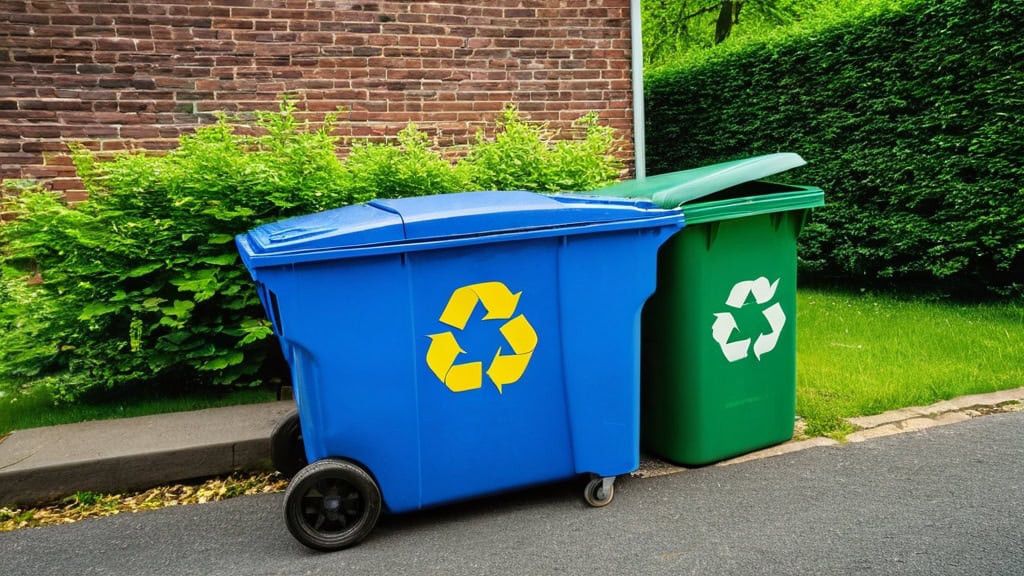
Recycling represents a fundamental practice that contributes to environmental sustainability. At its core, recycling involves the process of collecting and processing materials that would otherwise be discarded as waste. Instead of ending up in landfills, recyclable materials are transformed into new products, thereby conserving natural resources and reducing pollution. This practice not only helps in minimizing the volume of waste but also plays a vital role in conserving energy. When we recycle, we reduce the need for raw materials, which often require extensive energy to extract and process.
The concept of recycling extends beyond merely tossing items into a bin. It encompasses a comprehensive system that includes collection, sorting, processing, and manufacturing. Understanding this cycle allows us to appreciate the impact our actions have on the environment. Each time we choose to recycle, we contribute to a larger movement aimed at fostering a sustainable future. Awareness of the recycling process empowers us to make informed decisions about our waste and encourages responsible consumption habits.
For those interested in enhancing their recycling efforts at home, understanding the broader context of sustainable practices can be incredibly beneficial. A related article that delves into the distinctions between green development and sustainable development is available at this link: What is the Difference Between Green Development and Sustainable Development?. This resource provides valuable insights that can complement your recycling knowledge and help you make more informed choices for a greener lifestyle.
Key Takeaways
- Recycling is the process of converting waste materials into new products to prevent the waste of potentially useful materials.
- Recyclables should be sorted and separated into categories such as paper, plastic, glass, and metal to ensure proper recycling.
- Items such as plastic bags, food-contaminated items, and certain types of plastic and glass cannot be recycled and should be disposed of properly.
- Hazardous waste such as batteries, electronics, and chemicals should be disposed of at designated collection centers to prevent environmental harm.
- Efficient recycling at home can be achieved by reducing waste, reusing items, and properly sorting recyclables for collection.
Sorting and Separating Recyclables
Sorting and separating recyclables is a crucial step in the recycling process. Properly categorizing materials ensures that they can be processed efficiently and effectively. When we take the time to sort our recyclables, we help prevent contamination, which can render entire batches of materials unusable. For instance, mixing food waste with paper products can lead to significant challenges during processing. By keeping recyclables clean and separated, we enhance the overall efficiency of recycling programs.
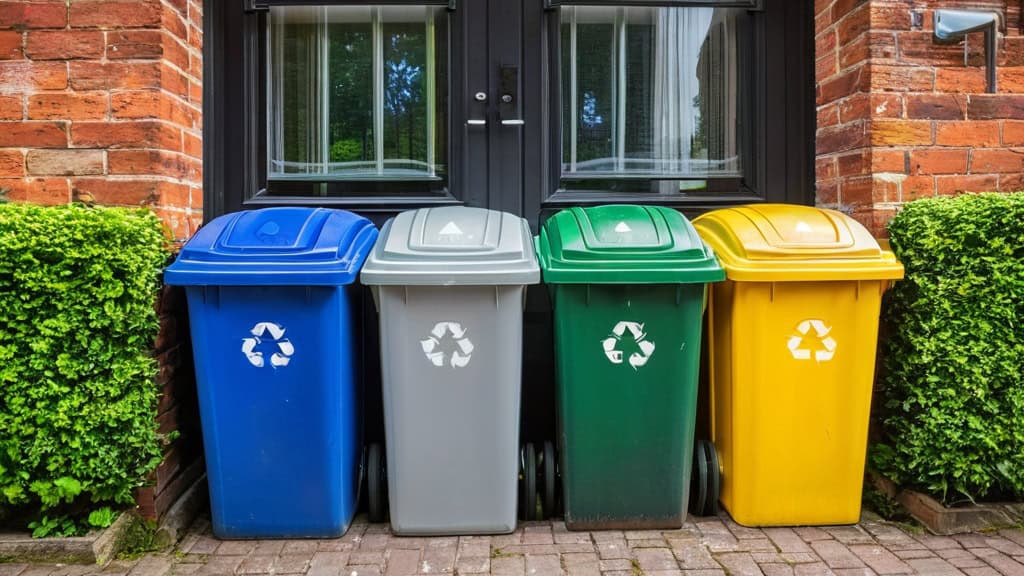
Establishing a sorting system at home can simplify this task. Designating specific bins for different materials such as paper, plastics, metals, and glass allows us to streamline the recycling process. Labeling these bins clearly can further aid in maintaining organization. Involving family members in this practice fosters a collective sense of responsibility towards recycling. As we work together to sort our recyclables, we cultivate an environment that values sustainability and encourages mindful consumption.

Complete Recycling Learning Set: Includes sorting bins, classification cards, colorful sorting pieces, scoops, pompoms and activity accessories. This educational set supports hands-on recycling, sorting and early learning activities for classrooms and homeschool environments.

MULTI-PURPOSE: Please insert black plastic stripes under the handles. Those actually keep bags in shape and you have to insert them before use.It is not only recycle bin, but also laundry basket. The color of the indoor recycle bag is composed of pink, gray and light green. It is very natural and coordinated. Spacious 3 compartments allow you to neatly organize all recycling waste,great for kitchen, home, office, garages. Their easy care makes them a great choice for garden clean up or waste bins

Complete Earth Day Recycling Activity Set:This recycling activity kit includes 5 trash can cards, 5 sorting boxes, 120 waste sorting cards, and 2 pull back cars. It creates an interactive Earth Day recycling game that helps demonstrate the process of waste sorting and environmental responsibility
What Can and Cannot Be Recycled
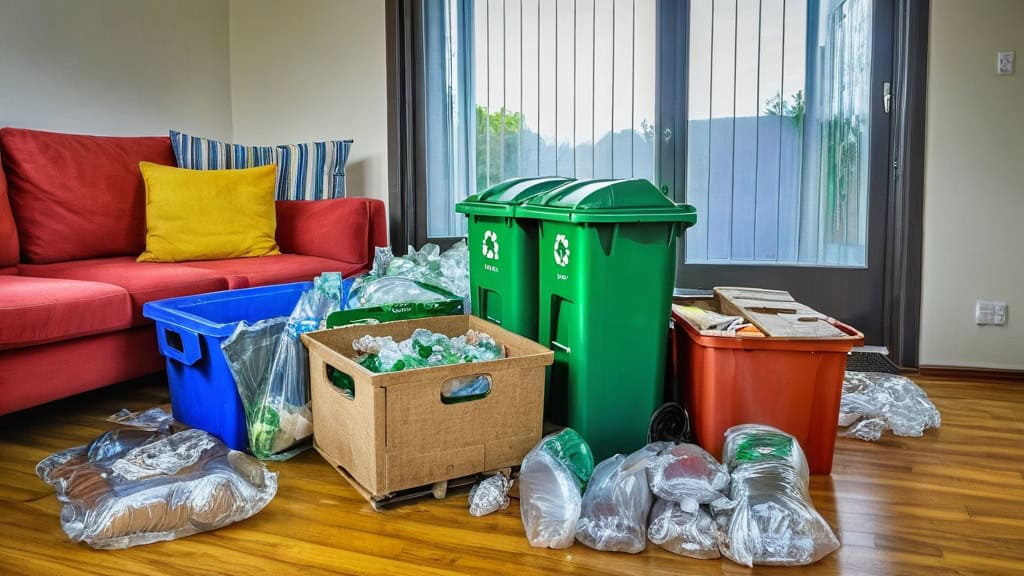
Understanding what can and cannot be recycled is essential for effective participation in recycling programs. Common recyclable materials include paper, cardboard, certain plastics, glass bottles, and aluminum cans. Each of these materials has specific guidelines regarding their preparation for recycling. For example, rinsing out food containers before placing them in the recycling bin prevents contamination and ensures they are accepted by recycling facilities.
Conversely, some items cannot be recycled due to their composition or contamination issues. Items such as greasy pizza boxes, plastic bags, and certain types of polystyrene foam often end up in landfills because they complicate the recycling process. Familiarizing ourselves with local recycling guidelines can help us make informed decisions about what to recycle. Many communities provide resources that outline acceptable materials, making it easier for us to contribute positively to recycling efforts.
Proper Disposal of Hazardous Waste
Proper disposal of hazardous waste is a critical aspect of environmental stewardship. Hazardous materials include items such as batteries, paints, chemicals, and electronic waste. Disposing of these items improperly can lead to severe environmental consequences, including soil and water contamination. Understanding the risks associated with hazardous waste emphasizes the importance of following local regulations for disposal.
Many communities offer designated collection events or drop-off locations for hazardous waste. Participating in these programs ensures that harmful substances are handled safely and responsibly. Educating ourselves about the potential dangers of hazardous waste encourages us to seek out proper disposal methods rather than resorting to careless disposal practices. Taking proactive steps in this area not only protects our environment but also promotes public health.
If you’re looking to enhance your recycling efforts at home, you might find it helpful to explore the benefits of using non-toxic cleaning products. These products not only contribute to a healthier environment but also align with sustainable living practices. For more information on this topic, check out this insightful article on switching to non-toxic cleaning products. By making small changes in your household, you can significantly reduce your ecological footprint while ensuring that your recycling habits are effective and responsible.
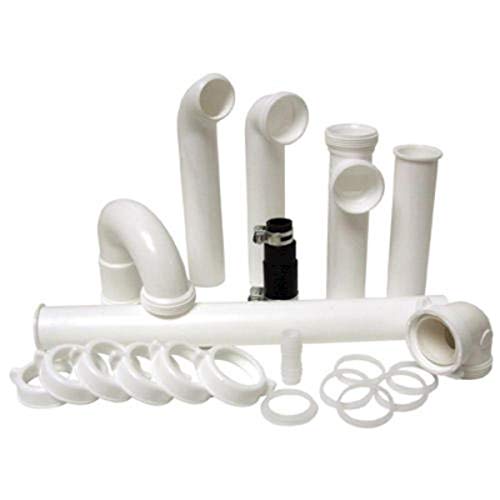
INCLUDES EVERYTHING YOU NEED TO INSTALL A GARBAGE DISPOSAL

The Aerosolv system safely converts spent aerosol cans from solid hazardous waste to a non-hazardous material

Country Of Origin: United States
Tips for Efficient Recycling at Home
| Item | Recycling Bin | Trash Bin |
|---|---|---|
| Glass Bottles | Yes | No |
| Plastic Bottles | Yes | No |
| Paper | Yes | No |
| Aluminum Cans | Yes | No |
| Cardboard | Yes | No |
| Plastic Bags | No | Yes |
Implementing efficient recycling practices at home can significantly impact our overall waste management efforts. One effective strategy involves creating a designated recycling station within our living space. This station should be easily accessible and equipped with clearly labeled bins for different materials. Having a dedicated space encourages consistent recycling habits and makes it easier for everyone in the household to participate.
Another helpful tip is to stay informed about local recycling guidelines and updates. Recycling rules can vary by location, so keeping abreast of any changes ensures that we remain compliant with local regulations. Additionally, educating family members about the importance of recycling fosters a culture of sustainability within the home. Engaging in discussions about the benefits of recycling can inspire everyone to take an active role in reducing waste.

The Perfect Solution: Looking for a way of creating a functional and effective recycling system in your home or office? Tired of always using poor quality waste bags or improvisations in order to sort your waste? The ANUANT garbage cans for kitchen are an excellent choice for any modern living space!

Discover the IDEAL SYSTEM by colors and simple drawings to separate garbage into different materials such as paper, cardboard, plastic, metal, and glass, thus facilitating the recycling process with our practical recycling organizer.

6-Gallon Combined Capacity: Two 3 gallon bins latch together for 6 gallons of combined capacity, sized for everyday desk-side waste and recycling without crowding the floor
Creative Ways to Repurpose Items
Repurposing items offers an exciting opportunity to extend the life of products while reducing waste.
Instead of discarding items that may no longer serve their original purpose, we can explore creative ways to give them new life.
For instance, glass jars can be transformed into stylish storage containers or decorative vases with minimal effort.
Old t-shirts can be turned into reusable shopping bags or cleaning rags, showcasing our creativity while promoting sustainability.
Engaging in repurposing projects not only benefits the environment but also provides a sense of accomplishment. Crafting unique items from discarded materials allows us to express our creativity while making a positive impact on our surroundings. Sharing these projects with friends and family can inspire others to think outside the box when it comes to waste reduction. Together, we can cultivate a culture that values resourcefulness and innovation.
The Importance of Reducing and Reusing
Reducing and reusing represent two fundamental principles that complement recycling efforts. Prioritizing reduction means minimizing our consumption of resources in the first place. By making conscious choices about what we purchase and how much we use, we can significantly decrease the amount of waste generated. Simple actions such as opting for products with minimal packaging or choosing reusable items over single-use alternatives contribute to this goal.
Reusing items extends their lifespan and reduces the need for new products. Before discarding an item, we should consider whether it can be repaired or repurposed for another use. For example, glass containers can serve as food storage solutions or planters for small plants. Embracing a mindset focused on reducing and reusing encourages us to think critically about our consumption habits and fosters a more sustainable lifestyle.
Resources for Finding Recycling Centers and Programs
Accessing resources for finding recycling centers and programs is essential for effective participation in recycling initiatives. Many communities provide online directories or databases that list local recycling facilities along with their accepted materials. Utilizing these resources allows us to locate convenient drop-off points for recyclables or hazardous waste.
In addition to local government websites, nonprofit organizations often offer valuable information about recycling programs and initiatives within specific regions. Engaging with community groups focused on sustainability can provide insights into upcoming events or educational workshops related to recycling efforts. By actively seeking out these resources, we empower ourselves to make informed decisions about our waste management practices while contributing positively to our communities.
In conclusion, understanding the intricacies of recycling empowers us to make informed choices that benefit both our environment and society as a whole. By sorting recyclables properly, knowing what can be recycled, disposing of hazardous waste responsibly, implementing efficient practices at home, exploring creative repurposing ideas, prioritizing reduction and reuse, and utilizing available resources, we can collectively foster a culture of sustainability that resonates throughout our communities. Together, we have the power to create lasting change through our commitment to responsible waste management practices.
FAQs
What are the benefits of recycling at home?
Recycling at home helps to conserve natural resources, reduce pollution, save energy, and decrease the amount of waste sent to landfills. It also helps to create a more sustainable environment for future generations.
What items can be recycled at home?
Common items that can be recycled at home include paper, cardboard, glass bottles and jars, aluminum cans, steel cans, plastic bottles and containers, and certain types of electronics. It’s important to check with your local recycling program for specific guidelines on what can be recycled in your area.
How should I prepare recyclables for collection?
Recyclables should be rinsed clean of any food residue before being placed in the recycling bin. It’s also important to remove any non-recyclable materials, such as caps or lids, from items before recycling them.
What are some common mistakes people make when recycling at home?
Common mistakes include placing non-recyclable items in the recycling bin, not rinsing containers before recycling them, and not checking with local guidelines for specific recycling rules. It’s important to educate yourself on what can and cannot be recycled in your area.
What are some creative ways to recycle at home?
Creative ways to recycle at home include upcycling items into new products, composting organic waste, and donating gently used items to local charities or thrift stores. Additionally, participating in community recycling events and educating others about the importance of recycling can also make a positive impact.
Enjoying our content? Make us a preferred source on Google.
Add us as a Preferred Source on Google