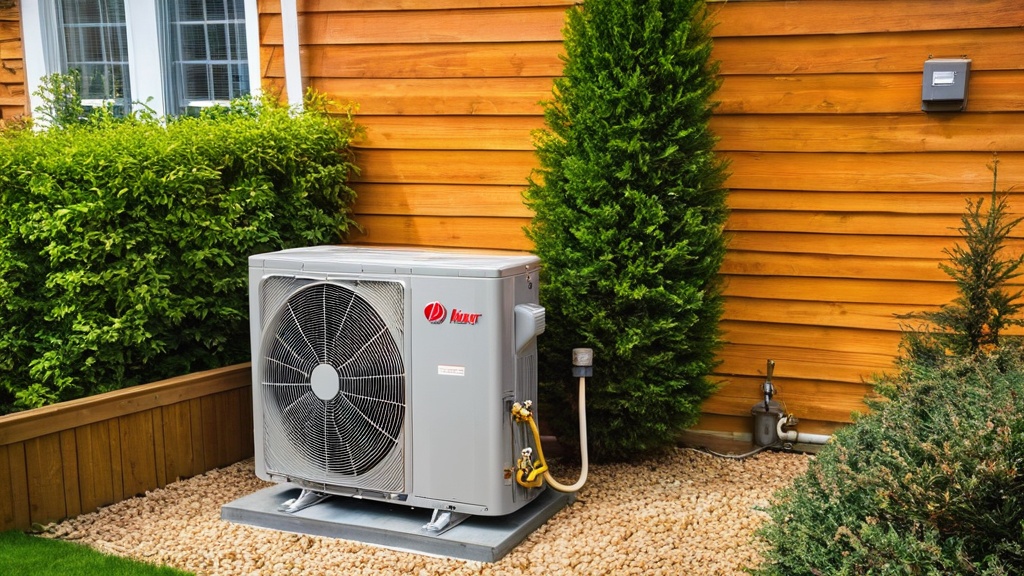
Heat pumps serve as versatile systems that provide both heating and cooling for residential spaces. Unlike traditional heating systems that generate heat, heat pumps transfer heat from one location to another. During colder months, they extract heat from the outside air or ground and move it indoors. Conversely, in warmer months, they reverse the process, removing heat from the indoor environment and releasing it outside. This dual functionality makes heat pumps an attractive option for homeowners seeking year-round climate control.
The benefits of heat pumps extend beyond their ability to provide comfort throughout the seasons. Energy efficiency stands out as a primary advantage. Heat pumps consume less electricity compared to conventional heating methods, such as electric resistance heaters or gas furnaces. This efficiency translates into lower utility bills, making heat pumps an economically sound choice over time. Additionally, many models qualify for energy efficiency rebates and incentives, further enhancing their appeal. Environmental considerations also play a role; heat pumps produce fewer greenhouse gas emissions than fossil fuel-based heating systems, contributing to a more sustainable future.
When preparing your home for a heat pump installation, it’s essential to consider the materials used in your home to ensure optimal efficiency and health. For insights on selecting safe and sustainable materials, you can refer to the article on the best non-toxic building materials for healthier homes. This resource can help you make informed choices that complement your heat pump system while promoting a healthier living environment. For more information, visit this article.
Key Takeaways
- Heat pumps are an energy-efficient heating and cooling solution that can save you money on your utility bills.
- Evaluate your home’s heating and cooling needs to determine if a heat pump is the right choice for you.
- Prepare your home’s electrical system to handle the power requirements of a heat pump installation.
- Choose the right location for your heat pump to ensure optimal performance and efficiency.
- Proper insulation and air sealing are essential for maximizing the efficiency of your heat pump.
Evaluating Your Home’s Heating and Cooling Needs
Assessing our home’s heating and cooling requirements is a critical step before installing a heat pump.
Various factors influence these needs, including the size of our living space, the number of occupants, and our local climate.
A thorough evaluation helps us determine the appropriate capacity for the heat pump, ensuring optimal performance and comfort. We can start by measuring the square footage of our home and considering the layout of each room.
Understanding how our home retains or loses heat is equally important. Factors such as window quality, insulation levels, and air leaks can significantly impact heating and cooling demands. Conducting an energy audit can provide valuable insights into these aspects. Professional auditors can identify areas where energy loss occurs, allowing us to make informed decisions about necessary upgrades or improvements before installing a heat pump.
Preparing Your Home’s Electrical System for a Heat Pump
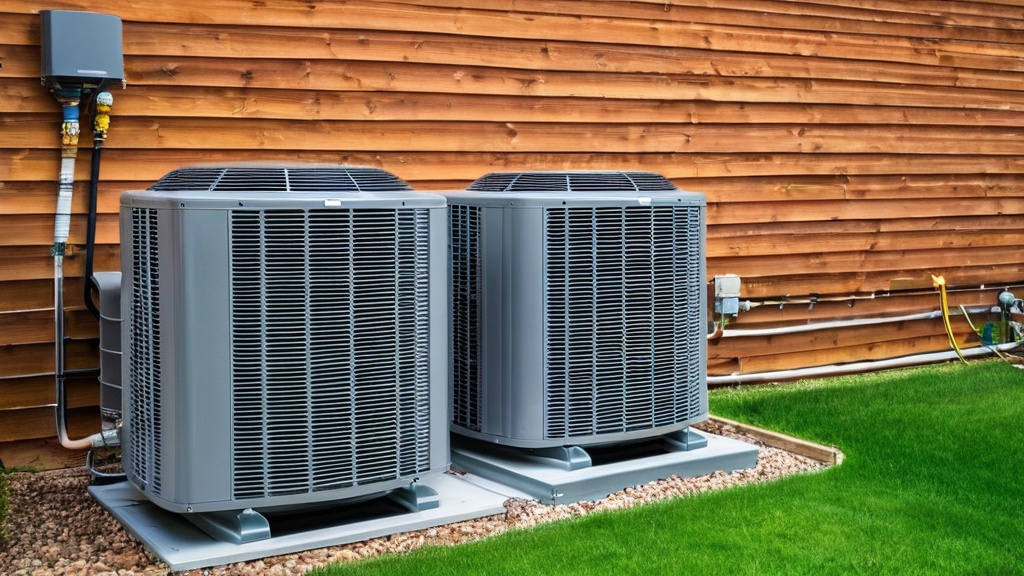
Before we proceed with the installation of a heat pump, preparing our home’s electrical system is essential. Heat pumps require a dedicated electrical circuit to operate efficiently and safely. Evaluating our current electrical panel ensures it can handle the additional load that a heat pump will impose. If our panel lacks sufficient capacity, upgrading it may be necessary to accommodate the new system.
In addition to assessing the electrical panel, we must consider the wiring throughout our home. Proper wiring gauge is crucial for optimal performance and safety. Consulting with a licensed electrician can help us determine if any modifications are needed to meet the requirements of the heat pump. Ensuring that our electrical system is up to code not only promotes safety but also enhances the longevity of the heat pump.

GENUINE OEM BREAKER — This offer includes one (1) authentic HOM230 30-Amp double-pole circuit breaker from Square D's trusted Homeline series. The robust thermal-magnetic mechanism is engineered for reliable dual-action protection, responding to both sustained low-level overcurrents and instantaneous high-current short-circuit events. This component is a factory-new, unused Original Equipment Manufacturer (OEM) part, ensuring full compatibility for 240V branch circuits.

AUTHENTIC OEM COMPONENT — This kit includes one (1) factory-new, unused, and authentic Original Equipment Manufacturer (OEM) Square D QO220 circuit breaker. The QO series is Square D's premium, professional-grade line of circuit protection. This component is sourced to deliver genuine Square D technology, known for its benchmark reliability and precise performance. Ideal for new construction, electrical system upgrades, or as a direct replacement part for existing Square D QO electrical systems, ensuring a perfect fit and function.

【Broad Compatibility】 This PCBDM133S defrost control board compatible with Goodman and Amana heat pumps as well as furnaces. It replaces OEM part numbers 1084-552,PCBDM133S, PCBDM133, PCBDM160S, and PCBDM160.
Choosing the Right Location for Your Heat Pump
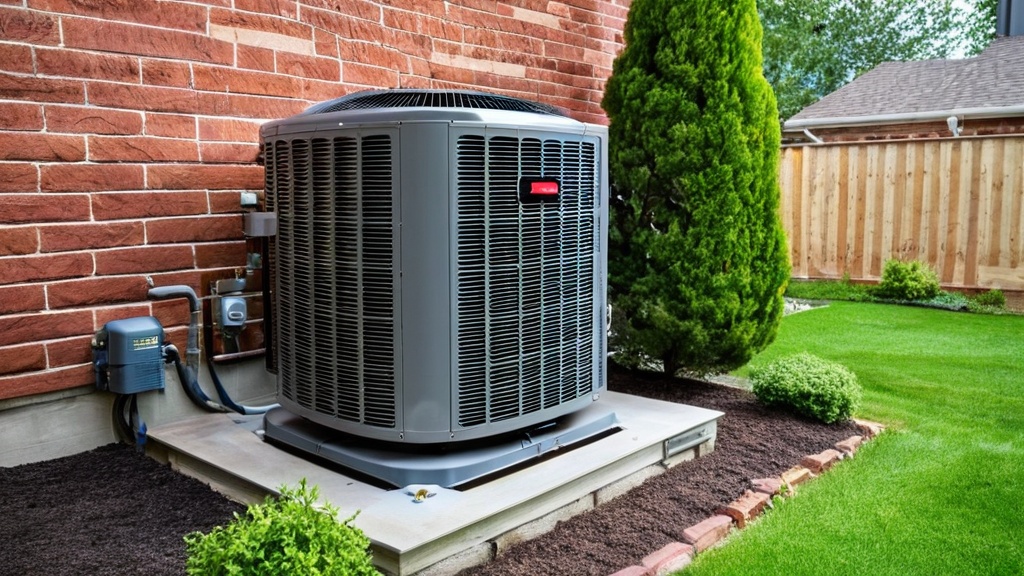
Selecting an appropriate location for our heat pump installation plays a vital role in its efficiency and effectiveness. Outdoor units require adequate space for airflow and maintenance access. Placing the unit on a stable surface, such as a concrete pad or gravel bed, helps prevent issues related to moisture accumulation and debris buildup. Additionally, positioning the unit away from direct sunlight can enhance its performance during hot summer months.
Indoor units also require careful consideration regarding placement. Ideally, they should be located in central areas of our home to facilitate even temperature distribution. Avoiding locations near obstructions, such as furniture or curtains, allows for optimal airflow. Consulting with HVAC professionals can provide valuable guidance on the best placement options based on our home’s layout and specific heating and cooling needs.
When considering how to prepare your home for a heat pump, it’s also beneficial to explore eco-friendly practices that can enhance your overall energy efficiency. One interesting approach is to incorporate sustainable gift-wrapping techniques, which not only reduce waste but can also inspire a more environmentally conscious lifestyle. For more insights on this topic, check out this article on stylish and sustainable gift-giving. By integrating these ideas, you can create a more energy-efficient home while promoting sustainability in other areas of your life.

The mini split pad air conditioner condenser pad is Width-18inch,Length-38inch,Height-3inch. Maximum Load Capacity: 1000 lbs.

PLASTIC EQUIPMENT PAD: Crafted from durable plastic, serving as an ideal mounting base for HVAC outdoor units and various outdoor equipment, providing stability and reliability in any environment

【Regarding The Metal Clips】The metal clips are only used for fixation when the mounting base are used alone. Expansion screws need to be purchased separately and fixed on the ground. When used as a complete set, there is no need to fix it with metal clips. Because the surface of the mini split pad has anti-slip texture and the bottom of the mounting base has rubber anti-slip strips, you just need to place the mounting base on the mini split pad, and it will not move. We offer 24/7 after-sales service and a 1-year warranty.
Ensuring Proper Insulation and Air Sealing
| Steps to Prepare Your Home for a Heat Pump |
|---|
| 1. Insulate your home to reduce heat loss |
| 2. Seal any air leaks in your home |
| 3. Ensure proper ventilation in your home |
| 4. Check and upgrade your electrical system if necessary |
| 5. Clear the area around the outdoor unit for proper airflow |
| 6. Schedule regular maintenance for your heat pump |
Achieving maximum efficiency from our heat pump hinges on proper insulation and air sealing throughout our home. Insulation acts as a barrier against heat loss in winter and heat gain in summer, allowing the heat pump to operate more effectively. Evaluating existing insulation levels in attics, walls, and crawl spaces helps identify areas that may require improvement.
Air sealing complements insulation by preventing drafts and air leaks that can undermine the performance of our heating and cooling systems. Common areas for air leaks include windows, doors, and electrical outlets. Sealing these gaps with weatherstripping or caulk can significantly enhance energy efficiency. Investing time in these improvements not only maximizes the effectiveness of our heat pump but also contributes to overall comfort within our living spaces.
Sizing and Installing Ductwork for Your Heat Pump
Proper sizing and installation of ductwork are critical components of an effective heat pump system. Ducts must be appropriately sized to ensure adequate airflow throughout our home. Oversized ducts can lead to inefficiencies, while undersized ducts may restrict airflow, resulting in uneven temperatures in different rooms.
When installing ductwork, we should consider both existing systems and potential modifications needed for optimal performance. In some cases, retrofitting existing ducts may be feasible; however, new ductwork may be necessary for homes without pre-existing systems. Collaborating with HVAC professionals can help us determine the best approach based on our specific needs and ensure that installation adheres to industry standards.
Setting Up a Maintenance Plan for Your Heat Pump
Establishing a maintenance plan is essential for prolonging the lifespan of our heat pump and ensuring its efficient operation. Regular maintenance tasks include cleaning or replacing filters, inspecting electrical connections, and checking refrigerant levels. Scheduling professional maintenance at least once a year allows trained technicians to identify potential issues before they escalate into costly repairs.
In addition to routine maintenance, we should remain vigilant about any unusual noises or changes in performance that may indicate underlying problems. Addressing these concerns promptly can prevent further damage and maintain optimal efficiency. Keeping a maintenance log helps us track service dates and any repairs performed, providing valuable information for future reference.
Maximizing Energy Efficiency with a Heat Pump
Maximizing energy efficiency with our heat pump involves adopting various strategies that complement its operation. Utilizing programmable thermostats allows us to set temperature schedules based on occupancy patterns, reducing energy consumption when we are away from home or sleeping.
Incorporating energy-efficient practices throughout our daily routines can further enhance savings. Simple actions such as closing curtains during hot days or using ceiling fans can help distribute conditioned air more effectively.
Additionally, taking advantage of off-peak electricity rates when running the heat pump can lead to significant cost savings over time.
In conclusion, understanding heat pumps and their benefits provides a solid foundation for making informed decisions about home heating and cooling solutions. Evaluating our home’s specific needs ensures that we select an appropriately sized system while preparing our electrical infrastructure supports safe operation. Choosing optimal locations for installation, ensuring proper insulation and air sealing, sizing ductwork correctly, establishing maintenance plans, and maximizing energy efficiency all contribute to creating a comfortable living environment while minimizing energy costs. With careful planning and execution, we can enjoy the many advantages that heat pumps offer for years to come.
FAQs
What is a heat pump?
A heat pump is a heating and cooling system that transfers heat between the indoors and outdoors, providing both heating and cooling for a home.
Why should I consider installing a heat pump in my home?
Heat pumps are energy-efficient, environmentally friendly, and can provide both heating and cooling, making them a versatile and cost-effective option for home comfort.
How can I prepare my home for a heat pump installation?
To prepare your home for a heat pump installation, you should ensure that your home’s insulation is adequate, seal any air leaks, and have your ductwork inspected for any necessary repairs or upgrades.
What maintenance is required for a heat pump?
Regular maintenance for a heat pump includes cleaning or replacing filters, clearing debris from outdoor units, and scheduling professional inspections and tune-ups at least once a year.
Are there any incentives or rebates available for installing a heat pump?
Many utility companies and government agencies offer incentives, rebates, or tax credits for installing energy-efficient heat pumps, so it’s worth researching available programs in your area.
Enjoying our content? Make us a preferred source on Google.
Add us as a Preferred Source on Google