
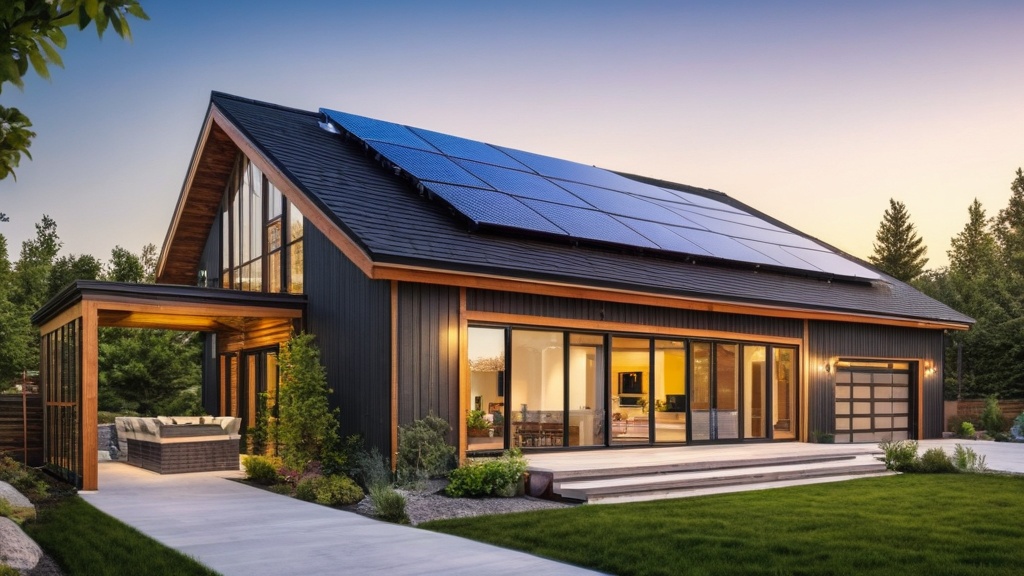
Net-zero homes represent a transformative approach to residential living, focusing on energy efficiency and sustainability. These homes generate as much energy as they consume over the course of a year, creating a balance that minimizes their environmental impact. The concept revolves around reducing energy consumption through advanced building techniques and materials while integrating renewable energy sources to meet the remaining energy needs. As we explore this innovative housing model, we uncover the benefits it offers not only to homeowners but also to the planet.
The design of a net-zero home typically incorporates high-performance insulation, energy-efficient windows, and airtight construction. Such features work together to reduce the amount of energy required for heating and cooling. Additionally, the use of smart home technology allows for better energy management, enabling us to monitor and control energy usage effectively. Understanding these fundamental principles lays the groundwork for anyone interested in pursuing a net-zero lifestyle.
When considering the journey towards a sustainable lifestyle, planning a net-zero home is just the beginning. To further enhance your eco-friendly living, you might find it beneficial to explore alternatives in everyday products, such as sustainable bathroom options. For instance, you can read about the advantages of using bamboo toilet paper in this informative article: Caboo Tree-Free Bamboo Toilet Paper Review. This resource provides insights into how choosing environmentally friendly products can complement your efforts in creating a net-zero home.
Key Takeaways
- Net-zero homes aim to produce as much energy as they consume, reducing environmental impact.
- Clear goal-setting is essential for planning and achieving net-zero energy targets.
- Budgeting and financing strategies help manage the costs of building and maintaining net-zero homes.
- Location choice influences energy efficiency and the effectiveness of renewable energy systems.
- Ongoing maintenance and monitoring ensure the home continues to perform at net-zero standards.
Setting Goals for Your Net-Zero Home
Establishing clear goals is vital when embarking on the path to creating a net-zero home.
We must first assess our current energy consumption patterns and identify areas where improvements can be made.
Setting specific, measurable, achievable, relevant, and time-bound (SMART) goals can guide us in this process. For instance, we might aim to reduce our energy consumption by a certain percentage within a specified timeframe or commit to using renewable energy sources for a significant portion of our energy needs.
In addition to energy efficiency goals, we should consider our lifestyle preferences and how they align with our vision for a net-zero home. Factors such as space requirements, aesthetic preferences, and community involvement can influence our objectives. By taking the time to define our goals clearly, we create a roadmap that will help us stay focused and motivated throughout the design and construction phases.
Budgeting and Financing for a Net-Zero Home
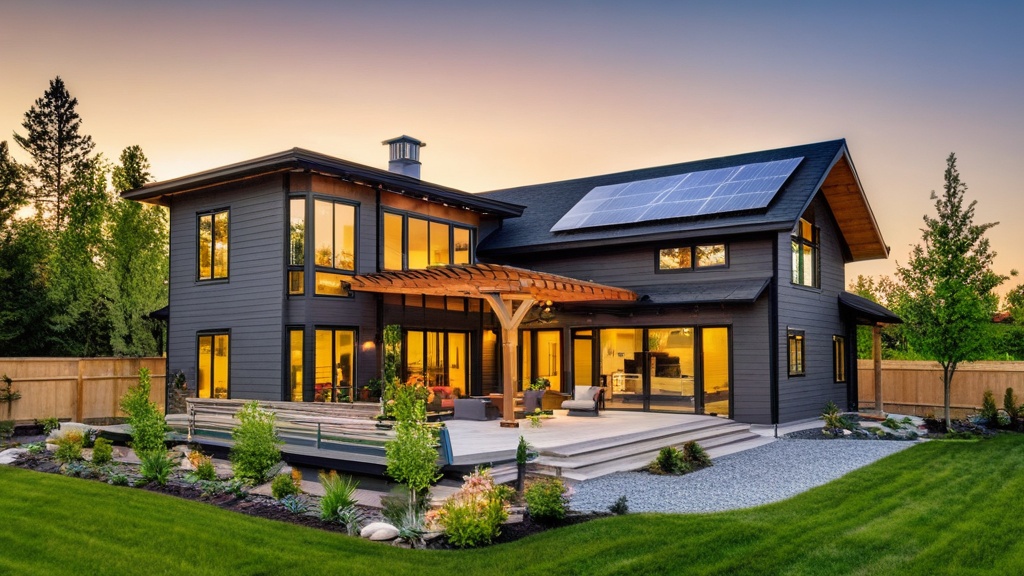
Financial planning plays a crucial role in the realization of a net-zero home. We must evaluate our budget carefully, considering both initial construction costs and long-term savings from reduced energy bills. While the upfront investment may be higher than traditional homes, the long-term benefits often outweigh these costs. Conducting a thorough cost-benefit analysis can help us understand the potential return on investment associated with energy-efficient features and renewable energy systems.
Exploring financing options is equally important. Various programs and incentives exist to support homeowners in their pursuit of net-zero living. Government grants, tax credits, and low-interest loans can significantly reduce the financial burden associated with building a net-zero home. Engaging with local financial institutions or green building organizations can provide valuable insights into available resources that align with our financial goals.
Choosing the Right Location for Your Net-Zero Home
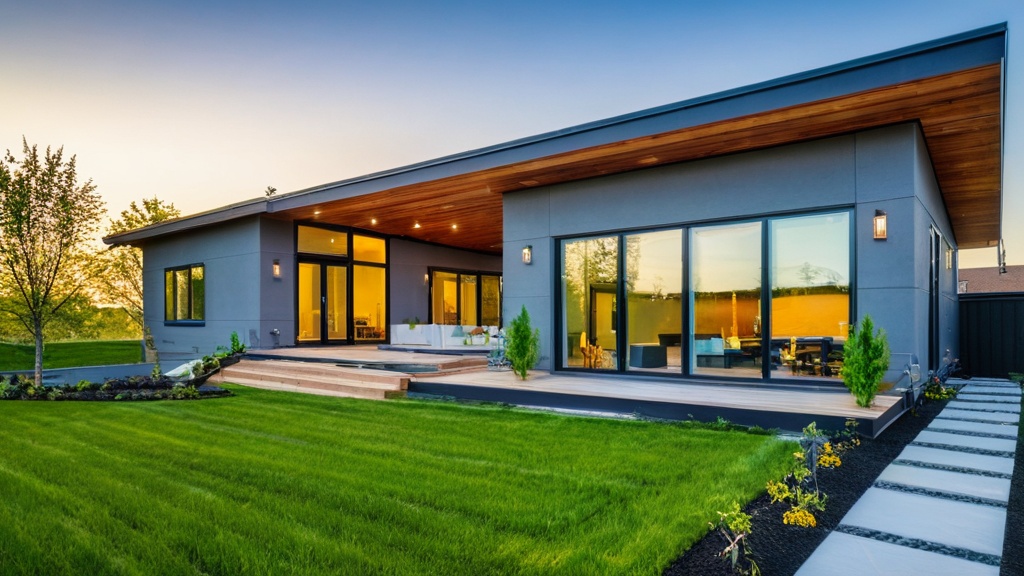
Selecting an appropriate location for our net-zero home is essential for maximizing its energy efficiency and sustainability.
Factors such as climate, topography, and proximity to resources can greatly influence our home’s performance.
For instance, building in an area with abundant sunlight allows us to harness solar energy effectively, while locations with strong winds may be ideal for wind energy systems.
We should also consider the surrounding community and its commitment to sustainability. Living in an area that prioritizes green initiatives can enhance our experience as net-zero homeowners. Access to public transportation, local markets, and green spaces can contribute to a more sustainable lifestyle overall. Evaluating these aspects will help us make informed decisions about where to build our dream net-zero home.
When considering how to embark on the journey of creating a net-zero home, it’s essential to explore various aspects of sustainable living. A helpful resource that delves into eco-friendly practices and tips can be found in this article on sustainable living. This guide provides insights that can complement your planning process, ensuring that your home not only meets energy efficiency goals but also aligns with broader environmental objectives.
Designing and Building Your Net-Zero Home
| Step | Key Actions | Estimated Impact | Considerations |
|---|---|---|---|
| 1. Site Assessment | Analyze sun exposure, wind patterns, and local climate | Optimizes passive solar heating and cooling | Location-specific; affects design and energy needs |
| 2. Energy Efficiency Design | Incorporate high-quality insulation, airtight construction, and energy-efficient windows | Reduces heating and cooling energy demand by up to 50% | Initial design costs may be higher but save energy long-term |
| 3. Renewable Energy Integration | Install solar panels, wind turbines, or geothermal systems | Can cover 100% of home energy needs | Depends on local renewable resource availability |
| 4. Water Conservation | Use rainwater harvesting and low-flow fixtures | Reduces water usage by up to 40% | Supports sustainability and reduces utility costs |
| 5. Material Selection | Choose sustainable, low-embodied energy materials | Minimizes carbon footprint of construction | May influence durability and maintenance needs |
| 6. Smart Home Technology | Implement energy monitoring and automated controls | Improves energy management and reduces waste | Requires user engagement and initial setup |
The design phase of a net-zero home is where creativity meets functionality. Collaborating with architects and builders who specialize in sustainable construction can lead to innovative solutions tailored to our specific needs. Incorporating passive design principles, such as optimal orientation for natural light and ventilation, can significantly reduce energy consumption while enhancing comfort.
During construction, selecting sustainable materials is paramount. Using locally sourced materials not only reduces transportation emissions but also supports local economies. Additionally, prioritizing materials with low embodied energy ensures that our home remains environmentally friendly from start to finish. As we move through this phase, maintaining open communication with our design and construction team will help us stay aligned with our vision.
Selecting Energy-Efficient Appliances and Systems
Choosing the right appliances and systems is critical in achieving net-zero status. Energy-efficient appliances consume less power while providing the same level of performance as their conventional counterparts. When selecting appliances, we should look for those with high Energy Star ratings or similar certifications that indicate superior efficiency.
In addition to appliances, investing in advanced heating, ventilation, and air conditioning (HVAC) systems can further enhance our home’s energy performance. Options such as heat pumps or geothermal systems offer efficient alternatives to traditional heating methods. Integrating smart technology into these systems allows us to monitor usage patterns and make adjustments as needed, ensuring optimal performance throughout the year.
Incorporating Renewable Energy Sources
Integrating renewable energy sources is a cornerstone of achieving net-zero status in our homes. Solar panels often take center stage in this endeavor due to their widespread availability and decreasing costs. Installing photovoltaic systems allows us to generate clean electricity while reducing reliance on fossil fuels.
Wind turbines present another viable option for harnessing renewable energy, particularly in areas with consistent wind patterns. Exploring other sources such as geothermal heating or biomass can further diversify our energy portfolio. Each renewable source contributes uniquely to our home’s overall energy balance, helping us achieve that coveted net-zero status.
Maintaining and Monitoring Your Net-Zero Home
Once we have established our net-zero home, ongoing maintenance and monitoring become essential components of sustaining its performance. Regular inspections of insulation, windows, and HVAC systems ensure that everything operates efficiently over time. Addressing any issues promptly can prevent energy loss and maintain comfort levels within the home.
Utilizing smart home technology allows us to track energy consumption patterns continuously. Monitoring tools provide insights into usage trends, enabling us to make informed decisions about when to conserve energy or adjust settings for optimal efficiency. By staying proactive in maintenance and monitoring efforts, we can enjoy the benefits of our net-zero home for years to come while contributing positively to the environment.
FAQs
What is a net-zero home?
A net-zero home is a residential building designed to produce as much energy as it consumes over the course of a year, typically through energy-efficient construction and renewable energy sources like solar panels.
Where should I begin when planning a net-zero home?
Start by assessing your site’s solar potential, climate, and local building codes. Then focus on designing an energy-efficient building envelope, selecting sustainable materials, and incorporating renewable energy systems.
What are the key design features of a net-zero home?
Key features include high levels of insulation, airtight construction, energy-efficient windows and doors, passive solar design, energy-efficient appliances, and renewable energy systems such as solar photovoltaic panels.
How can I finance the construction of a net-zero home?
Financing options may include green home loans, government incentives, tax credits, and rebates for energy-efficient building and renewable energy installations. It’s important to research local programs and consult with financial advisors.
What are the benefits of living in a net-zero home?
Benefits include significantly reduced energy bills, lower environmental impact, increased comfort, improved indoor air quality, and potential increases in property value. Net-zero homes also contribute to reducing greenhouse gas emissions.