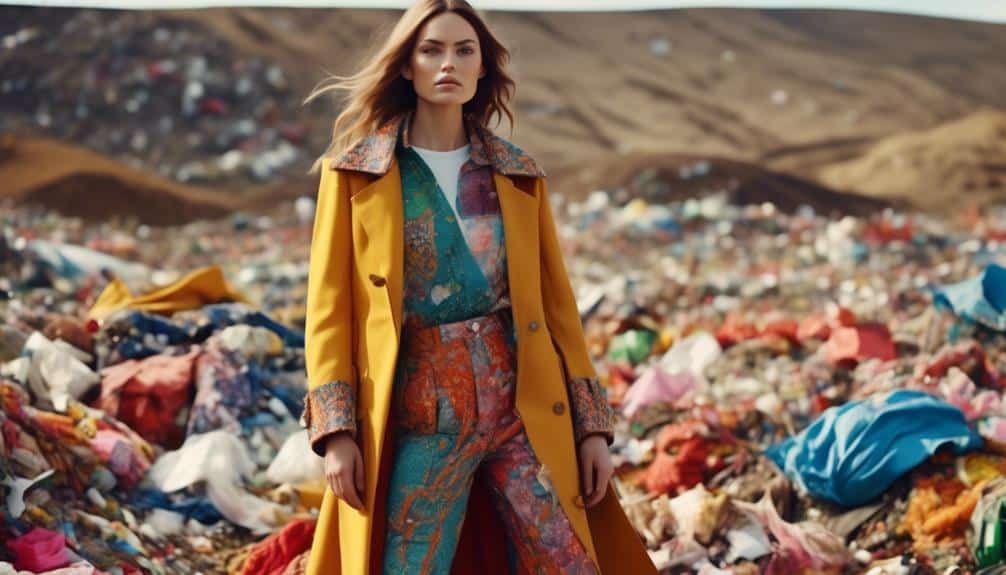
Are you tired of constantly buying new clothes that end up cluttering your closet?
Well, what if I told you that by transforming your wardrobe, you could actually save the planet? It may sound like an exaggeration, but it's true.
By embracing upcycled fashion, you not only breathe new life into old garments but also make a positive impact on the environment. And the best part? You can still look stylish while doing it.
But how exactly does upcycling work, and what are the benefits? Well, I'm here to tell you all about it, so get ready to discover a whole new world of sustainable fashion that will leave you excited and inspired.
Key Takeaways
- Upcycled fashion is the process of transforming old or discarded materials into something new and valuable, preventing them from ending up in landfills.
- Upcycled clothing ideas include repurposing old t-shirts, jeans, skirts, and accessories into new items such as halter tops, tote bags, headbands, and jewelry.
- Benefits of upcycled clothing include reducing waste in landfills, saving energy and resources, and supporting local artisans and small businesses.
- Sustainable fashion brands like Patagonia, Eileen Fisher, Reformation, Stella McCartney, and People Tree are leading the way in promoting upcycled fashion and ethical production practices.
Benefits of Upcycled Clothing
Discover the numerous benefits of upcycled clothing and how it can positively impact both the environment and your personal style.
Upcycled clothing supports sustainable fashion by reducing waste in landfills and saving energy and resources. By giving old garments a new life, upcycling decreases water pollution and contributes to a circular economy.
Choosing upcycled clothing also supports local artisans and small businesses, promoting ethical production and mindful consumption.
Additionally, upcycled clothing promotes individuality and creativity, allowing you to express your unique style through one-of-a-kind pieces. Each upcycled item tells a story and reflects your personal values.
Upcycled Clothing Ideas – Shirts
Ready to give your old shirts a fresh and stylish makeover while reducing waste? Let's explore some exciting upcycled clothing ideas for shirts!
Upcycled clothing trends are all about creativity and sustainability, and DIY upcycled fashion tutorials can help you transform your shirts into unique and eco-friendly pieces.
One idea is to recycle an old t-shirt into a halter top by cutting the sleeves and neckline and tying them together behind your neck.
Another option is to turn a shirt into a trendy crop top by cutting off the bottom hem.
You can also repurpose a shirt as an apron by cutting out the sleeves and adding ties around the waist.
With a little imagination and some basic sewing skills, you can upcycle your old shirts into fashionable and planet-friendly garments.

Complete Sewing Kit-The travel sewing kit contains all the necessary tools that are required for performing basic repairs-a scissor, threads (18 colors), 30 sewing needles, shirt buttons, seam ripper, needle threader tools and a foldable tape measure.

【Everything You Need to Sew】This sewing kit contains all the necessary tools needed to perform basic repairs and solves your daily sewing needs at home or while traveling. Our needle and thread kit comes with a variety of colors of thread, various sewing needles, Scissors, tape measure, needle threader, thread remover, Seam ripper, thimble, safety pins,button etc.

1. Multiple Sizes with Color-Coded Lines – Each pattern includes multiple sizes, clearly distinguished with color-coded lines for easy identification and accurate cutting.
Upcycled Clothing Ideas – Jeans
Looking to give your old jeans a new lease on life? Let's explore some creative and eco-friendly upcycled clothing ideas for jeans.
One idea is to try different dyeing techniques to give your jeans a fresh and vibrant look. You can experiment with tie-dye, dip-dye, or even ombre effects to create a unique and personalized pair of jeans.
Another option is to use denim patchwork to breathe new life into your old jeans. Cut out fabric scraps in various shapes and sizes and sew them onto your jeans to create a funky and artistic patchwork design.
Not only will these upcycling ideas revamp your old jeans, but they'll also contribute to reducing waste and promoting sustainable fashion choices.


Blue Jean Baby Backdrop: transform your baby shower or gender reveal event into a stylish masterpiece with this denim party decorations set; It features 144 balloons in 4 colors, forming a decorative arch, and a large polyester blue jean baby backdrop banner for a cohesive theme

Linen with Character: Makeup pouch slight texture and breathable weave give the fabric a clean, handcrafted look that’s both casual and elegant
Upcycled Clothing Ideas – Skirts
Now let's explore some innovative ways to upcycle skirts and give them a new purpose, building upon our previous discussion on upcycled clothing ideas for jeans.
Here are three creative ways to repurpose skirts and transform them into new accessories:
- Upcycle a skirt into a headband:
Cut a wide strip from the skirt and sew the ends together to create a stylish headband. You can choose to leave it as is or add embellishments like beads or flowers.
- Cut up a skirt into a scarf:
Transform a skirt into a fashionable scarf by cutting it into long strips and sewing them together. You can experiment with different patterns and textures to create a unique accessory.
- Use a skirt to create a new dress or top:
If you have a skirt that you no longer wear, repurpose it by turning it into a dress or a top. Cut and sew the fabric to fit your desired style and add any additional details like buttons or lace.

HEADBAND MAKING KIT: Unleash your creativity with this ultimate DIY headband making kit! Design 5 stylish headbands using colorful charms and fun accessories. Perfect for arts and crafts for kids ages 6-8 girls, this fashion activity lets you create personalized accessories to wear or share.

DIY KIDS CRAFTS: Create 10 colorful headbands for kids with fun mix-and-match accessories that are unique to you. Share the fun with this ultimate hair accessories activity kit! Give to friends, match your mood or your outfit with an easy and fun DIY headband craft kit for kids ages 5-7+
Upcycled Clothing Ideas – Accessories
Get ready to give your old accessories a new life with these creative upcycled clothing ideas. Upcycling belts and bandanas can add a unique touch to your outfits while reducing waste and supporting local artisans.
Instead of throwing away old belts, transform them into headbands for a trendy accessory. Bandanas can be upcycled into stylish headbands or hair accessories, adding a pop of color to any outfit.
By repurposing these items, you aren't only reducing waste but also supporting local artisans who create these upcycled accessories.
Sustainable Fashion Brands
Transforming your wardrobe with upcycled accessories is just the beginning; now let's explore sustainable fashion brands that prioritize ethical production and environmental responsibility. When you choose to support these brands, you aren't only making a fashion statement but also contributing to a healthier planet.
Here are three sustainable fashion brands that are leading the way towards a more ethical and circular economy:
- Patagonia: Known for its commitment to sustainability, Patagonia uses recycled materials and offers repair services to extend the lifespan of their products. By focusing on durability and longevity, they reduce waste and promote conscious consumption.
- Eileen Fisher: With a strong emphasis on ethical production, Eileen Fisher ensures fair labor practices and invests in recycling programs. Their timeless designs and high-quality materials make their garments sustainable choices for your wardrobe.
- Reformation: This brand is dedicated to sustainable fabrics and fair labor practices. They prioritize transparency in their supply chain and offer a range of stylish options that are both trendy and eco-friendly.
Conclusion
So, why not give upcycled fashion a try? By transforming your old clothes into something new and stylish, you not only refresh your wardrobe but also contribute to a more sustainable fashion industry.
While some may argue that upcycled clothing isn't as trendy as buying new, it's important to remember that fashion is about personal style and expression. Embrace your unique creativity and make a positive impact on the environment at the same time.
Enjoying our content? Make us a preferred source on Google.
Add us as a Preferred Source on Google