
LED lighting has become increasingly popular in recent years, and for good reason. There are numerous benefits to using LED lights, including their energy efficiency, long lifespan, and environmental friendliness. LED lights use significantly less energy than traditional incandescent bulbs, making them a more sustainable choice for lighting. Additionally, LED lights can last up to 25 times longer than incandescent bulbs, reducing the need for frequent replacements. This not only saves money in the long run, but also reduces the amount of waste produced from discarded light bulbs. Furthermore, LED lights do not contain harmful substances such as mercury, making them a safer and more environmentally friendly option.
In addition to their energy efficiency and environmental benefits, LED lights also offer superior performance in terms of brightness and color quality. LED lights are capable of producing a wide range of colors and can be dimmed without affecting their lifespan, providing greater flexibility in lighting design. Furthermore, LED lights emit very little heat, making them a safer option for use in enclosed spaces. Overall, the benefits of LED lighting make it a smart choice for both residential and commercial applications.
Understanding the Energy Efficiency of LED Lighting
One of the key advantages of LED lighting is its exceptional energy efficiency. LED lights use significantly less energy than traditional incandescent bulbs, making them a more sustainable and cost-effective option for lighting. This is due to the fact that LED lights convert a higher percentage of the energy they consume into light, whereas incandescent bulbs waste a significant amount of energy as heat. As a result, LED lights require less power to produce the same amount of light, leading to lower energy bills and reduced environmental impact.
Furthermore, the energy efficiency of LED lighting is not only beneficial for individual consumers, but also for society as a whole. By reducing energy consumption, LED lights help to lower overall demand for electricity, which can lead to decreased reliance on fossil fuels and reduced greenhouse gas emissions. This makes LED lighting an important part of efforts to combat climate change and promote sustainability. Overall, understanding the energy efficiency of LED lighting is essential for making informed decisions about lighting choices and contributing to a more sustainable future.
Comparing LED Lighting to Traditional Lighting
When comparing LED lighting to traditional lighting options such as incandescent and fluorescent bulbs, it becomes clear that LED lights offer numerous advantages in terms of energy efficiency, lifespan, and environmental impact. Unlike incandescent bulbs, which waste a significant amount of energy as heat, LED lights convert a higher percentage of the energy they consume into light, making them much more efficient. Additionally, LED lights can last up to 25 times longer than incandescent bulbs, reducing the need for frequent replacements and lowering maintenance costs.
In comparison to fluorescent bulbs, LED lights also offer superior performance in terms of brightness, color quality, and dimmability. While fluorescent bulbs can take time to reach full brightness and may flicker or hum, LED lights provide instant and consistent illumination without any of these drawbacks. Furthermore, LED lights do not contain harmful substances such as mercury, making them a safer and more environmentally friendly option. Overall, when comparing LED lighting to traditional options, it is clear that LED lights offer numerous benefits that make them a superior choice for both residential and commercial applications.

【Efficiency Meets Comfort】 Dalattin's A19 engergy saving LED bulbs replace 60W incandescents with just 9W while delivering full 800 lumens brightness, slashing energy usage by up to 85%. This eco-conscious choice not only saves you approximately $1.08 annually per bulb but also ensures a cooler operation,and enhancing safety. With a lifespan of up to 13.7 years (at 3 hours daily use), they provide a lasting, no worry experience.

60W Incandescent Replacement Bulb: Replacing 60 watt incandescent bulbs with 9 watt energy-efficient LED bulbs can help you save up to 85% in energy. The estimated annual energy for LED bulbs is 1.08 dollars. LED light bulbs feature robust heat dissipation, delivering equivalent brightness while generating less heat

【Energy Efficiency】: EVELOR A19 LED light bulb is an energy-saving 9W (60W equivalent) bulb, saving up to 90% energy compared to traditional incandescent light bulbs 60 watt. The led lamp bulb is designed to be highly efficient, making it an ideal replacement for old-fashioned bulbs.Gift options for Christmas and other festivals.
How LED Lighting Can Save You Money
One of the most compelling reasons to switch to LED lighting is the potential for significant cost savings. While LED lights may have a higher upfront cost compared to traditional incandescent or fluorescent bulbs, they offer substantial long-term savings in terms of energy consumption and maintenance. LED lights use significantly less energy than traditional bulbs, leading to lower electricity bills and reduced overall energy consumption. Additionally, LED lights can last up to 25 times longer than incandescent bulbs, reducing the need for frequent replacements and lowering maintenance costs.
Furthermore, the cost savings associated with LED lighting extend beyond individual consumers to society as a whole. By reducing energy consumption, LED lights help to lower overall demand for electricity, which can lead to decreased reliance on fossil fuels and reduced greenhouse gas emissions. This makes LED lighting an important part of efforts to combat climate change and promote sustainability. Overall, the potential for significant cost savings is a compelling reason to consider switching to LED lighting for both residential and commercial applications.

Energy Saving 100 Watt Light Bulb: Replace 100-125 watt incandescent bulbs with 15 watt energy-efficient LED bulbs can help you save up to 90% in energy. The estimated annual energy cost is $1.81. LED light bulbs have powerful heat dissipation, providing the same brightness but less heat

Go Green & Save Big: Swap your 60W bulb for our 9W alternative and cut energy use by up to 85%. That’s an estimated annual energy cost of just $1.08. With daily use of 3 hours, this bulb shines for over 13 years—so you can say goodbye to constant bulb changes and hello to long-lasting, hassle-free lighting

10000 Hours Lifespan: Each bulb has an impressive lifespan of 10,000 hours, lasting over 9 years based on 3 hours of daily usage.
Tips for Choosing the Right LED Lighting
When choosing LED lighting for your home or business, there are several factors to consider in order to ensure that you select the right products for your needs. One important consideration is the color temperature of the LED lights, which can have a significant impact on the ambiance and functionality of a space. Warm white LEDs (2700-3000K) are often used in residential settings to create a cozy and inviting atmosphere, while cool white LEDs (4000-5000K) are typically used in commercial settings for task lighting and visibility.
Another important factor to consider when choosing LED lighting is the color rendering index (CRI), which measures how accurately a light source renders colors compared to natural light. A higher CRI indicates better color accuracy, making it an important consideration for applications where color quality is important, such as art galleries or retail spaces. Additionally, it is important to consider the lumen output of the LED lights, which measures the brightness of the light produced. Different spaces may require different levels of brightness, so it is important to select LED lights with an appropriate lumen output for your specific needs.
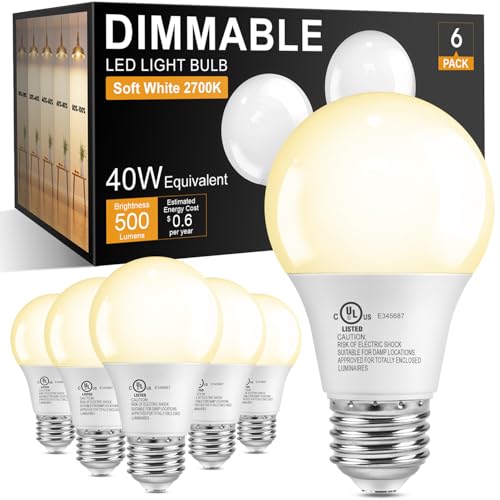
Dimming Range 10%-100%: Dimmable LED light bulbs compatible with most LED dimmers for smooth dimming. Compatibility Note: Best performance with LED dimmers. May flicker with halogen dimmers at low settings. Not for 3-way fixtures. Adjust brightness to control your space's look and feel

Smooth dimmable performance: Adjust brightness from 10% to 100% without flicker or buzz. Compatible with most LED dimmers, providing smooth, stable lighting for any mood or occasion.

Replacement Soft White Bulbs: Make your home more energy efficient with our soft white LED light bulbs; Relax HD Light Bulbs offer a warm, soft white light that is perfect for comfortable moments and cozy spaces
Implementing LED Lighting in Your Home or Business
Once you have chosen the right LED lighting products for your needs, it is important to consider how to effectively implement them in your home or business. One important consideration is the placement of the LED lights in order to achieve optimal illumination and energy efficiency. For example, using task lighting in work areas can help to reduce overall energy consumption by providing focused illumination where it is needed most. Additionally, using dimmer switches with LED lights can help to further reduce energy consumption by allowing you to adjust the brightness of the lights based on your needs.
Another important aspect of implementing LED lighting is proper maintenance and care to ensure that the lights continue to perform effectively over time. This includes regular cleaning of the fixtures and ensuring that they are installed in a way that allows for proper ventilation and heat dissipation. Additionally, it is important to follow manufacturer recommendations for usage and avoid overloading circuits or using incompatible dimmer switches. By taking these steps to effectively implement LED lighting in your home or business, you can maximize the benefits of energy efficiency and cost savings while enjoying superior performance and longevity.
The Future of LED Lighting Technology
As technology continues to advance, the future of LED lighting looks promising with ongoing developments in efficiency, performance, and functionality. One area of focus for future advancements in LED lighting technology is improving color quality and consistency through advancements in phosphor materials and manufacturing processes. This will allow for even greater flexibility in lighting design and more accurate color rendering across a wide range of applications.
Another area of potential advancement in LED lighting technology is the integration of smart controls and connectivity features that allow for greater customization and automation of lighting systems. This includes features such as wireless connectivity, motion sensors, and programmable settings that can help to optimize energy efficiency and enhance user experience. Additionally, ongoing research into new materials and manufacturing processes holds promise for further reducing the cost of LED lighting products while improving their performance and longevity.
Overall, the future of LED lighting technology holds great potential for continued advancements in efficiency, performance, and functionality that will further solidify its position as a superior choice for both residential and commercial applications. As these advancements continue to unfold, consumers can look forward to even greater benefits in terms of energy savings, environmental impact, and overall quality of illumination from LED lighting products.
Enjoying our content? Make us a preferred source on Google.
Add us as a Preferred Source on Google