
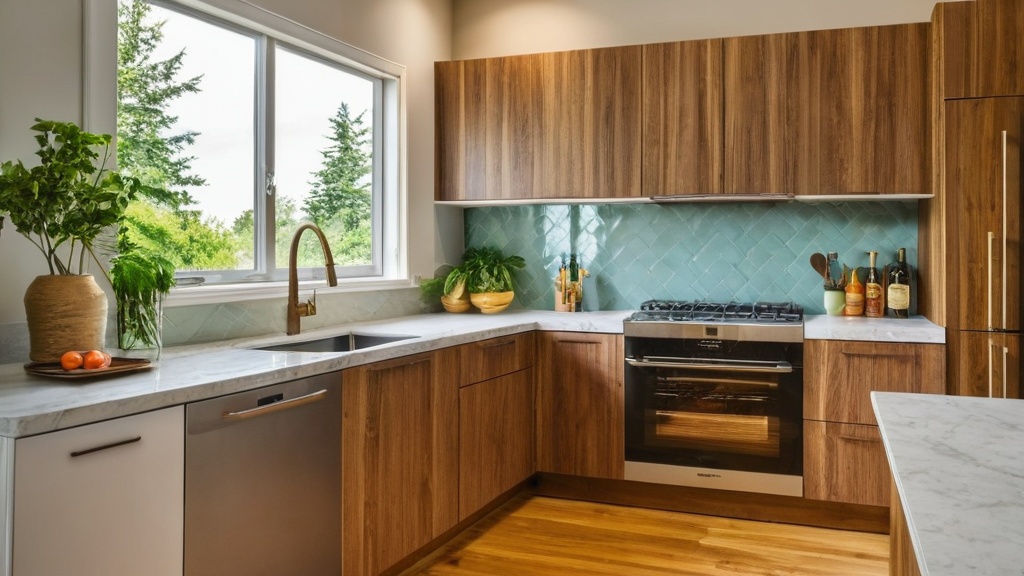
Before beginning a kitchen renovation, conduct a thorough evaluation of the existing space. This assessment should identify areas requiring improvement and elements that currently function well. Examine the layout, functionality, and overall design.
Key considerations include appliance energy efficiency ratings, available storage capacity, and lighting adequacy. These factors directly impact the kitchen’s potential for sustainable operation. During the evaluation, document the materials used in cabinets, countertops, and flooring.
Many kitchens contain components that conflict with sustainable practices, including non-recyclable materials and finishes that release volatile organic compounds (VOCs). Identifying these elements determines which modifications are necessary to create an environmentally responsible space. Recording observations about functional and problematic aspects provides a foundation for making evidence-based renovation decisions.
Key Takeaways
- Evaluate your existing kitchen to identify areas for sustainable improvement.
- Define clear, achievable sustainability goals tailored to your lifestyle.
- Choose eco-friendly materials and products through thorough research.
- Establish a realistic budget that balances cost with sustainability priorities.
- Seek inspiration and collaborate with professionals experienced in sustainable kitchen design.
Setting Sustainable Goals
Establishing clear and achievable goals is essential for any successful kitchen renovation. We should start by defining what sustainability means for us personally. For some, it may involve reducing energy consumption, while for others, it could mean using locally sourced materials.
Setting specific targets allows us to focus our efforts and measure our progress effectively. In addition to personal goals, we can consider broader objectives that align with sustainable practices. For instance, aiming to reduce waste by incorporating composting systems or choosing appliances with high energy ratings can significantly impact our kitchen’s environmental footprint.
By outlining these goals, we create a roadmap that guides our decisions throughout the renovation process.
Researching Sustainable Materials and Products
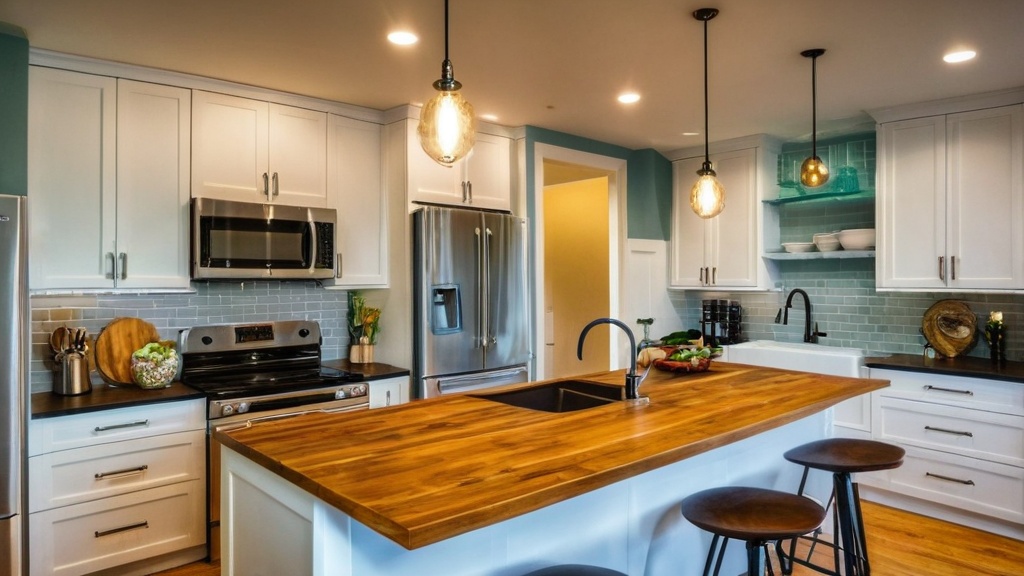
A wealth of sustainable materials and products exists in today’s market, making it easier than ever to create an eco-friendly kitchen. We should begin our research by exploring options for countertops, cabinets, and flooring that prioritize sustainability. Bamboo, reclaimed wood, and recycled materials often serve as excellent choices due to their low environmental impact.
When it comes to appliances, energy-efficient models can help us save on utility bills while reducing our carbon footprint. We must look for products with Energy Star ratings or similar certifications that indicate their efficiency. Additionally, considering water-saving fixtures can further enhance our kitchen’s sustainability.
The more informed we are about available options, the better equipped we will be to make choices that align with our goals.

SEVEN EGG CAPACITY: Cook up to 7 eggs in soft, medium, or hard-boiled firmness, while saving time and water. Eggs come out consistently perfect, shell is easy to peel, and cleanup is simple!

Slim Design, Big Impact: With a sleek 3.58" profile, the bella 2-Slice Slim Toaster fits comfortably on any countertop without taking up much space. Part of our Fits-anywhere kitchenware collection, it’s the perfect blend of style and practicality

Creating a Budget
Establishing a budget is a critical step in any renovation project. We need to determine how much we are willing to invest in our sustainable kitchen transformation. This process involves evaluating our finances and identifying areas where we can allocate funds effectively.
By prioritizing essential elements, we can ensure that our budget aligns with our sustainability goals. While creating a budget, we should account for both upfront costs and long-term savings. Investing in energy-efficient appliances may require a higher initial expenditure but can lead to significant savings over time.
We must also consider potential grants or incentives available for sustainable renovations, which can help offset costs.
Finding Sustainable Kitchen Design Inspiration
| Step | Action | Key Metrics | Benefits |
|---|---|---|---|
| 1 | Assess Current Kitchen Impact |
|
Identify areas for improvement and set baseline |
| 2 | Choose Energy-Efficient Appliances |
|
Reduce energy and water consumption |
| 3 | Use Sustainable Materials |
|
Lower environmental impact and improve indoor air quality |
| 4 | Implement Waste Reduction Strategies |
|
Minimize landfill waste and promote circular economy |
| 5 | Optimize Lighting |
|
Lower energy use and enhance ambiance |
| 6 | Incorporate Water-Saving Fixtures |
|
Reduce water consumption and utility bills |
Inspiration plays a vital role in the design process. We should explore various sources to gather ideas for our sustainable kitchen. Online platforms like Pinterest and Instagram offer a plethora of images showcasing eco-friendly designs that can spark creativity.
Visiting local showrooms or attending home expos can provide hands-on experiences with sustainable materials and products. Engaging with communities focused on sustainability can also yield valuable insights. Joining forums or social media groups dedicated to eco-friendly living allows us to connect with like-minded individuals who share their experiences and ideas.
By immersing ourselves in these resources, we can cultivate a vision for our kitchen that reflects both our personal style and commitment to sustainability.


EXTRA-QUICK COOKING: Choose from six popular presets for microwave ovens, including popcorn, pizza, beverages, veggies, potatoes, or leftovers. Or just press the number keys to quickly set the cook time for that number of minutes.

7 Cooking Functions: Pressure cook, slow cook, sauté, steam, make rice, yogurt, or simply keep your meal warm—all in one appliance
Hiring Sustainable Contractors and Professionals
Finding the right professionals to assist us in our renovation is crucial for achieving our sustainable goals. We should seek contractors who specialize in eco-friendly practices and have experience working with sustainable materials. Conducting thorough research and reading reviews can help us identify reputable professionals who align with our vision.
During the hiring process, we must communicate our sustainability goals clearly.
Asking about their experience with sustainable projects and their approach to waste management will help us gauge their commitment to eco-friendly practices.
Building a strong partnership with knowledgeable professionals will ensure a smoother renovation process.


Implementing Sustainable Practices in Your Kitchen
Once we have completed the design and renovation phase, it’s time to implement sustainable practices in our kitchen. Simple changes can make a significant difference in reducing waste and conserving resources. For instance, incorporating a compost bin encourages us to recycle organic waste instead of sending it to landfills.
We should also focus on energy conservation by utilizing natural light whenever possible and choosing LED lighting for artificial illumination. Installing smart appliances that allow us to monitor energy usage can further enhance our kitchen’s efficiency. Adopting these practices not only benefits the environment but also creates a more enjoyable cooking experience.
Maintaining Your Sustainable Kitchen
Sustaining the eco-friendly practices we’ve implemented requires ongoing effort and commitment. Regular maintenance of appliances and fixtures ensures they operate efficiently, reducing energy consumption over time. We should schedule routine checks on plumbing systems to prevent leaks and conserve water.
Educating ourselves about sustainable practices is an ongoing process. Staying informed about new products and technologies can help us make better choices in the future. Engaging family members in maintaining these practices fosters a collective responsibility towards sustainability within the household.
By remaining vigilant and proactive, we can enjoy a kitchen that not only meets our needs but also contributes positively to the environment for years to come.
If you’re looking to enhance your sustainable kitchen makeover, you might also be interested in exploring ways to save energy in your home. A great resource is the article on how to save energy in the laundry room, which provides practical tips that can be applied throughout your home, including your kitchen. By implementing these energy-saving strategies, you can create a more eco-friendly environment while also reducing your utility bills.
FAQs
What is a sustainable kitchen makeover?
A sustainable kitchen makeover involves redesigning or renovating your kitchen using eco-friendly materials, energy-efficient appliances, and waste-reducing practices to minimize environmental impact.
Where should I start when planning a sustainable kitchen makeover?
Begin by assessing your current kitchen’s energy use, waste production, and materials. Set goals for energy efficiency, water conservation, and sustainable sourcing before selecting appliances, fixtures, and materials.
What materials are considered sustainable for kitchen renovations?
Sustainable materials include bamboo, reclaimed wood, recycled glass, low-VOC paints, and natural stone. These materials have a lower environmental footprint and often come from renewable or recycled sources.
How can I make my kitchen appliances more sustainable?
Choose energy-efficient appliances with ENERGY STAR ratings, use induction cooktops, and consider appliances with smart technology to reduce energy consumption. Regular maintenance also helps appliances run efficiently.
What are some ways to reduce waste in a sustainable kitchen?
Implement composting for food scraps, use reusable containers and bags, avoid single-use plastics, and recycle packaging materials. Planning meals and buying in bulk can also reduce food waste.
Is water conservation important in a sustainable kitchen?
Yes, using water-efficient faucets, fixing leaks promptly, and installing appliances like dishwashers that use less water contribute significantly to sustainability.
Can lighting impact the sustainability of my kitchen?
Absolutely. Using LED lighting, maximizing natural light, and installing dimmers or motion sensors can reduce energy consumption and improve sustainability.
Are there certifications to look for when choosing sustainable kitchen products?
Look for certifications such as ENERGY STAR for appliances, FSC (Forest Stewardship Council) for wood products, GREENGUARD for low-emission materials, and WaterSense for water-efficient fixtures.
How does a sustainable kitchen makeover benefit the environment?
It reduces energy and water consumption, minimizes waste, lowers carbon footprint, and promotes healthier indoor air quality by using non-toxic materials.
Can a sustainable kitchen makeover save money in the long run?
Yes, energy-efficient appliances and water-saving fixtures reduce utility bills, and durable, sustainable materials often require less maintenance and replacement over time.
Enjoying our content? Make us a preferred source on Google.
Add us as a Preferred Source on Google