
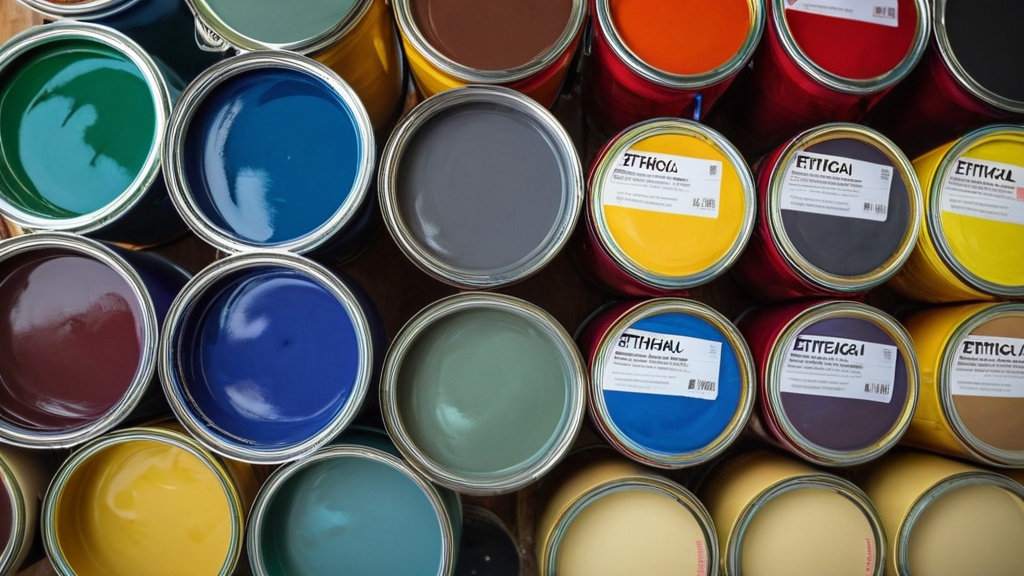
In recent years, a growing awareness of environmental issues has led us to reconsider the materials we use in our homes and workplaces. Ethical paints and natural wall finishes represent a shift towards more sustainable options that prioritize health and ecological balance. These products often contain fewer harmful chemicals and are derived from renewable resources, making them a more responsible choice for both consumers and the planet. As we explore this topic, we will uncover the characteristics that define ethical paints and natural wall finishes, as well as their potential benefits.
Ethical paints typically avoid toxic substances such as volatile organic compounds (VOCs), which can contribute to air pollution and health problems. Instead, they utilize natural ingredients like plant oils, minerals, and pigments. Natural wall finishes, on the other hand, may include materials like clay, lime, or natural waxes. These alternatives not only reduce our exposure to harmful chemicals but also promote a healthier indoor environment. Understanding the distinctions between traditional paints and their ethical counterparts allows us to make informed choices that align with our values.
For those interested in sustainable living and eco-friendly home improvements, exploring the world of Ethical Paints and Natural Wall Finishes can be incredibly rewarding. These products not only enhance the aesthetic appeal of your home but also contribute to a healthier environment. To further expand your knowledge on eco-friendly practices, you might find this related article on crafting eco-friendly cotton rounds particularly insightful. You can read it here: Discover the Secrets to Crafting Eco-Friendly Cotton Rounds.
Key Takeaways
- Ethical paints and natural wall finishes offer environmentally friendly alternatives to traditional paints.
- Traditional paints often contain harmful chemicals that negatively impact the environment and human health.
- Using ethical paints supports sustainability, reduces toxins, and promotes healthier indoor air quality.
- Natural ingredients like clay, lime, and plant-based pigments are commonly used in ethical paints.
- Choosing ethical paints involves considering environmental certifications, ingredient transparency, and project needs.
The Environmental Impact of Traditional Paints
Traditional paints often contain a cocktail of harmful chemicals that can have detrimental effects on both human health and the environment. VOCs, commonly found in many conventional paints, can evaporate into the air, contributing to indoor air pollution and respiratory issues. The production process for these paints frequently involves the extraction of non-renewable resources, leading to habitat destruction and increased carbon emissions. As we reflect on the environmental impact of traditional paints, it becomes clear that our choices matter.
The disposal of leftover paint poses another challenge. Many people unknowingly discard paint in ways that can contaminate soil and water sources. This improper disposal can lead to long-lasting environmental damage. Recognizing the consequences of using traditional paints encourages us to seek alternatives that minimize harm to our planet. By understanding the broader implications of our choices, we can take steps toward a more sustainable future.
Benefits of Using Ethical Paints and Natural Wall Finishes
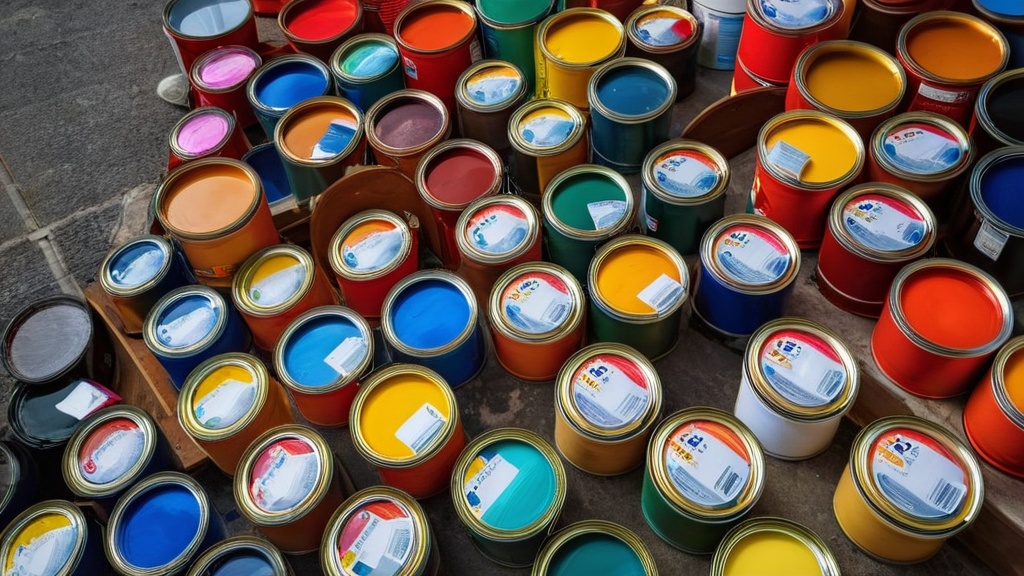
Choosing ethical paints and natural wall finishes offers numerous advantages that extend beyond environmental considerations. One of the most notable benefits is the improvement in indoor air quality. With lower levels of VOCs and other harmful chemicals, these products contribute to a healthier living space. Families with children, pets, or individuals with sensitivities will particularly appreciate the reduced risk of exposure to toxic substances.
Another advantage lies in the aesthetic appeal of natural finishes. Many ethical paints and wall treatments provide unique textures and colors that cannot be replicated by synthetic options. The use of natural pigments often results in rich, vibrant hues that enhance the beauty of any space. Additionally, these finishes can age gracefully, developing character over time rather than deteriorating like some conventional products. Embracing ethical paints allows us to create environments that are not only safe but also visually stunning.
Exploring Natural Ingredients in Paints and Wall Finishes

A closer look at the ingredients used in ethical paints reveals a fascinating array of natural materials. Plant-based oils, such as linseed or soy oil, serve as binders in many formulations, providing durability while remaining eco-friendly. Natural pigments derived from minerals or plants offer a wide spectrum of colors without the harmful effects associated with synthetic dyes. These ingredients not only contribute to the overall sustainability of the product but also reflect a commitment to using resources that are kinder to our planet.
Natural wall finishes often incorporate materials like clay or lime, which have been used for centuries in various cultures around the world. Clay provides excellent breathability and moisture regulation, making it an ideal choice for interior applications. Lime finishes possess antimicrobial properties and can help regulate humidity levels within a space. Exploring these natural ingredients allows us to appreciate the craftsmanship involved in creating ethical paints and wall finishes while highlighting their functional benefits.
When considering sustainable home improvements, many homeowners are exploring options like Ethical Paints and Natural Wall Finishes to create a healthier living environment. These eco-friendly alternatives not only reduce harmful emissions but also enhance the aesthetic appeal of your home. If you’re also interested in making your home more energy-efficient, you might want to check out this informative article on solar panel installation costs, which can provide insights into another aspect of sustainable living.


Formulated for Easy Application: Designed specifically for DIY projects with user-friendly application process
Formulated for Easy Application | DIY
How to Choose the Right Ethical Paints for Your Project
| Metric | Ethical Paints | Natural Wall Finishes |
|---|---|---|
| VOC Content (Volatile Organic Compounds) | Typically less than 50 g/L | Usually 0 g/L (VOC-free) |
| Primary Ingredients | Plant-based oils, natural pigments, water | Clay, lime, natural earth pigments, casein |
| Environmental Impact | Low carbon footprint, biodegradable | Carbon neutral, biodegradable, minimal processing |
| Durability | Moderate to high, depending on formulation | Moderate, best for interior use |
| Application Method | Brush, roller, or spray | Hand-applied with trowel or brush |
| Typical Drying Time | 1-4 hours | 12-24 hours |
| Health & Safety | Non-toxic, low allergen potential | Non-toxic, hypoallergenic |
| Cost Range | Moderate to high | Moderate |
| Common Uses | Interior walls, furniture, trim | Interior walls, decorative finishes |
Selecting the right ethical paint for a specific project requires careful consideration of several factors. First, we should assess the intended use of the space. Different areas may require varying levels of durability or moisture resistance. For instance, kitchens and bathrooms may benefit from paints designed to withstand humidity and stains, while living rooms might prioritize aesthetic appeal.
Next, we must evaluate color options and finishes available within ethical paint lines. Many brands offer a wide range of colors inspired by nature, allowing us to create harmonious environments that reflect personal style. Additionally, considering the finish—whether matte, satin, or gloss—can impact both appearance and functionality. Taking time to research different brands and their offerings will empower us to make informed decisions that align with our project goals.
If you’re interested in creating a healthier living environment, exploring options like Ethical Paints and Natural Wall Finishes can be a great start. These eco-friendly alternatives not only enhance the aesthetic of your home but also contribute to better indoor air quality. For more insights on selecting non-toxic products for your home, you might find this article helpful: your ultimate guide to choosing effective non-toxic products.
By making informed choices, you can ensure that your home is both beautiful and safe for your family.

PAINT & PRIMER-IN-ONE: Cascadia ZERO is an Ultra-Low VOC, Acrylic Blend Paint & Primer-in-One; save time with less coats

PAINT & PRIMER-IN-ONE: Cascadia ZERO is an Ultra-Low VOC, Acrylic Blend Paint & Primer-in-One; save time with less coats

PAINT + PRIMER IN ONE: Evolve’s paint-and-primer formula helps you get great coverage from the start, sealing your surface and reducing the extra work of multiple coats.
The Importance of Supporting Ethical and Sustainable Practices in the Paint Industry
Supporting ethical and sustainable practices within the paint industry extends beyond individual choices; it contributes to a larger movement toward environmental responsibility. When we choose ethical paints, we send a message to manufacturers about our values and priorities as consumers. This demand for sustainable products encourages companies to innovate and invest in eco-friendly practices.
Moreover, supporting ethical brands fosters a sense of community among like-minded individuals who prioritize sustainability. Engaging with local businesses that focus on ethical production can strengthen our connection to our communities while promoting responsible consumption. As we collectively advocate for change within the industry, we pave the way for a future where sustainable practices become the norm rather than the exception.
DIY Tips for Using Ethical Paints and Natural Wall Finishes
For those interested in taking on DIY projects with ethical paints and natural wall finishes, several tips can help ensure success. First, proper surface preparation is essential for achieving optimal results. Cleaning surfaces thoroughly and repairing any imperfections will create a smooth foundation for painting or finishing.
Next, experimenting with application techniques can yield unique results. Using brushes, rollers, or even sponges can create different textures and effects on walls. Testing colors on small sections before committing to an entire wall allows us to visualize how they will look in different lighting conditions throughout the day.
Finally, patience is key when working with natural finishes. Many ethical products require longer drying times compared to traditional paints, so allowing adequate time between coats will lead to a more polished final result. Embracing this process not only enhances our skills but also deepens our appreciation for the materials we choose.

Eco-Friendly Natural Paint Kit – Includes 6 packets of organic, non-toxic paint and a bamboo brush. Perfect for kids, artists, and crafters. Now in compostable pouches for a zero-waste experience.


🪵 Hand‑Carved Artisan Craftsmanship — Each mask is individually carved from natural hardwood, showcasing authentic texture and artisan precision| [SIZE] 12 Height X 5 Wide X 2.5 Deep
The Future of Ethical Paints and Natural Wall Finishes in the Design Industry
As awareness of environmental issues continues to grow, the future of ethical paints and natural wall finishes appears promising within the design industry. Innovations in formulation and production methods are likely to expand the range of options available to consumers while maintaining a commitment to sustainability. Increased collaboration between designers, manufacturers, and consumers will drive demand for eco-friendly products that prioritize health and environmental impact.
Furthermore, educational initiatives aimed at raising awareness about the benefits of ethical paints will play a vital role in shaping consumer preferences. As more individuals recognize the importance of making informed choices, we can expect a shift toward greater acceptance of sustainable materials in mainstream design practices. The future holds exciting possibilities for those who prioritize ethical considerations in their design choices, ultimately leading us toward a more sustainable built environment.
FAQs
What are ethical paints?
Ethical paints are coatings made from environmentally friendly, non-toxic, and sustainable ingredients. They avoid harmful chemicals such as volatile organic compounds (VOCs), heavy metals, and synthetic solvents, making them safer for both human health and the environment.
What materials are commonly used in natural wall finishes?
Natural wall finishes often use materials like clay, lime, natural pigments, casein (milk protein), and plant-based oils or waxes. These materials are biodegradable, non-toxic, and sourced from renewable resources.
How do ethical paints impact indoor air quality?
Ethical paints typically have low or zero VOC content, which reduces the release of harmful fumes into indoor air. This leads to improved indoor air quality, minimizing respiratory issues and allergic reactions for occupants.
Are natural wall finishes durable compared to conventional paints?
Yes, many natural wall finishes are durable and can last for years when properly applied and maintained. For example, lime-based finishes are known for their breathability and resistance to mold, while clay finishes offer a unique texture and longevity.
Can ethical paints and natural finishes be used in all types of buildings?
Ethical paints and natural finishes can be used in most residential and commercial buildings. However, their suitability depends on factors like surface type, environmental conditions, and desired aesthetic. It is important to select the right product for specific applications to ensure optimal performance.
Enjoying our content? Make us a preferred source on Google.
Add us as a Preferred Source on Google