
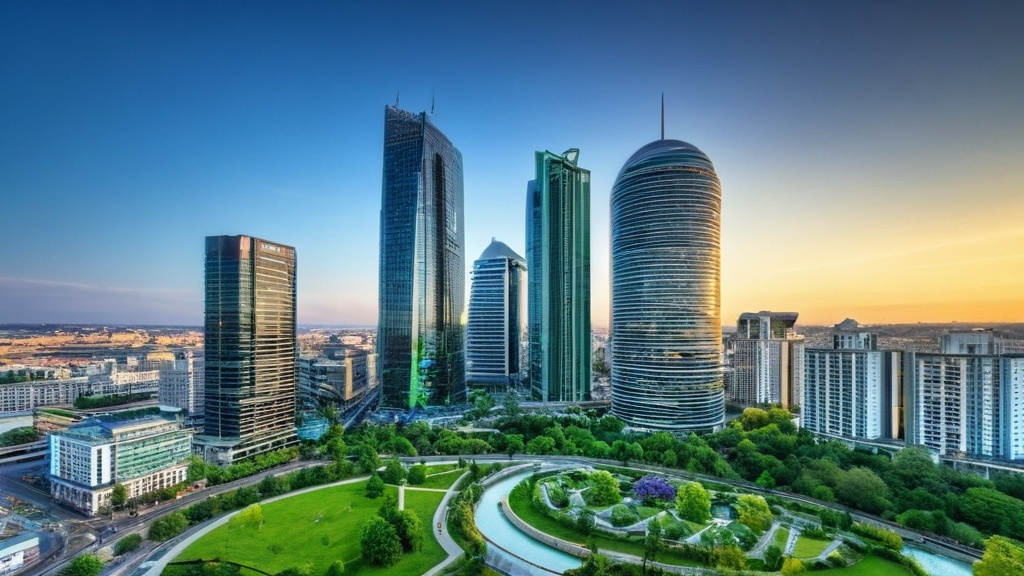
You envision a city reborn, a metropolis where grey concrete yields to verdant spaces and fossil fuels cede their dominion to clean energy. You desire an urban tapestry woven with threads of sustainability, a beacon for generations to come. Creating an eco-friendly city requires a multifaceted approach, a symphony of innovative solutions working in concert. Consider the existing infrastructure, a foundational layer upon which you will build your green vision. Do not underestimate the scale of transformation required; it is a seismic shift in urban planning, a recalibration of priorities.
You will begin your endeavor with a solid framework, principles that guide every decision. A sustainable city prioritizes resource efficiency across all its operations. You will recognize that every material choice, every design decision, carries an environmental footprint. Aim for closed-loop systems, where waste becomes a resource, mirroring nature’s own cycles.
Green Building Practices
You will design buildings that are more than just shelters; they will be active contributors to urban sustainability. Consider structures that generate their own power, filter their own water, and even grow their own food.
Passive Solar Design
Orient buildings to maximize natural light and minimize heating and cooling demands. You can reduce energy consumption considerably through careful placement and window selection. Imagine your office building flooded with sunlight, a warm embrace in winter, and shaded respite in summer.
Renewable Energy Integration
Integrate solar panels, wind turbines, and geothermal systems directly into your buildings. You can reduce reliance on external power grids, building a resilient energy infrastructure. Each building becomes a miniature power station, contributing to the city’s overall energy independence.
Water Harvesting Systems
Collect rainwater for irrigation and non-potable uses. You can reduce strain on municipal water supplies, building a more water-secure city. Imagine lush rooftop gardens watered by the sky, transforming barren spaces into productive ecosystems.
Recycled and Local Materials
Prioritize building materials with low embodied energy, sourced locally whenever possible. You can reduce transportation emissions and support local economies. Recognize the carbon cost embedded in every brick and beam; seek alternatives that lighten that burden.
Smart Urban Planning
Your city’s layout itself is a powerful tool for sustainability. You will design spaces that encourage walking, cycling, and public transportation, rather than dependence on private vehicles.
Mixed-Use Zoning
Create neighborhoods where residential, commercial, and recreational spaces are integrated. You can reduce commuting distances and foster vibrant, self-sufficient communities. People will live, work, and play within close proximity, reducing their daily commutes to leisurely strolls.
Green Space Preservation and Creation
Protect existing natural areas and integrate new parks, gardens, and urban forests into your city’s fabric. You will improve air quality, manage stormwater, and provide vital habitat for biodiversity. Imagine your city as a mosaic of parks and pathways, a seamless blend of urbanity and nature. You can transform barren rooftops into verdant oases, cooling buildings and cleaning the air.
Public Transportation Networks
Develop efficient, accessible, and comprehensive public transportation systems. You will reduce traffic congestion and carbon emissions. Consider high-speed rail, electric buses, and interconnected tram lines, offering viable alternatives to car ownership. Every bus stop becomes a gateway to freedom from traffic.
In the pursuit of creating more environment-friendly cities, innovative solutions are being explored to reduce waste and promote sustainability. One such initiative is the emphasis on eco-friendly travel options, which can significantly lower the carbon footprint of urban transportation. For those interested in sustainable travel practices, a related article discussing the importance of choosing eco-friendly carry-on luggage can be found at Eco-Friendly Carry-On Luggage. This resource provides valuable insights into how travelers can make environmentally conscious choices while on the go, contributing to the overall goal of greener urban living.
Sustainable Resource Management
Your city’s metabolism, its intake of resources and output of waste, must be meticulously managed. You will create systems that minimize consumption and maximize reuse.
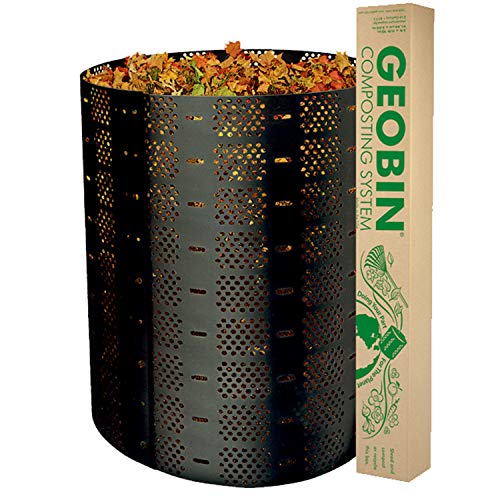
Large capacity—expandable to 3.75 feet (237 gallon)


Customizable Tray Options for Versatile Composting: Worm Factory 360 offers 4 trays, perfect for any household size. Customize your composting system to meet your specific needs for efficient food waste recycling.
Waste Reduction and Recycling Programs
You will implement robust programs that educate citizens and businesses on waste reduction, reuse, and recycling. Your goal is to divert as much material as possible from landfills.
Composting Initiatives
Establish city-wide composting programs for organic waste. You can convert food scraps and yard waste into nutrient-rich soil amendments. Recognize organic waste as a valuable asset, a testament to regenerative cycles.
Circular Economy Principles
Encourage businesses and consumers to adopt circular principles, wherein products are designed for durability, repair, and recycling. You will move away from linear consumption, a finite path with no return. Imagine products that never truly die, but rather transform into something new.
Waste-to-Energy Technologies
Explore advanced waste-to-energy technologies for non-recyclable waste. You can generate power while reducing landfill dependence. Do not view waste as merely an end product; see it as a latent energy source.
Water Conservation Strategies
You will treat water as the precious resource it is, implementing strategies to conserve and reuse it throughout the city.
Greywater Recycling Systems
Install systems that treat and reuse greywater (from sinks, showers, and laundry) for non-potable purposes. You will reduce demand on fresh water supplies. Recognize the untapped potential in water usually discarded.
Drought-Resistant Landscaping
Utilize native and drought-resistant plant species in public spaces and private gardens. You can reduce the need for irrigation, preserving precious water resources. Imagine landscapes that thrive with minimal intervention, mirroring the resilience of arid ecosystems.
Leak Detection and Repair Programs
Regularly inspect and repair leaks in your city’s water infrastructure. You will prevent significant water loss. Leaks are insidious drains on resources; detect them and mend them promptly.
Clean Energy Systems
You will transition your city to a power grid fueled entirely by renewable sources. Consider the sun and wind as constant, dependable allies in your quest for energy independence.


Endless power supply: Enhanced with innovative light energy technology, this Renpho solar scale can be charged by either sunlight or indoor light making it a sustainable use. No need to replace batteries or tripping over wires to recharge

[Compact & Lightweight] At 30.2 lbs, this Renogy 400W portable solar panel folds to 33.7 x 27.95 in and includes a carry case for RV trips, overlanding, camping, and home blackout backup. Easier to move than rigid 400w solar panel options and practical among portable solar panels for high-capacity charging.
Renewable Energy Generation
Develop large-scale renewable energy projects to power your city. You will harness the inexhaustible forces of nature.
Solar Farms
Install utility-scale solar arrays on unused land or along transportation corridors. You can generate substantial amounts of clean electricity. Imagine vast plains of solar panels, silently converting sunlight into power.
Wind Energy Development
Erect wind turbines in suitable locations, either within city limits or in nearby areas. You will tap into the kinetic energy of the wind. Recognize the power in a gust, the endless potential of moving air.
Geothermal Power Plants
Explore geothermal energy where geological conditions permit. You can extract heat from the earth’s core for power generation. Imagine the warmth beneath your feet, harnessed for comfort and convenience.
Energy Efficiency Initiatives
You will complement renewable energy generation with aggressive energy efficiency measures across your city. The most sustainable energy is the energy you do not use.
Public Building Energy Audits
Conduct regular energy audits of all municipal buildings to identify areas for improvement. You can implement upgrades to lighting, insulation, and HVAC systems. Recognize inefficiencies as opportunities for savings.
Smart Grid Implementation
Develop a smart grid infrastructure that optimizes energy distribution and consumption. You will reduce waste and increase reliability. Imagine a nervous system for your city’s power, responding intelligently to demand fluctuations.
Energy-Efficient Street Lighting
Replace traditional streetlights with LED alternatives. You can reduce energy consumption and maintenance costs. The night will be illuminated with intelligence, not extravagance.
Public Engagement and Education
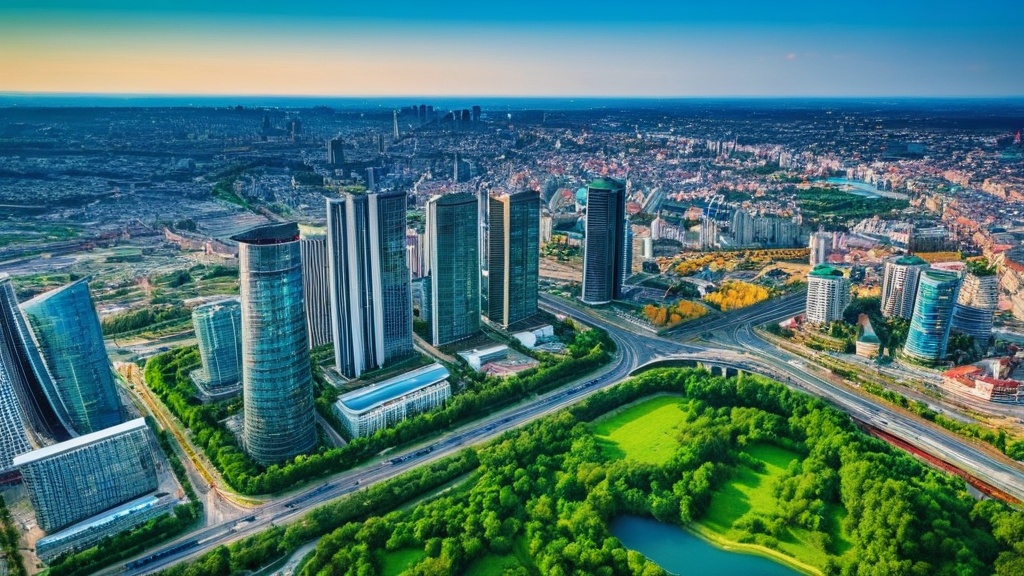
Your vision for an eco-friendly city will only succeed with the active participation of its citizens. You will foster a culture of environmental stewardship, empowering every individual to contribute.

CREATE – Make your own unique terrariums from glass or containers you already have at home. This quick start kit includes a guide to help you get started and the materials needed to make healthy environments for small plants that you add yourself. Just add your own container and plants.


Playful Planting for All Ages: Turn gardening into giggling with these quirky “seed poops”! Perfect for Easter baskets, nature-themed playdates, or screen-free weekend fun; Each pack of seed ball is hand-rolled and shaped with humor and crafted with care to turn planting into a fun activity for all ages; Whether you’re gifting or growing, these Easter seed ball poops are sure to spark curiosity and smiles – just toss, water, and watch wildflowers bloom!
Community Involvement
Engage residents in the planning and implementation of sustainable initiatives. You will create a sense of ownership and collective responsibility.
Green Citizen Programs
Launch programs that educate residents on sustainable living practices, from composting to energy conservation. You can turn individual actions into a collective force for good. Imagine a city where every household shares your commitment.
Volunteer Opportunities
Organize volunteer events focused on environmental improvement, such as park clean-ups and urban gardening projects. You will build community bonds while improving the environment. Recognize the power of many hands working towards a common goal.
Public Feedback Mechanisms
Create channels for residents to provide feedback and suggestions on city sustainability efforts. You can ensure that initiatives are responsive to community needs. Hear your citizens; they are your eyes and ears on the ground.
Educational Campaigns
Develop comprehensive educational campaigns targeting all age groups, from schoolchildren to adults. You will raise awareness and inspire action.
School Curricula
Integrate environmental education into school curricula. You can instill sustainable values from a young age. Plant seeds of environmental consciousness in fertile minds.
Information Centers
Establish information centers and online resources where residents can learn about sustainability initiatives and find practical tips. You will make knowledge accessible and engaging. Remember, informed citizens are empowered citizens.
Public Art and Awareness
Utilize public art installations and events to convey environmental messages. You can spark conversations and inspire reflection. Art can be a powerful messenger, speaking to the heart as well as the mind.
You are building more than a city; you are nurturing a future. Each stone laid, each policy enacted, each citizen engaged, brings you closer to your green vision. Your city will stand as a testament to human ingenuity and commitment, a vibrant, sustainable ecosystem where nature and humanity thrive in harmony.
FAQs
What defines an environment-friendly city?
An environment-friendly city is one that prioritizes sustainable practices to reduce pollution, conserve natural resources, and promote green living. This includes efficient waste management, use of renewable energy, green spaces, and sustainable transportation options.
How do green spaces contribute to an environment-friendly city?
Green spaces such as parks, gardens, and urban forests improve air quality, reduce urban heat, support biodiversity, and provide recreational areas for residents, all of which contribute to a healthier and more sustainable urban environment.
What role does public transportation play in creating an environment-friendly city?
Public transportation reduces the number of private vehicles on the road, lowering greenhouse gas emissions and traffic congestion. Efficient and accessible public transit systems encourage people to choose eco-friendly travel options.
How can cities reduce their carbon footprint?
Cities can reduce their carbon footprint by adopting renewable energy sources, improving energy efficiency in buildings, promoting sustainable transportation, implementing waste reduction programs, and encouraging environmentally responsible behaviors among residents.
Why is waste management important in an environment-friendly city?
Effective waste management minimizes pollution, conserves resources through recycling and composting, and reduces landfill use. Proper waste handling helps maintain clean urban environments and supports overall sustainability goals.
Enjoying our content? Make us a preferred source on Google.
Add us as a Preferred Source on Google