
In recent years, the concept of eco-friendly living has gained immense popularity, prompting many individuals to seek ways to reduce their environmental impact. Eco home building books serve as valuable resources for those interested in constructing sustainable homes. These books provide insights into various aspects of green building, from design principles to material selection. They inspire readers to think critically about their choices and encourage a shift towards more sustainable practices in the construction industry.
The wealth of information found in these publications can empower us to make informed decisions. We can explore innovative designs that minimize energy consumption and utilize renewable resources. By delving into the principles outlined in eco home building books, we can cultivate a deeper understanding of how our living spaces affect the environment. This knowledge not only benefits us as individuals but also contributes to a larger movement towards sustainability in our communities.
If you’re interested in sustainable living and eco-friendly practices, you might also find value in exploring articles that discuss practical aspects of eco-friendly travel. For instance, check out this article on best carry-on luggage options, which highlights how to travel sustainably while minimizing your carbon footprint. This complements the insights from the best books on eco home building by emphasizing the importance of making environmentally conscious choices in all areas of life, including travel.
Key Takeaways
- Eco home building books provide essential guidance on sustainable design and construction.
- Using green materials and energy-efficient systems reduces environmental impact and utility costs.
- Thoughtful landscaping and design enhance the eco-friendliness of homes.
- Real-world case studies offer practical insights into successful eco home projects.
- DIY tips and resource lists help homeowners find eco-friendly contractors and suppliers.
The Basics of Sustainable Home Design
Sustainable home design revolves around creating spaces that harmonize with the environment while meeting the needs of their inhabitants. Key principles include maximizing natural light, optimizing ventilation, and using space efficiently. Thoughtful orientation of a home can harness solar energy, reducing reliance on artificial heating and cooling systems. Incorporating passive design strategies allows us to create comfortable living environments without excessive energy consumption.
Another fundamental aspect involves selecting appropriate materials that minimize environmental impact. Sustainable design encourages the use of locally sourced and renewable materials, which reduces transportation emissions and supports local economies. We can also consider the lifecycle of materials, opting for those that are durable and recyclable. By prioritizing sustainability in our design choices, we contribute to a healthier planet while creating beautiful and functional living spaces.
Green Building Materials and Techniques
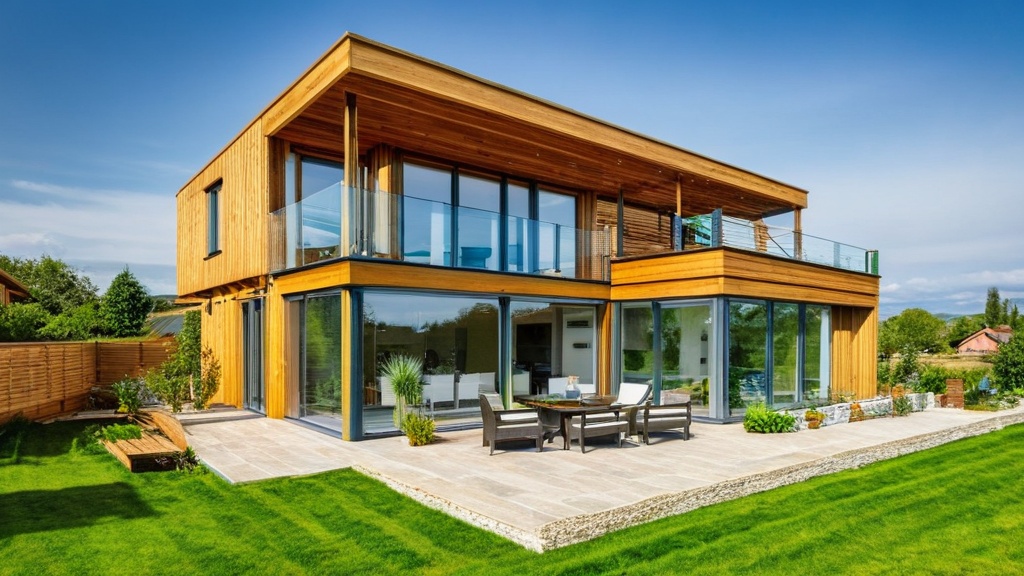
The selection of green building materials plays a vital role in eco-friendly construction. Many options exist that offer both aesthetic appeal and environmental benefits. For instance, reclaimed wood provides a unique character while reducing the demand for new timber. Bamboo, known for its rapid growth, serves as an excellent alternative to traditional hardwoods. Utilizing recycled materials not only conserves resources but also adds a distinctive touch to our homes.
Techniques employed in green building further enhance sustainability. Straw bale construction, for example, offers excellent insulation properties while utilizing an agricultural byproduct. Earthbag building utilizes natural materials to create sturdy structures with minimal environmental impact. Incorporating green roofs can improve insulation and promote biodiversity by providing habitats for various species. Exploring these innovative techniques allows us to create homes that are not only environmentally friendly but also visually striking.

🏠DETAILS: 15.8×78.8 Inch, total 8.65 sq.ft (40cmX2m) Made of durable thin vinyl, thickness: 0.015 In (0.4MM). Peel and stick wood planks vinyl flooring roll, brown shiplap planks color. Waterproof. Removable.

REAL WOOD – Made of 100% dried fir wood imitating vintage reclaimed barnwood appearance for interior finish. The colors will vary from browns to grays depending on the batch.

Energy-Efficient Home Systems and Appliances
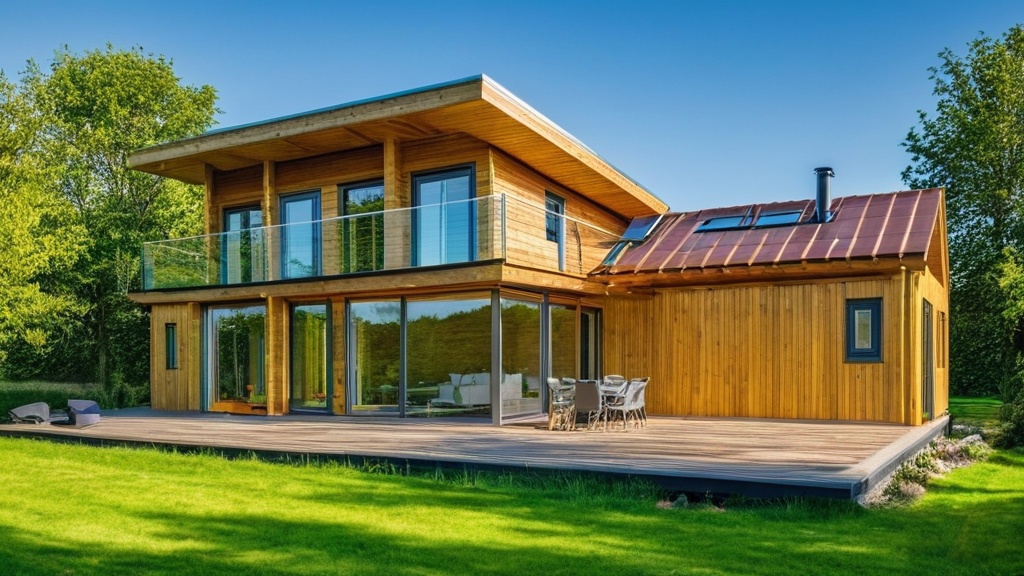
Energy efficiency stands at the forefront of sustainable living. Implementing energy-efficient systems and appliances can significantly reduce our carbon footprint while lowering utility bills. High-performance windows and insulation materials help maintain comfortable indoor temperatures, minimizing the need for heating and cooling systems. Smart home technology allows us to monitor energy usage and optimize consumption patterns, further enhancing efficiency.
When it comes to appliances, selecting Energy Star-rated products ensures that we invest in equipment designed to consume less energy without sacrificing performance. From refrigerators to washing machines, these appliances contribute to a more sustainable lifestyle. Additionally, integrating renewable energy sources such as solar panels can provide clean energy for our homes, reducing reliance on fossil fuels. Embracing these energy-efficient solutions empowers us to create a more sustainable future.
If you’re interested in sustainable living, you might find the article on green living ideas for small spaces particularly insightful. It offers practical tips that complement the best books on eco home building, helping you create an environmentally friendly lifestyle even in limited areas. For more information, check out the article here.
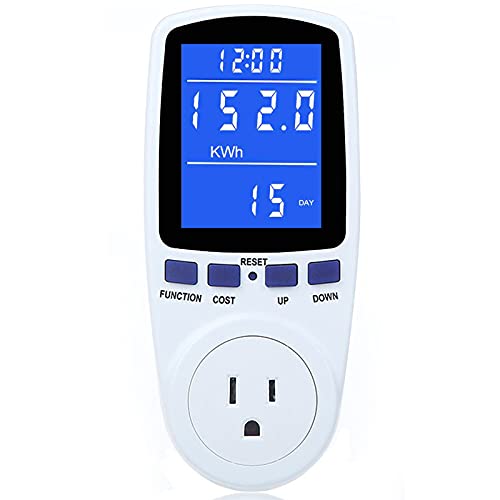
Various Monitoring Parameters: The power meter plug can monitor the power (W), energy (kWh), volts, amps, hertz, power factor, cost, minimum and maximum power (W), cumulative days and time of your appliances. By switching 7 display modes, you can easily know the various parameters while the appliance is working. The home energy monitor can also calculate and display how much power your appliance uses and how much electricity bill it cost in cumulative time

Storey publishing

Designing and Landscaping for Eco-Friendly Homes
| Title | Author | Focus Area | Pages | Rating (out of 5) | Year Published |
|---|---|---|---|---|---|
| Green Building Illustrated | Francis D.K. Ching & Ian M. Shapiro | Sustainable design principles | 320 | 4.7 | 2014 |
| The Natural House | Daniel D. Chiras | Eco-friendly home construction | 400 | 4.5 | 2010 |
| Building Green | Miles Keeping | Energy-efficient building techniques | 256 | 4.3 | 2012 |
| Eco House Manual | Alanna Stang & Christopher Hawthorne | Practical eco home building | 288 | 4.6 | 2015 |
| Passive Solar Architecture | David A. Bainbridge & Ken Haggard | Solar design for homes | 320 | 4.4 | 2003 |
Designing eco-friendly homes extends beyond the structure itself; landscaping plays a crucial role in promoting sustainability. Native plants require less water and maintenance, making them ideal choices for environmentally conscious gardens.
Incorporating rain gardens can help manage stormwater runoff while providing habitats for local wildlife.
Thoughtful landscaping not only enhances the aesthetic appeal of our homes but also contributes to biodiversity and ecosystem health.
Permaculture principles can guide us in creating productive landscapes that work in harmony with nature. By designing gardens that mimic natural ecosystems, we can cultivate food while minimizing resource use. Implementing composting systems reduces waste and enriches soil health, promoting sustainable gardening practices. Through intentional design and landscaping choices, we can create outdoor spaces that reflect our commitment to environmental stewardship.
Case Studies of Successful Eco Home Projects
Examining successful eco home projects offers valuable insights into practical applications of sustainable design principles. One notable example is a home built using rammed earth construction techniques, which not only provides excellent thermal mass but also utilizes locally sourced materials. This project showcases how traditional building methods can be adapted for modern living while minimizing environmental impact.
Another inspiring case involves a net-zero energy home that incorporates solar panels, geothermal heating, and rainwater harvesting systems. This innovative design demonstrates how integrating multiple sustainable technologies can lead to self-sufficiency in energy and water usage. Analyzing such projects allows us to learn from real-world examples, inspiring us to implement similar strategies in our own eco home endeavors.
Tips for DIY Eco Home Building
For those considering a DIY approach to eco home building, several tips can guide us toward success. First, thorough research is essential; understanding sustainable practices and materials will inform our decisions throughout the process. Creating a detailed plan helps us stay organized and focused on our goals while allowing flexibility for adjustments as needed.
Networking with local eco-conscious communities can provide valuable support and resources. Engaging with others who share similar interests fosters collaboration and knowledge sharing. Additionally, seeking out workshops or courses on sustainable building techniques can enhance our skills and confidence as we embark on our projects. With careful planning and community support, we can turn our eco home visions into reality.

ECO-FRIENDLY FLOATING FUN: Made from sustainable cork, this boat toy is virtually unsinkable! Perfect for bath toys, lake toys, or summer toys fun, it inspires kids to build and explore.

Introduce kids to woodworking—with real tools and supplies

Resources for Finding Eco-Friendly Contractors and Suppliers
Finding reliable contractors and suppliers who prioritize sustainability is crucial for successful eco home building projects. Online directories specializing in green building professionals can connect us with experts in our area who share our commitment to environmental responsibility. Local building supply stores often carry eco-friendly materials, making it easier to source sustainable options.
Attending green building expos or workshops provides opportunities to meet industry professionals and learn about the latest innovations in sustainable construction. Engaging with local environmental organizations can also lead us to reputable contractors who prioritize eco-friendly practices. By leveraging these resources, we can build a network of support that aligns with our values and goals in creating an eco-friendly home.
In conclusion, eco home building represents a transformative approach to construction that prioritizes sustainability at every level.
Through education, thoughtful design, and community engagement, we can create living spaces that reflect our commitment to protecting the environment while enhancing our quality of life.
As we explore the wealth of knowledge available in eco home building books and resources, we empower ourselves to make choices that benefit both ourselves and the planet for generations to come.
FAQs
What are some highly recommended books on eco home building?
Some highly recommended books on eco home building include “The Natural House” by Daniel D. Chiras, “The Hand-Sculpted House” by Ianto Evans and Michael G. Smith, and “Sustainable Home” by Christine Liu. These books cover various sustainable building techniques and materials.
What topics do eco home building books typically cover?
Eco home building books typically cover topics such as sustainable design principles, energy-efficient construction methods, use of natural and recycled materials, water conservation, renewable energy integration, and indoor air quality improvement.
Are these books suitable for beginners in eco home building?
Yes, many eco home building books are written to be accessible to beginners. They often include step-by-step guides, illustrations, and practical tips to help readers understand and apply eco-friendly building techniques.
Do eco home building books include information on cost and budgeting?
Many eco home building books address cost considerations, budgeting, and cost-saving strategies. They often discuss how sustainable materials and energy-efficient designs can reduce long-term expenses despite potentially higher upfront costs.
Can these books help with building codes and regulations related to eco homes?
While some eco home building books provide general guidance on building codes and regulations, it is important to consult local authorities for specific requirements. Books may offer advice on how to design eco homes that comply with common standards and best practices.
Enjoying our content? Make us a preferred source on Google.
Add us as a Preferred Source on Google