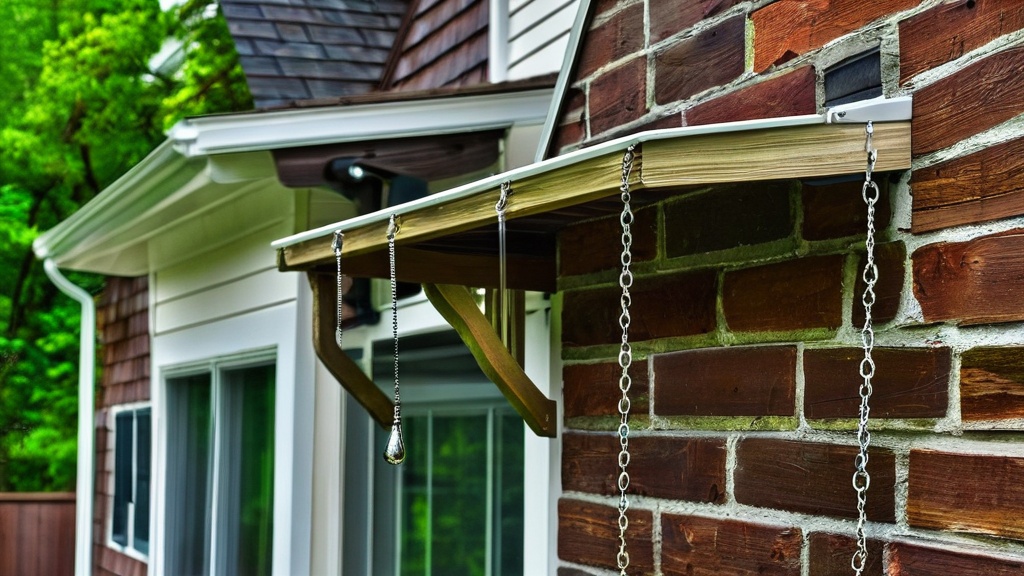

Owning an electric vehicle (EV) brings a multitude of advantages, particularly when it comes to home charging. One of the most appealing aspects lies in the convenience it offers. Instead of making frequent trips to public charging stations, we can simply plug in our vehicles at home. This not only saves time but also allows us to charge our cars overnight, ensuring they are ready for use each morning. The comfort of knowing that our vehicle is charged and ready to go eliminates the stress associated with finding a charging station during busy days.
Financial benefits also play a significant role in the appeal of home EV charging.
Charging at home often proves to be more economical than using public charging stations, especially during off-peak hours when electricity rates are lower.
Many utility companies offer special rates for EV owners, further reducing costs. Over time, these savings can accumulate, making home charging a financially sound choice. Additionally, the potential for tax credits and incentives for installing home charging stations can further enhance the overall value of this investment.
When considering home EV charging, it’s essential to understand not only the installation tips and benefits but also the broader context of sustainable living. For a deeper insight into how electric vehicle charging fits into eco-friendly practices, you can explore the article on the differences between green and sustainable living. This resource highlights the importance of making informed choices that contribute to a healthier planet. You can read more about it here: What is the Difference Between Green and Sustainable Living?.
Key Takeaways
- Home EV charging offers convenience, cost savings, and environmental benefits.
- Selecting the appropriate charging station depends on your vehicle, home electrical capacity, and charging speed needs.
- Installation requires careful consideration of location, electrical upgrades, and professional compliance.
- Optimizing charging times and energy use can enhance efficiency and reduce costs.
- Planning for future technology and increased power demands ensures long-term usability and safety.
Choosing the Right EV Charging Station for Your Home
Selecting the appropriate EV charging station is a critical step in optimizing our home charging experience. Various types of chargers exist, each with distinct features and capabilities. Level 1 chargers, which utilize a standard household outlet, provide a slower charging rate but may suffice for those with shorter commutes. On the other hand, Level 2 chargers offer faster charging times and are ideal for those who drive longer distances or require quicker turnaround times. Evaluating our driving habits and needs will guide us in making the right choice.
Compatibility with our specific EV model is another essential consideration. Not all chargers work with every vehicle, so we must ensure that the station we choose is compatible with our car’s charging port. Researching different brands and models can help us identify reliable options that meet our requirements. Additionally, features such as smart technology integration, which allows us to monitor and control charging through mobile apps, can enhance our overall experience and provide added convenience.

【Trusted Brand】Autel has been making automotive intelligent diagnostic, inspection, and analysis products since 2004. The MaxiCharger AC Home was developed over 2 years from a full team of designers and engineers to bring you the safest, smartest, and one of the best looking chargers on the market.

UP TO 7X FASTER CHARGING SPEED: The IYILO electric vehicle charging station delivers up to 38 miles of range per hour at 40A (9.6kW) via hardwired installation (50A breaker & licensed electrician required). Current is adjustable in 1A increments from 6A to 40A. Charges up to 7 times faster than a standard Level 1 charger

⚡ Fast, Flexible Charging You Control- Equipped with a NEMA 14-50 plug and adjustable current (10A to 40A), the EVDANCE EV Charger gives you total control over your charging speed. Whether you're topping off at work or doing an overnight charge at home, simply tap the control button to select your ideal amperage. It’s precision charging, made easy NOTE: It is necessary to use a J1772 to Tesla adapter(not including) when charging your Tesla vehicles
Factors to Consider When Installing a Home EV Charging Station
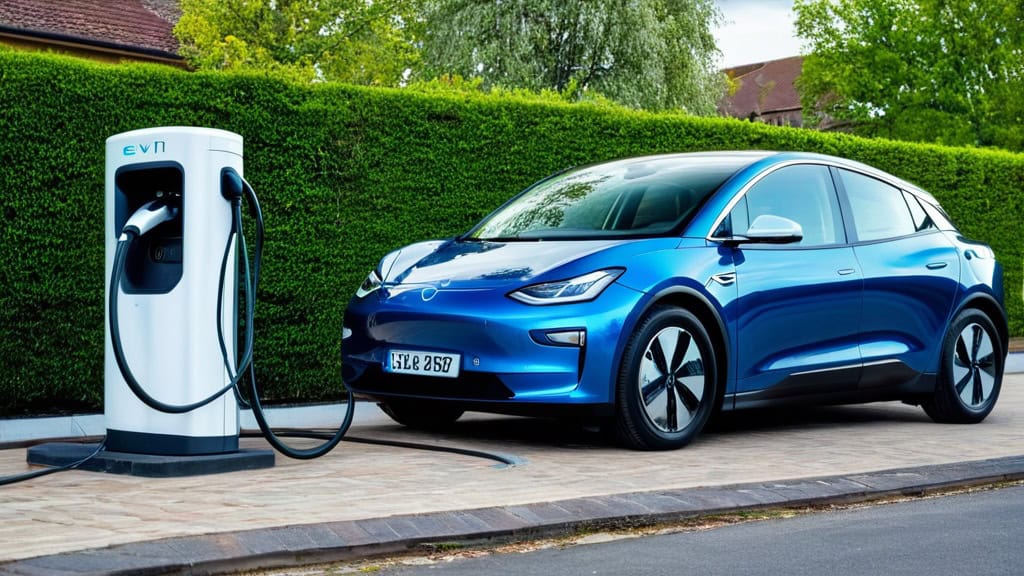
Installation of a home EV charging station involves several important factors that we must take into account. First and foremost, assessing the electrical capacity of our home is crucial. A dedicated circuit may be necessary to support the charger, especially for Level 2 installations. Consulting with a licensed electrician can help us determine if any upgrades are needed to accommodate the new equipment safely.
Location plays a vital role in the installation process as well. We should consider where we typically park our vehicle and how accessible the charging station will be. Proximity to our electrical panel can minimize installation costs and complexity. Furthermore, ensuring that the charger is installed in a sheltered area can protect it from harsh weather conditions, prolonging its lifespan and maintaining its functionality.
Maximizing the Efficiency of Home EV Charging
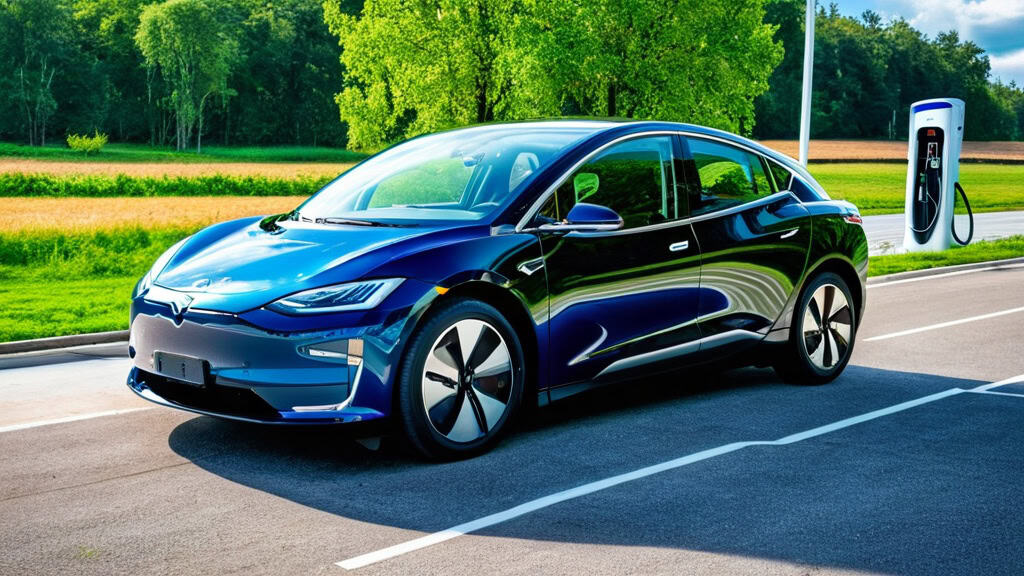
To get the most out of our home EV charging setup, we can implement several strategies that maximize efficiency. Scheduling charging sessions during off-peak hours can significantly reduce electricity costs. Many smart chargers allow us to set specific times for charging, taking advantage of lower rates while minimizing strain on the electrical grid during peak demand periods.
Regular maintenance of our charging station is equally important for maintaining efficiency. Keeping the charger clean and free from debris ensures optimal performance. Additionally, monitoring our vehicle’s battery health can help us identify any issues early on, allowing us to address them before they escalate into more significant problems. Staying proactive about maintenance will ultimately lead to a more efficient and reliable home charging experience.
When considering the installation of a home EV charging station, it’s also important to think about energy efficiency in your household. For instance, optimizing your energy usage while performing everyday tasks can significantly reduce your overall consumption. A related article discusses various strategies to save energy while drying clothes, which can complement your efforts in managing energy costs associated with electric vehicle charging. You can read more about these energy-saving tips in this informative piece on how to save energy drying clothes.
Cost Considerations for Home EV Charging Installation
| Metric | Details | Benefits | Installation Tips |
|---|---|---|---|
| Charging Speed | Level 1: 2-5 miles/hour Level 2: 10-60 miles/hour |
Faster charging reduces downtime | Install Level 2 charger for quicker charging |
| Installation Cost | Typical range: 500 – 2,000 | Long-term savings on fuel and maintenance | Get multiple quotes and check for incentives |
| Electrical Requirements | 240V circuit for Level 2 chargers | Efficient and safe power delivery | Hire a licensed electrician for installation |
| Home Value Impact | Up to 3-5% increase in property value | Attractive feature for future buyers | Ensure charger is installed in a convenient location |
| Energy Savings | Electricity cost per mile: 3-5 cents | Lower cost compared to gasoline vehicles | Use off-peak hours for charging to save money |
Understanding the financial implications of installing a home EV charging station is essential for making informed decisions. The initial cost of purchasing a charger can vary widely based on its type and features. Level 1 chargers tend to be less expensive than Level 2 options, but they may not meet everyone’s needs. We should weigh the upfront costs against long-term savings on fuel and maintenance when evaluating our options.
Installation costs can also vary depending on factors such as electrical upgrades and labor fees. Obtaining multiple quotes from licensed electricians can help us find competitive pricing while ensuring quality work. Additionally, exploring available incentives or rebates from local governments or utility companies can offset some of these expenses, making home charging more accessible and affordable.
If you’re considering the switch to home EV charging, it’s essential to understand not only the installation tips and benefits but also the broader implications of adopting an eco-friendly lifestyle. For more insights on how to make sustainable choices that complement your electric vehicle usage, check out this informative article on eco-conscious lifestyle choices. It provides valuable information that can enhance your overall commitment to sustainability while enjoying the convenience of home charging. You can read it here: eco-conscious lifestyle choices.

Charge with Confidence: ChargePoint builds reliable, flexible EV charging stations for home, business, and fleets. Get 24/7 support and access to hundreds of thousands of North American charging locations

Charge with Confidence: ChargePoint builds reliable, flexible EV charging stations for home, business, and fleets. Get 24/7 support and access to hundreds of thousands of North American charging locations.

✅【Fast & Adjustable Charging Power – Up to 7.68kWh, 16A–32A Output】This Level 2 portable EV charger delivers up to 32A and 7.68kWh for fast, efficient charging. Easily adjust current based on your home circuit: 32A for 40A, 24A for 30A, or 16A for 20A breakers. Simply long-press the “A” button to change amperage when pluged in,You can easily adjust the current (16A/24A/32A) to match your home circuit — no electrician required.
Ensuring Safety and Compliance with Home EV Charging Installation
Safety should always be a top priority when installing a home EV charging station. Adhering to local building codes and regulations is essential to ensure compliance and avoid potential hazards. Engaging a licensed electrician familiar with EV installations will help us navigate these requirements effectively.
Proper grounding and circuit protection are critical components of a safe installation. Ensuring that our charger is equipped with safety features such as surge protection can prevent damage from electrical surges or faults. Regular inspections of both the charger and electrical system will help us maintain safety standards over time, providing peace of mind as we charge our vehicles at home.
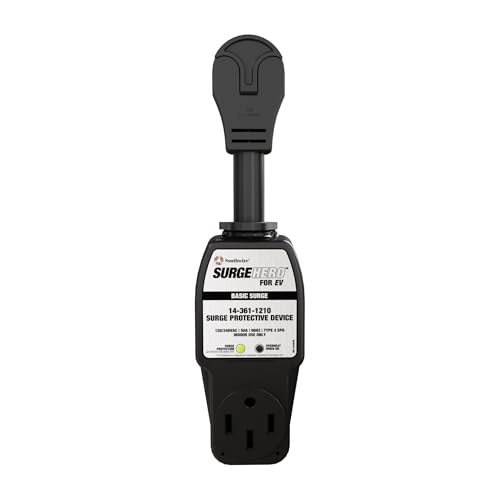
Protect Your EV Charger Investment – Safeguard your $1,000+ Level 2 charger and vehicle from damaging power surges with 4,200 Joules of advanced surge protection designed specifically for EV charging systems

【 Multi Function USB Outlet】- Securing onto the wall design. Fit duplex outlet perfectly, just plug in to use. You get 5 AC outlet splitter (3 sides) with wide space in between; 4 USB charger ports; using the screw at the middle to secure it onto the wall for duplex outlet, so it is not pulled out when pulling the plugged in devices and loss power. Note: this works on duplex outlet only, other types of outlet like GFCI outlet cannot be secured onto the wall.

Protect Your EV Charger Investment – Safeguard your $1,000+ Level 2 charger and vehicle from damaging power surges with 4,200 Joules of advanced surge protection designed specifically for EV charging systems
Maximizing the Convenience of Home EV Charging
Convenience is one of the primary reasons many choose to install a home EV charging station. To further enhance this convenience, we can consider integrating smart technology into our setup. Smart chargers allow us to monitor energy usage, schedule charging times, and receive notifications when our vehicle is fully charged or if any issues arise.
Creating a designated charging area at home can streamline the process even more. By establishing a specific spot for parking and charging our EV, we eliminate any confusion about where to plug in. This dedicated space can also serve as a reminder to charge regularly, ensuring that we always have sufficient battery life for our daily needs.
Future-proofing Your Home EV Charging Setup
As electric vehicle technology continues to evolve, future-proofing our home charging setup becomes increasingly important. Investing in a charger that supports higher power levels can accommodate advancements in battery technology and faster charging capabilities down the line. This foresight ensures that we won’t need to replace our charger as new models hit the market.
Staying informed about emerging trends in electric vehicles and charging technology will help us make educated decisions about upgrades or expansions to our setup in the future. Engaging with local EV communities or online forums can provide valuable insights into what others are doing to enhance their home charging experiences. By remaining proactive and adaptable, we can ensure that our home EV charging setup remains efficient and relevant for years to come.
FAQs
What are the basic requirements for installing a home EV charger?
To install a home EV charger, you typically need a dedicated electrical circuit, sufficient electrical panel capacity, and a suitable location near where you park your vehicle. It’s important to consult a licensed electrician to assess your home’s electrical system and ensure it meets local codes and safety standards.
How long does it take to install a home EV charging station?
Installation time varies depending on the complexity of the setup, but most home EV charger installations can be completed within a few hours to a day. Factors such as electrical panel upgrades or running new wiring may extend the timeline.
What are the benefits of having a home EV charger?
Home EV chargers offer convenience by allowing you to charge your vehicle overnight, saving time compared to public charging stations. They can also be more cost-effective, as you can take advantage of lower residential electricity rates and avoid fees associated with public chargers.
Are there any safety considerations when installing a home EV charger?
Yes, safety is crucial. The charger must be installed by a qualified electrician to ensure proper wiring and grounding. The installation should comply with local electrical codes and manufacturer guidelines to prevent electrical hazards and ensure reliable operation.
Can I install a home EV charger myself?
While some EV chargers are designed for simple plug-in use, installing a hardwired Level 2 charger generally requires professional electrical work. DIY installation is not recommended unless you have the necessary electrical expertise and permits, as improper installation can be dangerous and may void warranties.
Enjoying our content? Make us a preferred source on Google.
Add us as a Preferred Source on Google