
Wind turbines convert kinetic energy from the wind into mechanical energy, which can then be transformed into electricity. This process begins with the blades of the turbine capturing wind energy. As the wind blows, it causes the blades to rotate, which in turn spins a rotor connected to a generator. The generator then produces electricity that can be used to power homes or businesses. Understanding this fundamental operation is crucial for anyone considering the installation of a wind turbine.
Different types of wind turbines exist, including horizontal-axis and vertical-axis designs.
Horizontal-axis turbines are the most common, featuring two or three blades that rotate around a horizontal axis.
Vertical-axis turbines, on the other hand, have blades that rotate around a vertical axis and can capture wind from any direction. Each type has its advantages and disadvantages, making it important for us to evaluate our specific needs and circumstances before making a decision.
For those interested in sustainable living and reducing their environmental impact, a related article titled “How Can I Be Less Wasteful in the Kitchen?” offers valuable insights and practical tips. This resource complements the “Step-by-Step Guide to Installing a Home Wind Turbine” by emphasizing the importance of eco-friendly practices in daily life. You can read the article here: How Can I Be Less Wasteful in the Kitchen?.
Key Takeaways
- Wind turbines convert wind energy into electricity
- Location is crucial for wind turbine efficiency
- Consider the size and type of turbine suitable for your home
- Gather all necessary tools and materials for installation
- Proper foundation and tower installation is essential for wind turbine stability
Choosing the Right Location for Your Wind Turbine
Selecting an appropriate location for a wind turbine is vital for maximizing its efficiency and energy output. Wind speed and consistency play significant roles in determining the ideal site. Areas with open spaces, such as fields or hilltops, typically experience stronger and more consistent winds compared to urban environments filled with buildings and trees that can obstruct airflow. Conducting a thorough assessment of local wind patterns will help us identify the best spot for installation.
In addition to wind conditions, we must consider zoning regulations and property lines. Local laws may dictate where turbines can be placed, including restrictions on height and distance from neighboring properties. Engaging with local authorities can provide clarity on these regulations, ensuring compliance and avoiding potential disputes with neighbors. Taking these factors into account will lead us to a more informed decision regarding the placement of our wind turbine.
Selecting the Right Turbine Size and Type for Your Home

Choosing the right size and type of wind turbine is essential for meeting our energy needs effectively. Factors such as average wind speed in our area, energy consumption patterns, and available space will influence our decision. Smaller turbines may suffice for homes with lower energy demands, while larger models may be necessary for those with higher consumption rates. Evaluating our energy requirements will guide us in selecting a turbine that aligns with our goals.
Different turbine types cater to various applications. For residential use, small-scale turbines designed for home installation are available. These turbines typically range from 400 watts to 10 kilowatts in capacity. Understanding the differences between these options will help us make an informed choice that balances efficiency and cost-effectiveness. Consulting with manufacturers or experts in the field can provide valuable insights into which turbine best suits our specific situation.

HIGH-QUALITY BLADES: The wind generator kit blade material is synthetically injections molded with high-strength FRP material. At the same time, the fashionable spirals blade is also designed with aerodynamics to make the rotor run smoothly, reliably and quietly. Coreless PMG provides lower start torque/wind speed and longer service life. Design service life 10~20years.

500W High-Efficiency Output: VEVOR 500W high-power wind turbine generator delivers exceptional wind energy utilization and efficiency, making it a versatile solution for powering various applications from homes to farms, RVs, boats, and more.

⚡ INTELLIGENT POWER CONTROL – 1000W MAX OUTPUT This Wind Turbines Generator uses smart microprocessor control to adjust current and voltage for steady performance. As a Wind Generator and Wind Power Generator, it delivers up to 1000W of power, making it a reliable addition to home energy systems.
Gathering the Necessary Tools and Materials for Installation

Before beginning the installation process, we must gather all necessary tools and materials. A comprehensive list will help us stay organized and ensure that we have everything on hand when needed. Common tools required for installation include wrenches, screwdrivers, a level, and safety gear such as gloves and goggles. Having these tools readily available will streamline the installation process and minimize delays.
In addition to tools, we need to acquire materials such as concrete for the foundation, bolts for securing components, and electrical wiring for connecting the turbine to our home’s electrical system. Researching local suppliers can help us find quality materials at reasonable prices. Preparing in advance will not only save time but also contribute to a successful installation experience.
If you’re considering renewable energy options for your home, you might find it helpful to explore a related article that discusses sustainable construction practices. This resource offers insights into eco-friendly building materials that can complement your home wind turbine installation. By integrating these materials, you can enhance your home’s energy efficiency and sustainability. For more information, check out this article on eco-friendly building materials.

【Vertical Axis Wind Turbine】The blade material is synthetically injection molded with high-strength FRP material. At the same time, the fashionable The spiral blades are aerodynamically designed to make the rotor run smoothly and reliably, which leads to stable electricity generation. The wind turbine can start from the breeze and adapt to the wind 360°, no yaw system is needed.

FIFTH-GENERATION WIND TURBINE KIT: Updated version of the best-selling STEM kit about wind power and energy, kids can make their own wind turbine to explore this renewable energy source.
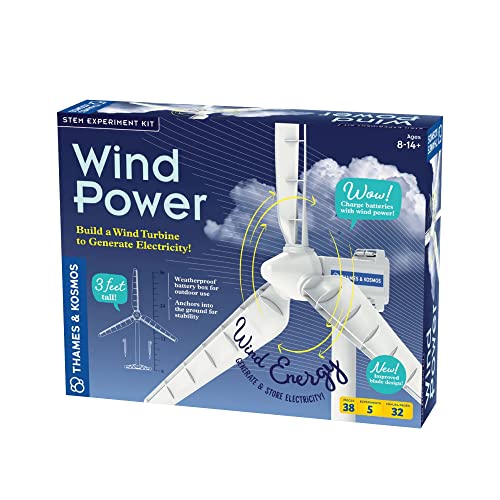
Build and experiment with a real, working 3-foot tall wind turbine to learn how wind is one of the most promising sources of clean, renewable energy available today.
Installing the Foundation and Tower for Your Wind Turbine
| Step | Description |
|---|---|
| 1 | Choose a suitable location for the wind turbine |
| 2 | Check local regulations and obtain necessary permits |
| 3 | Install the tower and foundation |
| 4 | Assemble the wind turbine components |
| 5 | Connect the turbine to the electrical system |
| 6 | Test the system and ensure proper functioning |
| 7 | Maintain and monitor the wind turbine regularly |
Establishing a solid foundation is critical for the stability and longevity of our wind turbine. The foundation must be designed to withstand various weather conditions and support the weight of the turbine and tower. Typically, a concrete base is poured into a hole dug deep enough to provide adequate support. Following manufacturer guidelines regarding dimensions and depth will ensure that we create a robust foundation.
Once the foundation is set, we can proceed with erecting the tower. The tower serves as the structure that elevates the turbine blades to capture wind effectively. Depending on the design of our chosen turbine, assembling the tower may involve bolting sections together or using pre-fabricated components. Careful attention to detail during this phase will contribute to the overall safety and functionality of our wind turbine system.

High-Efficiency Output: This 12V 800W powerful wind turbine generator features a 2.5m/s startup wind speed and 5 large-diameter blades to improve wind energy utilization and efficiency, delivering stable power output for homes, farms, RVs, boats, and more

【DURABLE VERTICAL WIND TURBINE CONSTRUCTION】Meticulously constructed from premium ABS, this wind power turbine and wind generator is hard-wearing and robust, engineered to withstand long-lasting outdoor use as a reliable vertical wind turbine.

Efficient Power Output: Built for efficient energy generation, this VEVOR 500W 12V wind turbine generator makes use of wind power for a variety of applications, including homes, farms, RVs, boats, and off-grid systems (Tower pole is not included)
Assembling and Installing the Turbine and Blades
With the tower in place, we can move on to assembling the turbine itself. This process typically involves attaching the rotor blades to the hub, which connects to the generator. Following manufacturer instructions closely is essential during this stage to ensure proper assembly and alignment of components. Taking our time during this phase will help prevent issues down the line.
After assembling the turbine, we can lift it onto the tower using a crane or other lifting equipment. Securing it properly is crucial for safety and performance. Once mounted, we should double-check all connections and ensure that everything is aligned correctly before proceeding with electrical connections. Completing this step thoroughly will set us up for success as we move forward in connecting our turbine to our home’s electrical system.
Connecting the Turbine to Your Home’s Electrical System
Integrating our wind turbine into our home’s electrical system requires careful planning and execution. We must first determine whether we want to connect directly to our existing grid or set up an off-grid system with battery storage. Each option has its benefits; connecting to the grid allows us to sell excess energy back, while an off-grid system provides independence from utility companies.
Installing an inverter is often necessary when connecting a wind turbine to an electrical system. The inverter converts direct current (DC) generated by the turbine into alternating current (AC) used by most household appliances. Following electrical codes and safety standards during this process is paramount to avoid hazards or malfunctions. Consulting with an electrician may be beneficial if we feel uncertain about any aspect of this connection.
Maintenance and Troubleshooting Tips for Your DIY Wind Turbine
Regular maintenance is key to ensuring our wind turbine operates efficiently over time. Routine inspections should include checking for loose bolts, wear on blades, and any signs of corrosion on metal components. Keeping an eye on these factors will help us identify potential issues before they escalate into more significant problems.
In case of performance issues, troubleshooting becomes essential. If we notice a drop in energy production, checking wind speed data can provide insights into whether external factors are affecting performance. Additionally, examining electrical connections for any signs of damage or wear can help pinpoint issues that may require attention. Staying proactive about maintenance and troubleshooting will ultimately extend the lifespan of our wind turbine and maximize its energy output.
In conclusion, understanding wind turbines involves grasping their basic operation, selecting suitable locations, choosing appropriate sizes, gathering necessary tools, installing foundations and towers, assembling turbines, connecting them to electrical systems, and maintaining them effectively. Each step requires careful consideration and planning to ensure a successful installation that meets our energy needs sustainably. With dedication and attention to detail, we can harness wind energy effectively in our homes while contributing positively to environmental sustainability.
FAQs
1. What are the benefits of installing a home wind turbine?
Installing a home wind turbine can help reduce electricity bills, decrease reliance on fossil fuels, and lower carbon emissions, making it an environmentally friendly energy option.
2. What factors should be considered before installing a home wind turbine?
Before installing a home wind turbine, factors such as local wind speeds, zoning regulations, property size, and proximity to neighboring properties should be carefully considered.
3. What are the steps involved in installing a home wind turbine?
The steps involved in installing a home wind turbine include selecting an appropriate location, assembling the turbine components, securing necessary permits, installing the tower and turbine, and connecting the system to the electrical grid.
4. What maintenance is required for a home wind turbine?
Regular maintenance for a home wind turbine includes inspecting and lubricating moving parts, checking for wear and tear, and ensuring that the electrical components are functioning properly.
5. Are there any incentives or rebates available for installing a home wind turbine?
In some areas, there are incentives, rebates, and tax credits available for installing a home wind turbine, which can help offset the initial cost of the system. It is recommended to research available incentives before installing a home wind turbine.
Enjoying our content? Make us a preferred source on Google.
Add us as a Preferred Source on Google