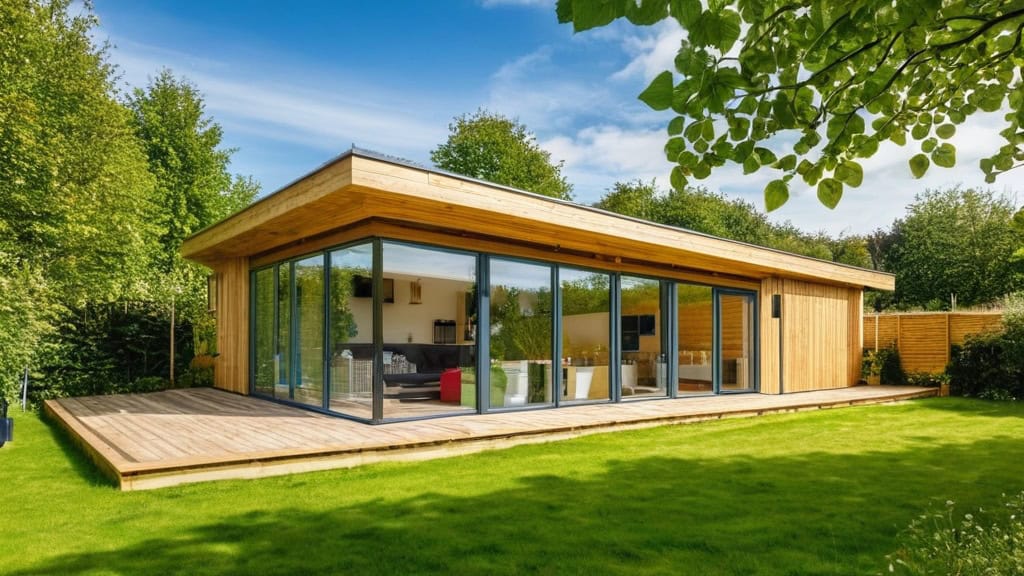
Eco self-build homes represent a transformative approach to housing that prioritizes sustainability and environmental responsibility. As we face the pressing challenges of climate change and resource depletion, the need for eco-friendly living solutions becomes increasingly apparent. Constructing our own homes with a focus on ecological principles allows us to minimize our carbon footprint while creating spaces that harmonize with nature. This method not only benefits the environment but also fosters a sense of community and personal investment in our living spaces.
Building eco-friendly homes encourages the use of sustainable materials, energy-efficient designs, and innovative technologies. We can incorporate features such as solar panels, rainwater harvesting systems, and natural insulation to reduce energy consumption and reliance on non-renewable resources. The process of self-building empowers us to make informed choices about the materials and methods we employ, ensuring that our homes reflect our values and commitment to sustainability. Ultimately, eco self-build homes serve as a model for future generations, demonstrating that it is possible to live harmoniously with the environment while enjoying the comforts of modern living.
If you’re considering funding options for self-build eco homes, you might find it beneficial to explore related resources that focus on sustainable living. One such article discusses the best eco-friendly kitchen products that can complement your green home design. By integrating these products, you can enhance the sustainability of your living space while also making informed purchasing decisions. For more information, check out the article here: Best Eco-Friendly Kitchen Products.
Key Takeaways
- Eco self-build homes are important for reducing environmental impact and promoting sustainability.
- Government grants and subsidies can provide financial support for eco self-build projects.
- Private loans and financing options can help fund eco self-build homes.
- Crowdfunding and community investment can be alternative sources of funding for eco self-build projects.
- Renewable energy incentives and rebates can make eco self-build homes more affordable and sustainable.
Researching Government Grants and Subsidies
Exploring government grants and subsidies can significantly ease the financial burden associated with building eco-friendly homes.
Various programs exist at local, state, and national levels aimed at promoting sustainable construction practices.
We should begin by investigating available resources in our area, as many governments offer financial incentives to encourage green building initiatives. These grants can cover a portion of construction costs, making it more feasible for us to pursue eco self-build projects.
In addition to direct financial assistance, some programs provide tax credits or rebates for energy-efficient upgrades and renewable energy installations. Understanding the eligibility criteria and application processes for these grants is essential. We can often find valuable information through government websites or local housing authorities. Engaging with community organizations that focus on sustainable development may also yield insights into lesser-known funding opportunities. By taking the time to research these options, we position ourselves to maximize our financial resources while contributing to a more sustainable future.

Exploring Private Loans and Financing
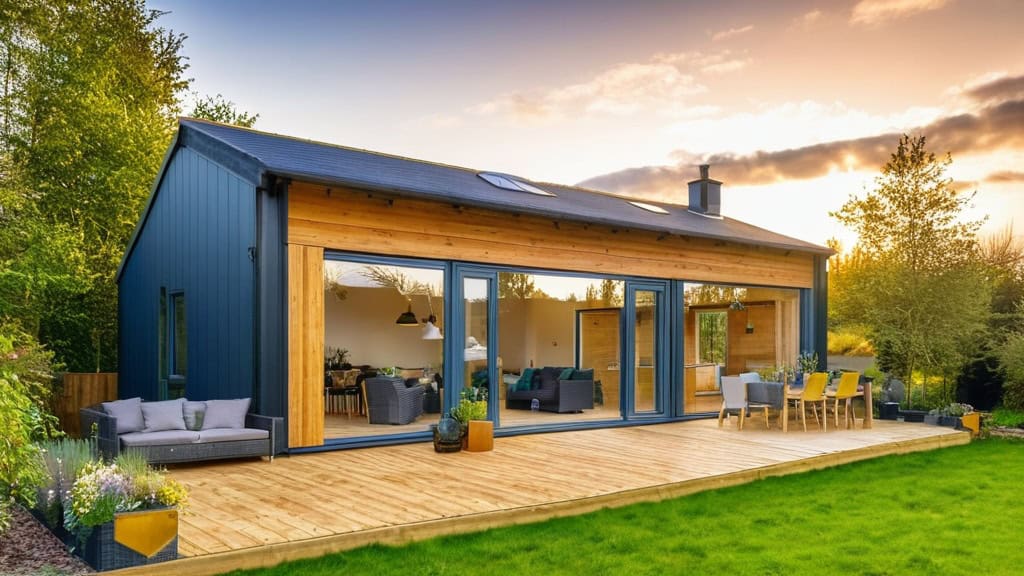
Private loans and financing options present another avenue for funding our eco self-build homes. Traditional banks may offer green mortgages specifically designed for energy-efficient properties, which often come with lower interest rates or favorable terms. We should explore various lending institutions to identify those that prioritize sustainability in their financing options. Engaging with local credit unions or community banks may yield more personalized service and better rates tailored to our needs.
Alternative financing methods, such as peer-to-peer lending platforms, have gained popularity in recent years. These platforms connect borrowers directly with individual investors who are interested in supporting sustainable projects. By presenting a compelling case for our eco self-build home, we can attract potential investors who share our vision for environmentally responsible living. Understanding the terms and conditions of these loans is vital, as we want to ensure that we can comfortably manage repayments while achieving our goal of building an eco-friendly home.


Investigating Crowdfunding and Community Investment
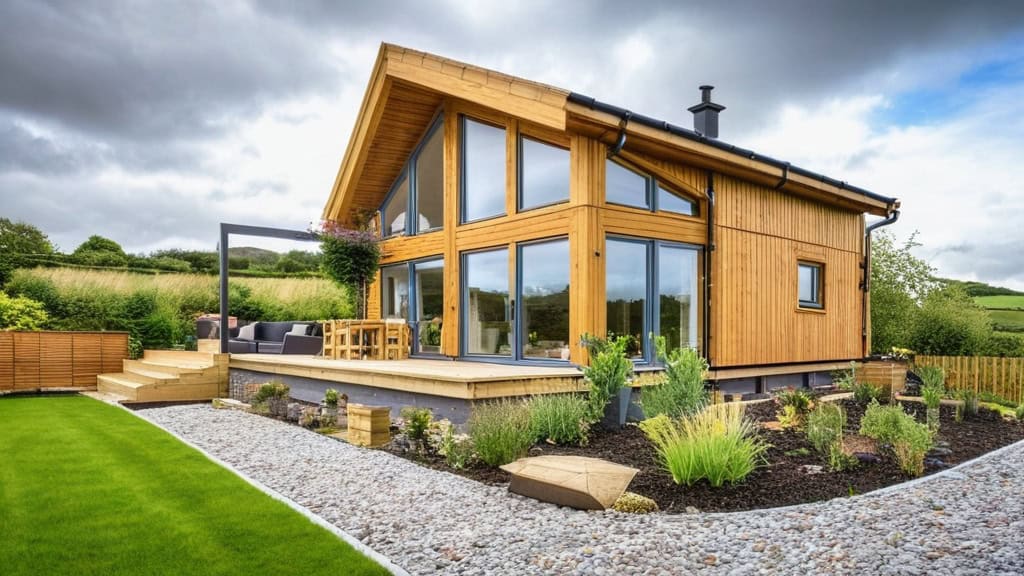
Crowdfunding has emerged as a powerful tool for financing innovative projects, including eco self-build homes. Platforms dedicated to crowdfunding allow us to present our vision to a broader audience, inviting individuals to contribute financially in exchange for rewards or equity stakes. Crafting a compelling narrative about our project can inspire potential backers to support our endeavor. Highlighting the environmental benefits and community impact of our eco self-build home will resonate with those who prioritize sustainability.
Community investment initiatives offer another avenue for funding our project. Engaging with local residents who share an interest in sustainable development can lead to collaborative financing efforts. We can organize community meetings to discuss our plans and gauge interest in investing collectively in our eco self-build home. This approach not only provides financial support but also fosters a sense of ownership and pride within the community. Building relationships with neighbors and local organizations can create a network of support that extends beyond financial contributions.
If you’re considering funding options for self-build eco homes, you might also be interested in exploring innovative roofing solutions that can enhance your project’s sustainability. A related article discusses the differences between cool roofs and green roofs, helping you decide which option might be best for your home. You can read more about it in this insightful piece on cool roofs vs. green roofs. Understanding these choices can further inform your eco-friendly building decisions.

Considering Renewable Energy Incentives and Rebates
| Funding Option | Description | Interest Rate | Loan Term |
|---|---|---|---|
| Self-Build Mortgage | A mortgage specifically designed for self-build projects, releasing funds in stages as the build progresses. | Typically lower than standard mortgages | Up to 24 months |
| Green Mortgage | A mortgage that offers incentives for eco-friendly homes, such as lower interest rates or cashback for energy-efficient features. | Varies by lender | Standard mortgage terms |
| Government Grants | Funding provided by the government to support eco-friendly building projects, such as the Green Homes Grant or Renewable Heat Incentive. | N/A | N/A |
Incorporating renewable energy systems into our eco self-build homes can lead to substantial long-term savings and environmental benefits. Many governments offer incentives and rebates for installing solar panels, wind turbines, or geothermal heating systems. Researching these programs allows us to take advantage of financial assistance that can offset installation costs. Understanding the specific requirements for eligibility is crucial, as some incentives may only apply to certain technologies or installation methods.
Beyond government incentives, utility companies often provide rebates for energy-efficient upgrades or renewable energy installations. Engaging with local utility providers can reveal additional opportunities for savings. By investing in renewable energy systems, we not only reduce our reliance on fossil fuels but also contribute to a cleaner energy grid. The combination of government incentives and utility rebates makes transitioning to renewable energy more accessible, allowing us to create a sustainable living environment while enjoying lower energy bills.
If you’re considering funding options for self-build eco homes, you might find it beneficial to explore how sustainable design can enhance your project. A related article discusses the importance of green roofing and its positive impact on local ecosystems, which can be an integral part of eco-friendly construction. Understanding these elements can help you make informed decisions about your self-build project. To learn more about how your roof can support wildlife, check out this insightful piece on com/green-roofing-and-wildlife-how-your-roof-can-support-local-ecosystems/’>green roofing and wildlife.
Evaluating Green Building Certifications and Programs
Pursuing green building certifications can enhance the credibility of our eco self-build homes while providing access to additional resources and incentives. Various certification programs exist, such as LEED (Leadership in Energy and Environmental Design) or BREEAM (Building Research Establishment Environmental Assessment Method). These programs establish standards for sustainable building practices, guiding us in making environmentally responsible choices throughout the construction process.
Achieving certification often requires adherence to specific guidelines regarding materials, energy efficiency, and water conservation. Engaging with professionals who specialize in green building can help us navigate the certification process effectively. The benefits of certification extend beyond recognition; many programs offer access to grants, tax incentives, or reduced permit fees that can further alleviate financial pressures. By committing to green building standards, we position ourselves as leaders in sustainable development within our communities.
Collaborating with Sustainable Development Organizations
Partnering with sustainable development organizations can provide valuable resources and support throughout our eco self-build journey. Many organizations focus on promoting environmentally responsible construction practices and offer workshops, training sessions, or consulting services. Engaging with these groups allows us to learn from experts in the field while connecting with like-minded individuals who share our passion for sustainability.
Collaboration may also open doors to funding opportunities or partnerships that enhance our project’s viability. Some organizations actively seek out innovative housing solutions that align with their mission, providing potential avenues for financial support or technical assistance. Building relationships within this network can lead to valuable insights and resources that strengthen our eco self-build initiative. Together, we can work towards creating a more sustainable future while fostering community engagement.
Seeking Guidance from Financial Advisors and Experts
Consulting with financial advisors who specialize in sustainable investments can provide us with tailored guidance as we navigate the complexities of funding our eco self-build homes. These professionals possess expertise in identifying suitable financing options, understanding tax implications, and maximizing available incentives. Engaging their services ensures that we make informed decisions that align with our financial goals while prioritizing sustainability.
In addition to financial advisors, seeking input from architects or builders experienced in eco-friendly construction can enhance our project’s success. Their insights into cost-effective materials, energy-efficient designs, and innovative technologies will prove invaluable as we plan our self-build home. Collaborating with experts allows us to create a comprehensive strategy that balances environmental responsibility with financial feasibility. Together, we can turn our vision of an eco self-build home into a reality while contributing positively to the environment and our community.
FAQs
What are the funding options for self-build eco homes?
There are several funding options available for self-build eco homes, including self-funding, mortgages specifically designed for self-build projects, government grants and incentives, and eco-friendly financing options from specialized lenders.
What is self-funding for self-build eco homes?
Self-funding involves using personal savings or assets to finance the construction of a self-build eco home. This option allows individuals to have full control over the project and avoid paying interest on loans, but it requires significant financial resources.
What are self-build mortgages?
Self-build mortgages are specifically designed for individuals who want to build their own homes. These mortgages release funds in stages as the project progresses, and they typically have higher interest rates and stricter eligibility criteria compared to traditional mortgages.
What government grants and incentives are available for self-build eco homes?
In some countries, there are government grants and incentives available to support the construction of eco-friendly homes. These can include financial support, tax incentives, and reduced fees for eco-friendly building certifications.
Are there specialized lenders that offer eco-friendly financing options for self-build eco homes?
Yes, there are specialized lenders that offer financing options tailored to eco-friendly building projects. These lenders may offer lower interest rates, longer repayment terms, and other benefits for self-build eco homes that meet certain environmental standards.
Enjoying our content? Make us a preferred source on Google.
Add us as a Preferred Source on Google