
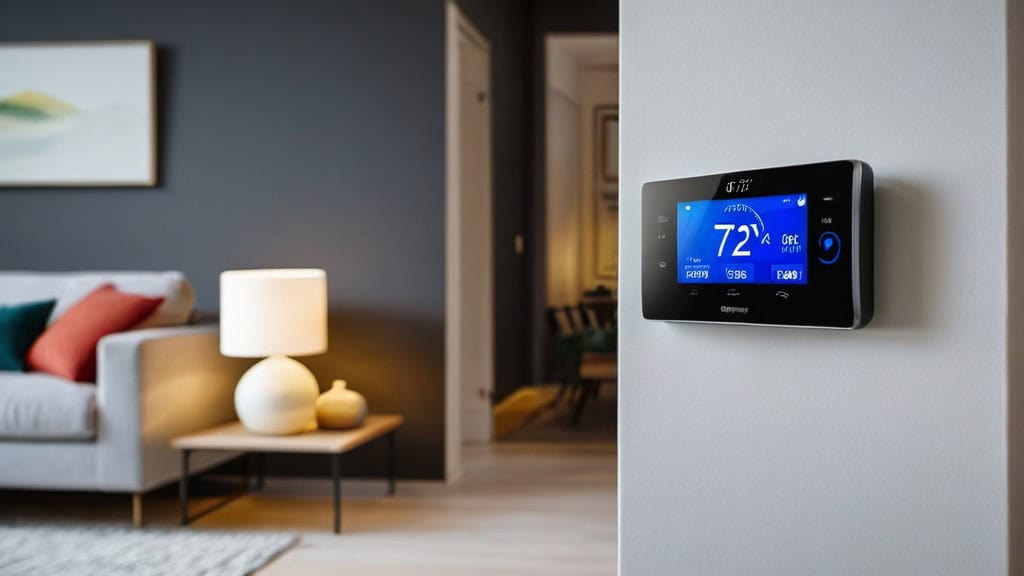
In recent years, smart thermostats have emerged as a popular choice for homeowners seeking to optimize their heating and cooling systems. These innovative devices offer a level of control and convenience that traditional thermostats simply cannot match. As we become increasingly aware of energy consumption and its impact on our wallets and the environment, the appeal of smart technology in our homes continues to grow. With the ability to learn our habits and preferences, smart thermostats provide a seamless way to manage indoor climates while promoting energy efficiency.
The integration of smart thermostats into our daily lives represents a shift towards more intelligent home management. As technology advances, we find ourselves surrounded by devices that communicate with one another, creating a network of convenience. Smart thermostats fit perfectly into this ecosystem, allowing us to control our home’s temperature from anywhere using our smartphones. This level of connectivity not only enhances comfort but also encourages us to be more mindful of our energy usage.
In addition to exploring the benefits of smart thermostats in the article “Smart Thermostats: Save Money, Save the Planet,” readers may find it valuable to check out another insightful piece on eco-friendly living. The article titled “Eco-Conscious Lifestyle Choices” offers practical tips and strategies for making sustainable decisions in everyday life. You can read it by following this link: Eco-Conscious Lifestyle Choices. This resource complements the discussion on smart thermostats by providing a broader perspective on how individuals can contribute to environmental conservation while also saving money.
Key Takeaways
- Smart thermostats are a modern innovation that allows homeowners to control their heating and cooling systems remotely using a smartphone or other devices.
- Smart thermostats work by learning your schedule and preferences, adjusting the temperature accordingly, and providing energy usage reports to help you save money.
- Smart thermostats can save money by optimizing energy usage, reducing heating and cooling costs, and qualifying for energy efficiency rebates and incentives.
- Smart thermostats help the environment by reducing energy consumption, lowering greenhouse gas emissions, and promoting sustainable living.
- When choosing a smart thermostat for your home, consider factors such as compatibility with your HVAC system, ease of use, energy-saving features, and smart home integration.
How Smart Thermostats Work
Understanding how smart thermostats operate reveals the sophistication behind their functionality. These devices utilize sensors to monitor temperature, humidity, and even occupancy within a space. By gathering data, they can make informed decisions about when to heat or cool a home, adjusting settings based on real-time conditions. Many models incorporate machine learning algorithms that analyze our behavior over time, allowing them to predict our preferences and adjust accordingly.
Connectivity plays a vital role in the operation of smart thermostats. Most models connect to Wi-Fi networks, enabling remote access through mobile applications. This connectivity allows us to adjust settings on the go, ensuring that our homes are always at the desired temperature upon arrival. Some advanced models even integrate with other smart home devices, creating a cohesive system that enhances overall energy management. The combination of sensors, algorithms, and connectivity makes smart thermostats a powerful tool for modern homeowners.
Benefits of Smart Thermostats for Saving Money
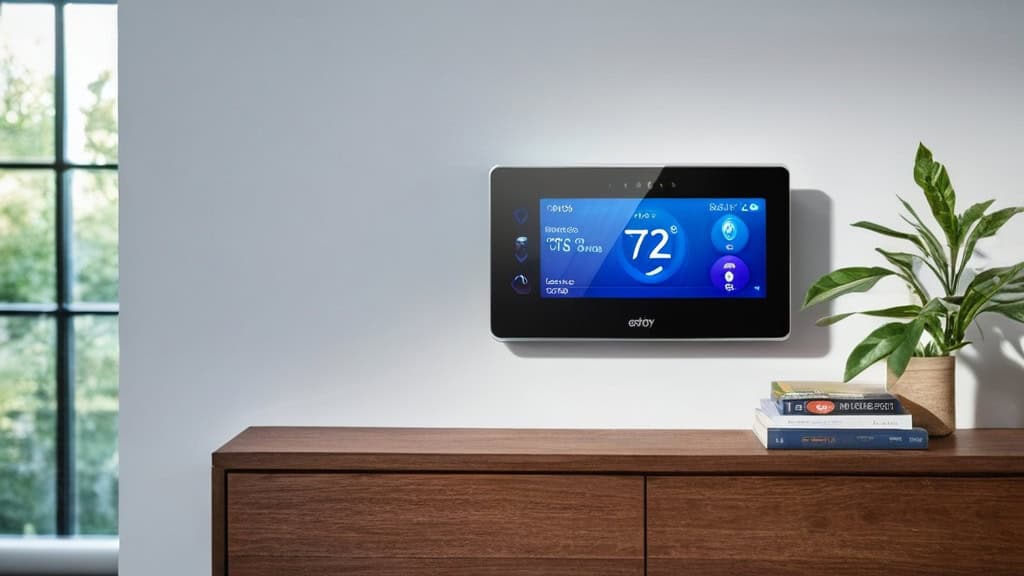
One of the most compelling reasons to invest in a smart thermostat lies in its potential for cost savings. Traditional heating and cooling systems often operate on a set schedule, leading to unnecessary energy consumption when no one is home. Smart thermostats address this issue by learning our routines and adjusting temperatures accordingly. For instance, they can lower heating or cooling when we leave for work and resume comfortable settings shortly before we return.
The financial benefits extend beyond simple temperature adjustments. Many utility companies offer incentives for homeowners who install energy-efficient devices like smart thermostats. These programs can lead to rebates or lower energy rates, further enhancing the cost-saving potential. Over time, the initial investment in a smart thermostat can pay for itself through reduced energy bills, making it an attractive option for budget-conscious homeowners.
Benefits of Smart Thermostats for the Environment
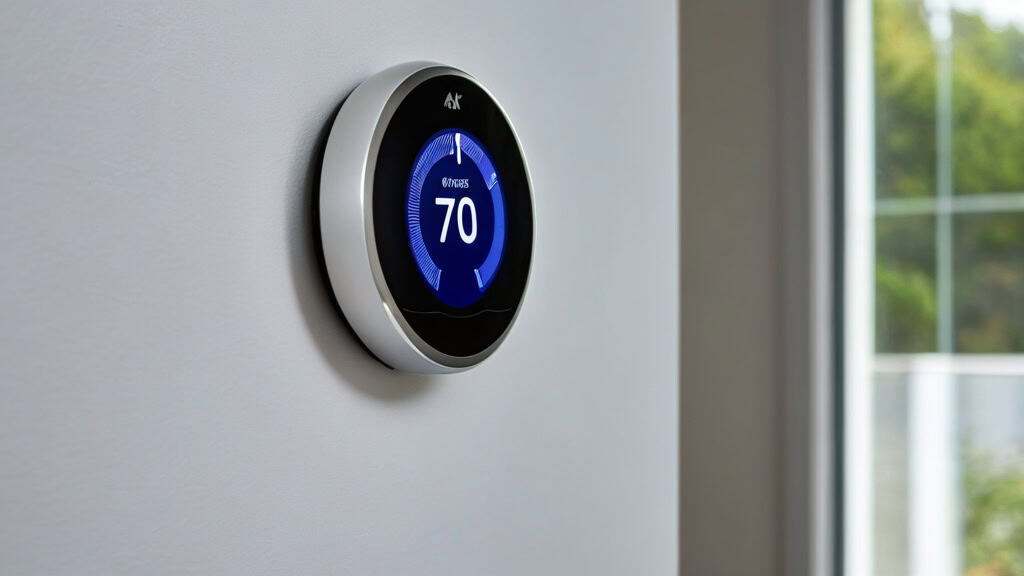
Beyond personal financial savings, smart thermostats contribute positively to environmental sustainability. Energy consumption has a direct impact on carbon emissions, and reducing our reliance on fossil fuels is essential for combating climate change. By optimizing heating and cooling schedules, smart thermostats help minimize energy waste, leading to lower overall consumption. This reduction not only benefits individual households but also contributes to a collective effort towards a greener planet.
Smart thermostats often provide insights into energy usage patterns, empowering us to make informed decisions about our consumption habits. Many models offer reports that highlight peak usage times and suggest ways to improve efficiency. Armed with this information, we can adjust our behaviors and make conscious choices that align with environmental goals. The combination of technology and awareness fosters a culture of sustainability that extends beyond our homes.
In addition to the benefits of smart thermostats in reducing energy consumption, homeowners can explore other eco-friendly strategies to enhance their sustainability efforts. For instance, a related article offers valuable insights on various eco-friendly tips that can help you save money while also being kind to the planet. You can read more about these strategies in the article here. Implementing these practices alongside smart technology can lead to a more efficient and environmentally friendly home.
Choosing the Right Smart Thermostat for Your Home
| Benefits of Smart Thermostats | Statistics |
|---|---|
| Energy Savings | Up to 23% reduction in energy usage |
| Cost Savings | Estimated 180 savings per year |
| Environmental Impact | Reduced carbon footprint by 1,000 pounds per year |
| Convenience | Remote control and scheduling capabilities |
Selecting the ideal smart thermostat requires careful consideration of various factors.
First, compatibility with existing heating and cooling systems is paramount.
Not all smart thermostats work with every type of HVAC system, so understanding the specifications of our current setup is essential. Researching different models and their features can help us identify which options align with our needs.
User interface and ease of use also play significant roles in the decision-making process. Some smart thermostats feature touchscreens with intuitive navigation, while others rely on mobile apps for control. Evaluating how comfortable we feel with technology can guide us toward a model that suits our preferences. Additionally, considering features such as geofencing, voice control compatibility, and integration with other smart home devices can enhance our overall experience.

An Alexa thermostat – Amazon Smart Thermostat is an easy way to switch from a traditional thermostats for homes and help reduce energy usage.

Save up to 23% every year on heating and cooling costs, adjusts to your set schedule to save energy when you’re gone and optimize comfort when you’re home. Compared to a hold of 72
Installation and Set-up of Smart Thermostats
Installing a smart thermostat may seem daunting, but many models are designed for straightforward installation processes. Most come with detailed instructions that guide us through each step, making it accessible even for those with limited technical skills. Before beginning the installation, we should ensure that we have all necessary tools on hand and take precautions to turn off power to the HVAC system.
Once installed, setting up the thermostat involves connecting it to our Wi-Fi network and downloading the corresponding mobile app. Following the prompts within the app allows us to customize settings according to our preferences. Many devices offer guided setup processes that simplify configuration, ensuring that we can start enjoying the benefits of our new thermostat quickly.

The Nest Thermostat Trim Kit is designed to cover imperfections on your wall from removing your old thermostat.What's in the box : Trim plate Steel plate Mounting screws Installation card.Product note: You can also check your system’s compatibility before purchasing a Nest thermostat with our online Nest Compatibility Checker on the Google Nest support page

The Power Extender (PEK) is an easy, cost-effective solution for homes without a C or common wire.

Specifically designed to work with ecobee Smart Thermostat Essential only. Does not work with other ecobee Smart Thermostat models
Tips for Maximizing the Efficiency of Smart Thermostats
To fully capitalize on the advantages offered by smart thermostats, we can implement several strategies that maximize their efficiency. Regularly updating the device’s software ensures that we benefit from the latest features and improvements.
Manufacturers often release updates that enhance performance or introduce new functionalities, so staying current is essential.
Utilizing scheduling features can further optimize energy usage. By programming specific temperature settings for different times of day or days of the week, we can align heating and cooling with our routines. For instance, setting lower temperatures during sleeping hours or when away from home can lead to substantial energy savings without sacrificing comfort.

COMMON WIRE REQUIREMENTS: Designed to work without a C-wire in most homes, but for some systems, including heating only, cooling only, and heat pump systems, you’ll need a C-wire or other compatible power accessory
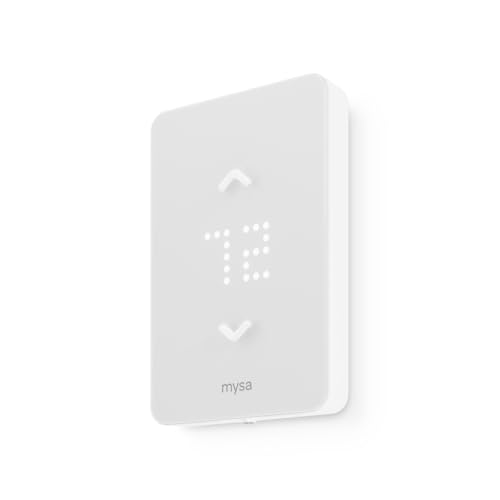
🛡️ 5-YEAR LIMITED WARRANTY: Applies only to products sold by "Mysa – Smart Thermostats." North America based support team, 7 days a week.

PRIVACY PROTECTION*: Sensi won’t sell your personal information to third parties
The Future of Smart Thermostats
As technology continues to evolve, the future of smart thermostats looks promising. Innovations in artificial intelligence and machine learning will likely lead to even more sophisticated devices capable of anticipating our needs with greater accuracy. The integration of renewable energy sources into home systems may also influence how smart thermostats operate, allowing them to optimize energy usage based on availability.
The growing awareness of environmental issues will drive more homeowners toward adopting smart technology in their homes. As we strive for greater energy efficiency and sustainability, smart thermostats will play an integral role in shaping how we manage our indoor environments. Embracing this technology not only enhances our comfort but also contributes to a more sustainable future for generations to come.
FAQs
What is a smart thermostat?
A smart thermostat is a device that can be connected to the internet and controlled remotely. It can learn your heating and cooling preferences and adjust the temperature of your home accordingly.
How can a smart thermostat save money?
Smart thermostats can save money by optimizing the heating and cooling of your home, reducing energy waste, and lowering utility bills. They can also provide insights into your energy usage, helping you make more informed decisions about energy conservation.
How can a smart thermostat help save the planet?
By reducing energy consumption, smart thermostats can help lower greenhouse gas emissions and contribute to environmental conservation. They can also promote energy efficiency and encourage sustainable living practices.
Are smart thermostats easy to install and use?
Smart thermostats are designed to be user-friendly and many come with easy installation instructions. They can be controlled through smartphone apps or voice commands, making them convenient to use.
What are some popular smart thermostat brands on the market?
Popular smart thermostat brands include Nest, Ecobee, Honeywell, and Emerson. These brands offer a range of features and price points to suit different preferences and budgets.
Enjoying our content? Make us a preferred source on Google.
Add us as a Preferred Source on Google