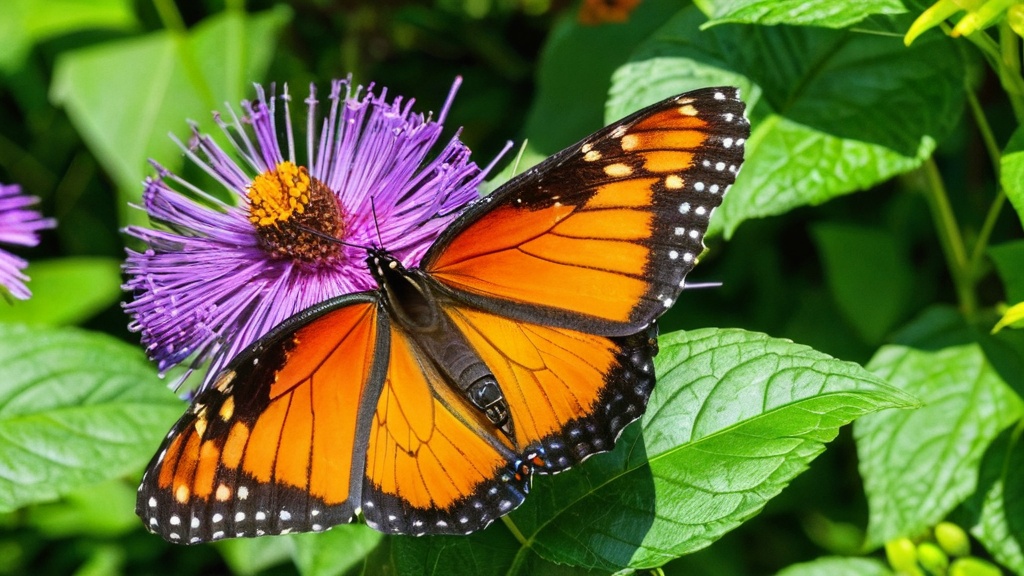
Butterflies, with their vibrant colors and delicate wings, play a vital role in our ecosystem. To create a thriving environment for these beautiful insects, we must first understand their needs. Butterflies require specific conditions to flourish, including suitable habitats, food sources, and protection from predators. Each species has its own preferences, but common factors such as sunlight, shelter, and access to nectar-rich flowers are essential for their survival.
We must recognize that butterflies undergo a complex life cycle consisting of four stages: egg, larva (caterpillar), pupa (chrysalis), and adult. Each stage has distinct requirements. For instance, caterpillars often need specific host plants to feed on, while adult butterflies seek nectar from flowering plants. Understanding these needs allows us to create a butterfly-friendly environment that supports their entire life cycle.
If you’re looking to enhance your garden’s appeal to butterflies, you might find the article on creating a butterfly-friendly backyard particularly useful. Additionally, for those interested in the broader implications of maintaining a sustainable environment, you can explore the related article on cybersecurity and eco-friendly practices at this link. This resource discusses how protecting your digital footprint can also contribute to a healthier planet, complementing your efforts in creating a vibrant habitat for butterflies.
Key Takeaways
- Butterflies need a variety of nectar-rich flowers for food and host plants for laying eggs.
- Choose native plants that are well-suited to your local climate and soil conditions.
- Provide shallow dishes of water with rocks for butterflies to drink and bask in the sun.
- Create sheltered areas with dense shrubs and trees for butterflies to rest and hide from predators.
- Avoid using pesticides and harmful chemicals in your garden to protect butterflies and other beneficial insects.
Selecting the Right Plants for Your Butterfly Garden
Choosing the right plants is crucial for attracting butterflies to our gardens.
Native plants are particularly beneficial, as they have evolved alongside local butterfly species and provide the necessary food sources.
Incorporating a variety of flowering plants that bloom at different times throughout the growing season ensures a continuous supply of nectar. This diversity not only attracts butterflies but also supports other pollinators and beneficial insects.
In addition to nectar plants, we must include host plants for caterpillars. Different butterfly species have specific preferences for their larval food sources. For example, milkweed is essential for monarch caterpillars, while parsley and dill attract swallowtail caterpillars. By planting a mix of nectar and host plants, we create a balanced ecosystem that nurtures butterflies from egg to adult.

PREMIUM WILDFLOWER MIX: 23 vibrant varieties with 134,000+ pure NON-GMO seeds; No fillers or additives; Creates stunning meadows and cottage gardens; Attracts butterflies, bees, and birds; Perfect for perennial flower beds and pollinator gardens

Used Book in Good Condition

Providing Water Sources for Butterflies
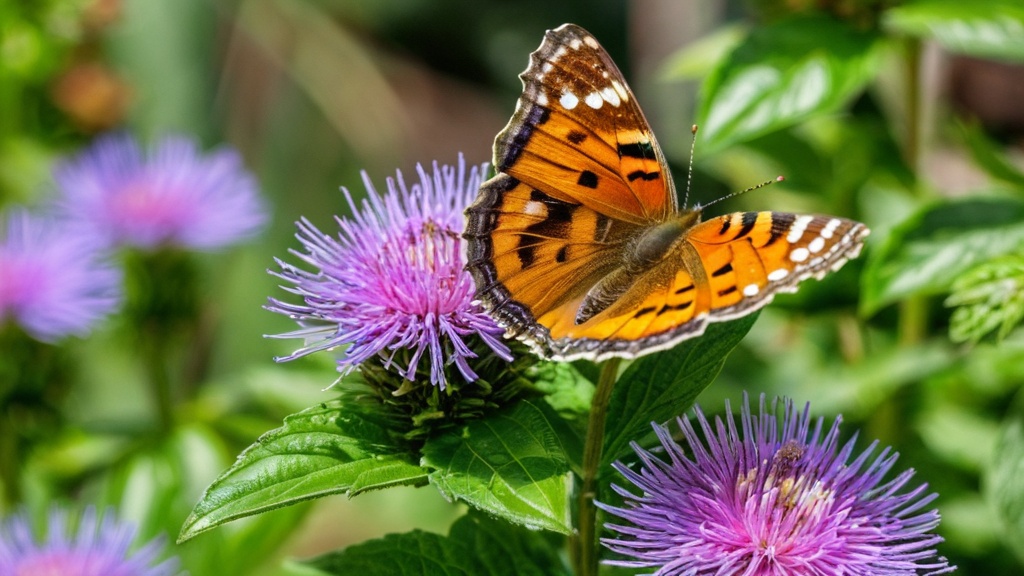
Water is a vital resource for butterflies, yet many gardens lack suitable water sources. Butterflies need hydration, especially during hot summer months. Creating shallow puddles or mud baths can provide the necessary moisture. These areas allow butterflies to sip water and obtain essential minerals from the soil. A simple dish filled with sand and water can serve as an effective watering station.
Incorporating natural features like small rocks or pebbles in water sources can enhance their appeal. Butterflies often prefer landing on stable surfaces while they drink. Ensuring that water sources remain clean and free from debris will encourage butterflies to visit regularly. A well-maintained water source can become a focal point in our butterfly garden, attracting not only butterflies but also other wildlife.

Safe Drinking Design:bee watering station provides a safe drinking spot for the hardest workers in your garden-bees and butterflies. Unlike deep dishes that can drown them,this shallow tray (just 0.78 inches deep),equipped with 40 glass marbles,lets bees, butterflies, and even small birds drink safely and securely without the risk of falling in.

Versatile Package Contents: our offering doesn't just stop at 1 beautiful bee watering station, also includes 30 glass marbles, providing them with a safe area to rest as they drink; The inclusion of multiple marbles ensures that you have replacements handy when necessary; Also nice as a butterfly watering station

Metal Bee Feeder for Garden:the bee feeder becomes an uncomplicated addition to your garden toolkit, Compared with hanging bee feeders, our standing bee feeder for outside is more stable, will not shake even in bad windy weather. Upgraded the 4-pin ground plug for greater stability and reliability
Creating Shelter and Resting Areas
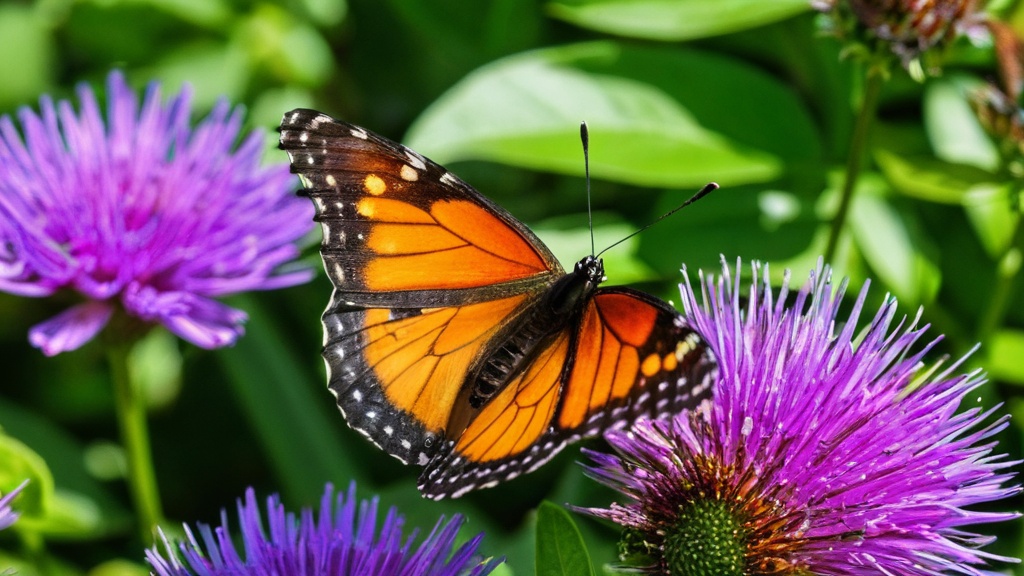
Providing shelter is essential for butterflies to thrive in our gardens. They need safe spaces to rest, hide from predators, and escape harsh weather conditions. Dense shrubs, tall grasses, and flowering perennials can create natural shelters that offer protection. Planting in clusters rather than single specimens allows butterflies to find refuge more easily.
In addition to natural shelters, we can incorporate artificial structures such as butterfly houses or wooden posts. These features provide additional resting spots and can enhance the aesthetic appeal of our gardens. Placing these structures in sunny areas will attract butterflies seeking warmth while offering them a safe haven from potential threats.
Creating a butterfly-friendly backyard can enhance your outdoor space while supporting local ecosystems. To further improve your garden’s ambiance, you might want to explore how noise-canceling headphones can help you enjoy the tranquility of nature without distractions. For more information on this topic, check out this insightful article on Each step we take contributes to a thriving ecosystem that supports these enchanting creatures while enriching our own lives with their beauty and grace. A butterfly-friendly backyard is a garden or outdoor space designed to attract and support butterflies. This includes providing food sources for adult butterflies, such as nectar-rich flowers, as well as host plants for caterpillars to feed on. To create a butterfly-friendly backyard, you can plant a variety of nectar-rich flowers, including milkweed, coneflowers, and butterfly bush. It’s also important to provide host plants for caterpillars, such as milkweed for monarch butterflies. Avoid using pesticides and provide a water source, such as a shallow dish with rocks for butterflies to drink from. Creating a butterfly-friendly backyard is important for supporting the declining butterfly population. By providing food sources and habitat for butterflies, you can help contribute to their conservation and overall biodiversity in your local ecosystem. Some common butterfly species to attract to a backyard include monarch butterflies, swallowtails, painted ladies, and fritillaries. These butterflies are attracted to a variety of nectar-rich flowers and host plants. In addition to supporting butterfly populations, a butterfly-friendly backyard can also attract other pollinators, such as bees and hummingbirds. It can also add beauty and color to your outdoor space, creating a peaceful and natural environment for you to enjoy. Enjoying our content? Make us a preferred source on Google.FAQs
What is a butterfly-friendly backyard?
How can I create a butterfly-friendly backyard?
Why is it important to create a butterfly-friendly backyard?
What are some common butterfly species to attract to a backyard?
Are there any other benefits to having a butterfly-friendly backyard?